

Quick answer: A new Cochrane review found that near-clear blue light glasses may not ease computer eye strain or improve sleep. We have said for years that only a yellow tint can actually block the 455nm blue light spike from LEDs. The article also points to independent testing of our Night and Day lenses.
Key takeaways
- A Cochrane review found near-clear blue light lenses may not reduce computer-related eye strain.
- Only a yellow tint can block the 455nm blue light spike from LEDs.
- The study author says stronger filtering needs an obvious amber tint that affects colour.
- Independent testing found our Night lens blocks 99 percent of melanopic light.
By Nathan Siles, foundational health and the biophysics of light. Updated 25 November 2026.
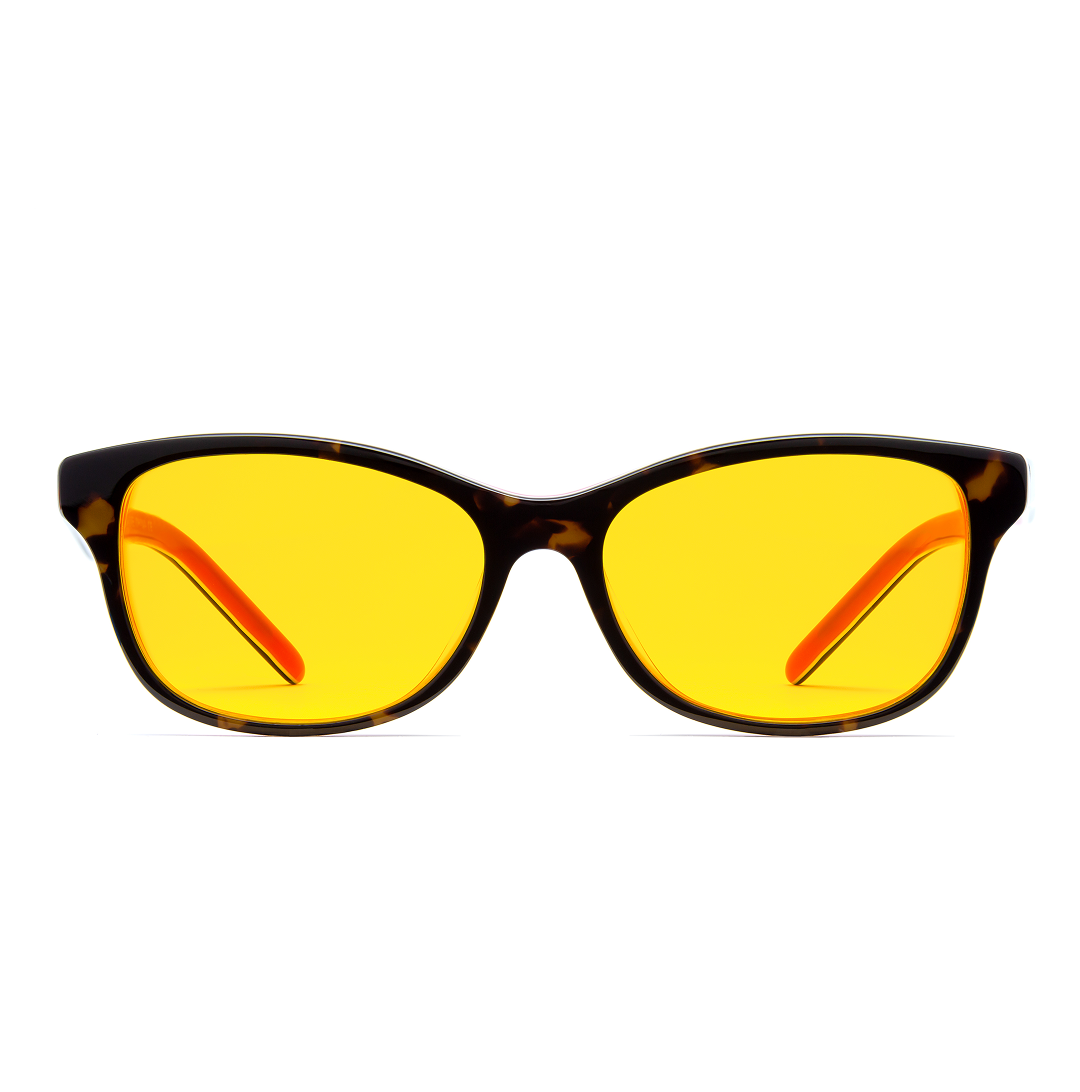
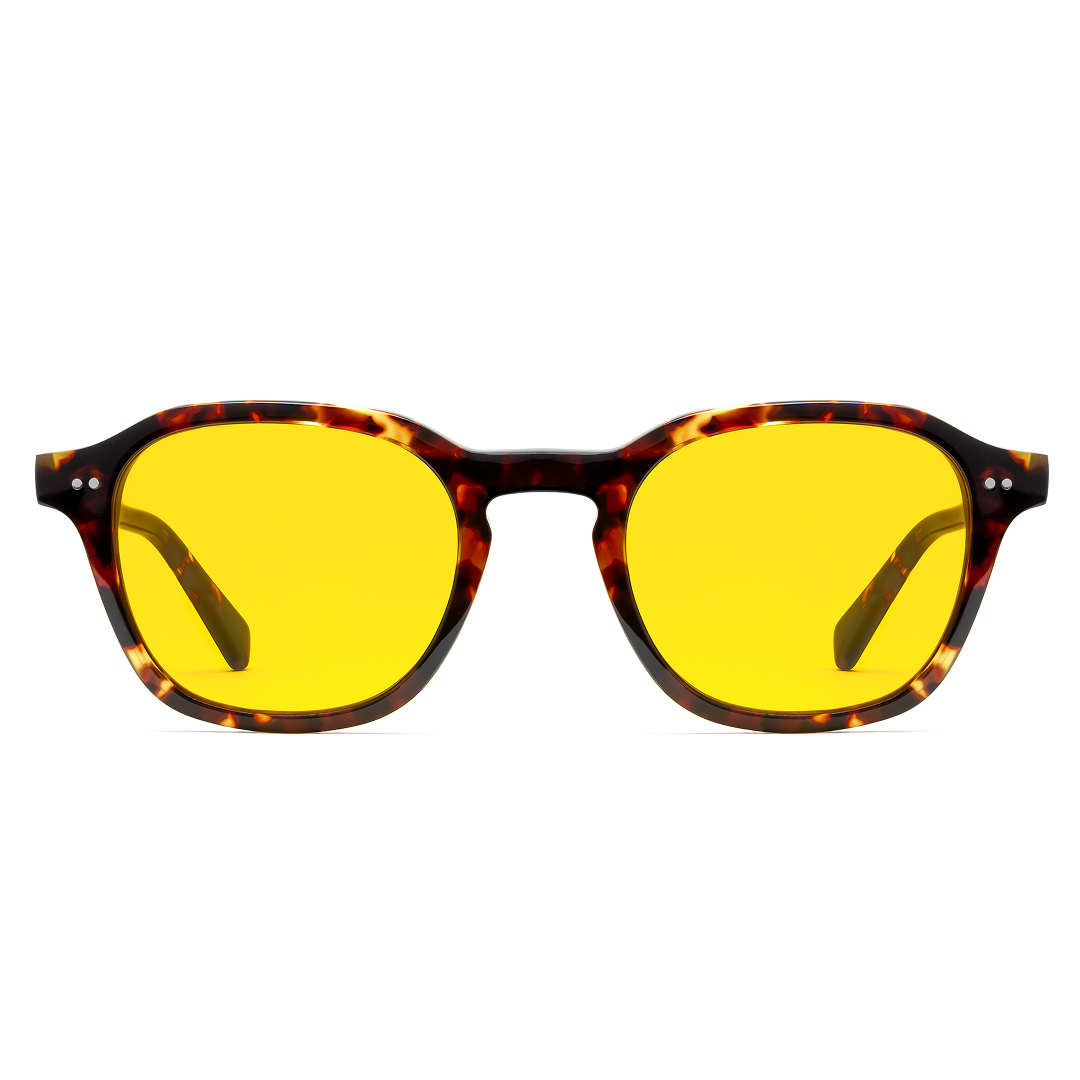
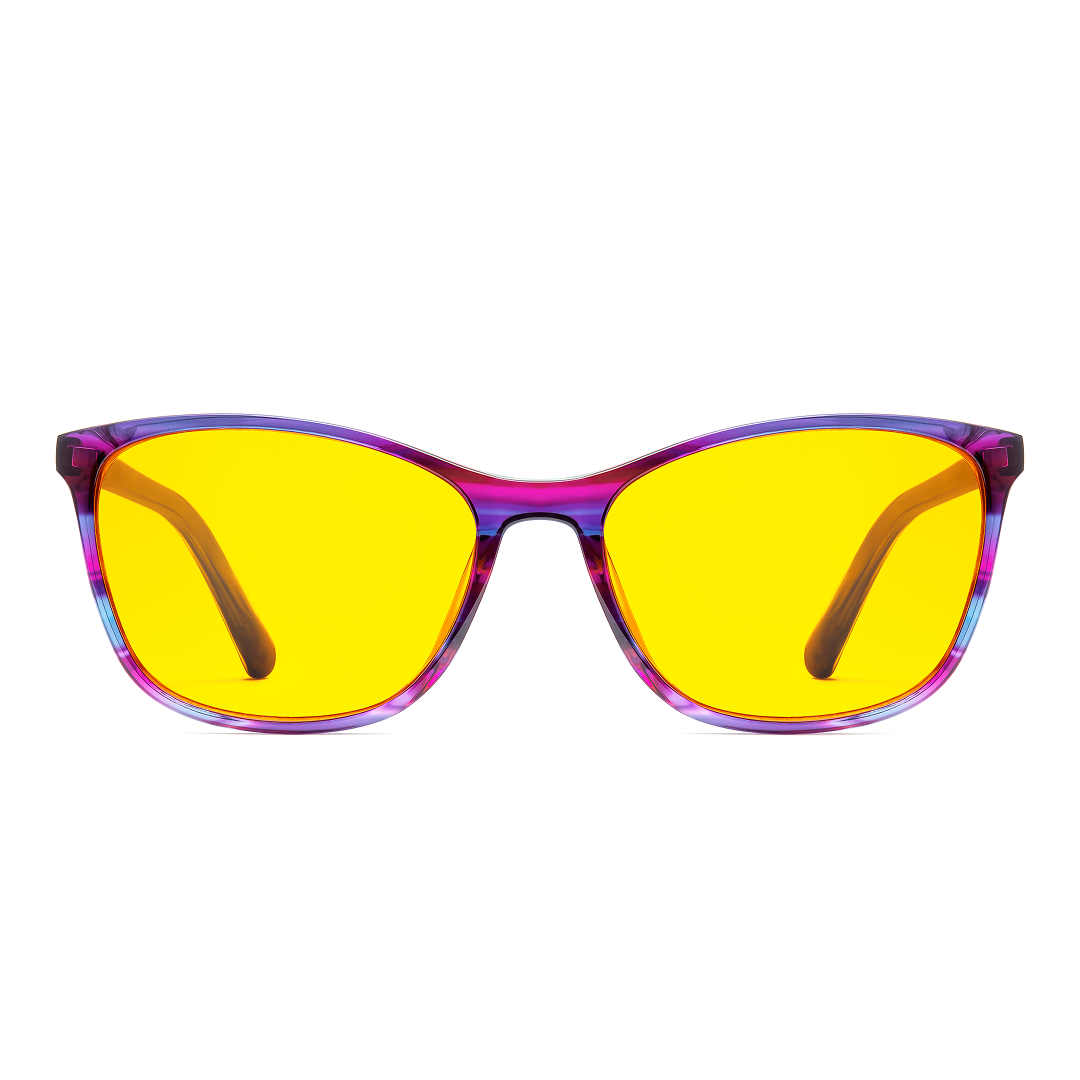
We get asked all the time why our BioSpectral Systems lenses are yellow, we created our blue light blocking lenses using basic science and a patent-pending technique to actually block--not filter blue light. The difference? Near-clear lenses only filter a percentage of blue light emitted from our devices and any LED light source. Only yellow can actually block blue, our specific hue of yellow is built to not just block BL but to provide maximum health benefit by addressing the blue light spike created by fake LED light. This spike is measured across the light spectrum at 455nm, only yellow can block it.
Now, science continues to explain this more clearly. A study just published in the Cochrane Database of Systematic Reviews found that near clear blue light glasses may not provide relief or protection from computer-induced eye strain nor improve sleep.
This systematic review found that blue‑light filtering spectacle lenses may not attenuate symptoms of eye strain with computer use, over a short‑term follow‑up period, compared to non‑blue‑light filtering lenses. Further, this review found no clinically meaningful difference in changes to CFF with BL filtering lenses compared to non‑blue‑light filtering lenses. Based on the current best available evidence, there is probably little or no effect of blue‑light filtering lenses on BCVA compared with non‑blue‑light filtering lenses.
The study’s author and postdoctoral research fellow, Dr. Sumeer Singh, states, “Filtering out higher levels of blue light would require the lenses to have an obvious amber tint, which would have a substantial effect on color perception.”
The media has begun to pick up the facts we've known all along from our own research, and in fact the New York Post featured it in today's paper, along with CNN and CBS News.
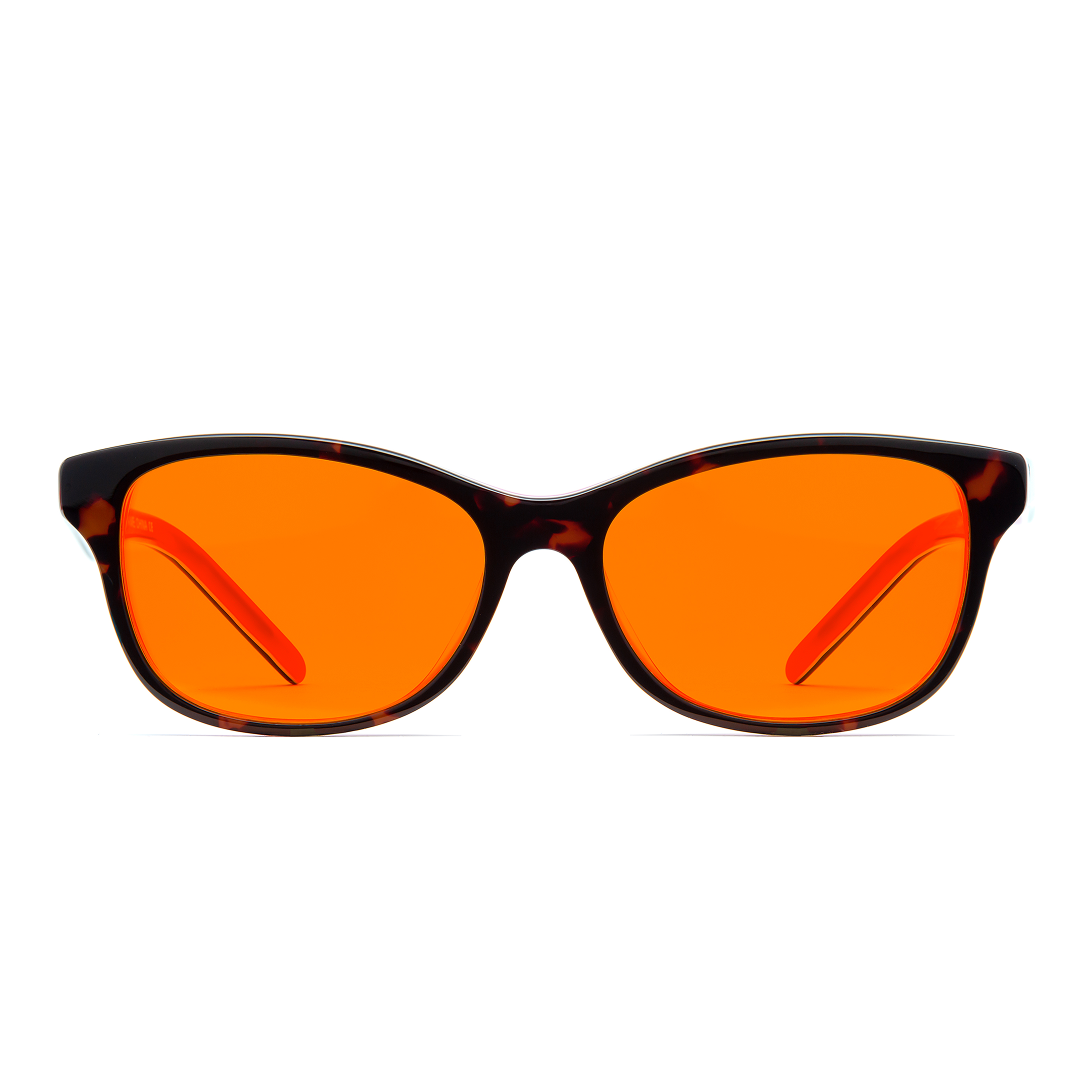
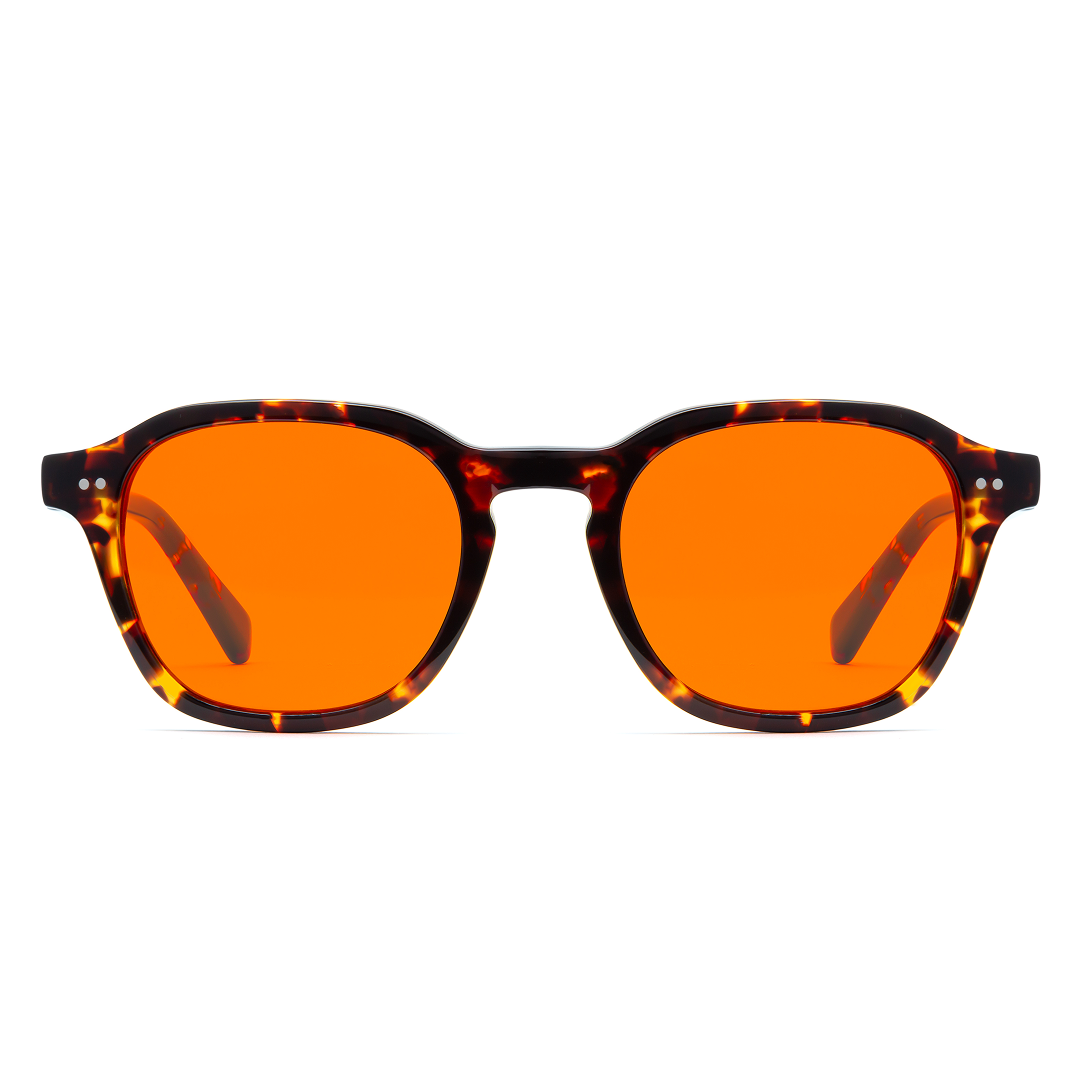
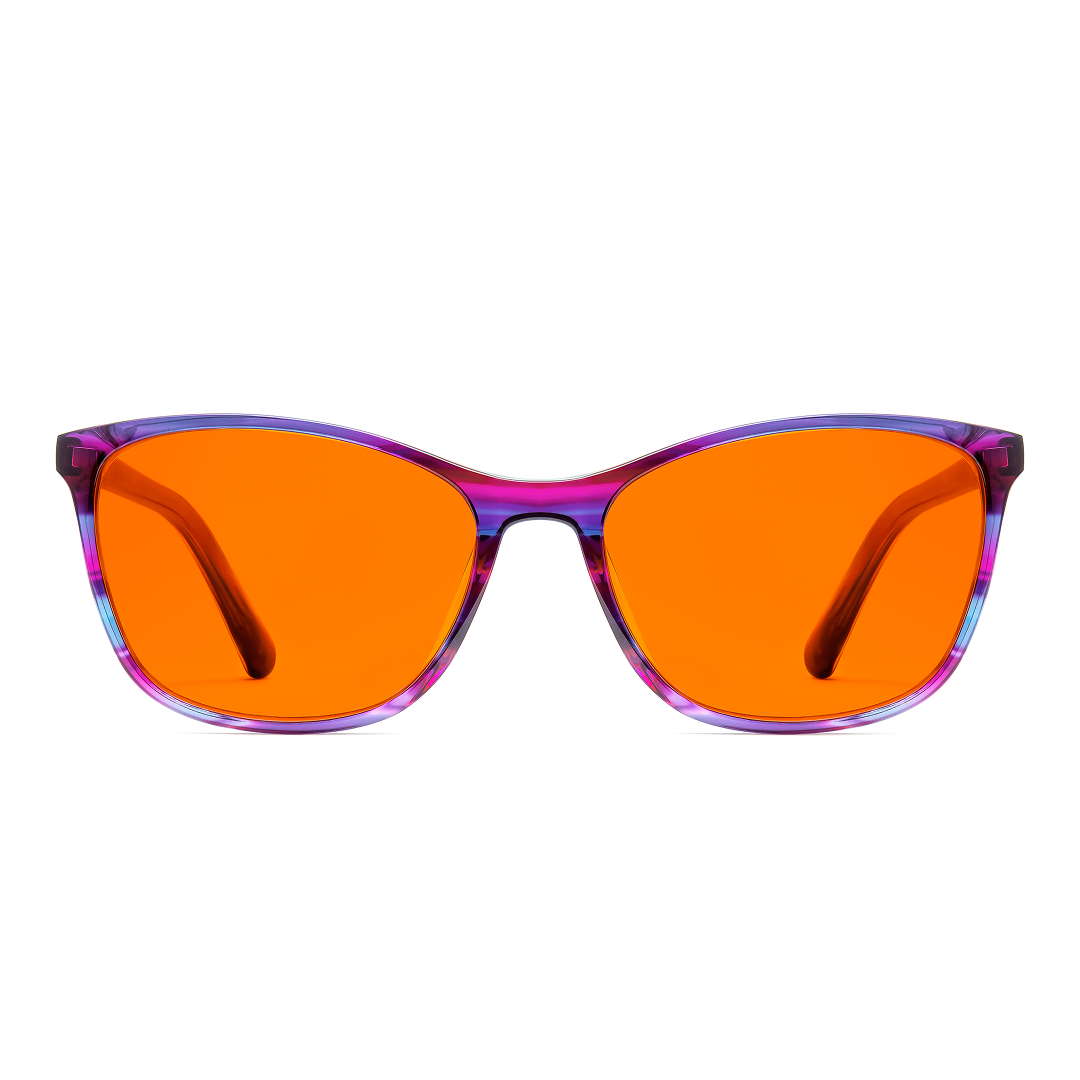
That gap is exactly why we had our own lenses independently tested this year. Optimize Your Biology ran spectrometer transmission readings (350–950nm) on our Night and Day lenses against seven other blue-blocking brands. Our Night lens blocked 99% of melanopic (sleep-disrupting) light while passing 94% of red and near-infrared light through — the highest NIR transmission of any lens tested. You can see the full breakdown in our independent testing results.
We ask that you read our blog for more about Why Yellow Matters, email us with any questions you may have, we're here to help.
Related: how our lenses are lab-tested to actually block light.
From BioSpectral
- Davy (Day) lenses: Our Day lenses filter artificial blue light from screens and LEDs while you work, so you keep clear colour and comfortable eyes.
- Davy (Night) lenses: Our Night lenses block melanopic light in the evening while still passing red and near-infrared, so your wind-down stays natural.
Related reading


Disclaimer
The information on this site is provided by BioSpectral Systems for educational and informational purposes only. It is not intended to diagnose, treat, cure, or prevent any disease and has not been evaluated by the U.S. Food and Drug Administration or any other regulatory authority. Always consult a qualified healthcare professional before making any changes to your health regimen. By using this site, you acknowledge that you do so at your own discretion and agree that BioSpectral Systems, its affiliates, and contributors are not liable for any outcome resulting from the use of the information presented.
Share:
Diabetes: New Perspectives Thrown Into Light
5 Critical Blood Markers for Optimal Health and Longevity