

The NeuroPlunge series
- NeuroPlunge: the science of cold, light and the nervous system
- The cold face circuit: cranial nerves, the dive reflex and the vagus
- Calm, alert and clear: cold, brain chemistry and hormones
- Cold, light and time: your clocks, sleep and seasons (you are here)
- The Carnot engine inside you: mitochondria, brown fat, water and light
- Cold Face Plunging: A Nervous System Portal (your NeuroPlunge practice: my story and the step-by-step method)
Quick answer: Light sets your brain's master clock, and temperature carries time to the clocks in every other organ. A falling core temperature opens the door to sleep, the cold-shock protein RBM3 supports synapse repair, and the seasons switch body programs. A NeuroPlunge fits best in the morning: sunrise light, then cold, then red and infrared light.
Key takeaways
- Temperature cycles reset the body's peripheral clocks.
- Sleep starts as core temperature falls and heat moves out through hands and feet.
- A cool, dark bedroom supports deeper sleep.
- Morning order: sunrise light, NeuroPlunge, then red and infrared light and sunlight.
By Nathan Siles, creator of NeuroPlunge (teaching cold face plunging since 2016). Updated 25 November 2026.

Light tells your body what time it is. Temperature tells it too, in a quieter voice we have almost forgotten how to hear. This is the story of how cold water on your face fits into your clocks, your sleep and the seasons.
By Nathan Siles
Most people think of a clock as something on the wall. Your body runs on thousands of them. There is a master clock in your brain, and there are clocks in your liver, your heart, your muscles, your skin and almost every cell you have. Each one runs on a cycle of roughly 24 hours, and each one needs to be told, every day, what time it really is.
Light is the loudest messenger. Temperature is the second, and for most of human history it was nearly as loud: cold nights, warm afternoons, cold winters, warm summers. Modern life has flattened that signal to a few comfortable degrees, indoors, all year round. When I put my face into cold water every morning, part of what I am doing is giving my clocks a signal they evolved to expect.
In the first article in this series I introduced the idea that temperature is information. Here I want to go deeper: how temperature resets your clocks, why a falling temperature opens the door to sleep, what hibernating animals can teach us, and where light, cold and magnetism meet in one family of proteins.
Temperature is information
Your brain is constantly reading temperature. Sensors in the skin, the spinal cord, the gut and the brain itself report in to a small region at the base of the brain called the preoptic area of the hypothalamus. From there, the brain decides whether to make heat, shed heat or hold it: shivering or not, narrowing or widening the blood vessels in the skin, switching brown fat on or off, and changing what you feel like doing, such as reaching for a jumper or kicking off the covers.
The circuits behind this are now mapped in detail. A 2019 review by Shaun Morrison and Kazuhiro Nakamura describes how skin cold signals travel up to the preoptic area and then out to the nerves that control blood flow, shivering and brown fat. The important point for us is that the face is part of that sensory map, and it is one of the most densely wired parts of it.
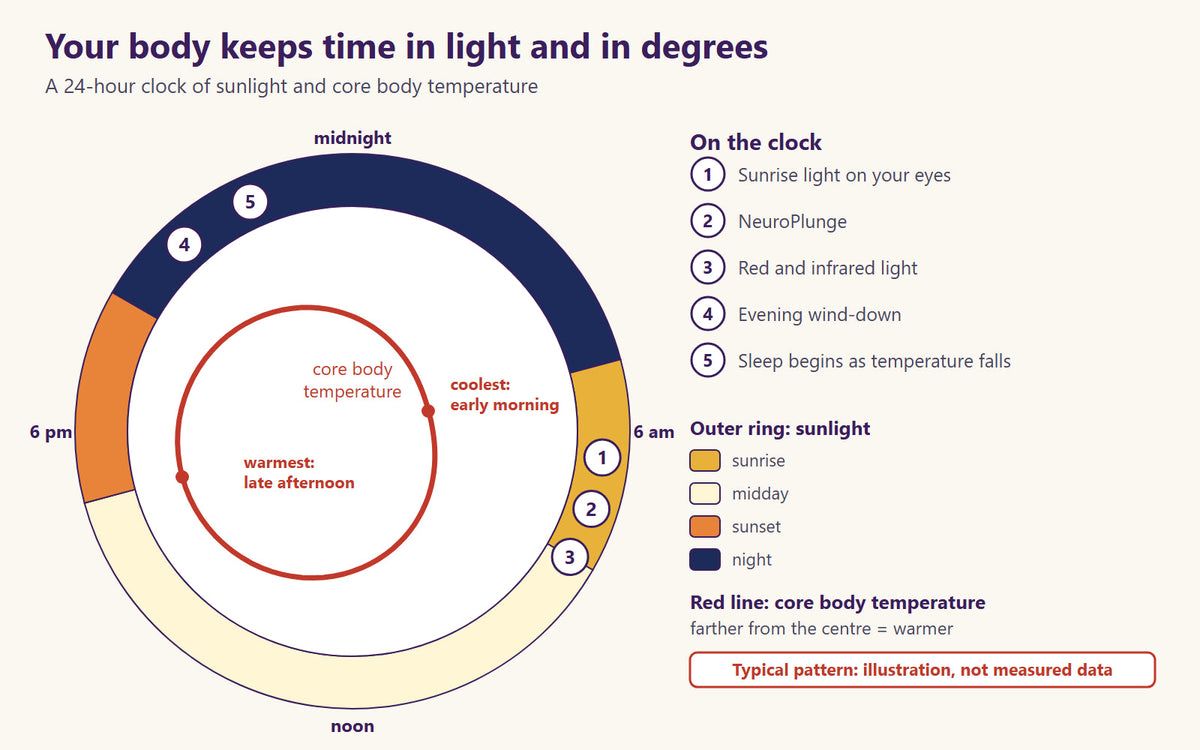
Core temperature is not fixed at 37°C (98.6°F). It follows a daily wave. It is lowest in the early morning, climbs through the day, peaks in the late afternoon or early evening, then falls again as night comes on. Even the brain has its own temperature rhythm. A 2022 study that measured brain temperature directly in healthy adults found the brain runs warmer than the rest of the body and follows a clear daily cycle, cooling at night.
So temperature is not just comfort. It is a daily signal, written into every tissue, that rises and falls in step with day and night. And your clocks are listening to it.
How temperature resets your clocks
The master clock sits in a tiny cluster of neurons above the crossing of the optic nerves, called the suprachiasmatic nucleus (SCN). The clocks in your organs are called peripheral clocks. For years the question was how the master clock keeps all the others in time.
Two lines of research gave a clear answer: one of the ways it does this is through body temperature.
- Gentle temperature cycles keep cells in time. In 2002, Steven Brown, Ueli Schibler and colleagues showed that small daily temperature swings, similar to the body's own rhythm, were enough to keep the clocks in cultured cells running in step.
- Temperature is a universal resetting cue. In 2010, Ethan Buhr, Seung-Hee Yoo and Joseph Takahashi showed that temperature pulses reset the clocks in many mouse tissues, working through the heat shock response. The master clock itself resisted being reset by temperature, because its neurons are tightly coupled to each other. That makes sense: the SCN takes its time from light, then uses the body's temperature rhythm as one of its ways of broadcasting that time to everything else.
- Cold-sensing proteins shape clock genes. In 2012, Jörg Morf and colleagues showed that a cold-inducible protein called CIRBP rises and falls with the body's daily temperature changes and helps keep clock genes cycling at full strength. Your cells literally read small changes in temperature and use them to keep time.
Here is how I explain it in workshops. Light sets the conductor. Temperature is one of the ways the conductor's beat reaches the orchestra. When the daily temperature wave is flattened by constant indoor comfort, the beat reaching your organs gets weaker.

Light sets the master clock
None of this replaces light. Light is still the main input to the master clock, and the eye is how it gets there. In 2002, David Berson and colleagues showed that a special set of light-sensing cells in the retina, separate from the ones we see with, sends light information straight to the SCN to set the clock.
What happens when people get their natural light back is striking. In 2013, Kenneth Wright and his team took adults camping for a week with no artificial light at all. Their body clocks shifted about two hours earlier and lined up with sunrise and sunset. A follow-up study in 2017 found that even a weekend of camping moved the clock earlier, and that winter camping showed the effect strongly.
I take two lessons from this. First, morning light is the anchor. Second, our clocks are not broken; they are under-signalled. Give them strong natural signals, and they respond within days. Cold is one of those signals, and it works best when it is layered onto light, not used instead of it.
Summer programs and winter programs
For most of our history, the seasons changed everything: day length, temperature, food, activity and sleep. Our biology still carries seasonal programs, even though we rarely trigger them.
- Humans still respond to day length. In a 2001 review, Thomas Wehr described how people living with long winter nights show a longer nightly melatonin signal, the same kind of signal other mammals use to read the season, and how artificial light can mask it.
- Our genes change with the seasons. In 2015, a large study by Xaquin Castro Dopico and colleagues found that nearly a quarter of human genes showed seasonal patterns of activity, with immune activity shifting between summer and winter.
- Animals remodel their cells ahead of the cold. Alpine marmots change the fats in their cell membranes before their body temperature drops for hibernation, regardless of what they eat, apparently guided by an internal annual clock (Arnold and colleagues, 2011).
- Modern comfort switches the winter program off. In a 2004 study, Tiina Mäkinen and colleagues found that young city residents, thanks to heated homes, cars and clothing, showed little or no physiological adaptation to winter cold at all.
Dr Jack Kruse, who first introduced me to cold thermogenesis, built a model on this foundation: that mammals run a warm, light-led summer program built for growth and carbohydrates, and a cold-led winter program built for fat-burning, repair and efficiency, and that in deep cold, temperature takes over from light as the main timer. Parts of that idea are well supported, such as temperature resetting clocks and animals preparing for winter. Other parts, including the exact switch he proposes at the master clock, are his theory and not yet tested. I teach it as a model.
In my own framework, the practical message is simple. Most of us live in an endless indoor summer: long artificial days, constant warmth and food available all the time. A daily NeuroPlunge is a small, safe dose of winter. It reminds the body that the other program exists.
The temperature drop that opens the door to sleep
This is the part of the science I find most useful day to day. Sleep does not just happen when you get tired. It is timed to the falling slope of your core temperature.
In the evening, your body starts to shed heat. Blood vessels in the hands and feet widen, a process called distal vasodilation, and warm blood flows out to the skin of your extremities, where the heat escapes. Your hands and feet warm up while your core cools down.
- In a landmark 1999 paper titled "Warm feet promote the rapid onset of sleep", Kurt Kräuchi and colleagues found that the difference between hand and foot temperature and the temperature of the trunk was the best predictor of how quickly people fell asleep, better than melatonin or core temperature alone.
- Kräuchi later described this as a "thermophysiological cascade": the core cools, the extremities warm, and sleepiness follows.
- The brain circuits for sleep and for temperature overlap. Warm-sensing neurons in the preoptic area help both lower body temperature and promote sleep, as reviewed by Edward Harding, Nicholas Franks and William Wisden in 2019 and by Ronald Szymusiak in 2018.
- A hot, humid bedroom works against this cascade and disturbs sleep, especially deep sleep and REM (Okamoto-Mizuno and Mizuno, 2012).
So the evening temperature drop is not a side effect of sleep. It is part of the switch. When I became cold-adapted, my sleep was the first thing to change, and I hear the same from the people I teach. My explanation, which I hold as my own working model, is that a body trained by daily cold gets better at moving heat around on demand: pulling it in when the face hits the water, and letting it go easily at night.
What hunter-gatherers teach us about cool nights
We rarely sleep the way our ancestors did, so it helps to look at people who still live close to natural light and temperature. In 2015, Gandhi Yetish, Jerome Siegel and colleagues studied the Hadza in Tanzania, the San in Namibia and the Tsimane in Bolivia, three groups living without electricity.
- They did not fall asleep at sunset. Sleep usually began a few hours after dark, as the air temperature fell.
- They tended to wake near the coldest point of the night, often before sunrise.
- They slept longer in winter than in summer.
The researchers concluded that the nightly fall in environmental temperature is a major cue for sleep timing, alongside light. To me, that is the clearest real-world picture of what we have lost: a cool night that helps carry you into sleep, and a cool dawn that helps wake you.
Torpor and hibernation: nature's deep cold programs
Some mammals take the cold program to the extreme. In daily torpor, a mouse or a small marsupial lowers its metabolic rate and body temperature for a few hours to save energy. In hibernation, animals such as ground squirrels and marmots go further: their metabolic rate can fall to a small fraction of normal, and their body temperature can drop close to that of their surroundings for days or weeks at a time, as reviewed by Fritz Geiser in 2004.
In 2020, two research teams published back to back in Nature and found the brain switches behind this state:
- Sinisa Hrvatin and colleagues identified neurons in the preoptic area, the same region that runs temperature and sleep, that are active during torpor in mice, and showed that switching them on brings on a torpor-like state.
- Tohru Takahashi and colleagues identified a group of hypothalamic neurons that, when activated, put mice and even rats, which do not normally hibernate, into a hibernation-like state, from which they recovered fully.
We do not hibernate, and a face plunge does not put anyone into torpor. But this research shows that sleep, temperature and metabolism are controlled by overlapping circuits in the same small part of the brain, and that the ability to slow down deeply and safely in the cold is written into mammalian biology. In my framework, cold adaptation is a gentle, daytime echo of that ancient toolkit.
RBM3: a cold-shock protein and the repair of synapses
When cells are cooled, they make a small set of proteins known as cold-shock proteins. One of them, RBM3, has become one of the most interesting stories in cold biology.
In 2015, Diego Peretti, Giovanna Mallucci and colleagues published a study in Nature showing that cooling mice raised RBM3 in the brain, and that RBM3 was needed for the brain to rebuild synapses, the connections between neurons, after the cooling ended. In mice bred as models of neurodegeneration, cooling and raised RBM3 helped protect synapses, while blocking RBM3 removed the protection.
I want to be careful here, because this is exactly the kind of finding that gets over-sold:
- This was mouse research.
- The mice were cooled deeply, with their core temperature brought far below normal, which a face plunge does not do.
- It has not been shown that a NeuroPlunge raises RBM3 in the human brain.
What it does show is that cold, in the right dose, is not just a stress to survive. It can switch on repair programs. RBM3 is a cousin of CIRBP, the cold-sensing protein that helps keep clock genes cycling, which is a lovely reminder that cold, repair and time are woven together at the level of single molecules. I hold RBM3 as a direction to watch, not a promise.
Cryptochrome: where light, clocks and magnetism meet
There is one family of proteins that ties this whole article together: the cryptochromes.
- Cryptochromes are part of your clock. In mammals, cryptochrome 1 and 2 are core gears of the circadian clock. In 1999, Gijsbertus van der Horst and colleagues showed that mice lacking both lose their daily rhythm when kept in constant darkness.
- Cryptochromes respond to light. They belong to an ancient family of blue-light-sensitive proteins found in plants, insects and animals.
- Cryptochromes may sense magnetism. In 2000, Thorsten Ritz, Salih Adem and Klaus Schulten proposed that a light-triggered chemical reaction in a cryptochrome could let birds sense the direction of Earth's magnetic field. In 2021, Jingjing Xu and colleagues showed that cryptochrome 4 from the European robin, a migratory songbird, is sensitive to magnetic fields in exactly the way that model predicts.
So light, timekeeping and magnetic sensing already meet in one protein family. Whether human cryptochromes sense magnetism in any meaningful way is not established, and I want to be clear about that.
My framework: temperature, light and magnetism as one timing system
This section is my own model, built from years of study and practice. It is how I teach and how I live, and I share it as my framework, not as settled science.
- Your clocks are environmental sensors. I see the circadian system as the body's way of reading the environment: light through the eyes and skin, temperature through the face and skin, and the magnetic environment through the ground beneath you.
- Cold sharpens the reading. In my model, a cold-adapted body is more sensitive to the signals of light and magnetism, so it captures and uses natural energy more efficiently. I call this raising the Biological Energy Capture Rate (BECR).
- The timing matters more than the dose. The same cold plunge or the same light lands differently depending on when it arrives. The goal is to stack natural signals at the times your biology expects them.
- Nature does this all at once. Dawn outside brings cool air, rising light and bare feet on the earth together. A NeuroPlunge followed by sunrise light, outdoors, with your feet on the ground, recreates that in a few minutes.
The deeper biophysics behind this, including mitochondria as heat engines, water and infrared light, is the subject of part 5 of this series.
Putting it into your day: sunrise, cold, then light
Here is how I fit NeuroPlunge around the day so that it works with your clocks rather than against them.

1. Sunrise first. Get outside as close to sunrise as you can and let morning light reach your eyes, without sunglasses, for five to ten minutes or more. This anchors the master clock for the day.
2. Then the cold. Do your NeuroPlunge in the morning: about ten minutes in water of about 10 to 13°C (50 to 55°F), seated, face in the bowl, breathing slowly through a snorkel. Morning cold lands on the rising slope of your daily temperature wave, when the body is gearing up for the day, and the alertness it brings suits the morning.
3. Then light. Follow the cold with about ten minutes of red and infrared light, then step outside into sunlight or a green space, ideally with bare feet on grass or soil. After the cold has pulled blood inwards, warmth and light welcome it back out.
4. Let the evening cool down. Watch the sunset if you can. Dim the lights after dark, put screens away or wear blue-light blocking glasses, and keep the bedroom cool and dark so your evening temperature drop can do its job. Warm hands and feet in a cool room is the combination the research points to.
5. Work with the seasons. In winter, spend time outside in the cold air, let your home run a little cooler and keep the NeuroPlunge going; this is the season your cold program expects. In summer, the morning NeuroPlunge becomes your daily dose of winter, and longer days outdoors carry the light side.
A note on evening plunges: some people find a NeuroPlunge in the early evening helps them wind down. Others find the alertness from the cold makes it harder to fall asleep. If you practise later in the day, leave a couple of hours before bed and see how your own sleep responds.
Practising safely
The same rules apply whatever time of day you practise:
- Always practise seated, with your face in a bowl or tub of water. Never standing.
- Breathe slowly through a silicone snorkel. Never do breath-hold face dunks in water alone.
- Always stay for at least ten minutes, even as a beginner. Start in cool water that does not give you brain freeze and lower the temperature over the weeks to 10 to 13°C (50 to 55°F). Colder is not automatically better; your skin should stay pink.
- Stop if you feel dizzy, faint or unwell, and lift your face out of the water at any time.
- Practise with someone nearby while you are learning, and go gently on days you feel run down.
The full step-by-step method, the 30-day plan and the path to whole-body cold adaptation are in part 6, Your NeuroPlunge practice.
Where this series goes next
This article covered time: how cold and light set your clocks, start your sleep and connect you to the seasons. The other deep dives each own their own ground. Part 2 follows the cold signal through the cranial nerves, the dive reflex and the vagus. Part 3 covers the brain chemistry and hormones of cold, from noradrenaline and dopamine to leptin and the melanocortin pathway. Part 5 goes inside the cell: mitochondria, brown fat, water and the Carnot engine. Part 6 brings it all home with my story and the practical method.
Your body was built for a world that was cold at night, cold in winter and bright at dawn. You do not need to move to the mountains to give it those signals back. A bowl of cold water, a snorkel, the sunrise and a cool, dark bedroom will take you a long way.

Nathan Siles is the creator of NeuroPlunge and co-founder of BioSpectral Systems. He has taught cold face plunging since 2016 and launched NeuroPlunge as a named practice at the Return to Nature conference in Franklin, Tennessee, in June 2025. He teaches the biophysics of light, water and cold at retreats, conferences and courses around the world.
NeuroPlunge on Instagram
Pair your NeuroPlunge with light
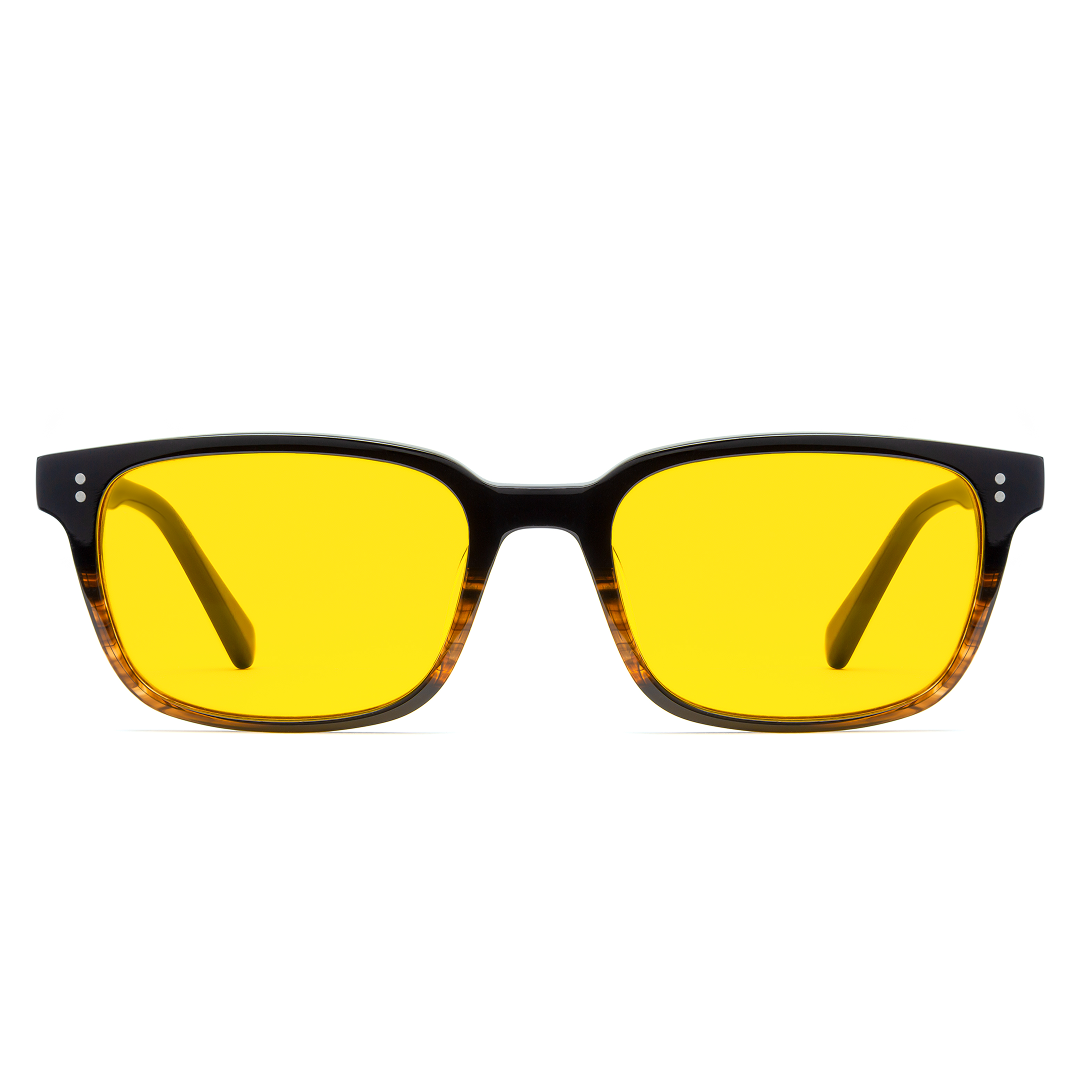
- Before: sunrise on your eyes and skin. Indoors on the way out, Day lenses such as Davy (Day) keep artificial light in check while letting you see clearly.
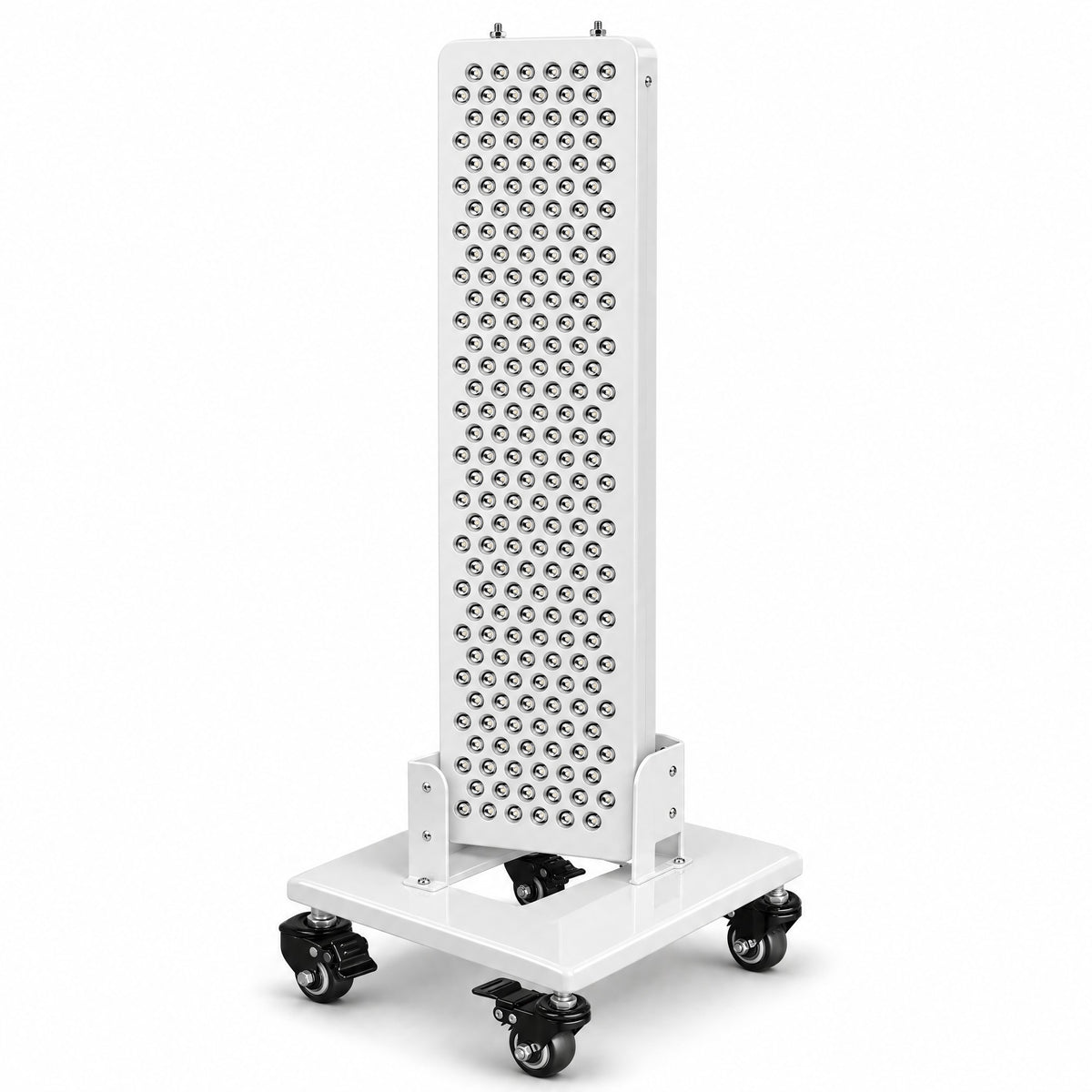
- After: red and near-infrared light, from the sun or a panel such as the BioSpectral Red + Near-Infrared PBM Panel (216 LED) or the compact 72 LED panel.
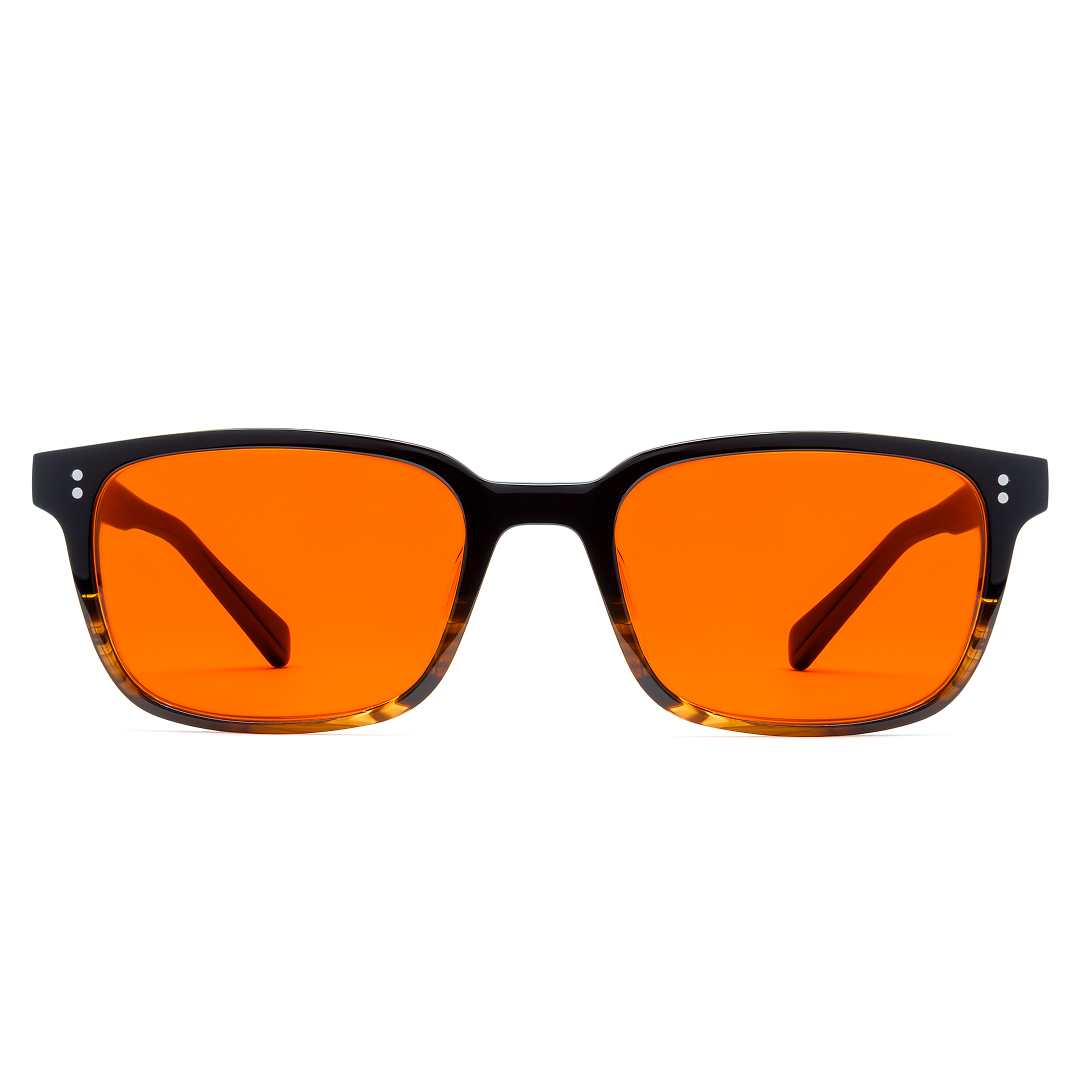
- Evening: Night lenses such as Davy (Night) and a warm Glow Lamp help keep the evening dark for deep, cool sleep.
Related reading
Research references and further reading
- Arnold, W., Ruf, T., Frey-Roos, F., & Bruns, U. (2011). Diet-independent remodeling of cellular membranes precedes seasonally changing body temperature in a hibernator. PLoS ONE, 6, e18641. https://doi.org/10.1371/journal.pone.0018641
- Berson, D. M., Dunn, F. A., & Takao, M. (2002). Phototransduction by retinal ganglion cells that set the circadian clock. Science, 295, 1070–1073. https://doi.org/10.1126/science.1067262
- Brown, S. A., Zumbrunn, G., Fleury-Olela, F., Preitner, N., & Schibler, U. (2002). Rhythms of mammalian body temperature can sustain peripheral circadian clocks. Current Biology, 12, 1574–1583. https://doi.org/10.1016/S0960-9822(02)01145-4
- Buhr, E. D., Yoo, S.-H., & Takahashi, J. S. (2010). Temperature as a universal resetting cue for mammalian circadian oscillators. Science, 330, 379–385. https://doi.org/10.1126/science.1195262
- Dopico, X. C., et al. (2015). Widespread seasonal gene expression reveals annual differences in human immunity and physiology. Nature Communications, 6, 7000. https://doi.org/10.1038/ncomms8000
- Geiser, F. (2004). Metabolic rate and body temperature reduction during hibernation and daily torpor. Annual Review of Physiology, 66, 239–274. https://doi.org/10.1146/annurev.physiol.66.032102.115105
- Harding, E. C., Franks, N. P., & Wisden, W. (2019). The temperature dependence of sleep. Frontiers in Neuroscience, 13, 336. https://doi.org/10.3389/fnins.2019.00336
- Hrvatin, S., et al. (2020). Neurons that regulate mouse torpor. Nature, 583, 115–121. https://doi.org/10.1038/s41586-020-2387-5
- Kräuchi, K. (2007). The thermophysiological cascade leading to sleep initiation in relation to phase of entrainment. Sleep Medicine Reviews, 11, 439–451. https://doi.org/10.1016/j.smrv.2007.07.001
- Kräuchi, K., Cajochen, C., Werth, E., & Wirz-Justice, A. (1999). Warm feet promote the rapid onset of sleep. Nature, 401, 36–37. https://doi.org/10.1038/43366
- Mäkinen, T. M., et al. (2004). Seasonal changes in thermal responses of urban residents to cold exposure. Comparative Biochemistry and Physiology Part A, 139, 229–238. https://doi.org/10.1016/j.cbpb.2004.09.006
- Morf, J., et al. (2012). Cold-inducible RNA-binding protein modulates circadian gene expression posttranscriptionally. Science, 338, 379–383. https://doi.org/10.1126/science.1217726
- Morrison, S. F., & Nakamura, K. (2019). Central mechanisms for thermoregulation. Annual Review of Physiology, 81, 285–308. https://doi.org/10.1146/annurev-physiol-020518-114546
- Okamoto-Mizuno, K., & Mizuno, K. (2012). Effects of thermal environment on sleep and circadian rhythm. Journal of Physiological Anthropology, 31, 14. https://doi.org/10.1186/1880-6805-31-14
- Peretti, D., et al. (2015). RBM3 mediates structural plasticity and protective effects of cooling in neurodegeneration. Nature, 518, 236–239. https://doi.org/10.1038/nature14142
- Ritz, T., Adem, S., & Schulten, K. (2000). A model for photoreceptor-based magnetoreception in birds. Biophysical Journal, 78, 707–718. https://doi.org/10.1016/S0006-3495(00)76629-X
- Rzechorzek, N. M., et al. (2022). A daily temperature rhythm in the human brain predicts survival after brain injury. Brain, 145, 2031–2048. https://doi.org/10.1093/brain/awab466
- Stothard, E. R., et al. (2017). Circadian entrainment to the natural light-dark cycle across seasons and the weekend. Current Biology, 27, 508–513. https://doi.org/10.1016/j.cub.2016.12.041
- Szymusiak, R. (2018). Body temperature and sleep. Handbook of Clinical Neurology, 156, 341–351. https://doi.org/10.1016/B978-0-444-63912-7.00020-5
- Takahashi, T. M., et al. (2020). A discrete neuronal circuit induces a hibernation-like state in rodents. Nature, 583, 109–114. https://doi.org/10.1038/s41586-020-2163-6
- van der Horst, G. T. J., et al. (1999). Mammalian Cry1 and Cry2 are essential for maintenance of circadian rhythms. Nature, 398, 627–630. https://doi.org/10.1038/19323
- Wehr, T. A. (2001). Photoperiodism in humans and other primates: Evidence and implications. Journal of Biological Rhythms, 16, 348–364. https://doi.org/10.1177/074873001129002060
- Wright, K. P., Jr., et al. (2013). Entrainment of the human circadian clock to the natural light-dark cycle. Current Biology, 23, 1554–1558. https://doi.org/10.1016/j.cub.2013.06.039
- Xu, J., et al. (2021). Magnetic sensitivity of cryptochrome 4 from a migratory songbird. Nature, 594, 535–540. https://doi.org/10.1038/s41586-021-03618-9
- Yetish, G., et al. (2015). Natural sleep and its seasonal variations in three pre-industrial societies. Current Biology, 25, 2862–2868. https://doi.org/10.1016/j.cub.2015.09.046


Disclaimer
The information on this site is provided by BioSpectral Systems for educational and informational purposes only. It is not intended to diagnose, treat, cure, or prevent any disease and has not been evaluated by the U.S. Food and Drug Administration or any other regulatory authority. Always consult a qualified healthcare professional before making any changes to your health regimen. By using this site, you acknowledge that you do so at your own discretion and agree that BioSpectral Systems, its affiliates, and contributors are not liable for any outcome resulting from the use of the information presented.
Share:
Calm, Alert and Clear: Cold, Brain Chemistry and Hormones