


More Blue Light = Less Melatonin
Melatonin is a powerful antioxidant that regulates sleep, inflammation, immunity and cellular repair. Artificial blue light can suppress melatonin by up to 60%, raise cortisol, divert resources from testosterone and progesterone production, disrupt sleep and increase mitochondrial stress.
Unlike balanced, full spectrum sunlight, modern screens and LEDs deliver an intense, isolated blue light spike that disrupts the circadian clock governing sleep, repair and recovery.
Most blue light blockers use near clear or light yellow lenses that fail to block this full spike, leaving the brain exposed to the most disruptive wavelengths. BioSpectral lenses block what others miss.
Melatonin Suppression and Mitochondrial Repair
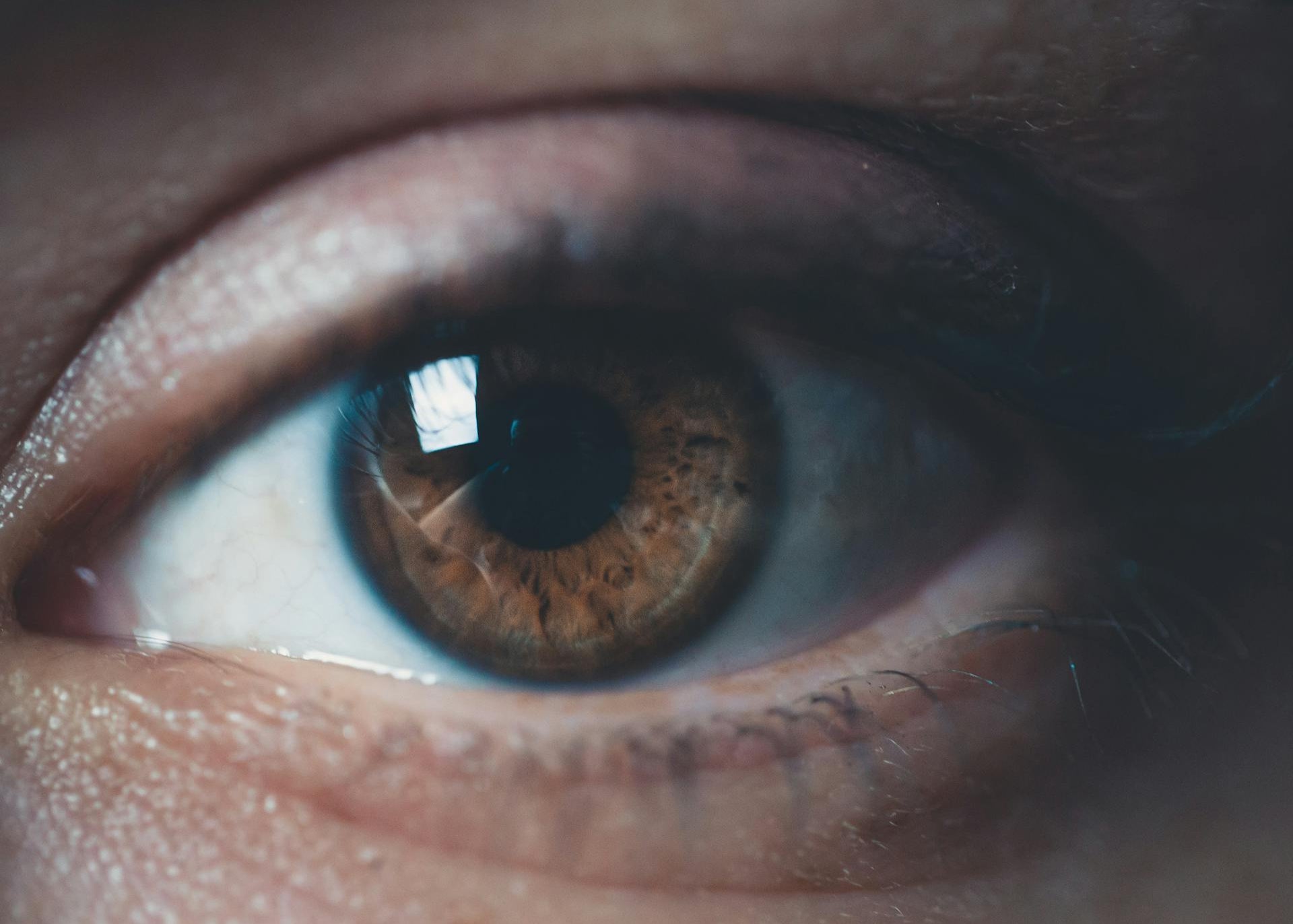
Light enters the eye and stimulates specialized retinal cells, which convert it into an electrochemical signal. This signal travels along a multi-synaptic pathway through the brain’s circadian clock in the hypothalamus before reaching the pineal gland, where it regulates melatonin production.
A primary function of melatonin is repairing mitochondrial DNA. The damaging blue light spike measured at 455nm suppresses melatonin production. The lack of repair from this suppression leads to an accelerated accumulation of mitochondrial DNA mutations, known as “herteroplasmy.”
As mitochondrial DNA mutations increase, our body systems begin to lack the energy necessary to carry out their functions, leading to many modern chronic diseases.
The wavelength makes a difference
Not all light is equal — and not all blue light blocking glasses are either.
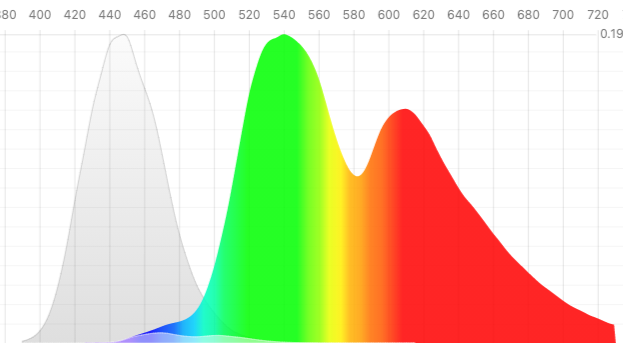
Natural sunlight delivers a broad, balanced spectrum that your eyes and circadian rhythm are designed for. LED screens and modern lighting deliver something entirely different: a sharp, concentrated spike at 455nm that your biology was never meant to handle at these intensities.
Most clear "blue light" lenses only filter wavelengths up to 420nm; providing zero protection in the 435–480nm range where the damage actually happens. Lighter yellow lenses aren't much better — they still allow significant portions of the hazardous blue light to pass through to the eye.
You need a lens that blocks the full hazard range. Completely.
That's what our Melanin Infused Glasses were made for.
Complete Protection
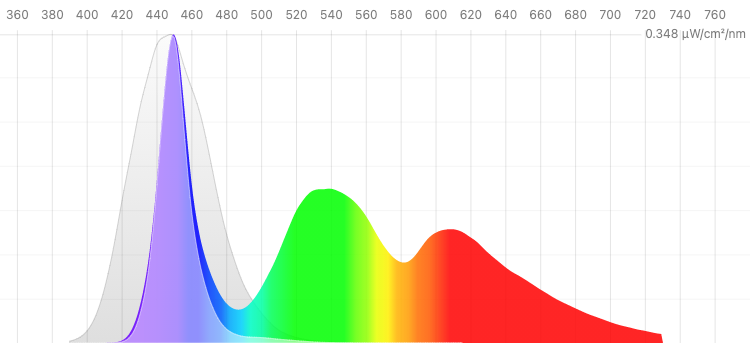
Clear Lens "Blue Light" Glasses
Filters light only up to 420nm. The 455nm spike — the most disruptive wavelength for sleep and melatonin production, passes straight through unblocked.
They simply do not block the light we need protection from most.
BioSpectral Melanin Yellow Day Lenses
Blocks 100% of the blue light hazard from 435–480nm including the 455nm spike. Your vision stays clear. Your biology stays protected. Our night lenses take it further — blocking all blue & green light up to 540nm, signaling to the brain it's time to wind down.
What Is Melanin? And Why Is It In Your Lenses?
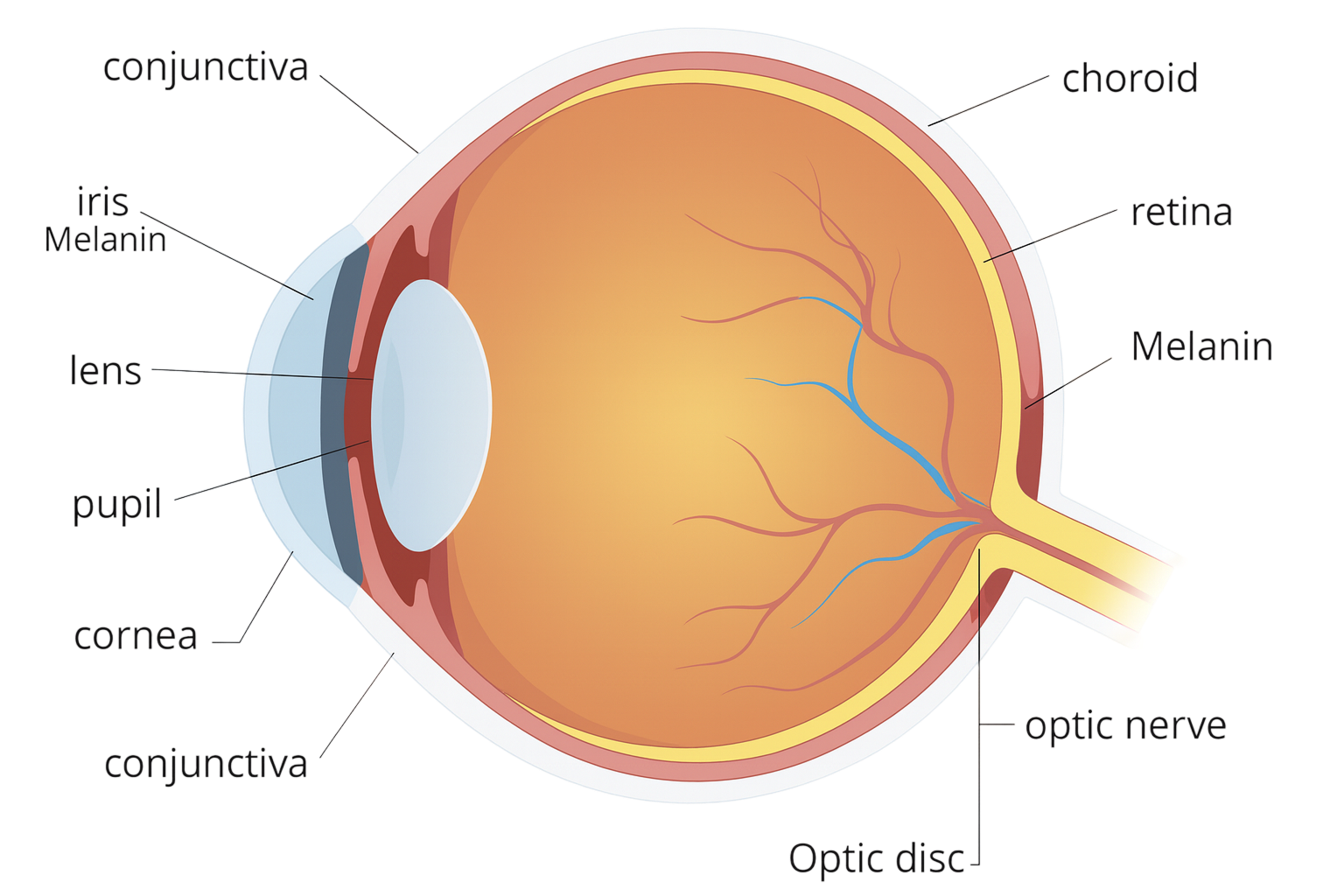
Melanin is the natural pigment found in your hair, skin, and eyes. It's your body's built-in light management system, absorbing and controlling how light enters and affects your biology across the full visible spectrum from 380nm to 700nm.
It works by absorbing higher-energy light (UV, violet, and blue) more strongly than lower-energy light (yellow, orange, and red), maintaining a natural biological balance. This is why blue light energizes and red light heals. Melanin keeps those signals proportional and manageable.
Critically, melanin also provides near-optimum protection to the retina itself; filtering each color of the visible spectrum in precise proportion to its ability to damage retinal tissue. Nature spent millions of years perfecting this system. We put it directly into your lenses.
Support Your Brain, Hormones, and Sleep with Natural Melanin Lens Technology
We utilize a Patented Process using Melanin pigments built directly into the BioSpectral Optical lenses. These lenses help block + protect your eyes BETTER, while allowing you to see all the other colors more clearly.
Compared to other lenses that filter the same amount of light using other means of filtration, melanin lens wearers are able to more accurately differentiate between color hues and scored better on the Farnsworth-Munsell 100 Hue test (a measure for color-blindness) as this lens technology closely mimics that of our eyes natural filtration.
Melanin is a natural material shaped by nature over millions of years. It has been refined through evolution to absorb and manage light with incredible precision. Our lenses are designed to harness that same power, allowing you to benefit from what nature has already proven to work.
Day vs. Night — Which Lens Is Right For You?
Both lenses use our patented melanin technology. The difference is how much light they block — and when you should wear them.
| Feature | ☀️ Day Lens (Yellow) | 🌙 Night Lens (Orange) |
|---|---|---|
| Best time to use | Daytime indoors | After sunset |
| Blocks 100% of light up to | 480nm | 540nm |
| Light spectrum blocked | Blue light | Blue light & Green Light |
| Preserves color perception | ✓✓ High | ✓ Good |
| Supports melatonin production | ✓ | ✓✓ Maximum |
| Ideal for | Office work, computer screens, driving, shopping centres, airports, hospitals, classrooms, daily indoor living under LEDs | Viewing light after sunset, TV, movies, reading, phones, tablets, restaurants, travel, before bed, optimizing sleep |
| Recommended for new users | ✓ Start here | After 2 week adjustment |
FAQ About Our Patented Lens Technology
What makes BioSpectral Systems' patented lens technology different from other blue light blocking glasses?
Unlike most blue light glasses that rely on surface coatings, dyes or simple lens tints, our patented technology incorporates a proprietary melanin infused polymer directly into the lens during manufacturing. This creates a smooth, highly stable optical filter that selectively absorbs damaging artificial blue light while maintaining exceptional optical clarity and color perception. Because the filtering technology is built into the lens itself, it doesn't wear away like conventional surface treatments.
Why use melanin in the lenses?
Melanin is nature's own light filtering pigment, found in the iris, retinal pigment epithelium (RPE), skin and hair. It naturally absorbs higher energy wavelengths more strongly than lower energy wavelengths, helping protect our tissues while allowing us to perceive the rest of the visible spectrum. Our patented technology takes inspiration from this biological design by creating a lens whose absorption characteristics more closely resemble the eye's own natural filtering system.
Why do BioSpectral lenses look clearer and feel more comfortable than many tinted lenses?
Our patented melanin infused lenses produce an exceptionally smooth absorption curve across the visible spectrum rather than the abrupt filtering often created by conventional dyes or coatings. This contributes to more natural colour perception, reduced glare and a comfortable viewing experience, even during extended screen use. Testing has also shown improved colour discrimination compared with other lenses providing similar levels of blue light filtration.
Will the blue light protection wear off over time?
No. The melanin technology is infused directly into the lens material during manufacture rather than applied as a removable surface treatment. While the external anti reflective, anti scratch, hydrophobic and oleophobic coatings protect the lens surface, the blue light filtering technology remains an integral part of the lens itself for long term optical performance.
Why don't near clear blue light glasses provide the same level of protection?
Many near clear lenses reduce only a small proportion of blue light, primarily because maintaining a clear appearance limits how much of the biologically relevant wavelengths can be filtered. Our daytime lenses are engineered to completely block the damaging 455 nm artificial blue light peak while preserving excellent colour perception, and our nighttime lenses extend protection even further by blocking wavelengths up to 540 nm to better support your natural circadian rhythm.
Is this technology available in both daytime and nighttime lenses?
Yes. Our patented melanin infused technology is used across both our daytime and nighttime lens range. Each lens has been specifically engineered with a different spectral transmission profile to match its intended use, whether supporting comfortable daytime screen use or reducing artificial light exposure before bed to help support healthy circadian rhythms.

Developed by nature, backed by science.
30-Day Satisfaction Guarantee
Try them risk-free.
Customer Support
Our friendly support team is available to help with prescriptions, orders, or technical questions.
One-Year Lens Quality Guarantee:
Covers material defects and craftsmanship.