


Humans have evolved within a specific electromagnetic spectrum, shaped by natural sources like the sun and the Earth’s magnetic field. However, our modern lifestyles have introduced us to a myriad of artificial frequencies, generated by everything from wireless devices, artifical lighting, home wiring and appliances to name but a few.
At BioSpectral, our purpose is to address these challenges with unparalleled precision. We offer a full suite of services, including comprehensive assessments for existing properties and proactive design consulting for new builds and renovations. We provide a clear and definitive path to achieve healthy, low-EMF living environments.

Why It Matters
Our homes should be the ultimate sanctuary for happiness and restoration, yet the very infrastructure of modern living can become a source of discord. In a world saturated with artificial frequencies, this exposure creates a profound disconnect between our biological systems and the natural environment we evolved in, a quiet imbalance linked to a decline in our health and vitality. Our work serves to reconcile this imbalance, transforming your home into a resonant extension of your biological needs where you and your loved ones can thrive.
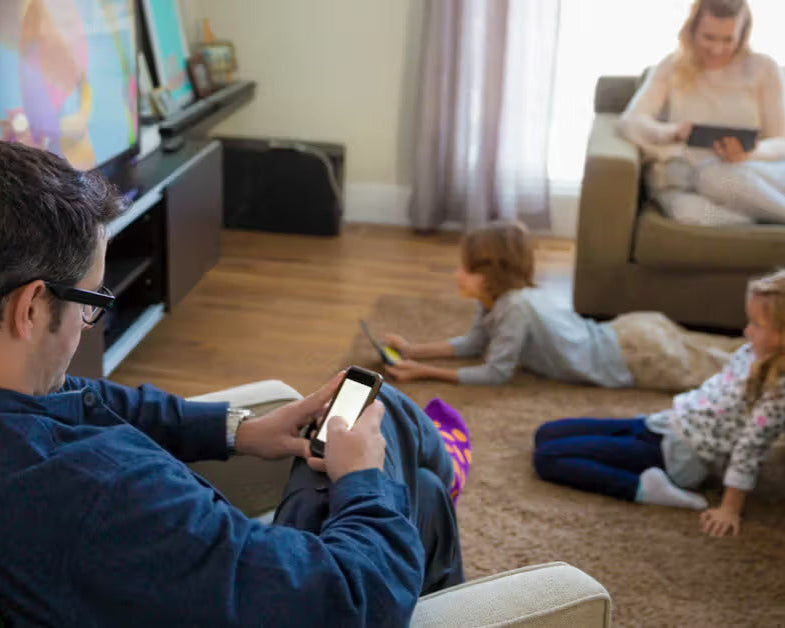
Common Sources of EMF
Internal EMF Sources
Wireless Technology/Devices: Wi-Fi routers, entertainment and security systems, heating systems, cell phones, wearables, bluetooth devices and baby monitors.
Electrical: Household wiring, electrical panels, appliances, devices, smart meters and solar panel inverters.
Artificial Light: LEDs and fluorescent bulbs, screens, monitors, tablets and TVs.
External EMF Sources
Wireless Infrastructure: Cell towers, smart meters, radar and satellite, radio and broadcast antennas.
Electrical Infrastructure: High-voltage power lines, local distribution lines, transformers, substations and industry.
Artificial Light: Streetlights and neighbours outside lighting
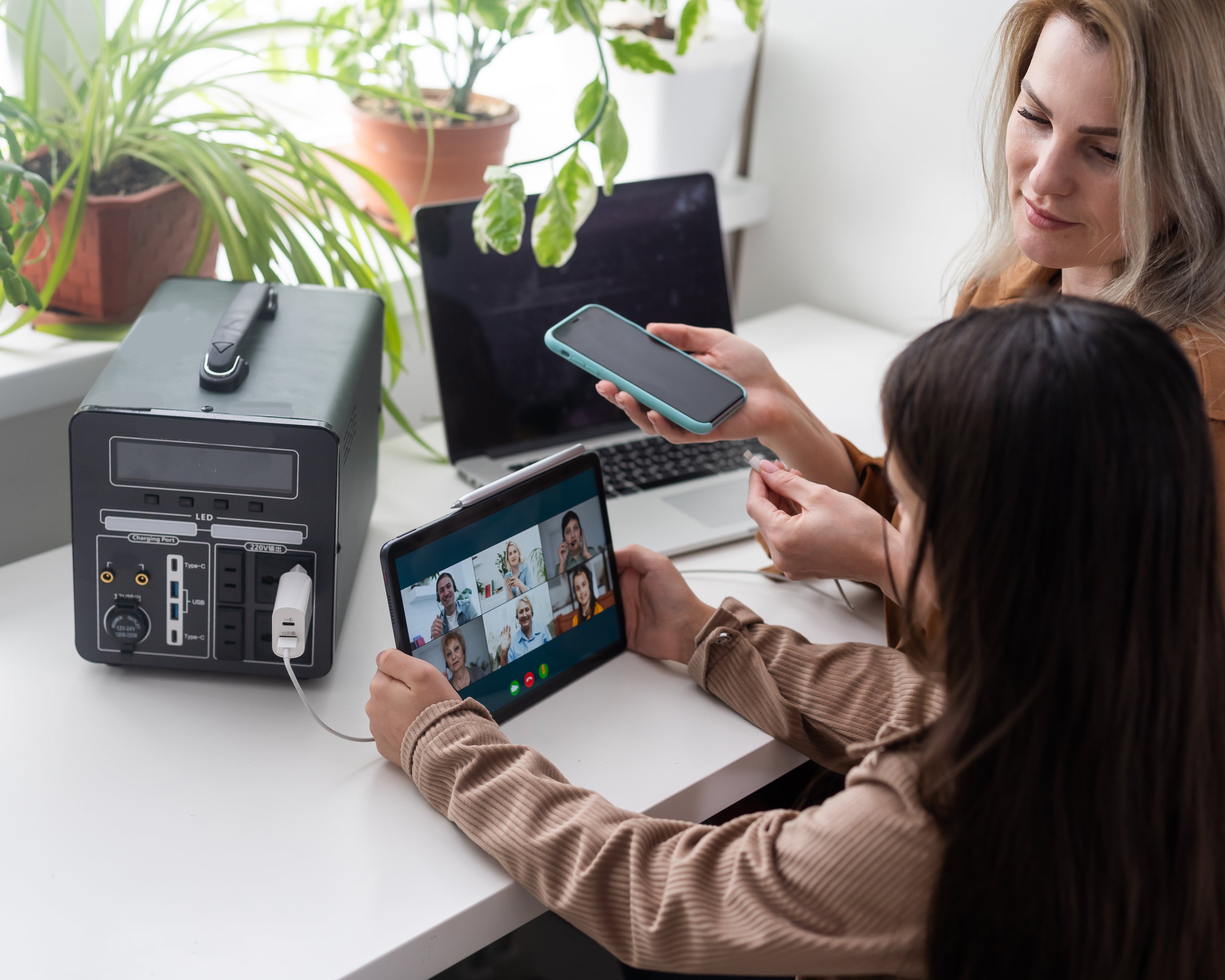
What Are EMFs
Electromagnetic fields (EMFs) are a form of energy that exists all around us; they are part of the electromagnetic spectrum, which is divided into two main categories: ionizing and non-ionizing radiation. Ionizing radiation, at the high-frequency end, has enough energy to break molecular bonds and cause cellular damage, which is a known health risk.
Emerging science suggests that even non-ionizing radiation has biological effects that disrupt cellular processes, highlighting the importance of a precautionary approach to your home environment. These fields are generated by a variety of modern technologies, both inside and outside the home.
The BioSpectral Methodology
The scientific foundation of BioSpectral is built upon extensive research into the biophysical effects of visible and invisible light on human health. Our understanding is rooted in a growing body of evidence that demonstrates how our modern, artificially lit environments and pervasive non-native EMFs disrupt fundamental biological processes, including our circadian rhythms, cellular energy production and hormonal balance.
This research spans decades and includes numerous studies that collectively reveal the critical importance of a natural light and electromagnetic environment for optimal health. Our strategies are therefore grounded in the principles of Building Biology, a science-driven approach that recognizes the profound impact of the built environment on human health. And also the understanding that our biology evolved in harmony with natural cycles of sunlight and the Earth’s electromagnetic fields. By applying this methodology, we’ve developed tailored solutions that counteract this modern disconnect, ensuring our services create living and working spaces that truly support and nourish biological systems to create a path to a healthier you.
Main Health Effects of EMF Documented in Humans
Neurological Effects
ADHD/Autism
Gene Expression
Sleep Disruption
Neuropsychiatric Effects
Cardiovascular Damage

Protecting our Children in a Wireless World
In our modern world, a child’s ability to truly thrive is deeply connected to their environment. We recognize that both man-made visible and non-visible light is everywhere, and a child’s smaller size, thinner skull and rapidly developing brain make them particularly susceptible to their negative effects. Research on the impact of EMFs and Blue Light has linked prolonged exposure to certain devastating developmental and other health issues. By proactively creating a harmonized, low-EMF space that is optimized for their health, we can provide an environment to help them grow, learn and flourish.
The Precautionary Approach
Despite the mounting evidence and warnings from hundreds of scientists, the paper asserts that regulatory agencies like the FCC and FDA have failed to protect the public. The core issue, it claims, is that these agencies adhere to outdated thermal effect limitations, which only consider studies where EMR visibly heats tissue. This loophole has allowed regulators to ignore thousands of studies that show biological effects at low, non-thermal intensities, leading to a public perception of wireless technologies as safe, even without a single study to prove that case.
Given the documented biological effects and the dramatic rise in chronic diseases that correlate with the proliferation of wireless technologies, our work is guided by the Precautionary Principle. This principle states that if an action or policy has a suspected risk of causing harm to the public or the environment, in the absence of scientific consensus that the action or policy is not harmful, the burden of proof that it is not harmful falls on those taking the action. We believe that since no single study has proven wireless technologies to be safe and mounting evidence points to potential risks, a precautionary approach is the only responsible way forward. By applying the science of Building Biology, we help our clients create spaces that proactively reduce exposure to EMFs and artificial light, ensuring long-term health and well-being.
Electromagnetic fields are an emerging public health crisis that will go down in history as one of the most important mistakes made in the name of progress.
Camilla Rees, MBA
Our Services
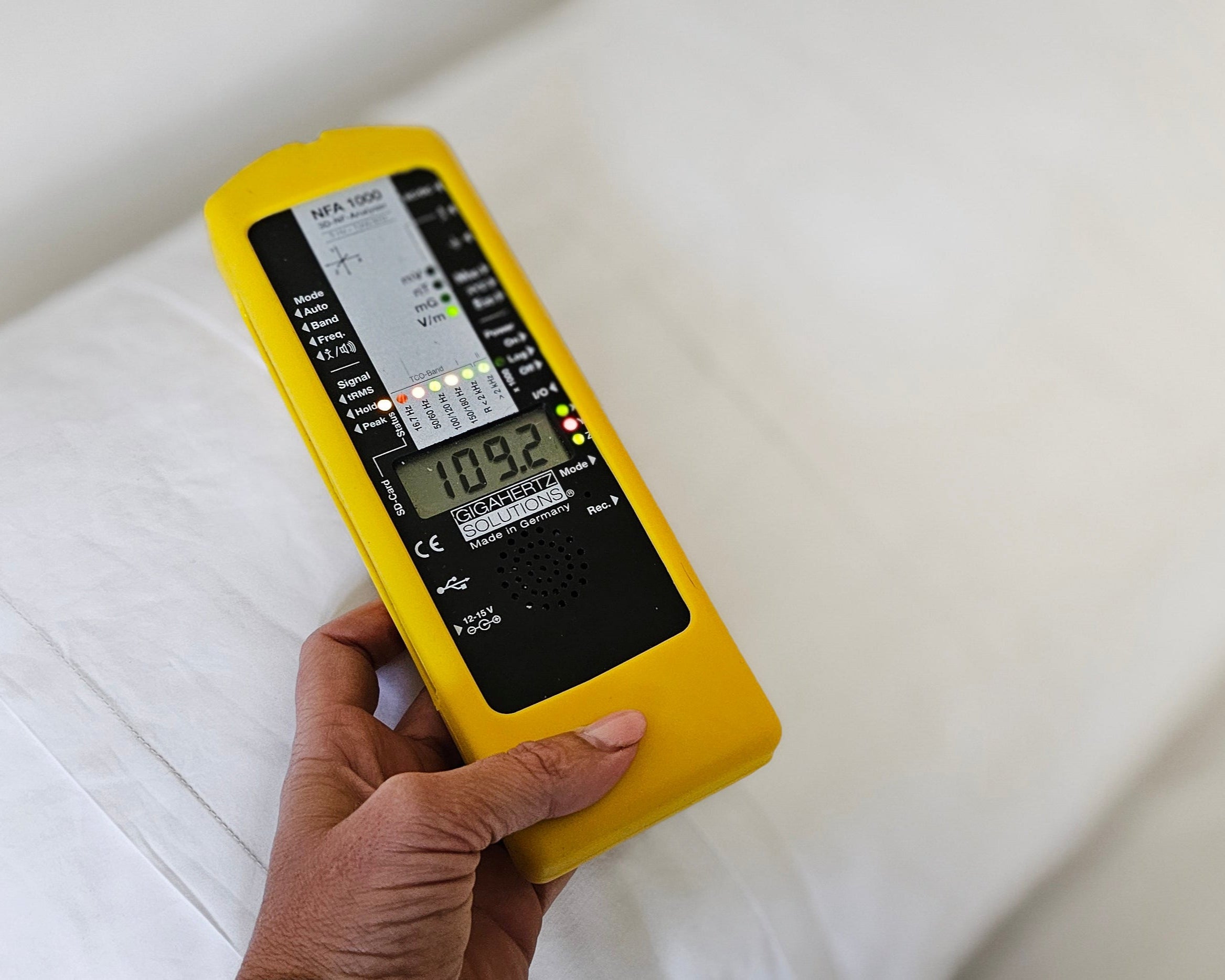
Residential & Commercial EMF Audits
Transforming your spaces into optimal environments using our expert audits, mitigation and remediation services

New Build Design & Remodelling
Integrate proactive design and mitigation strategies into your new build or renovation to create healthy sanctuaries
Your Consultants

Marco Simeoni

Sarah Hodgson
