

The NeuroPlunge series
- NeuroPlunge: the science of cold, light and the nervous system (you are here)
- The cold face circuit: cranial nerves, the dive reflex and the vagus
- Calm, alert and clear: cold, brain chemistry and hormones
- Cold, light and time: your clocks, sleep and seasons
- The Carnot engine inside you: mitochondria, brown fat, water and light
- Cold Face Plunging: A Nervous System Portal (your NeuroPlunge practice: my story and the step-by-step method)
Quick answer: NeuroPlunge is a cold face immersion practice created by Nathan Siles: about ten minutes with the face in 10 to 13°C (50 to 55°F) water, seated, breathing slowly through a snorkel. It works through the trigeminal nerve, the dive reflex and the vagus nerve, and is followed by red and infrared light, then sunlight or a green space.
Key takeaways
- NeuroPlunge is the short, sustainable form of cold thermogenesis, focused on the face, cranial nerves and brainstem.
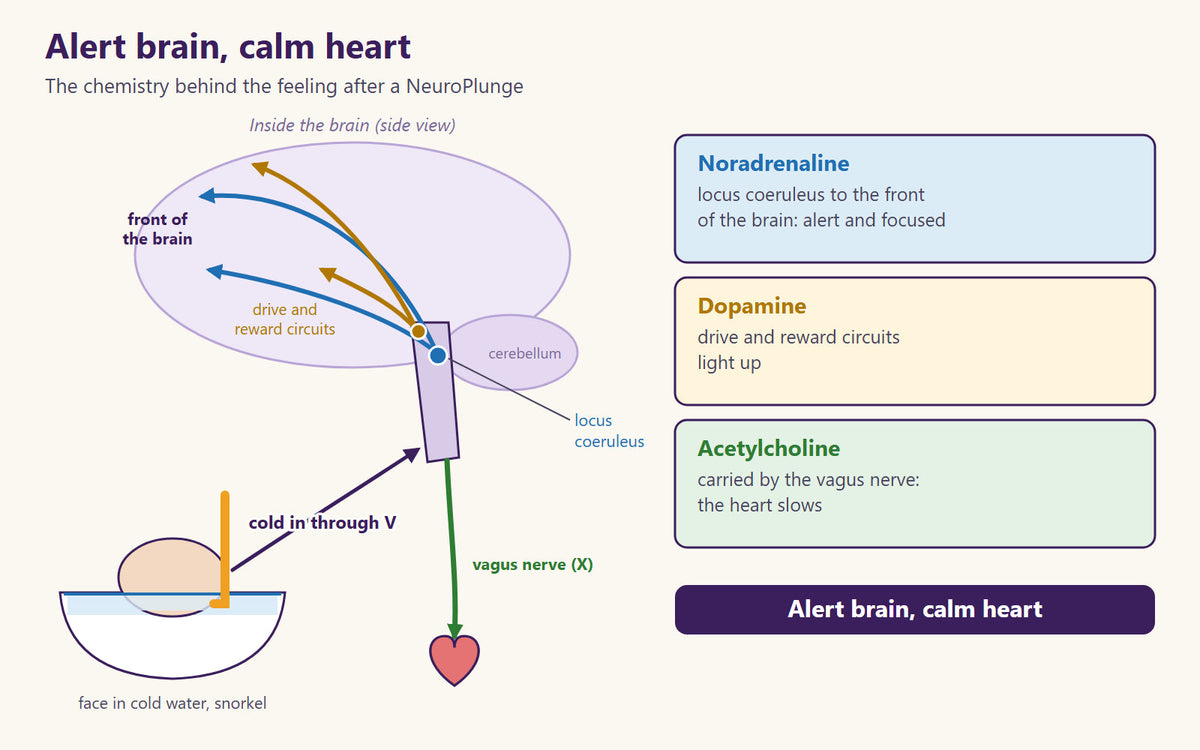
- Cold in through the trigeminal nerve, calm out through the vagus: the heart slows within seconds.
- The snorkel removes the breath-hold, so slow breathing adds a second calming signal.
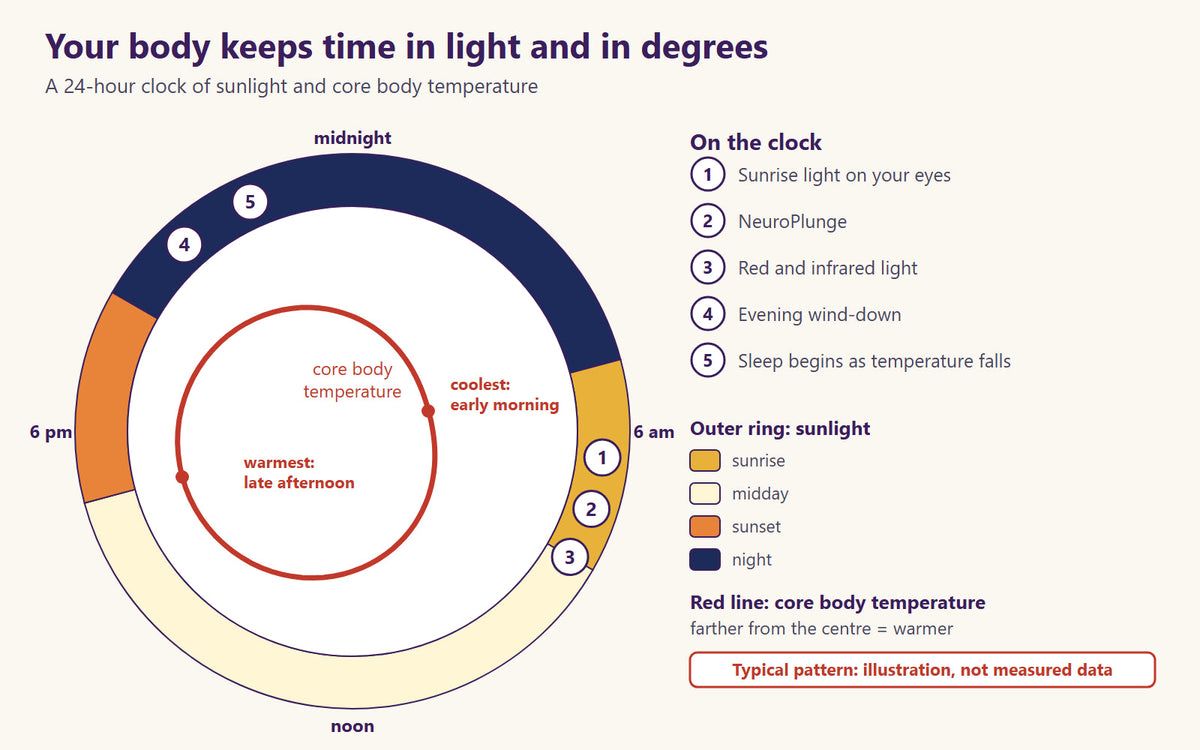
- The order matters: sunrise light, cold, then red and infrared light and sunlight.
By Nathan Siles, creator of NeuroPlunge (teaching cold face plunging since 2016). Updated 25 November 2026.

Ten minutes, a bowl of cold water, a snorkel and your face. Here is why that simple practice reaches into your cranial nerves, your hormones, your mitochondria, your sleep and your relationship with light, and why I built a practice around it.
By Nathan Siles
Why I created NeuroPlunge
I have been putting my face into cold water since 2016, and teaching other people to do it around the world ever since. It began as a personal experiment while I was rebuilding my health after my second cancer diagnosis. My research advisor at the time, Dr Jack Kruse, introduced me to the neuroscience of facial cooling and to cold thermogenesis as a whole. I became hooked, and I have never stopped.
The practice changed over those years. The first versions were breath-hold face dunks. Then a simple silicone snorkel turned a breath-holding contest into something completely different: a sustained, calm, ten-minute immersion where you breathe slowly and let the cold do its work. I refined the water temperature, the depth, the head position, the small movements that keep the cold signal fresh, and exactly what you do with light and nature afterwards. A set of habits became a method.
At the Return to Nature conference in Franklin, Tennessee, in June 2025, I launched that method as a named modality and practice: NeuroPlunge. I taught it there again in June 2026, and I teach it wherever I go. Some of the places it has been part of my teaching:
- The first BioTra Immersion, at Pete Evans' property, August 2023
- GenBiome Next Practice in the Snowy Mountains: Crackenback in 2023 and Jindabyne in 2024
- BioTra retreats in the Solomon Islands, November 2024 and November 2025
- Return to Nature, Franklin, Tennessee: the NeuroPlunge launch in June 2025, and again in June 2026
- BioTra Immersion Mexico, Soliman Bay, Tulum, 2026
It is also part of my courses, and of almost every talk I give on light, water and cold.

I want to be precise about what I am claiming. I did not invent the dive reflex; every mammal carries it, and physiologists have studied it for decades. Cold thermogenesis is not mine either, and nor is the leptin-melanocortin pathway. What I created is NeuroPlunge: a specific, repeatable, low-resource way of delivering cold to the most neurologically connected surface of the body, built on that science, tested on myself first, refined through years of practice and teaching, and deliberately paired with light, water and nature.

Why it is called NeuroPlunge
The name says what the practice does: it plunges the nervous system into a clear, strong signal and leaves it more sensitive afterwards.
A sensitised nervous system is not an anxious one. It is a nervous system that hears its signals clearly and responds to them precisely. Your neurons, and the receptors they carry, adjust their sensitivity to the signals they receive. Constant comfort turns the volume down. Modern life gives us a flat, unchanging thermal world, steady artificial light and constant low-level stress, and our sensors respond by becoming dull. Hormone receptors lose sensitivity, the brakes on the heart weaken, and the switch between "go" and "rest" gets sticky.
A NeuroPlunge does the opposite. It delivers a short, intense, natural signal through the cranial nerves, and the nervous system answers with a precise, coordinated response: the heart slows, the brain sharpens, blood moves to where it matters, and the vagus nerve gets a workout. Repeat that daily and you train responsiveness. You become better at switching on when you need to and switching off when you can. That is what I mean by sensitising the neurons: a nervous system that is awake to its environment again, and that can capture and use the signals of nature, especially light, more efficiently.
The short form of cold thermogenesis
Cold thermogenesis is the body's production of heat in response to cold, and deliberate cold exposure is one of the most powerful environmental tools we have. The problem is that the full-body versions, ice baths, cold tubs, winter lakes, are demanding. They need equipment, time, recovery and a lot of motivation. Most people do not sustain them.
NeuroPlunge is the sustainable, at-home, low-resource, high-impact form of cold thermogenesis. A bowl, cold water, a tray of ice and a snorkel. No chiller, no tub, no wet clothes. It travels in a suitcase. And because the face is where cold talks most directly to the brain, it gives you a remarkable return for ten minutes.

Ten minutes is the minimum. The first minute triggers the dive reflex. The middle minutes are where breathing slows and the parasympathetic shift deepens. The final minutes are where the thermal load on the tissues builds. Shorter sessions are fine while you adapt, but the full practice is ten minutes.
The optimal water temperature is about 10 to 13°C (50 to 55°F). This range comes from the cold thermogenesis literature I learned from, including the protocol Dr Kruse published, which targets skin at 50 to 55°F and always starts with the face. My own sweet spot is about 10°C (50°F). Colder is not automatically better: I have experimented down to about 2°C, and the returns diminish while the discomfort rises. The skin should stay pink. If your face turns white or waxy, the water is colder than you need.
The proof is in full-body cold
Before I explain the face, it is worth seeing how powerful the underlying biophysics is when the whole body is involved.
Dr Kruse documented losing well over 100 pounds by combining a leptin-focused diet with deep, full-body cold thermogenesis, and he described sweeping changes in his hormones, sleep and recovery. My own first winter of full-body cold adaptation gave me exceptional sleep, rapid fat loss, and what felt like a dramatic lift in drive and vitality. At my most adapted I spent around 45 minutes in 8°C ocean water and came out pink and warm. I also learned my limits the hard way, with burst capillaries in my feet from too many long sessions without rewarming my extremities.
The research backs up the scale of what cold can do. In 2009 two landmark papers confirmed that adult humans carry active brown fat, the mitochondria-packed tissue that burns fuel as heat, and that cold switches it on. Ten days of daily mild cold increases brown fat activity and heat production. Experienced winter swimmers show a fundamentally different thermal profile. An hour in 14°C water raises blood noradrenaline by about 530% and dopamine by about 250%.
That is the engine. NeuroPlunge is how I bring that engine into daily life in a form people actually sustain. It is a smaller thermal load than a full ice bath, and I am honest about that: its main strength is the nervous system. It is also the first stage of cold adaptation. In my protocol, two weeks of daily face work come before any body cooling.
The face: a sensory map wired straight to the brainstem
Your skin is covered in temperature sensors. The cold sensors rely heavily on an ion channel called TRPM8, which opens as temperature falls and turns cold into an electrical signal. It is the same receptor that makes menthol feel cold, and its discovery in 2002 explained cold sensing at the molecular level.
The face is the densest sensory surface of the body, and nearly all of it belongs to one nerve: the trigeminal nerve, cranial nerve V. Its sensory cell bodies sit together in the trigeminal ganglion, in a small fluid-filled pocket at the base of the skull called Meckel's cave. From there three branches fan out:
- V1, ophthalmic: forehead, upper eyelids, the surface of the eye and the bridge of the nose.
- V2, maxillary: cheeks, lower eyelids, the sides of the nose and the upper lip.
- V3, mandibular: lower lip, chin, jaw and the front of the ear.
A NeuroPlunge cools all three territories at once, right up to the ear line. That is why it feels so different from putting your hand in the same water. Your hand reports cold. Your face reports cold and the possibility that you are underwater, and the brainstem treats that as important.

The cranial nerve circuit: cold in through V, calm out through X
The trigeminal signal travels into the brainstem and relays in the trigeminal sensory nuclei, especially the long spinal trigeminal nucleus. Research on the diving response points to a nearby relay zone, the paratrigeminal and medullary dorsal horn regions, as the junction where facial cold is handed on to the circuits that run breathing and the heart.
From there the signal reaches the medulla's autonomic command centres:
- The nucleus of the solitary tract (NTS), the brainstem's main listening post for the body, fed largely by the glossopharyngeal (IX) and vagus (X) nerves.
- The nucleus ambiguus, home to the fast vagal neurons that slow the heart beat by beat.
- The dorsal motor nucleus of the vagus, a steadier vagal output centre serving the heart and the organs below the diaphragm.
- The sympathetic control regions of the ventrolateral medulla, which narrow the blood vessels of the skin and limbs.
The vagus nerve then releases acetylcholine onto the heart's pacemaker and the heart slows. At the same time, sympathetic nerves tighten the small vessels of the skin and limbs, keeping blood in the core for the brain, heart and lungs. The glossopharyngeal nerve feeds back blood pressure information from the carotid sinus. The facial nerve (VII), which runs the muscles of expression and the tear and salivary glands, takes part too: faces soften, jaws unclench, and many people notice watering eyes afterwards. The nerves around the eyes, including the oculomotor nerve (III), sit right beside this circuitry, and cold or pressure around the eyes can trigger the oculocardiac reflex, a close relative of the dive reflex.
Physiologists call these trigeminal-to-vagal responses the trigeminocardiac reflex, and the dive reflex is its best-known form. Neurologists have used the circuit as a diagnostic tool since 1980: the "cold face test" applies cold to the forehead to check that the trigeminal, brainstem and vagal pathway works. NeuroPlunge turns that test into a training practice.

The dive reflex: an ancient survival program
The physiologist Per Scholander called the diving response "the master switch of life". Seals, whales, otters and newborn humans all show it. When the face meets cold water, the body shifts into an oxygen-saving mode: the heart slows, blood is pulled to the core, and in a breath-hold the spleen can release extra red blood cells.
Three findings matter most for NeuroPlunge:
- Cold makes it stronger. In classic face-immersion studies, colder water produced a larger fall in heart rate. Temperature is part of the signal.
- You do not need to hold your breath. Breath-holding deepens the reflex, but cold water on the face alone activates cardiac parasympathetic activity. A 2006 study measured exactly this.
- It reliably raises vagal activity. A 2023 systematic review and meta-analysis found consistent increases in cardiac vagal markers during facial cold and immersion.
The snorkel and the parasympathetic portal
The snorkel is the key refinement. Instead of fighting a breath-hold, you relax into the cold. Within the first minute I feel calm. After about three minutes my breathing slows to around five breaths a minute, and by ten minutes I can sometimes settle at about three. That is my experience, not a target, but I see the same pattern again and again when I teach.
The physiology explains why. Every breath in eases the vagal brake on the heart slightly, and every breath out reapplies it. This is respiratory sinus arrhythmia, a large part of what heart rate variability (HRV) measures. Slow breathing, around six breaths a minute or below, makes those waves bigger and pulls heart rate, blood pressure and breathing into step, strengthening the baroreflex. So a NeuroPlunge stacks two strong vagal signals: the cold-driven dive reflex through the face, and the breath-driven rhythm through the lungs. I call it a parasympathetic portal.
It is not only calming. High in the brainstem, a tiny cluster called the locus coeruleus supplies noradrenaline to almost the whole brain and responds strongly to sudden sensory input such as cold. While the vagus slows the heart, the brain sharpens. Physiologists call this autonomic co-activation, both branches switched on at once. In a gentle, breathing face immersion it shows up as something people treasure: a calm body with a wide-awake, focused mind. Sports scientists have even used cold-water face immersion to speed parasympathetic recovery after hard exercise.
Temperature is information: thermoregulation and your clocks
We usually think of temperature as comfort. Biologically, it is information. The hypothalamus reads temperature signals from the skin and the blood and adjusts heat production, blood flow, appetite, hormones and behaviour. Temperature also talks directly to the body's clocks: research has shown that temperature changes can reset mammalian circadian oscillators, alongside light.
This matters because modern life has removed the signal. We live, work, drive and sleep inside a few comfortable degrees. Studies of young city residents show that heated homes, clothing and cars can be so effective that people develop no physiological winter adaptation at all.
One of the ideas I took most from Dr Kruse's work is that mammals run two seasonal metabolic programs on a continuum: a warm, light-driven program built for summer abundance, carbohydrates and growth, and a cold-driven program built for winter, fat-burning, repair and efficiency. In his model, chronic cold shifts the master clock in the hypothalamus to lean more on temperature than light. Modern humans run the summer program all year round. I teach this as a model rather than settled science, but it explains why a daily cold signal can feel so restorative: it reopens a program our biology expects and our lifestyle never asks for.
Leptin, the melanocortin pathway and melanogenesis
Leptin is the hormone your fat cells release to tell your brain how much energy you have in storage. Jeffrey Friedman's laboratory cloned the leptin gene in 1994, and leptin acts on the hypothalamus through the melanocortin system: neurons that make pro-opiomelanocortin (POMC), which is cut into signalling peptides including alpha-melanocyte-stimulating hormone (alpha-MSH) and ACTH. This pathway helps regulate appetite, energy expenditure, thyroid output, fertility and pigment.
The same POMC and alpha-MSH system builds melanin in the skin. When UV light reaches the skin, p53 switches on POMC in skin cells, alpha-MSH binds the MC1R receptor on melanocytes, and melanin production rises. That is the biology of the suntan, published in 2007.
The idea I learned from Dr Kruse, and teach as my own working model, connects these pieces to cold. In this model, cold lowers stored leptin and raises leptin receptor sensitivity, quietens the hunger signals that drive carbohydrate craving, and raises alpha-MSH, supporting pigmentation, steadier adrenal output and immune resilience through the lean season. Cold is also a well-established trigger for the hypothalamus to release TRH and raise thyroid activity. The practical message for me is leptin sensitivity: a body that hears its own energy signals clearly, which is exactly what NeuroPlunge is designed to train.
Mitochondria, Carnot and the human heat engine
In 1824 the French engineer Sadi Carnot showed that the work an engine can extract depends on the temperature difference between its hot and cold sides. I think of mitochondria the same way. They run hot: a 2018 study found that mitochondria are physiologically maintained at close to 50°C, well above body temperature. In my model, cooling the surfaces of the body widens that gradient and asks the mitochondrial engine to work more efficiently.
When cold demands heat, mitochondria in brown fat use the protein UCP1 to let protons leak back across the inner membrane without passing through ATP synthase, releasing the energy as heat. The master regulator of mitochondrial building, PGC-1alpha, was discovered precisely because cold switched it on in brown fat. Cold also shifts fuel use toward fat, and burning fat feeds fewer electrons into complex I of the electron transport chain than burning glucose, which in Kruse's and my model means less oxidative stress per unit of energy.
Living tissue also gives off an extremely faint light known as ultraweak photon emission, or biophotons, largely from oxidative chemistry in and around mitochondria. This is a real, measurable field of research. In my framework, cold changes the conditions of that internal light economy, and the infrared released as heat structures the water inside our cells. These are ideas I teach as my model, clearly labelled, not settled science.

Sleep, torpor and the cold-adapted brain
Falling asleep requires your core temperature to drop. Research shows that warm hands and feet, which dump heat from the core, predict how quickly people fall asleep, and that the brain's sleep circuits are tightly bound to thermoregulation. When I became cold-adapted, my sleep was the first thing to change, and it is the first change most people notice.
Nature's most extreme version of this is torpor and hibernation, where mammals lower their metabolic rate and body temperature dramatically to survive scarcity. We do not hibernate, but the cold-adapted state borrows from the same toolkit. In animal research, cooling increases a "cold-shock" protein called RBM3 that helped protect and restore connections between neurons in models of neurodegeneration. That work was done in mice under far deeper cooling than a face plunge, so I hold it as a fascinating direction rather than a proven human effect.
In Dr Kruse's model, cold and darkness were life's original conditions, and sleep is when the body does its deepest repair and recycling. I agree with that framing, and it is why I pair cold with dark, screen-free evenings and sunrise light.
Magnetism and cryptochrome
Cryptochromes are light-sensitive proteins that sit at the centre of the body's clock: in mammals, cryptochrome 1 and 2 are essential parts of the feedback loop that keeps circadian time. In birds, a cryptochrome in the retina is the leading candidate for the magnetic compass, and in 2021 researchers showed that cryptochrome 4 from a migratory songbird is magnetically sensitive.
So light, clocks and magnetism already meet in one family of proteins. In my framework, temperature joins them: I believe cold and a strong natural magnetic environment change how efficiently our biology captures and uses energy, and that is one reason I like to NeuroPlunge outdoors with bare feet on the ground. I teach this as my model, and I find it one of the most exciting frontiers in the whole subject.
Light, water and cold: why the order matters
Everything I teach comes back to three environmental inputs: light, water and magnetism. NeuroPlunge is how I bring cold water into the picture, and it is never meant to stand alone.
Step 1: Cold. The face plunge sharpens the nervous system, pulls blood to the core and challenges the mitochondria.
Step 2: Red and infrared light. Afterwards I sit under broadband red and infrared light for about ten minutes, once or twice a day. Red and near-infrared light is absorbed by cytochrome c oxidase in the mitochondria, and research on photobiomodulation shows it can support energy production and release nitric oxide, which widens blood vessels. After cold has pulled blood inward, red and infrared light welcomes it back out.
Step 3: Sunlight or a green space. Then I go outside, ideally at sunrise, with bare feet on grass or soil. Time in green spaces is linked in a large meta-analysis to lower cortisol, lower heart rate and better health. In my model, the cold that came first sensitises the body to capture more energy from that light, which I call raising the Biological Energy Capture Rate (BECR).

How to do a NeuroPlunge
What you need
- A clean, stable bowl or bucket of about 10 litres (around 2.6 US gallons)
- Cold water and a tray or two of ice
- A thermometer
- A silicone mouth snorkel
- A towel, and a table or bench at a comfortable height so you can sit
- Optional: a red and infrared light source, and somewhere outside to finish
The method
- Prepare. Don't plunge on an empty stomach; a protein and fat-rich meal an hour or so before suits most people. A glass of cold water beforehand helps.
- Set up seated. Put the bowl on a stable surface and sit so you can lean forward without straining your neck. Never NeuroPlunge standing up.
- Get the temperature right. Start cool but comfortable, then add ice over the following sessions until you can relax at 10 to 13°C (50 to 55°F).
- Snorkel in, eyes closed. Put the mouthpiece in, close your eyes and take a couple of easy breaths.
- Lower your face to the ear line. Cover the forehead, eyes, cheeks, lips and jaw. Keep water out of your ears and nose.
- Breathe slowly and naturally. Do not hyperventilate first and do not hold your breath. Let each breath lengthen by itself.
- Move gently. About every ten seconds, rock your face slightly from side to side to refresh the cold water against your skin.
- Stay for at least ten minutes. Even as a beginner, the real benefits build after the five-minute mark; if it feels too cold to last, use warmer water rather than a shorter session. Come up whenever you need to.
- Finish with light and nature. Dry off, sit under red and infrared light for about ten minutes, then head outside.
How often: I do it three to five times a week. Once or twice a day is fine when you are adapted, and a short NeuroPlunge is one of the fastest resets I know on a stressful day.
Practising safely
- Always sit, and keep it in a bowl. Never practise face immersion in a bath, pool or open water, and never practise breath-holds alone.
- Use the snorkel and keep breathing. Long breath-holds add a second, much larger stress on top of the cold.
- Brain freeze means too cold for now. Lift your face, rest and warm the water slightly before you continue.
- Your skin should stay pink. If your face goes white, waxy or numb, finish the session and warm up.
- Stop straight away if you feel dizzy, light-headed, confused, short of breath or unusually unwell, or notice chest pain, palpitations or a skipped-beat feeling.
- If your heart or autonomic system needs extra care, for example a known heart rhythm condition, a slow resting heart rate, a history of fainting or very low blood pressure, start with cool rather than cold water, keep sessions very short and have someone with you while you learn how your body responds.
- Sit for a minute afterwards before standing, driving or doing anything that needs full balance.
Go slowly. Cold adaptation is something you build, not something you conquer.
From the face to full cold adaptation
For many people NeuroPlunge is the whole practice, and that is perfectly fine. For others it is the doorway. My progression goes: face first, then targeted body cooling with ice packs or a vest, then cold baths and tubs, and finally natural cold in oceans, lakes, springs and rivers. My Cold Adaption Protocol walks through those stages.
Where this series goes next
This article is the map. Four deep dives go further, each owning its own ground: the cold face circuit (the cranial nerves, the dive reflex, the vagus and your breath); brain chemistry and hormones (noradrenaline, dopamine, leptin, the melanocortin pathway and thyroid); cold, light and time (your clocks, sleep, torpor and magnetism); and the Carnot engine inside you (mitochondria, brown fat, water and light). The last piece brings it all home: my story, the step-by-step method and the path from your face to full cold adaptation.
Where the cold meets the light
When I teach NeuroPlunge, I watch the same thing happen again and again. People arrive nervous, some convinced they hate the cold. They pick up a cheap silicone snorkel, lower their face into a bowl of water, and within a minute their shoulders drop and their breathing slows. When they come up, the first thing many of them say is that they are going home to buy a bucket and a snorkel.
That is what I wanted NeuroPlunge to be: simple enough for anyone, grounded in the cranial nerves, the brainstem and the biophysics of the cell, and connected to the bigger picture of light, water and nature. Cold water on your face. A slow breath. Then step outside into the sun.

Nathan Siles is the creator of NeuroPlunge and co-founder of BioSpectral Systems. He teaches the biophysics of light, water and cold at retreats, conferences and courses around the world.
What people say about NeuroPlunge
These are people I have taught NeuroPlunge to, sharing in their own words what it has meant for them. Each one has kindly given permission to be featured here.

"Nathan introduced me to head dunking 6 years ago. It’s become a staple practice in my health, training and recovery. I use it before every somabag session, BioTra practice and often if I feel anything less than 100% dialled in."
Dr Nicholas Dawe, Chiropractor (Masters in Chiropractic), pHClinic, Northern Beaches, Sydney

"I first learned about NeuroPlunge from the great man Nathan Siles reading his book BioTra in late 2025. I added this practice into my daily practice heavily in 2026 and have experienced profound benefits. My face looks and feels ten years younger. I’m forever grateful to Nathan for this teaching especially I cannot recommend it enough."
Alex Moore, Professional Golf Coach
7.83 Golf (783golf.com) · Golf coaching with Alex · @decentralizedgolfnetwork

"I first heard about NeuroPlunge from my friend who was on a retreat with Nathan. Then I was able to meet with Nathan to hear a little more about the science: how the trigeminal branches signal the brainstem, which switches on the vagus nerve and the parasympathetic nervous system and calms you down."
Nick Redd, co-founder of The Freedom Group

"About a year ago, after reading the BioTra book, I had a conversation with Nathan about cold. He shared the NeuroPlunge with me — face in cold water with a snorkel. I’ve been doing it off and on ever since. The clarity you get afterwards is immediate. It’s one of the simplest and most effective things I’ve added to my morning."
Marcus Thim, Performance Coach (20+ years), 7.83 Golf · Skills for Life
Individual experiences, shared in their own words.
NeuroPlunge on Instagram
Pair your NeuroPlunge with light
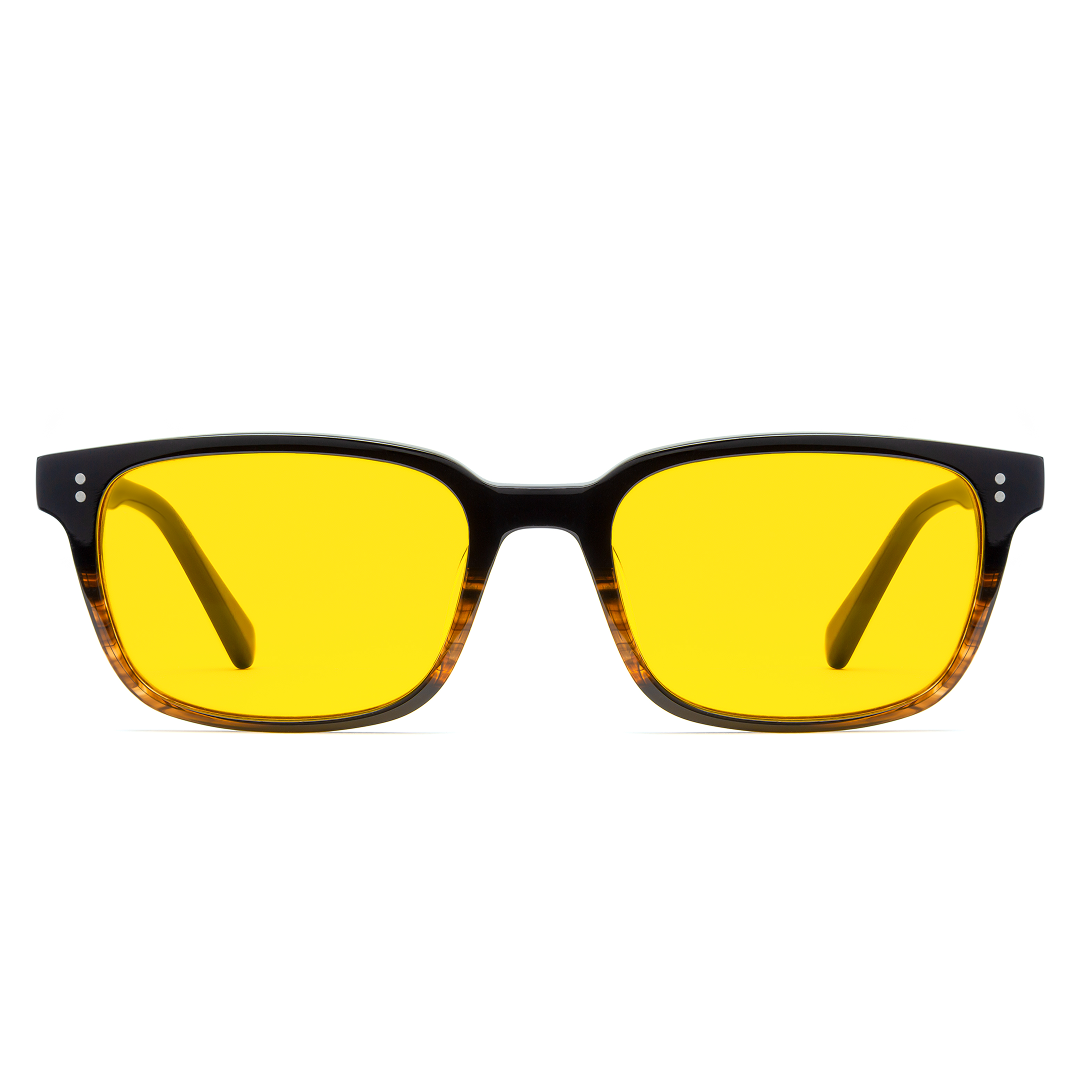
- Before: sunrise on your eyes and skin. Indoors on the way out, Day lenses such as Davy (Day) keep artificial light in check while letting you see clearly.
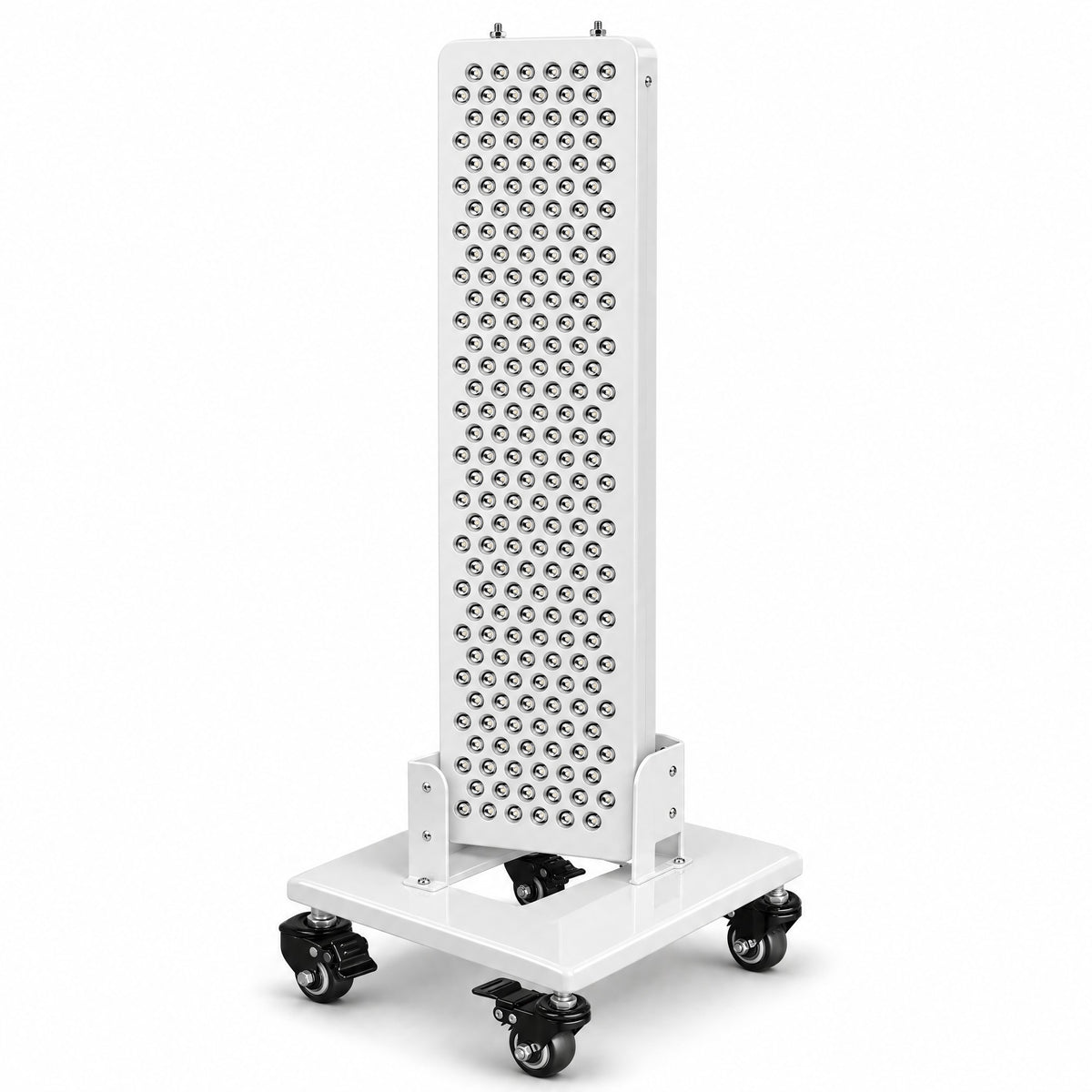
- After: red and near-infrared light, from the sun or a panel such as the BioSpectral Red + Near-Infrared PBM Panel (216 LED) or the compact 72 LED panel.
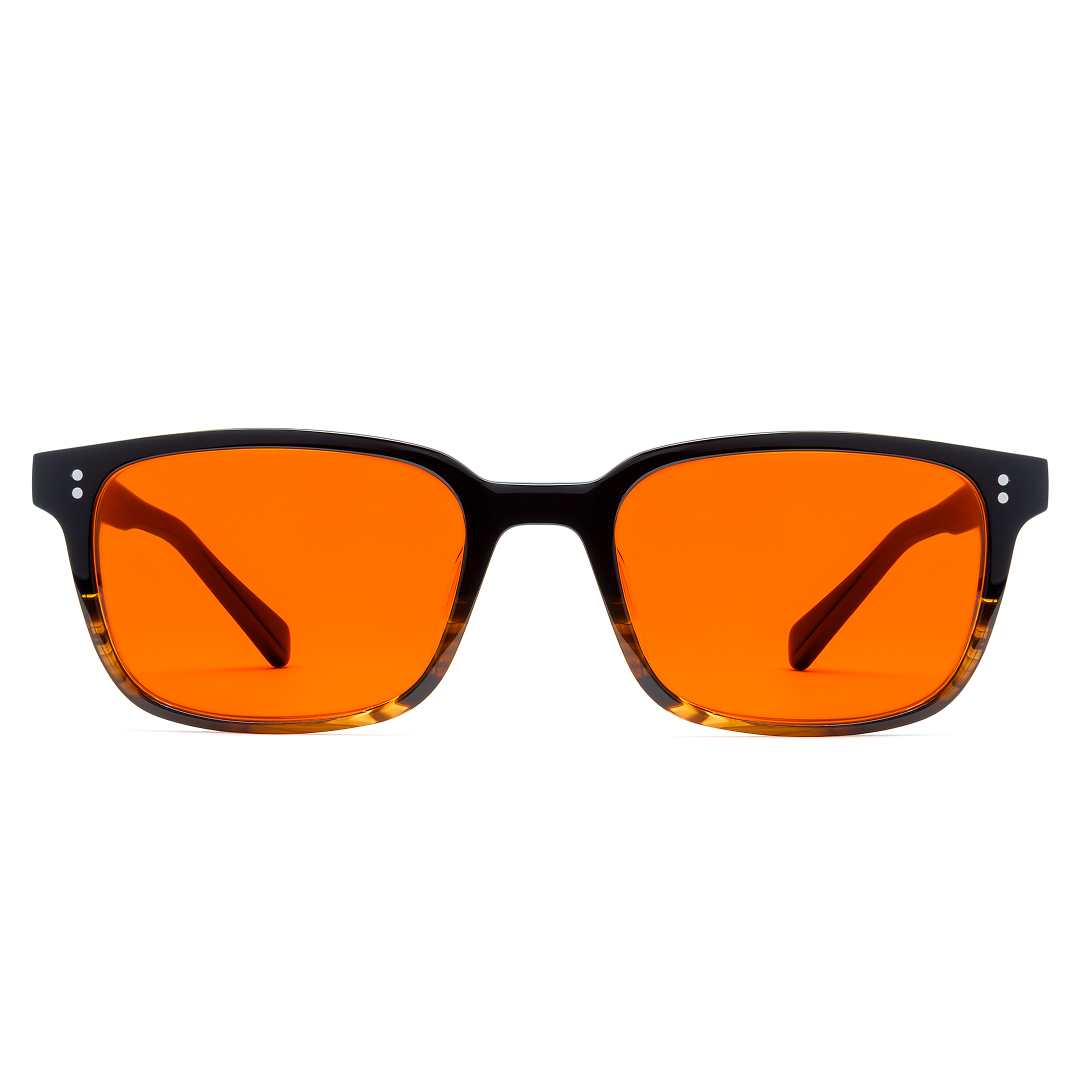
- Evening: Night lenses such as Davy (Night) and a warm Glow Lamp help keep the evening dark for deep, cool sleep.
Related reading
Research references and further reading
- Ackermann, S. P., et al. (2023). The diving response and cardiac vagal activity: A systematic review and meta-analysis. Psychophysiology, 60. https://doi.org/10.1111/psyp.14183
- Al Haddad, H., Laursen, P. B., Ahmaidi, S., & Buchheit, M. (2010). Influence of cold water face immersion on post-exercise parasympathetic reactivation. European Journal of Applied Physiology, 108, 599–606. https://doi.org/10.1007/s00421-009-1253-9
- Andresen, M. C., & Kunze, D. L. (1994). Nucleus tractus solitarius: Gateway to neural circulatory control. Annual Review of Physiology, 56, 93–116. https://doi.org/10.1146/annurev.ph.56.030194.000521
- Buhr, E. D., Yoo, S.-H., & Takahashi, J. S. (2010). Temperature as a universal resetting cue for mammalian circadian oscillators. Science, 330, 379–385. https://doi.org/10.1126/science.1195262
- Carnot, S. (1824). Réflexions sur la puissance motrice du feu [Reflections on the motive power of fire]. Paris: Bachelier.
- Chrétien, D., et al. (2018). Mitochondria are physiologically maintained at close to 50 °C. PLOS Biology, 16, e2003992. https://doi.org/10.1371/journal.pbio.2003992
- Cifra, M., & Pospíšil, P. (2014). Ultra-weak photon emission from biological samples: Definition, mechanisms, properties, detection and applications. Journal of Photochemistry and Photobiology B: Biology, 139, 2–10. https://doi.org/10.1016/j.jphotobiol.2014.02.009
- Cone, R. D. (2005). Anatomy and regulation of the central melanocortin system. Nature Neuroscience, 8, 571–578. https://doi.org/10.1038/nn1455
- Cui, R., et al. (2007). Central role of p53 in the suntan response and pathologic hyperpigmentation. Cell, 128, 853–864. https://doi.org/10.1016/j.cell.2006.12.045
- Cypess, A. M., et al. (2009). Identification and importance of brown adipose tissue in adult humans. New England Journal of Medicine, 360, 1509–1517. https://doi.org/10.1056/NEJMoa0810780
- Foster, G. E., & Sheel, A. W. (2005). The human diving response, its function, and its control. Scandinavian Journal of Medicine & Science in Sports, 15, 3–12. https://doi.org/10.1111/j.1600-0838.2005.00440.x
- Geiser, F. (2004). Metabolic rate and body temperature reduction during hibernation and daily torpor. Annual Review of Physiology, 66, 239–274. https://doi.org/10.1146/annurev.physiol.66.032102.115105
- Gourine, A. V., Machhada, A., Trapp, S., & Spyer, K. M. (2016). Cardiac vagal preganglionic neurones: An update. Autonomic Neuroscience, 199, 24–28. https://doi.org/10.1016/j.autneu.2016.06.003
- Hamblin, M. R. (2016). Shining light on the head: Photobiomodulation for brain disorders. BBA Clinical, 6, 113–124. https://doi.org/10.1016/j.bbacli.2016.09.002
- Harding, E. C., Franks, N. P., & Wisden, W. (2019). The temperature dependence of sleep. Frontiers in Neuroscience, 13, 336. https://doi.org/10.3389/fnins.2019.00336
- Karu, T. (1999). Primary and secondary mechanisms of action of visible to near-IR radiation on cells. Journal of Photochemistry and Photobiology B: Biology, 49, 1–17. https://doi.org/10.1016/S1011-1344(98)00219-X
- Kawakami, Y., Natelson, B. H., & DuBois, A. B. (1967). Cardiovascular effects of face immersion and factors affecting diving reflex in man. Journal of Applied Physiology, 23, 964–970. https://doi.org/10.1152/jappl.1967.23.6.964
- Khurana, R. K., Watabiki, S., Hebel, J. R., Toro, R., & Nelson, E. (1980). Cold face test in the assessment of trigeminal-brainstem-vagal function in humans. Annals of Neurology, 7, 144–149. https://doi.org/10.1002/ana.410070209
- Kinoshita, T., Nagata, S., Baba, R., Kohmoto, T., & Iwagaki, S. (2006). Cold-water face immersion per se elicits cardiac parasympathetic activity. Circulation Journal, 70, 773–776. https://doi.org/10.1253/circj.70.773
- Kräuchi, K., Cajochen, C., Werth, E., & Wirz-Justice, A. (1999). Warm feet promote the rapid onset of sleep. Nature, 401, 36–37. https://doi.org/10.1038/43366
- Kume, K., et al. (1999). mCRY1 and mCRY2 are essential components of the negative limb of the circadian clock feedback loop. Cell, 98, 193–205. https://doi.org/10.1016/S0092-8674(00)81014-4
- McKemy, D. D., Neuhausser, W. M., & Julius, D. (2002). Identification of a cold receptor reveals a general role for TRP channels in thermosensation. Nature, 416, 52–58. https://doi.org/10.1038/nature719
- Meuwly, C., et al. (2017). Definition and diagnosis of the trigeminocardiac reflex: A grounded theory approach for an update. Frontiers in Neurology, 8, 533. https://doi.org/10.3389/fneur.2017.00533
- Panneton, W. M. (2013). The mammalian diving response: An enigmatic reflex to preserve life? Physiology, 28, 284–297. https://doi.org/10.1152/physiol.00020.2013
- Panneton, W. M., & Gan, Q. (2020). The mammalian diving response: Inroads to its neural control. Frontiers in Neuroscience, 14, 524. https://doi.org/10.3389/fnins.2020.00524
- Peretti, D., et al. (2015). RBM3 mediates structural plasticity and protective effects of cooling in neurodegeneration. Nature, 518, 236–239. https://doi.org/10.1038/nature14142
- Puigserver, P., et al. (1998). A cold-inducible coactivator of nuclear receptors linked to adaptive thermogenesis. Cell, 92, 829–839. https://doi.org/10.1016/S0092-8674(00)81410-5
- Ritz, T., Adem, S., & Schulten, K. (2000). A model for photoreceptor-based magnetoreception in birds. Biophysical Journal, 78, 707–718. https://doi.org/10.1016/S0006-3495(00)76629-X
- Russo, M. A., Santarelli, D. M., & O'Rourke, D. (2017). The physiological effects of slow breathing in the healthy human. Breathe, 13, 298–309. https://doi.org/10.1183/20734735.009817
- Samuels, E. R., & Szabadi, E. (2008). Functional neuroanatomy of the noradrenergic locus coeruleus: Its roles in the regulation of arousal and autonomic function. Current Neuropharmacology, 6, 235–253. https://doi.org/10.2174/157015908785777229
- Scholander, P. F. (1963). The master switch of life. Scientific American, 209, 92–106. https://doi.org/10.1038/scientificamerican1263-92
- Shattock, M. J., & Tipton, M. J. (2012). "Autonomic conflict": A different way to die during cold water immersion? Journal of Physiology, 590, 3219–3230. https://doi.org/10.1113/jphysiol.2012.229864
- Søberg, S., et al. (2021). Altered brown fat thermoregulation and enhanced cold-induced thermogenesis in young, healthy, winter-swimming men. Cell Reports Medicine, 2, 100408. https://doi.org/10.1016/j.xcrm.2021.100408
- Šrámek, P., Šimečková, M., Janský, L., Šavlíková, J., & Vybíral, S. (2000). Human physiological responses to immersion into water of different temperatures. European Journal of Applied Physiology, 81, 436–442. https://doi.org/10.1007/s004210050065
- Twohig-Bennett, C., & Jones, A. (2018). The health benefits of the great outdoors: A systematic review and meta-analysis of greenspace exposure and health outcomes. Environmental Research, 166, 628–637. https://doi.org/10.1016/j.envres.2018.06.030
- van der Lans, A. A. J. J., et al. (2013). Cold acclimation recruits human brown fat and increases nonshivering thermogenesis. Journal of Clinical Investigation, 123, 3395–3403. https://doi.org/10.1172/JCI68993
- van Marken Lichtenbelt, W. D., et al. (2009). Cold-activated brown adipose tissue in healthy men. New England Journal of Medicine, 360, 1500–1508. https://doi.org/10.1056/NEJMoa0808718
- Xu, J., et al. (2021). Magnetic sensitivity of cryptochrome 4 from a migratory songbird. Nature, 594, 535–540. https://doi.org/10.1038/s41586-021-03618-9
- Zhang, Y., et al. (1994). Positional cloning of the mouse obese gene and its human homologue. Nature, 372, 425–432. https://doi.org/10.1038/372425a0


Disclaimer
The information on this site is provided by BioSpectral Systems for educational and informational purposes only. It is not intended to diagnose, treat, cure, or prevent any disease and has not been evaluated by the U.S. Food and Drug Administration or any other regulatory authority. Always consult a qualified healthcare professional before making any changes to your health regimen. By using this site, you acknowledge that you do so at your own discretion and agree that BioSpectral Systems, its affiliates, and contributors are not liable for any outcome resulting from the use of the information presented.
Share:
Melanin's Frontier Questions, and Living With Light (Part 3)
The Carnot Engine Inside You: Mitochondria, Brown Fat, Water and Light