

The Autonomic Nervous System Is the First Language of Survival, Healing, and Human Performance
If you want to understand why one person heals, adapts, performs, digests, sleeps, connects, and recovers well while another person lives in chronic pain, poor sleep, anxiety, gut dysfunction, emotional volatility, poor recovery, and a constant sense of internal pressure, you have to start with the nervous system.
Not hormones first. Not supplements first. Not food first. Not water first. The nervous system first. More specifically, the autonomic nervous system.
Because the autonomic nervous system is the first major system that reacts to the environment. It is the immediate translator between the world outside you and the biology inside you. It decides whether the body moves toward repair or defense, digestion or shutdown, connection or isolation, power output or conservation, sexual function or survival, deep sleep or hypervigilance, resilience or collapse.
This system is not just in one place. It is not just in the brain. It is the brain, the brainstem, the spinal cord, the cranial nerves, the peripheral nerves, the organ feedback loops, the blood vessels, the gut, the heart, the lungs, the fascia, the muscles, and the electrical signaling networks that regulate all of them. It is a body wide information network continuously asking one question:
Am I safe enough to grow, repair, digest, recover, connect, and thrive, or do I need to defend myself? That is why the autonomic nervous system is everything in biology. Before you heal, you have to turn off the alarm. That is one of the most important principles in health. A body cannot deeply regenerate while it believes it is under threat.
You can eat the perfect diet, take the right supplements, drink the cleanest high quality water, exercise correctly with evolutionary functional biomechanics, do a red light therapy protocol, use a high quality grounded sheet, sit in the sauna, live as though your directly connected to source and still fail to move the needle the way you should if your autonomic system remains locked in defense. A body that is still sounding the alarm will always divert energy toward survival first. That means blood flow changes. Digestion changes. Hormones change. sleep changes. pain changes. immune signaling changes. cognition changes. movement changes. mitochondrial function changes.
The nervous system determines the terrain in which all other biology operates. This is why I believe so many people are trying to fix downstream problems while the upstream controller is still dysregulated.
The sympathetic and parasympathetic arms
The autonomic nervous system is commonly described as having two major arms, the sympathetic system and the parasympathetic system.
The sympathetic system mobilizes. It increases vigilance, raises heart rate, changes blood flow, redirects resources away from long term maintenance, and prepares the organism for action. It is your gear for fight, flight, urgency, pursuit, output, defense, and acute adaptation. Used properly, it is not the enemy. It is essential. You need it to train hard, to sprint, to compete, to perform under pressure, to respond to danger, to concentrate, and to survive.
The parasympathetic system restores. It lowers alarm, slows the heart, improves digestive tone, supports immune modulation, promotes reproductive function, and opens access to rest, repair, and connection. It is your feed, breed, digest, recover, and regenerate system. It allows the body to downshift and reallocate resources toward healing and resilience.
Health is not living only in one side of this equation. Health is having the flexibility to move between them appropriately. That is the real goal. Please remember that. The goal is not to achieve sedation. passivity. turning into a permanently relaxed puddle on the floor. The goal is adaptive flexibility. The goal is to be able to rise into intensity when needed and then come back down efficiently when the moment is over. The goal is to enter a challenge without getting trapped in it. The goal is to recover from activation without fracturing. That is resilience. And in modern life, many people have lost it.
The body that cannot come down
A healthy nervous system does not avoid activation. It manages the refractory period after activation. That is the real issue for so many people.
You get triggered. You get stressed. You feel pressure, conflict, uncertainty, overload, poor sleep, overstimulation, social threat, trauma memory, pain, light stress, EMF stress, gut distress, overtraining, family stress, work stress, or environmental stress. The question is not whether that happens. It will.
The question is what happens next.
Do you settle back into a stable baseline or do you stay activated for hours, days, weeks, or years.
Do you return to coherence or do you stay fragmented.
Do you bend and recover or do you stiffen, compensate, numb, overthink, dissociate, freeze, or fawn.
That is where the autonomic system becomes the story behind almost everything else.
People with low autonomic resilience often live in some version of sympathetic overdrive, dorsal shutdown, or unstable cycling between the two. They can look high functioning on the outside while internally living in a state of poor digestion, shallow breathing, hypervigilance, low HRV, reduced adaptability, inflammatory bias, poor sleep depth, altered pain perception, reduced range of motion, and emotional reactivity that they themselves may not even realize has become their normal.
That is why dysautonomia, chronic anxiety, chronic fatigue, gut dysfunction, ADHD like presentations, brain fog, chronic pain, poor injury recovery, autoimmune expression, hormonal issues, and poor sleep so often travel together. Fast talking, inability to relax easily, nervous ticks, hypervigilance, being easily triggered, stimming, fidgeting, and so on. Different names. Similar terrain.
The vagus nerve and why it matters so much
If the autonomic nervous system is the control network, the vagus nerve is one of the great communication highways within it.
The vagus nerve carries enormous amounts of information between the brainstem and the organs. It influences the heart, lungs, digestive system, throat, vocal cords, ears, gut, pancreas, liver, gallbladder, and more. It is central to heart rhythm regulation, digestive motility, swallowing, speech, inflammatory signaling, autonomic balance, and social engagement. A large amount of its traffic is afferent, meaning body to brain. In other words, the brain is constantly being informed by the body through the vagus, not just issuing commands downward. Much of what you feel as mood, safety, readiness, discomfort, hunger, tension, nausea, ease, or alarm is shaped by this constant stream of body to brain information. Parts of the user provided material describe the vagus as a major information highway linking organs, gut, heart, lungs, and brain, and tying vagal function to sleep, anxiety, pain, digestion, and HRV.
This matters because a person cannot think their way out of a state that the body is still broadcasting as unsafe.
That is one of the great mistakes of modern health conversations. We often treat distress like a purely psychological error when sometimes it is the direct output of a body whose light environment, breathing pattern, trauma history, inflammatory load, sleep, pain state, metabolic status, and sensory input are all feeding a state of threat into the nervous system. The vagus is not some trendy wellness buzzword. It is one of the key pieces of the body’s recovery architecture.

The brainstem, the spinal cord, and the body wide autonomic map
The autonomic system is deeply rooted in central nervous system anatomy. Brainstem nuclei, hypothalamic regulation, thoracolumbar sympathetic outflow, craniosacral parasympathetic outflow, and the constant communication between the central and peripheral nervous systems shape every moment of autonomic tone. The base rhythm detected in the cranial base sets the tone for all other rhythms in biology such as breath and pulse rate. This can be felt at the base of the back of the skull and is associated with the cerebral spinal fluid vortex that shunts CSF into the aquaducts within the brain and ventricular system in the brain. An indication of life force energy.
The sympathetic system is classically associated with thoracolumbar outflow. The parasympathetic system is associated with craniosacral outflow, especially through cranial nerves and sacral pathways. The vagus emerges from the brainstem and carries parasympathetic regulation to wide swathes of the body. The dorsal motor nucleus of the vagus and nucleus ambiguus are central players here. There is a broad physical distribution of the vagus through the neck, throat, ears, thorax, heart, lungs, and digestive organs, and places vagal signaling in intimate relationship with breathing, vocalization, digestion, blood flow shifts, and organ regulation.
That means the autonomic story is not abstract.
It is anatomical.
It is electrical.
It is fluid based.
It is vascular.
It is respiratory.
It is sensory.
It is emotional.
It is biomechanical.
It is photonic.
All of those are true at once.
This is why range of motion can change with nervous system state. This is why muscles tighten when someone is threatened. This is why a person can lose hunger under stress. This is why constipation, reflux, poor bile flow, shallow breathing, neck tension, pelvic floor dysfunction, poor speech prosody, jaw clenching, and poor sleep can all belong to the same picture. There is a direct connect between autonomic state to digestion, bile flow, muscle tone, applied kinesiology concepts, HRV, and inflammatory regulation.
The nervous system shapes your biomechanics
This is a point far too many people miss. Your nervous system can lock you up.
It can reduce your range of motion. It can alter posture. It can make muscles feel weak or overactive. It can create protective patterns that become chronic. It can change breathing mechanics, rib position, pelvic stability, foot pressure, jaw tension, shoulder tone, neck position, and gait.
This is not imaginary. It is how survival biology works.
If the nervous system perceives instability, threat, pain, uncertainty, or overload, it will often change muscle tone and movement strategy to protect the organism. Sometimes this is brilliant and useful. Sometimes it becomes maladaptive and chronic. You then get a person stretching constantly, getting massage constantly, or chasing posture correction while the nervous system keeps re creating the same pattern because the upstream threat has not been resolved.
That is why the body often does not need more forcing. It needs more safety.
In elite athletics, this matters enormously. The highest performers are not just stronger, fitter, or more skilled. They are often better at regulating state. They can rise into high sympathetic output without becoming scrambled by it, and they can return toward parasympathetic recovery more efficiently once the effort is over. They breathe better, recover better, and often show stronger HRV patterns. Their decision making under pressure is cleaner, and they waste less energy on internal noise.
They are also far more aware of when their biology is off and how that affects performance. They notice the difference after an east to west flight, for example, when they are expected to compete late in the evening while their circadian rhythm is telling them they should be asleep. They feel the cost of sleeping in a hotel room with a phone beside the bed, artificial light from the television running until they drift off, poor light hygiene, disrupted sleep architecture, and food heated in a microwave adding yet another layer of stress to the system. At the highest level, these details are not small. They directly shape recovery, readiness, reaction time, coordination, mood, and the quality of performance available on the day.
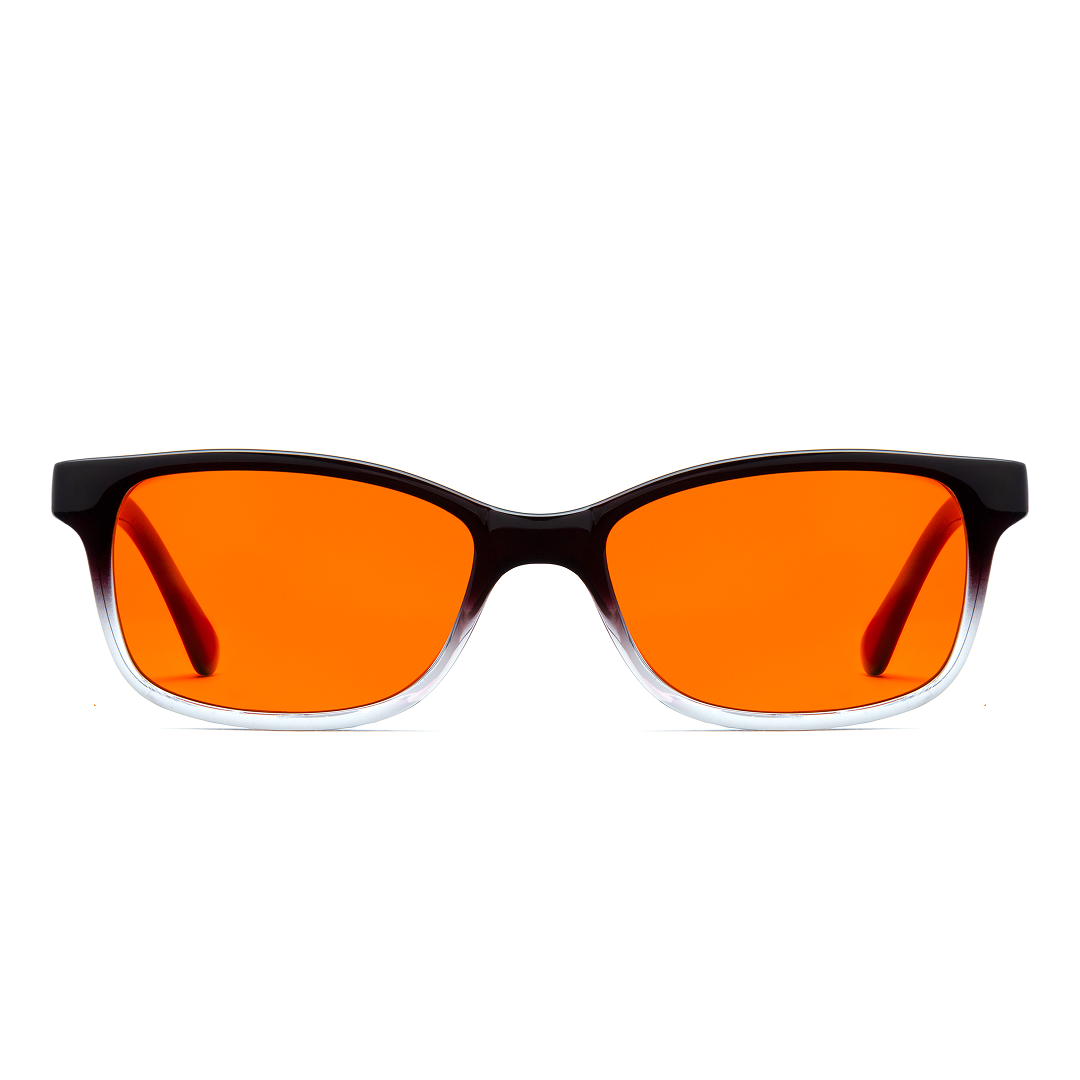
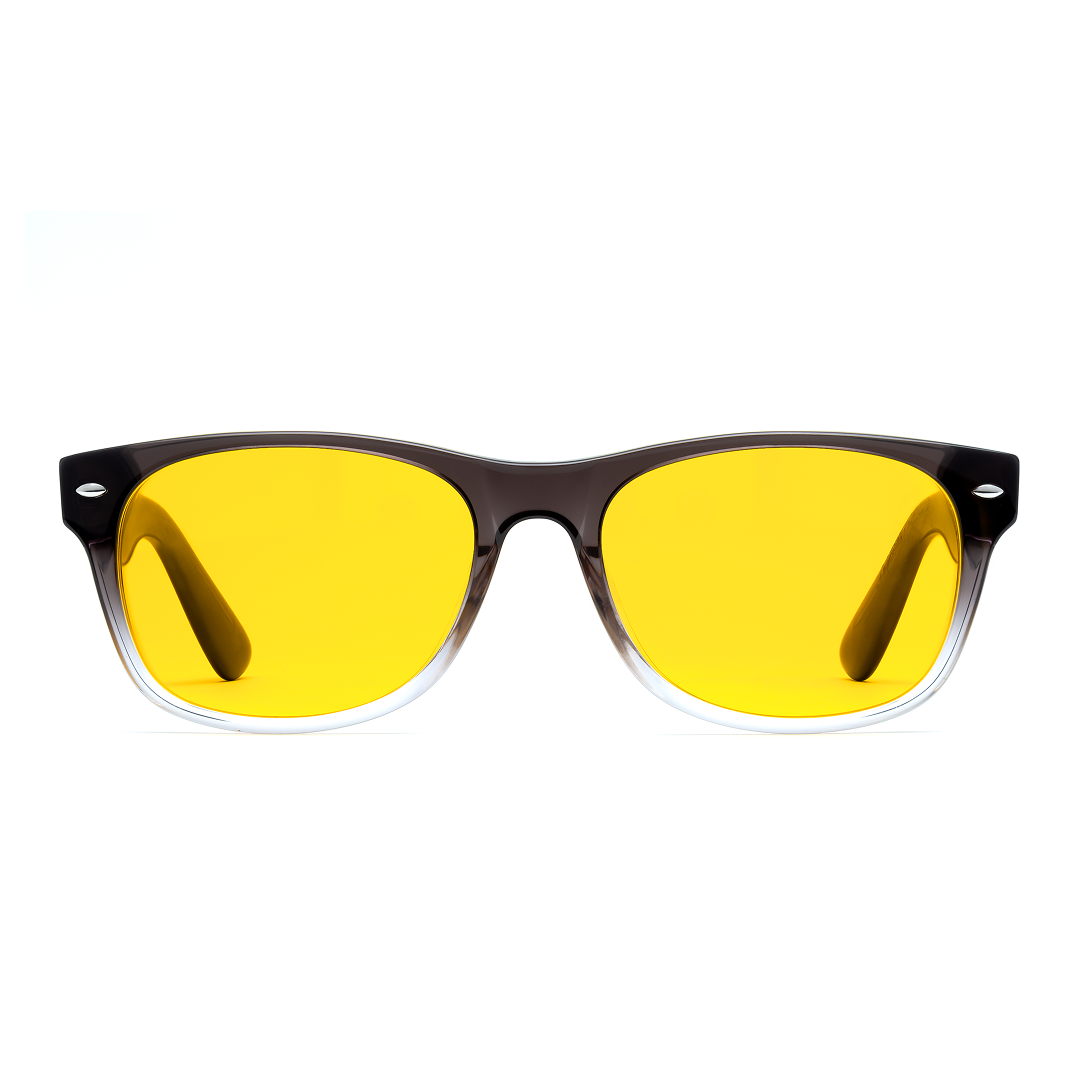
The athletes who are aware of their nervous system and understand how to regulate it also know how to prepare better for these stressors. They know to begin delaying their circadian rhythm before travel when needed. They bring their own nutrition, food, and water. They place their phone in a Faraday bag at night. They travel with their BioSpectral blue blocking glasses and use them on the road. In other words, they do not leave regulation to chance. They build it into the way they travel, recover, and compete.
The same principle applies to the everyday person with chronic disease. The nervous system determines whether load becomes adaptation or collapse.
Heart rate variability and why it matters
One of the most practical windows into autonomic function is heart rate variability, or HRV.
HRV is not simply heart rate. It is the variation in timing between beats. In general, greater variability reflects a system with more adaptive flexibility and better vagal influence. Lower variability often reflects stress, poor recovery, inflammation, low resilience, or reduced autonomic adaptability. The user file repeatedly frames HRV as one of the best indicators of stress, vagal tone, and readiness, and ties it to reaction time, memory, decision making, athletic performance, and recovery.
HRV is not everything, but it is useful because it gives you a window into how ready the system is to adapt. A body with higher HRV is often better able to tolerate stress and recover from it. A body with low HRV is often already spending too much energy on internal defense.
This is where pulse wave variability, resting heart rate, pulse quality, and even traditional systems like Chinese medicine become interesting. Different traditions have long tried to read internal state from external rhythmic signals. Modern wearables are simply giving us another version of that story. What is the rhythm doing. What is the body broadcasting. Is it fluid and adaptive, or rigid and strained. We generally like Oura Ring when used on Airplane Mode for occasional use when testing for specific interventions to indicate how the living system is responding. Not to be worn all the time, and not to give away your biological data to a company, but merely to be strategic to test the response and performance of a body to different inputs.
The psycho experiential side, fight, flight, freeze, and fawn
T here is also a deeply human side to this. The autonomic system is not just about organs and nerves. It shapes experience.
When the system detects danger, people tend to move toward recognizable patterns. Some fight. Some flee. Some freeze. Some fawn. Some appease. Some over analyze. Some dissociate. Some numb. Some push harder. Some become hyper productive. Some collapse.
These are not random personality quirks. They are embodied survival strategies.
What makes this even more important is that trauma, early life stress, repeated threat, chronic overstimulation, and long term dysregulation can make these responses feel normal. People begin to organize their lives around avoiding internal activation. They make choices not from freedom, but from nervous system compensation. This is explored in much detail through polyvagal theory, social engagement, freeze states, trauma effects, loss of safety, overprotection, and how trauma drives later life choices through the nervous system. These frameworks can provide useful adjuncts to reprogramming more appropriate responses and healthier reactions, with pause, discernment, and non triggered resilience.
I personally used to be more of a freeze and fawn responder to aggression and stress. I would initially freeze, act very small, and then do anything I could to fix the situation, thinking I was being helpful and turning a problem into a solution quickly, while never really processing the internal state and instead letting it ruminate throughout my being. A friend of mine is absolutely a fighter, rising to nearly every stressful event with conflict and aggression, a loud bark without biting.
There are healthier ways to approach these situations, and more appropriate responses can be wired in over time, leading to a far better outcome. For me, that meant learning to communicate that the situation was overwhelming me, to take a pause, to let it land, and to create enough space for self reflection. From there, I could communicate how best to approach a resolution, solution, or remedy. Sometimes there was nothing that needed to be solved at all, only something to reflect on and learn from. Other times, the appropriate solution was very different from what I had first assumed it would be.
For my angry friend, his gift is that he is an incredible protector. The healthier response for him is to express that what happened made him angry, and that he needs to remove himself from the stimulus briefly while his mind settles and more rational questions can prevail. In that state, he can preserve that intense reaction for real threats, where he becomes the innate hero compared to many of the other nervous system response types. Think of a military soldier as an example.
If you cannot resonate with either of those examples, perhaps this will help. When the nervous system is really in control and you are trying to reprogram it, this is why you can have a person who says, “I just have an anxious personality,” when the deeper truth is that their system has become overtrained in threat detection.
Or someone who says, “I am not motivated,” when part of the picture is autonomic shutdown. Or someone who says, “I cannot connect deeply with people,” when what they are really describing is a body that no longer feels safe enough to soften.
This is why nervous system education matters so much. It gives people language. It gives them a map. It helps them stop shaming themselves for the output of a dysregulated system and start building the skills that restore flexibility.
What destabilizes the autonomic system in modern life
Modern people are living under conditions the autonomic system did not evolve for.
Constant artificial light and late night unbalanced blue enriched lighting. Screens close to the eyes.
Wireless radiation like pulsing Bluetooth devices, cell phones and Wi-Fi routers in bedrooms or offices. And chronic non native electromagnetic exposure in the form of AC electric fields, magnetic fields and dirty electricity (high frequency transients).
Poor sleep timing, meal timing, exercise timing and supplementation timing.
Noise.
Hyperstimulation.
Social fragmentation.
Sedentary indoor living.
Poor breath mechanics.
Disconnection from sunrise and sunset and nature in general.
Chronic psychological load.
Ultra processed food.
Social media overload.
Trauma.
Inflammation on top of inflammation and oxidative stress overload.
Overtraining without recovery.
Pain without resolution.
This is why I say the body’s alarm system is being poked all day long.
The modern environment does not just challenge willpower. It dysregulates physiology.
All that being said, at BioSpectral we believe modern unbalanced polarized blue light and nnEMF exposure as key upstream disruptors of autonomic fidelity and vagal signaling, and believe that sunrise, natural light, darkness, cooling, and reduction of artificial inputs are one of the key envornmental ways to restore tone.
That matters because once the autonomic system is noisy, everything downstream becomes less coherent.
Digestion becomes less efficient.
Sleep becomes shallower.
Pain becomes louder.
Thoughts become faster.
Emotions become stickier.
Recovery becomes slower.
Inflammation becomes easier to sustain.
The body starts spending energy defending itself from a world it now reads as hostile.
That is not a recipe for longevity, healthspan, or elite performance.
The goal is not passivity. The goal is metastable resilience. One of the most useful ways to think about this is that the healthiest nervous system is not the one that never activates. It is the one that can maintain a metastable resilient state. That means the system is ordered enough to function well, flexible enough to adapt, and stable enough not to fracture under normal stress.
It can go up and come back down.
It can become alert without becoming trapped.
It can defend without becoming chronically defensive.
It can mobilize without losing access to restoration.
That is the nervous system state you want.
You want variability with coherence.
You want readiness with softness.
You want power without chronic alarm.
You want resilience, not numbness.
And to get there, you need practices that regulate the system in healthy ways.
Healthy nervous system regulators versus unhealthy ones
This matters a lot.
Many people already regulate their nervous system. They just do it in ways that cost them later.
Alcohol.
Nicotine delivery through smoking.
Compulsive screen use.
Binge eating.
Doom scrolling.
Overtraining.
Pornography.
Workaholism.
Emotional avoidance.
Chronic busyness.
Reassurance seeking.
Aggression.
Self isolation.
Constant stimulation.
Sedatives.
Sugar.
Control behaviors.
These are often not moral failures.
They are attempts to manage internal activation.
The task is not simply to remove them. The task is to help a person build healthier regulators so the body has other ways to come down.
That might mean cold face immersion.
That might mean humming.
That might mean slow nasal breathing.
That might mean singing.
That might mean massage.
That might mean shaking out stress.
That might mean boundaries.
That might mean social support.
That might mean stepping outside at sunrise.
That might mean darkness at night and wearing BioSpec’s lenses
That might mean swimming.
That might mean sitting by water.
That might mean petting a dog.
That might mean trauma work.
That might mean better light hygiene.
That might mean better sleep.
That might mean less Wi Fi exposure in the bedroom.
That might mean more outdoor time.
That might mean less caffeine.
That might mean less chaos.
The intervention depends on the person.
But the principle stays the same.
Do not only remove the harmful regulator. Replace it with a healthier one.
Practical ways to regulate the system
A few principles matter again and again.
Breathing
Slow nasal breathing, especially with a long gentle exhale, is one of the fastest ways to shift autonomic state. Belly breathing matters. Rib movement matters. Breath holds can matter. The point is not performance theatrics. The point is telling the system that it can stop bracing. The user material repeatedly highlights deep slow belly breathing, nasal breathing, and vagal stimulation through breath as foundational.
Sound and vibration
Humming, singing, chanting, and laughter can all influence state through respiration, vocalization, and vagal pathways. A flat monotone often travels with low vagal tone. Tone, prosody, and voice are not trivial. They are biologic signals. The uploaded notes explicitly link humming, singing, gargling, and laughter to vagal activation.
Cold
Cold face plunging, brief face dunking, and selective cooling can help engage the dive reflex and rapidly shift physiology. This is not about punishing yourself. It is about using a primal lever intelligently. The user material repeatedly emphasizes cold face immersion, tongue and mouth cooling, and cold as a vagal regulator.
Light
Morning light is one of the most important nervous system regulators available. Sunrise anchors circadian timing, shapes hormonal rhythm, informs the brain about day length, and influences autonomic balance. Darkness at night is equally important. Light is not just for seeing. It is a control signal for the nervous system. The uploaded material repeatedly emphasizes sunrise, sunset, natural light, and darkness as core vagal and autonomic supports.
Touch
Massage, havening, safe human contact, self touch, and calming pressure can all help when applied appropriately. Safety is not only cognitive. It is sensory.
Rhythm and ritual
The nervous system loves rhythm. Stable wake time, sunrise viewing, regular meals, a sleep routine, walking, breath practice, evening wind down, and repeated cues of safety matter because they reduce uncertainty.
Connection
A regulated nervous system is often co regulated first. This is why safe people matter. Tone of voice matters. Facial expression matters. Boundaries matter. Distance matters. Feeling seen matters. Stephen Porges’ work on social engagement, safety, and co regulation is very relevant here, and the uploaded material echoes this strongly.
Environment
A person can try to calm down all they want, but if their environment keeps hitting the alarm, progress will be limited. Bedroom light, Wi Fi, nighttime screen use, overhead LED exposure, noise, sleep temperature, and visual clutter all matter.
Nervous system regulation in chronic disease
This topic is absolutely central in chronic disease.
When someone is chronically unwell, they often live in a body that no longer trusts the environment. The organism becomes protective. Digestion slows or becomes chaotic. Sleep becomes light or fragmented. Hormonal rhythm becomes unstable. Pain signaling amplifies. Immune responses become exaggerated or blunted. Inflammation persists. The person starts living inside a body that is protecting instead of growing.
That is why one of the first questions in chronic disease should not only be “What is the disease?”
It should also be “What state is the nervous system in?”
Because a person cannot reverse much while they remain biochemically and electrically organized around threat.
This is also why it is so unhelpful to tell people to “just relax.”
They need tools.
They need understanding.
They need to know that regulation is trainable.
They need to know that recovery is not weakness.
They need to know that a calm nervous system is not laziness. It is the precondition for repair.
Nervous system regulation in elite performance
The same truth applies to athletes.
The elite athlete who can regulate well can output more and recover faster.
They can maintain skill under pressure.
They can breathe better under load.
They can make better decisions late in competition.
They can sleep better.
They can digest better.
They can avoid wasting energy on excessive sympathetic spillover.
They can bounce back faster after travel, stress, or conflict.
They can remain more coherent after mistakes.
They can perform at higher intensity without becoming neurologically scrambled.
The best performers are often not just stronger. They are more regulated.
That is why HRV, resting heart rate, pulse quality, sleep depth, breath quality, emotional steadiness, and the ability to rapidly return to baseline all matter. Performance is not just output. Performance is output plus recovery plus state control. A nervous system that cannot return to balance eventually becomes expensive.
What this looks like in practice
If someone wants to improve their nervous system, I would not start with complexity. I would start with the fundamentals that calm the body, reduce noise, and rebuild a sense of safety.
See the sunrise daily, and after dusk use your BioSpec blue blocking glasses to help your system shift toward evening biology. Dim lights hard after sunset and make the bedroom a true sleep sanctuary by minimizing EMF, noise, light, and unnecessary technology. Keep it cool, calm, quiet, comfortable, and deeply restorative.
Breathe through the nose. Build a real wind down routine. Use cold face immersion when needed. Hum, sing, or chant. Walk outside often, and sit by water whenever possible.
Strengthen your boundaries. Learn to identify the people, places, habits, and environments that dysregulate you. Start noticing your state before and after food, screens, meetings, travel, exercise, and conflict. Learn what reliably brings you back to yourself.
Choose healthy regulators over destructive ones. Stop repeatedly sounding the alarm, then wondering why healing feels slow.
This is foundational. Not optional.
The nervous system is the gatekeeper
At the deepest practical level, the autonomic nervous system is the gatekeeper of adaptation.
It is what decides whether the body spends energy on defense or on repair.
It is what determines whether a stimulus becomes useful or harmful.
It is what shapes how much of your biology is available to you in a given moment.
When it is regulated, you can digest, think, sleep, recover, move, connect, and heal better.
When it is not, the body can become a prison of overreaction, shutdown, pain, fear, rigidity, poor recovery, and chronic compensation.
So if you want to build real health, or reverse chronic disease, or improve athletic performance, or become more resilient psychologically, or access deeper sleep, or improve digestion, or reduce pain, or become a better partner, parent, leader, or competitor, do not ignore the nervous system.
Start there.
Because the body cannot heal properly while the alarm is still ringing.
References
- Stephen Porges, The Polyvagal Theory
- Bessel van der Kolk, The Body Keeps the Score
- Robert O. Becker, The Body Electric
- Francisco Varela, Evan Thompson, and Eleanor Rosch, The Embodied Mind
- Tracey Shors, Everyday Trauma and the Brain
- Lehrer and Gevirtz, Heart rate variability biofeedback, how and why does it work
- Thayer and Lane, A model of neurovisceral integration in emotion regulation and dysregulation
- Breit, Kupferberg, Rogler, and Hasler, Vagus nerve as modulator of the brain gut axis in psychiatric and inflammatory disorders


Disclaimer
The information on this site is provided by BioSpectral Systems for educational and informational purposes only. It is not intended to diagnose, treat, cure, or prevent any disease and has not been evaluated by the U.S. Food and Drug Administration or any other regulatory authority. Always consult a qualified healthcare professional before making any changes to your health regimen. By using this site, you acknowledge that you do so at your own discretion and agree that BioSpectral Systems, its affiliates, and contributors are not liable for any outcome resulting from the use of the information presented.
Share:
Data Center Infrastructure: Water, Noise, and Health Risks
Mastic Gum Benefits: Brain, Gut & Vagus Nerve Health