

Energy and Time in a Biophysical Framework
Modern health is not only a biochemical problem. It is a timing problem.
The human body does not simply exist inside time. It builds time by spending energy. Every cell must use light, water, electrons, protons, minerals, membranes, mitochondria, melanin, and circadian rhythm to sample the next moment of reality. When that system has enough redox power, perception is clear, metabolism is coherent, hormones follow rhythm, sleep repairs the brain, and the body can maintain a high-resolution state of consciousness.
When redox power drops, the system does not just lose energy. It loses timing.
This is the difference between Chronos and Kairos. Chronos is clock time. It is the tick, the schedule, the calendar, the number on the phone. Kairos is biological time. It is the right moment. It is sunrise reaching the eye. It is infrared thinning the water lattice. It is UVA setting neuropsin. It is sunset applying the metabolic brake. It is darkness telling melatonin to rise. Chronos can tell you what time it is. Kairos tells your mitochondria what to do with that time.
DNA and RNA are the Chronos layer. They are the parts list, the ancestral archive, the cold storage of biological possibility. Circadian biology is the Kairos layer. It tells the genome when to speak and when to stay silent. Without Kairos, DNA is just a library with no librarian, no timing, and no living instruction.
This is why artificial light is so destructive. It gives the body visible brightness without biological timing. It allows the eyes to see, while confusing the clock that tells the mitochondria, hormones, brain, liver, gut, and immune system what season, time, and energetic state they are in.
Sunlight is not just light. Sunlight is the master timing signal.
The negative hydrogen ion in the solar photosphere is one of the reasons sunlight is so biologically unique. It contributes to the broad infrared continuum that reaches Earth and bathes living systems in a spectrum no artificial bulb can fully replace. This infrared profile is not decorative. It helps shape water, electron flow, mitochondrial function, circulation, and the thermodynamic conditions required for life to operate coherently.
Artificial light is a countable, broken approximation. Sunlight is an uncountable, continuous biological instruction set.
Modernity replaced Kairos with Chronos. We now have clocks everywhere, but less biological timing. We live in digital ticks, screens, LEDs, WiFi, cellular fields, artificial schedules, and indoor environments, while the body is still designed for the continuous lattice of the sun, earth, water, darkness, temperature, and magnetic rhythm.
When the ticks are too fast, as in blue enriched stress lighting, or too noisy, as in anthropogenic EMFs, the fidelity of the system crashes. The SCN can no longer validate timing across the body. The liver receives confused instructions. Melanopsin and neuropsin signaling become distorted. The thalamus, hypothalamus, retina, skin, and mitochondria lose their shared rhythm. The body does not just malfunction. It disconnects.
Chromosome 2 And The Human Light Timing Upgrade
Human chromosome 2 is one of the most important biological clues for understanding why humans are not simply gene machines. It formed through the fusion of two ancestral ape chromosomes, which is why humans have 46 chromosomes while the great apes have 48. This fusion is usually taught as an evolutionary marker, but its deeper implication is that human biology did not need a massive expansion in gene number. It needed a better timing system.
The Human Genome Project shocked the world because humans did not have vastly more genes than simpler organisms. The central truth is that genes are not enough. Genes are the hardware. Light, water, mitochondria, melanin, circadian rhythm, ultraweak photon emissions, and the environment are the operating system.
Chromosome 2 holds several critical pieces of this timing architecture.
The POMC system sits on the short arm and is tied to the leptin melanocortin pathway, appetite, energy balance, pigmentation, stress biology, immune signaling, and light responsive adaptation. This places light integration, melanin biology, and energy sensing in a prime regulatory position for the expanding human brain.
The same evolutionary arc also connects to eccrine glands and exocrine gland evolution. Humans became extraordinary sweaters, not just to survive heat, but to manage the skin as a cooled optical and electrical surface. The skin is not a wrapper. It is a hydrated semiconductor. It must stay thermally stable so it can sense light, temperature, infrared, ultraviolet, and electromagnetic changes, then send cleaner information inward to the mitochondrial matrix.
This is why sweating is part of foundational health. The explosion of eccrine glands in humans was not only about the savanna. It was about thermal management of a surface semiconductor.
The longer arm of chromosome 2 also contains the GCG gene, which produces glucagon, GLP 1, and GLP 2. These signals are not just about blood sugar. They help regulate intestinal growth, epithelial repair, motility, appetite, liver signaling, and energy balance. This is why the gut, retina, thyroid, metabolism, and brain must be discussed together. They are not separate silos. They are timing organs within a single light, food, and mitochondrial network.
This is also why caution is needed with powerful GLP 1 drugs. They may help some people in specific contexts, but they act on a deep timing and energy system, not just a weight loss pathway. If the environmental causes of leptin resistance, poor light timing, circadian disruption, artificial light exposure, poor sleep, and mitochondrial inefficiency are ignored, then the drug may reduce the signal without correcting the terrain that created the problem.
The deeper lesson is simple: humans did not evolve extra genes to become conscious. We evolved better timing, better light sensing, better sweating, better melanin integration, better mitochondrial density, and a more advanced leptin melanocortin system.
We are not gene rich. We are signal rich when we live correctly.
The Inner Mitochondrial Junction, Deuterium, And The Geometry Of Energy
The inner mitochondrial junction is not just a container for chemistry. It is a boundary condition for quantum behavior. Its geometry, water structure, mineral content, membrane voltage, and proton flow determine whether the mitochondrial engine can maintain coherence.
This is where deuterium matters.
Deuterium is heavy hydrogen. It does not simply slow reactions. It changes mass, vibration, tunneling, hydrogen bonding, water dynamics, and mitochondrial timing. When too much deuterium enters the mitochondrial matrix, it can detune the proton system. The engine becomes heavier, slower, noisier, and less able to maintain high fidelity energy transfer.
In this model, mitochondria are not just metabolizing food. They are engineering the local vacuum of life. Melanin, elastin, water, transition metals, membranes, and mitochondrial geometry become the hardware that allows biological quantization to emerge inside warm, wet tissue.
Transition metals are the sense organs of this system. Copper, iron, manganese, zinc, magnesium, and other metals use electron shells, spin states, redox reactions, and optical transitions to determine whether the environment is solar optimized or hostile. Melanin acts as a charger. Transition metals act like batteries. Water acts as the medium. Mitochondria act as the timing engine.
In the Archean world, life learned to harvest high energy light and chaotic radiation. In mammals, that ancient radiosynthetic logic became refined through the retina, skin, melanin, mitochondria, blood, and circadian system. The modern problem is that we have unplugged the battery charger. We block sunlight, avoid UV, live indoors, expose ourselves to blue enriched LEDs, bathe in WiFi and cellular fields, and then wonder why the transition metal system goes blind.
You do not fix that with a supplement alone. You restore the negentropy flux.
You put skin, eyes, water, and mitochondria back into the field of nature.
The Genesis Protocol: Rebuilding Biological Time
Step 1: Validate The First Block With Sunrise
The first biological block of the day must be validated by the sun.
Get outside early. Watch sunrise. Stand in green space when possible. Remove sunglasses. Do not start the day with a phone. This morning light provides infrared, visible light, and early UVA information that helps prime the SCN, neuropsin, melanopsin, cytochrome biology, CoQ10 rhythm, steroid hormone pathways, dopamine, cortisol timing, and mitochondrial readiness.
The outcome is the redox seed of the day.
Step 2: Increase The Difficulty With Cold
Cold thermogenesis is a difficulty adjustment. It asks the system to become more efficient.
Cold water, cold air, cold face plunging, and natural cold exposure tighten the water networks, increase mitochondrial efficiency, support uncoupling, improve dopamine tone, stimulate brown fat, and force the body to create heat and light from within.
The outcome is a cleaner engine, better oxygen conservation, sharper cognition, and a stronger ability to maintain alpha rhythm and nervous system resilience.
Step 3: Protect The Bedroom Zip Code
The bedroom is the primary recovery zip code.
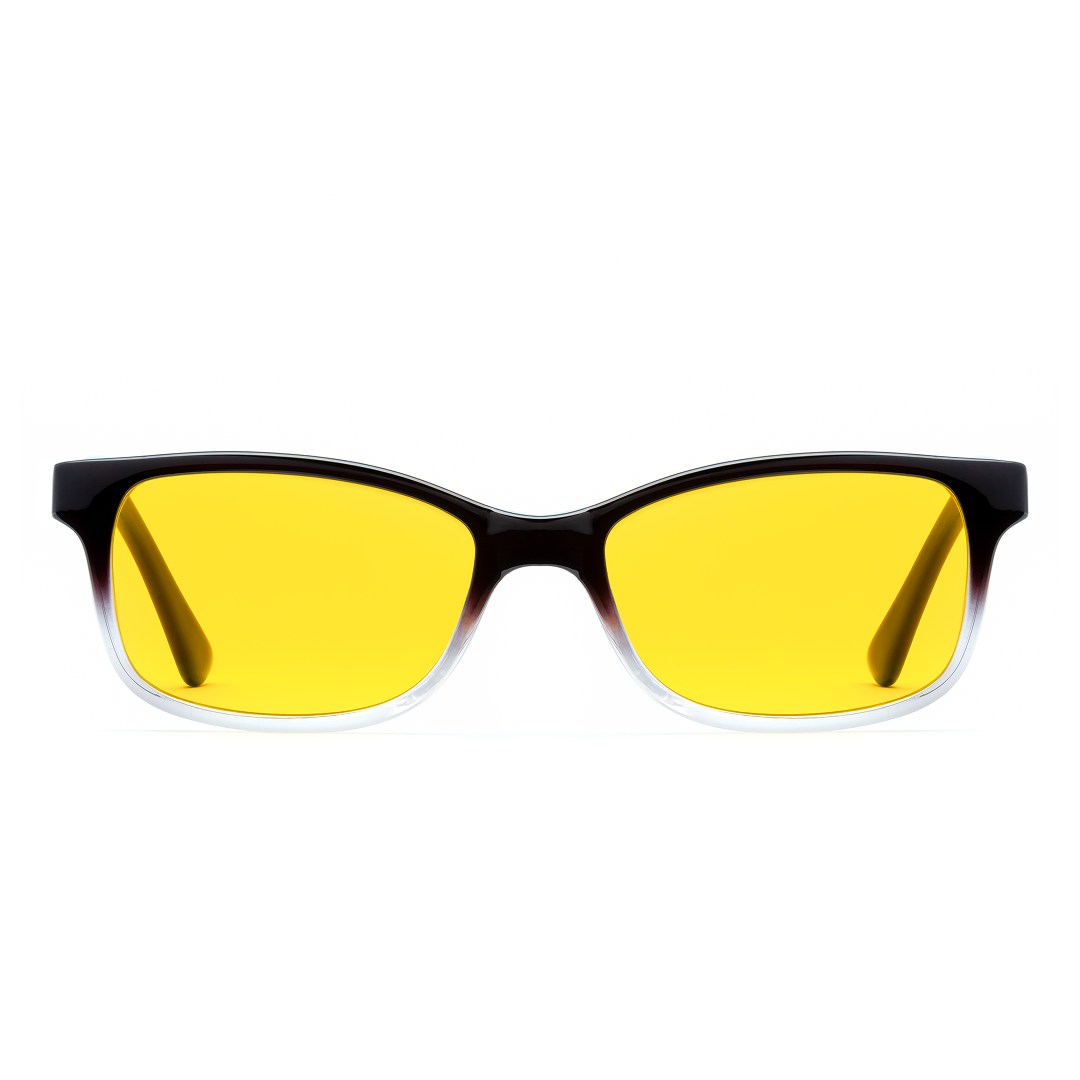
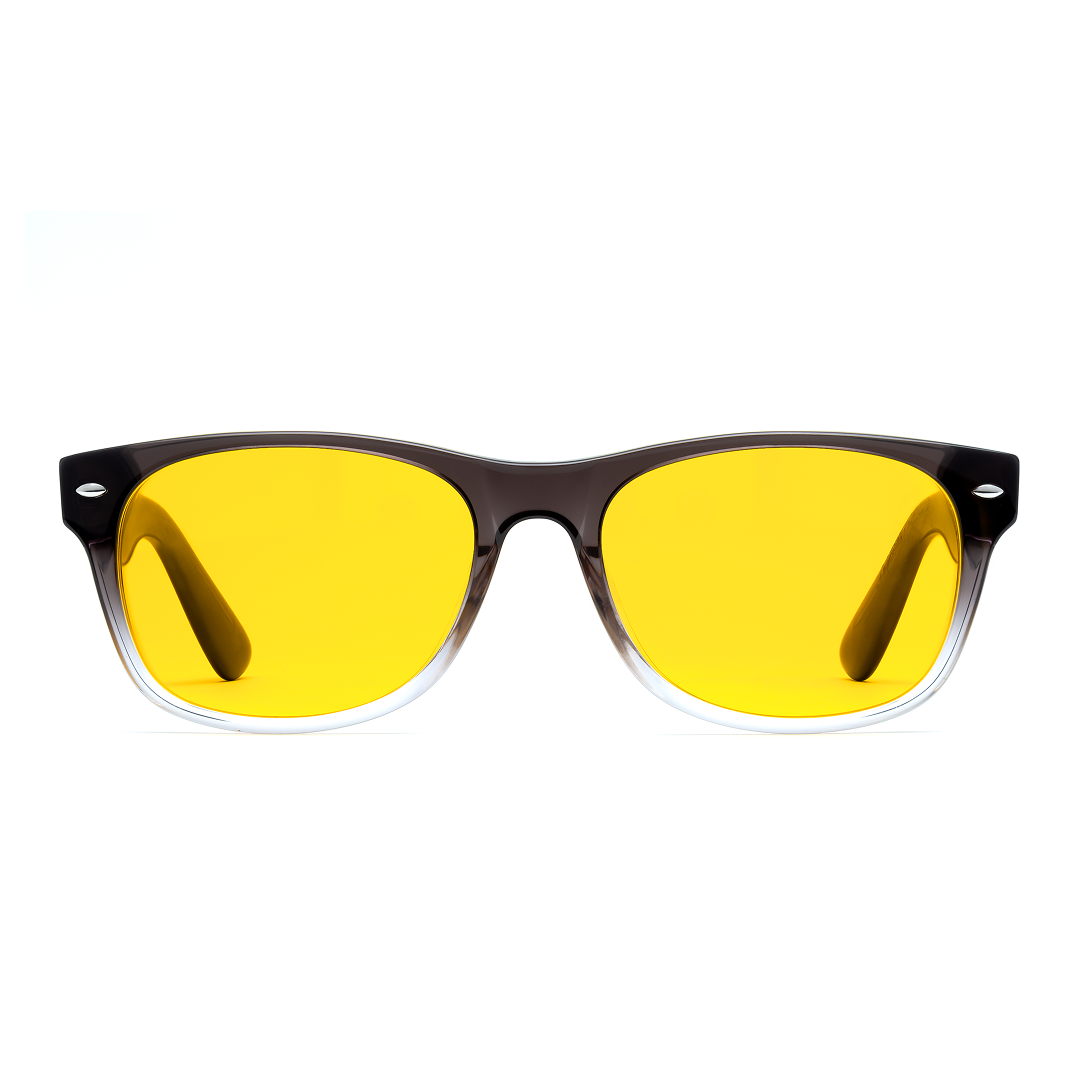
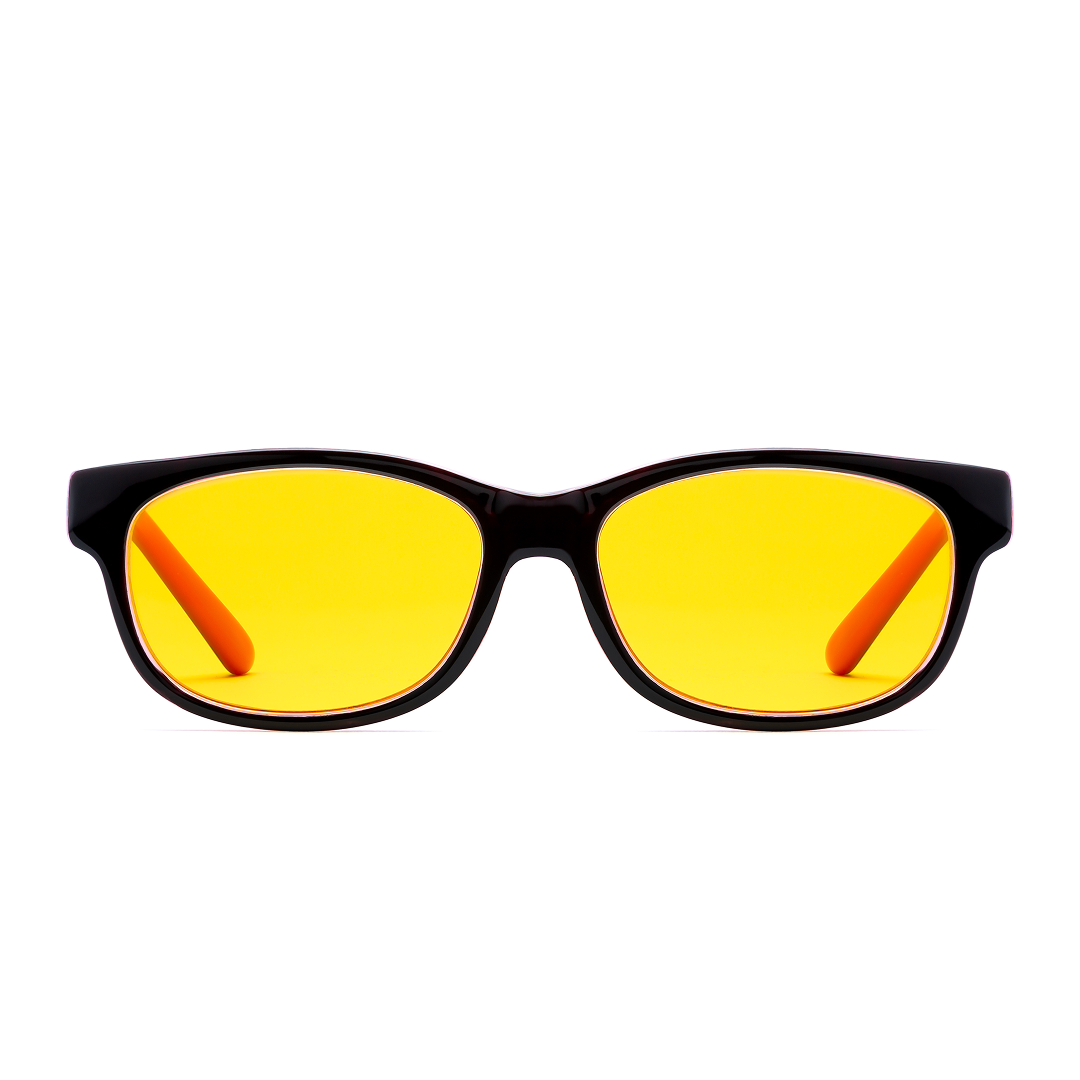
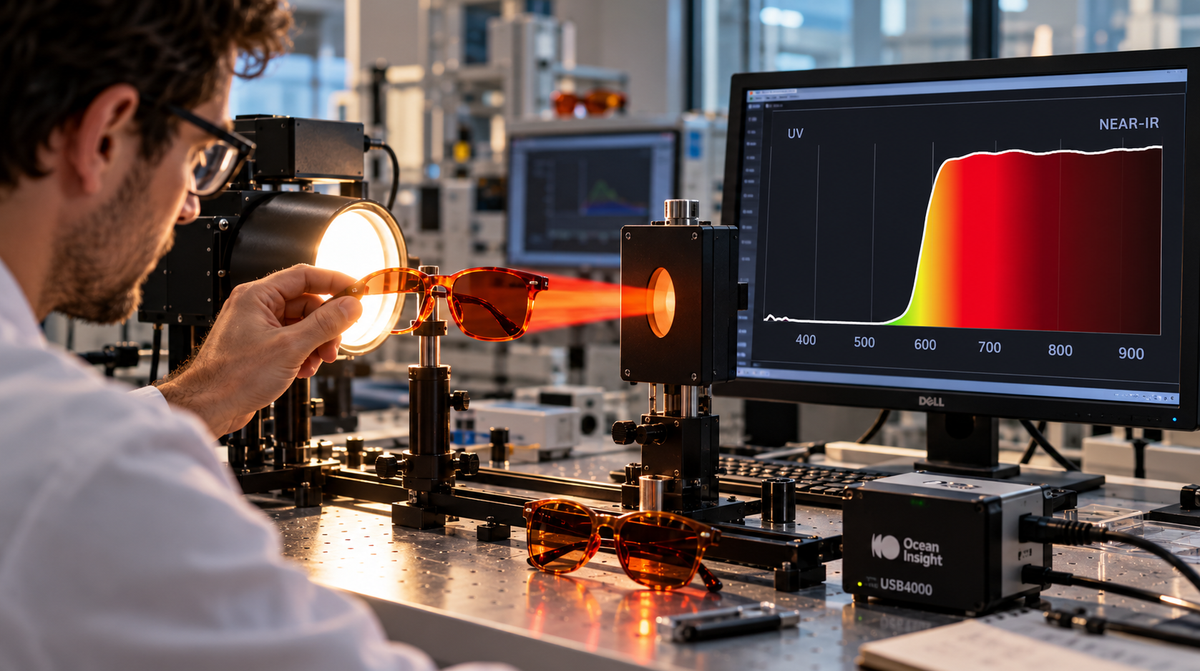
After sunset, use orange or red night lenses, remove wearables, turn off WiFi, put the phone away, reduce cellular exposure, kill bright LEDs, and create darkness. This protects melanopsin, the retina, the SCN, the pineal rhythm, melatonin, prolactin, growth hormone, dopamine recycling, and mitochondrial repair.
The outcome is deeper sleep, better hormonal timing, lower stress signaling, and less nervous system noise.
Step 4: Validate The Isotopic Payload With Seasonal Food
Food is not just calories. It is a light history.
Eat foods that match your season, latitude, environment, and biology. Prioritize seafood, shellfish, animal protein, mineral rich foods, healthy fats, and naturally grown foods. Avoid processed food, seed oils, artificial additives, and factory made electrons.
The outcome is better leptin signaling, better gut turnover, cleaner mitochondrial fuel, and less isotopic mismatch between food, light, and season.
Step 5: Commit The Day With Sunset
Sunset is the closing block of the day.
Watch the sun go down. Let the nervous system see the red shift. Let infrared apply the metabolic brake. Let the body know the active phase is ending. Sunset helps transition the system from action to repair, from cortisol to melatonin, from dopamine drive to parasympathetic recovery.
The outcome is conserved memory, better sleep pressure, improved NAD rhythm, and the beginning of overnight repair.
This is how we fix redox by fixing the SCN.
Step 6: Remove Wireless Noise From The Brain And Bedroom
The modern human does not just need more light. They need less noise.
Use Ethernet instead of WiFi where possible. Turn WiFi off at night. Remove Bluetooth wearables. Keep the phone away from the body. Use a BioSpectral SignalVault Faraday Phone Bag when the phone is not needed. Use BioSpectral Airtube Anti Radiation Earbuds when listening to audio, calls, podcasts, or meditations so sound can reach the ear without placing a wireless transmitter beside the head.
This is not fear. This is hygiene.
The outcome is a cleaner sleep field, lower nervous system activation, less artificial signal near the brain, and more biological bandwidth for repair.
A Note on Ozone
Ozone is a powerful oxidant. It steals electrons and creates an acute oxidative signal. For that reason, I have historically been cautious with it. But if the magnetic, isotopic, and redox environment is changing quickly, ozone may have a role for certain people when used carefully, clinically, and in the right context.
The key is that ozone should never be viewed as a random wellness hack. It is a high energy oxygen signal. Used poorly, it can add stress. Used intelligently, it may help fracture a locked lattice, stimulate redox adaptation, and help the body reset a stagnant oxygen system. In a magnetically unstable environment, the question becomes whether ozone can provide a controlled oxidative pulse that helps the system reorganize instead of remaining stuck.
Ozone is not a nutrient. It is a controlled oxidative challenge. In the right person, at the right dose, with the right redox capacity, it may help disturb a locked system and stimulate adaptation. But if someone is depleted, sleep deprived, mineral poor, light starved, and electrically overloaded, ozone can become another stressor rather than a reset.
Ozone is not gentle. It is a high energy biological challenge. It should be respected, individualized, and used only when the person has enough light, minerals, hydration, sleep, and redox capacity to respond.
The Truth About Insulin and Diabetes: Insulin Resistance As An Adaptive Signal, Not Just A Disease
Insulin resistance is usually framed as a failure. Blood sugar rises, insulin rises, cells stop responding, and the medical system tries to force glucose back into the cell.
But from a biophysical perspective, insulin resistance may also be an adaptive brake.
A cell that is already inflamed, electrically noisy, deuterium loaded, sleep deprived, hypoxic, blue light stressed, and mitochondrially inefficient may not want more fuel pushed inside. It may be saying: I cannot safely burn this right now.
That does not mean high blood sugar is harmless. It is not. It means the body may be resisting fuel entry because the mitochondrial matrix is already overloaded.
This is where the standard model becomes incomplete. If the only answer is to push more glucose into a stressed cell, without restoring sunlight, sleep, darkness, redox, movement, muscle, cold adaptation, mineral status, liver function, gut function, and EMF mitigation, then the intervention may control a number while missing the reason the cell closed the door.
Insulin is essential and life saving for Type 1 diabetes. No person with Type 1 diabetes should stop or change insulin without medical supervision. But the deeper point remains: insulin should not be the whole story. The goal should be to reduce the total environmental and mitochondrial load so the body needs less force to manage energy.
The bar tailed godwit offers a powerful analogy. During extreme migration, this bird can fly thousands of kilometers without stopping. It uses fat, internal fuel, circadian precision, magnetic navigation, and high performance tissue metabolism in a way that would look impossible through a simple glucose centered model. In that state, temporary physiological insulin resistance is not disease. It is a gear shift. It allows the organism to mobilize internal fuel and preserve performance during extreme energetic demand.
Humans are not birds, but the lesson matters.
Insulin resistance can be pathological, but it can also begin as a protective refusal. The cell is saying no to more fuel until the engine, exhaust, cooling system, and timing system are restored.
The mistake is building diabetes science only from nocturnal rodent models. Mice and rats live through a very different light biology than humans. They are nocturnal. Humans are diurnal, solar exposed, visually driven, sweat cooled, melanin regulated, and deeply dependent on circadian timing through the eye, skin, liver, pancreas, gut, retina, and brain. Using nocturnal rodents as the dominant model for human metabolic disease is like trying to repair a solar powered aircraft using the manual for a submarine.
The better question is not simply: how do we lower glucose?
The better question is:
Why did the cell stop trusting fuel?
And the answer usually lives upstream: poor light timing, blue enriched nights, indoor living, low infrared, low ultraviolet, poor sleep, low muscle, poor mitochondrial density, processed food, seed oils, EMF noise, stress chemistry, poor bile flow, mineral depletion, and a nervous system that never feels safe enough to metabolize cleanly.
When exogenous insulin is used as the only answer, without addressing why the cell became energy resistant in the first place, the system may be forcing fuel into a matrix that is already overloaded. In Type 1 diabetes insulin is life saving, but even there, the deeper goal should be to support the light, sleep, muscle, liver, gut, mitochondrial, and environmental conditions that reduce the total burden on the insulin system.
Insulin resistance is not only a metabolic disease. It is a redox warning light.
The Deeper Pattern: Energy Distress, Timing Failure, And The Modern Metabolic Trap
Insulin resistance is not happening in isolation. It sits inside a much larger biological pattern where the body is trying to protect itself from an environment it can no longer interpret cleanly. When light timing is broken, artificial electromagnetic noise is high, sleep is poor, movement is reduced, deuterium burden rises, and mitochondrial function drops, the body begins to shift from growth and regeneration into defense and conservation.
One important signal in this story is GDF15. GDF15 can be understood as a mitochondrial distress flare. When the internal energy system begins to fail, GDF15 signals to the brain that cellular repair, tissue maintenance, appetite regulation, and energy production are under threat. In this model, elevated GDF15 is not just an inflammation marker. It is the body reporting that mitochondrial efficiency has dropped, redox is strained, and energy is being redistributed away from performance, fertility, growth, and regeneration.
This is where AMPK becomes important. AMPK is one of the cell’s energy accountants. When ATP falls and energy stress rises, AMPK turns on conservation, fat burning, autophagy, mitochondrial cleanup, and metabolic repair. In the right context, this is beautiful. It helps the body adapt. But if the light environment, sleep rhythm, EMF load, deuterium burden, and circadian timing are wrong, AMPK can remain chronically activated as a survival signal rather than a clean regenerative signal. The body becomes stuck in energy triage.
To rebuild the system, the body needs to activate PGC1 alpha, one of the master regulators of mitochondrial biogenesis. Nitric oxide, sunlight, cold, movement, redox signaling, and AMPK all converge on PGC1 alpha to tell the body to build more engines. But the body does not build mitochondria simply because a supplement told it to. It builds mitochondria when the environment says more energy production is safe, necessary, and supported.
This is why the bar tailed godwit is such a powerful analogy. During extreme migration, the godwit can fly thousands of kilometers without stopping, relying on fat metabolism, internal fuel, circadian precision, magnetic navigation, and extraordinary mitochondrial performance. The godwit shows that insulin resistance is not always disease. In the right context, it can be a high performance gear that preserves the vortex, mobilizes internal fuel, and protects the system during extreme energetic demand.
The godwit also exposes the weakness of building human metabolic science almost entirely on nocturnal rodents. Mice and rats are dark adapted animals. Humans are diurnal, visually driven, sweat cooled, melanin regulated, and deeply dependent on sunlight, retinal signaling, skin light sensing, and circadian rhythm. Birds, especially migratory birds, may teach us more about human light biology than rodents because they use sunlight, magnetism, fat metabolism, retinal structures, and circadian precision to perform extreme feats of endurance. The pecten oculi, a highly vascular and melanized structure in the bird eye, acts like a photonic heat sink and magnetic navigation support system. It shows that high energy metabolism requires a light and melanin based shielding system to manage the heat, photons, and metabolic noise created by extreme performance.
This is the nocturnal mouse fallacy. We are using dark adapted animals to model disease in a solar dependent human species. That is like trying to repair a solar powered aircraft using the manual for a submarine. The result is a healthcare model that focuses on glucose and insulin while missing light, darkness, magnetism, circadian timing, melanin, water, mitochondria, and the environmental field.
The gut and vagus nerve also belong in this discussion. The stomach acid system, bicarbonate loop, liver, pancreas, bile flow, gut lining, and vagus nerve are part of the body’s exhaust system. If the exhaust fails, metabolic byproducts, acids, deuterium, inflammatory signals, and stress chemistry accumulate. This is why diabetes, reflux, poor sleep, low vagal tone, gut dysfunction, cravings, and mitochondrial stress often travel together. The problem is not just fuel entry. It is exhaust failure.
Vitamin D is another dashboard signal. It is not the battery. It is the voltmeter that tells you whether the solar battery, cholesterol substrate, skin chemistry, liver conversion, kidney activation, bile flow, mitochondrial charge, and circadian rhythm are working together. Low vitamin D is often not simply a deficiency. It can be a sign that the body is struggling to hold solar charge.
This broader model also changes how we think about APOE4 and familial hypercholesterolemia. APOE4 may be less of a bad gene and more of a high gain antenna. It may perform well in a high sunlight, low EMF, fat adapted, naturally timed environment, but become vulnerable in a blue lit, low infrared, high deuterium, high noise world. Familial hypercholesterolemia may also need a broader interpretation. In some people, high cholesterol may reflect the body trying to build insulation, steroid substrate, bile potential, vitamin D substrate, membrane repair capacity, and solar capture in an environment where charge is difficult to hold.
Even magnetic instability may need to be considered. Earth has experienced many magnetic excursions and declination shifts, but only a small number align with mass extinction. That suggests life can survive magnetic instability when the broader ecological field remains coherent. The deeper question is whether advanced nervous systems, navigation, fertility, language, memory, circadian timing, and civilization are more sensitive to magnetic disorder than life itself.
The pattern is simple: when the field becomes noisy and the natural signal becomes weak, the body shifts into defense. Insulin resistance, low vitamin D, high cholesterol, elevated GDF15, chronic AMPK activation, APOE4 sensitivity, gut exhaust failure, and mitochondrial fatigue may all be different expressions of the same deeper problem.
The body is not stupid. It is trying to survive a world where the instructions have become scrambled.
Why EMF Harmonizers, Stickers, Tags, Pendants, And Quantum Devices Are Not The Solution
This is where the modern wellness world gets dangerous.
There are now countless products marketed as EMF harmonizers, pendants, stickers, chips, tags, scalar devices, quantum cards, frequency patches, phone stickers, laptop stickers, necklaces, pyramids, crystals, shungite plates, tourmaline products, Leela Quantum blocks, Aires Tech devices, Blushield products, Phi Wave style devices, and other so called field correction tools.
Their claims usually sound similar. They say they harmonize EMFs, neutralize radiation, restructure the field, support the body, improve coherence, reduce biological stress, or make harmful frequencies more compatible with life. Many users report feeling calmer, clearer, safer, warmer, more relaxed, or less reactive.
I do not dismiss every subjective experience. The mind is powerful. Feeling safe matters. A crystal, pendant, shungite plate, or symbolic object may help someone hold a calmer state, just like a child holding a teddy bear may feel safer in a frightening room. That nervous system effect can be real.
But it is not the same as mitigation.
If the WiFi router is still on, the phone still works, the Bluetooth still connects, the smart meter still pulses, the LED driver still emits dirty electricity, and the RF meter still reads the field, then the field is still there. Use BioSpectral Airtube Anti Radiation Earbuds for low EMF audio, so you can listen without Bluetooth sitting next to the brain, and use the BioSpectral SignalVault Faraday Phone Bag when your phone is not needed, especially during sleep, travel, and recovery windows.
That is the critical point.
A harmonizer does not turn off the source. It does not remove voltage from the wall. It does not eliminate magnetic fields from wiring errors. It does not reduce RF from a router unless it can be measured doing so. It does not replace distance, shielding, Ethernet, wiring correction, dirty electricity filtering, or proper building biology assessment.
Using a harmonizer in a high EMF environment is like listening to relaxing music in an active war zone. You may feel calmer, but the bullets are still flying.
Some companies use brain heat maps, thermal demonstrations, simulations, testimonials, and emotional marketing to imply protection. But heating is not the main concern for many biological discussions around non ionizing radiation. Many effects being investigated occur below obvious heating thresholds. So a thermal image does not prove that a device protects mitochondria, voltage gated calcium channels, melatonin, the blood brain barrier, heart rate variability, sleep architecture, or circadian signaling.
The best question is brutally simple:
- If the device neutralizes, harmonizes, or absorbs EMF, why do the meters still read the field?
- If it claims scalar or field effects that do not lose power over distance, why does it have a distance rating?
- If it works passively without power, what exactly is it emitting, absorbing, transforming, or changing?
- If it does not change the meter, then it may be interacting with perception, belief, stress response, or subtle biology, but it is not removing the exposure.
- That distinction matters because false safety is worse than no safety. New people looking for answers need facts, not false hope.
The priority should be simple:
Turn off WiFi at night. Use Ethernet. Keep phones away from the body. Avoid Bluetooth wearables. Put the phone in a Faraday bag or airplane mode. Fix dirty electricity. Reduce LED driver noise. Increase distance from sources. Shield only when measured correctly. Sleep in a low EMF bedroom. Spend more time grounded in green spaces. Watch sunrise. Restore darkness.
Mitigation first. Nervous system support second. Stickers last, if at all.
The Real Biophysical Trap
The sick modern human is being squeezed between two forces: too much artificial information and too little natural signal.
Anthropogenic EMFs create information noise. The body must constantly measure, sort, filter, and defend against chaotic signals it was not designed to process at this scale. That has a thermodynamic cost. The cost shows up as heat, calcium stress, oxidative stress, circadian disruption, poor sleep, mitochondrial inefficiency, and increased entropy.
At the same time, many people live at higher latitudes with less UV, less strong infrared, less outdoor time, more indoor lighting, colder seasons, more clothing, more glass, more screens, more stress, and more processed food. The optical fuel needed for photorepair is missing, while the information noise increases.
This is the squeeze.
The body becomes heavier, more deuterated, more inflamed, more electrically noisy, and less able to maintain coherent timing. The brain gets tired. The gut slows down. The thyroid struggles. The skin loses resilience. The retina becomes vulnerable. The mitochondria defend instead of create. The person becomes biologically older, not because time passed, but because the cost of maintaining time became too high.
This is why sunlight, darkness, cold, sweating, grounding, seafood, seasonal food, low EMF sleep, and blue light protection are not wellness trends. They are the basic conditions required for the human timing system to work. BioSpectral Melanin infused blue light blockers are the gold standard.
There is another layer to this trap: the Earth itself is not magnetically static. Magnetic declination events have happened many times throughout Earth’s history, yet only a small number of them coincide with mass extinction. This suggests that life can survive major magnetic shifts when the broader light, water, food, microbial, and electromagnetic environment remains coherent. But during human history, especially during events such as the Laschamp excursion, it is possible that magnetic instability contributed to the collapse or disappearance of civilizations and hominin populations by disrupting navigation, circadian timing, fertility, immune resilience, and the internal GPS systems that connect the organism to the Earth.
When the human GPS begins to wobble, the circadian system is one of the first systems to pay the price. Circadian timing protects DNA and RNA from chemical and isotopic confusion. Methylation is not just a biochemical detail. It is a timing and identity system. When hydrogen in methyl groups is progressively replaced by heavier isotopes, the methylation signal becomes slower, heavier, and less precise. In simple terms, the body’s epigenetic punctuation begins to blur.
This is one way to think about Alzheimer’s disease, autism, obesity, diabetes, neurodegeneration, and modern metabolic disease. They may not be isolated diseases. They may be signatures of a magnetic, photonic, and isotopic mismatch between the organism and the environment.
Alzheimer’s disease may be one of the most sensitive artifacts of this mismatch. APOE4 should not simply be viewed as a bad gene. It may be a high gain antenna designed for a world with stronger magnetic torque, cleaner light, lower artificial noise, and more natural fat metabolism. APOE4 moves cholesterol and fat quickly to the brain. In a coherent environment, that can be an advantage. In a blue lit, high EMF, low sunlight, high deuterium world, that same high gain system may seize first.
This makes APOE4 people the canaries in the coal mine.
Familial hypercholesterolemia can also be reinterpreted through this lens. High cholesterol may not always be the enemy. In some contexts, it may be the body’s attempt to build more dielectric insulation, more steroid hormone substrate, more vitamin D substrate, more bile potential, and more membrane repair capacity in a world where the magnetic field and light environment are no longer helping the system hold charge. This does not mean everyone with high cholesterol is protected, or that no one needs medical care. It means cholesterol must be interpreted in context, not treated as a number divorced from light, magnetism, latitude, inflammation, thyroid function, liver function, sleep, and mitochondrial redox.
This is why reducing cholesterol without understanding the environment can be biologically shortsighted. If the body is building insulation because the wires are being stressed, stripping the insulation may create a different problem.
Vitamin D and it's link to Redox, Energy and Timing
Vitamin D is not just a vitamin. It is a voltmeter on the dashboard.
When people are told they are vitamin D deficient, the deeper question should be: why can the body not make, store, convert, or hold the solar signal? The modern vitamin D crisis is not only a lack of supplementation. It is a sign that the skin, cholesterol, liver, kidneys, mitochondria, water chemistry, bile, circadian clock, and magnetic environment are no longer working as one coherent solar battery.
Vitamin D begins with cholesterol in the skin. Ultraviolet B light transforms 7 dehydrocholesterol into the vitamin D pathway. If the body is low in cholesterol substrate, poor in sunlight exposure, high in deuterium, electrically noisy, inflamed, sleep deprived, or living under artificial light, then the system may not hold the charge well, even if someone takes a pill.
A low vitamin D level can be read as a voltage problem.
Low vitamin D often means the body is magnetically uncoupled, circadian timing is weak, the skin battery is undercharged, and the water lattice is too stiff to efficiently store solar information. A vitamin D supplement may raise the number, but sunlight is what teaches the system how to use the signal.
Low vitamin D is not only low vitamin D. It is often low sunlight, low charge, low rhythm, low bile flow, poor skin signaling, and a body struggling to hold the solar instruction.
The decentralized solution is not a pendant. It is not a sticker. It is not a magic card on your phone.
It is the restoration of the field itself.
Light is the energy source.
Melanin is the transducer.
Water and DHA are the communication wires.
Mitochondria are the time engines.
The SCN is the validator.
The body is the ledger.
Consciousness is the lived record of energy successfully turned into time.
The room is participating.
The light is participating.
The field is participating.
The nervous system is listening.
Heal the charge. Feed the light. Protect the night with BioSpectral Melanin infused blue light blockers. Reduce wireless exposure with BioSpectral Airtube Anti Radiation Earbuds and the BioSpectral SignalVault Faraday Phone Bag. Return to nature before you ask technology to save you from technology.
References
- https://www.ahajournals.org/doi/10.1161/CIR.0000000000001388?url_ver=Z39.88-003&rfr_id=ori:rid:crossref.org&rfr_dat=cr_pub%20%200pubmed
- https://pubmed.ncbi.nlm.nih.gov/37253106
- https://pubmed.ncbi.nlm.nih.gov/36750239
- https://pubmed.ncbi.nlm.nih.gov/32700826
- https://pubmed.ncbi.nlm.nih.gov/35940056
- https://pubmed.ncbi.nlm.nih.gov/24673196




Disclaimer
The information on this site is provided by BioSpectral Systems for educational and informational purposes only. It is not intended to diagnose, treat, cure, or prevent any disease and has not been evaluated by the U.S. Food and Drug Administration or any other regulatory authority. Always consult a qualified healthcare professional before making any changes to your health regimen. By using this site, you acknowledge that you do so at your own discretion and agree that BioSpectral Systems, its affiliates, and contributors are not liable for any outcome resulting from the use of the information presented.
Share:
What Your Hair Reveals About Melatonin, Brain Energy, And Mitochondrial Health
Fluoride: The Hidden Cost of a More Electronegative World