

Impact on Human Health and Mitochondria
Modern life has largely shifted humanity indoors. From sunrise to long after sunset, we are enveloped by screens, artificial light sources, and processed environments that remove us from the natural cues that once governed our biology. Yet deep within every cell, the remnants of an ancient relationship with light still remain. Our mitochondria, the very engines of life, are tuned to the full spectrum of solar light, especially the balance between ultraviolet (UV), visible, and infrared (IR) radiation. The seasonal dance of light in nature, especially when contrasted against the erratic exposure of indoor life, reveals just how vital outdoor light is to human health.
Seasonal Light Exposure and Mortality
All-cause mortality follows a well-documented seasonal rhythm. In the Northern Hemisphere, countries like the United States, Canada, and those across Europe see the highest mortality rates between December and February. The reasons are multifactorial but share a common thread: reduced light exposure. Cold temperatures, less time outdoors, suppressed immune function, and increased viral transmission all play roles, but sunlight deficiency is a hidden yet powerful contributor. A 19-country study confirmed that both cardiovascular and non-cancer mortalities spike during winter months (PMC, PLOS One).
In the Southern Hemisphere, such as Australia and parts of South America, the pattern persists but shifts to June through August, their winter months (AIHW). Meanwhile, equatorial regions show a markedly flatter mortality curve, thanks to consistent, year-round solar exposure (PMC).
This strongly suggests that solar radiation, especially infrared and ultraviolet portions of the spectrum, plays a protective and regulatory role in health.
Mitochondria: Nature's Solar Batteries
Each of our ~30 trillion cells houses hundreds to thousands of mitochondria. These bioenergetic powerhouses generate ATP through the electron transport chain (ETC), which functions across a redox voltage of -200 to -400 millivolts, transferring electrons across protein complexes (I to IV) to pump protons and generate a chemiosmotic gradient.
However, what few understand is that this process is photoelectrically tunable. Solar photons, especially in the near-infrared (NIR) range (~600 to 2,500 nm), provide energy to support this electron movement via proton tunneling and photonic excitation, without excessive production of reactive oxygen species (ROS). In fact, NIR photons are uniquely able to penetrate deeply into tissues, stabilizing mitochondrial membranes through structured water and assisting in ATP generation in a non-damaging, biophysically coherent manner.
By contrast, shorter wavelengths like UVB (~290–315 nm) and UVA (~315–400 nm) carry more energy per photon and, while essential in moderation (e.g., for Vitamin D synthesis, nitric oxide release, POMC activation), can elevate ROS production if overexposed—for example, by burning. However, in natural light environments, UV is always accompanied by red and infrared. This spectral context ensures that damage is buffered and mitigated by IR-driven ATP production and antioxidant mechanisms.
Nature has already accounted for these balances. Human skin, melanin density, and the circadian activation of protective pathways evolved precisely to interact with the entire solar spectrum, not filtered fragments.
The Real Threat: Artificial Light and Indoor Living
The primary danger to modern mitochondrial health is not UV light but rather artificial, unbalanced, narrowband light, particularly high-energy visible light (HEVL) in the blue range (420–475 nm). Found in LED lighting, screens, and compact fluorescents, these wavelengths are often isolated from the red and infrared frequencies that traditionally buffered their oxidative impact.
Blue light, when divorced from its natural solar context, stimulates melanopsin in the retina and skin excessively, depolarizing POMC neurons and disrupting the delicate hormonal interplay between dopamine, cortisol, and melatonin. This leads to chronic sympathetic dominance, circadian misalignment, poor sleep, and ultimately hormonal and mitochondrial breakdown. The SCN (suprachiasmatic nucleus) becomes confused, and redox signaling is impaired.
Moreover, blue light also dysregulates appetite (via leptin and ghrelin), immune function (via NF-κB activation), and even gut motility. Long-term exposure has been associated with myopia, metabolic syndrome, and increased cancer risk. These effects are compounded by non-native electromagnetic fields (nnEMFs), which further disorganize water structure and calcium channel function at the cell membrane.
The Biophysical Strategy for Reclaiming Health
To protect and optimize mitochondrial function:
-
Reintroduce Daily Full-Spectrum Light Exposure:
-
Aim for 20–45 minutes outdoors at sunrise to align circadian rhythms.
-
Build a solar callus through gradual midday sun exposure without sunscreen, allowing for robust Vitamin D and melanin synthesis.
-
Protect Against Indoor Light Toxicity:
-
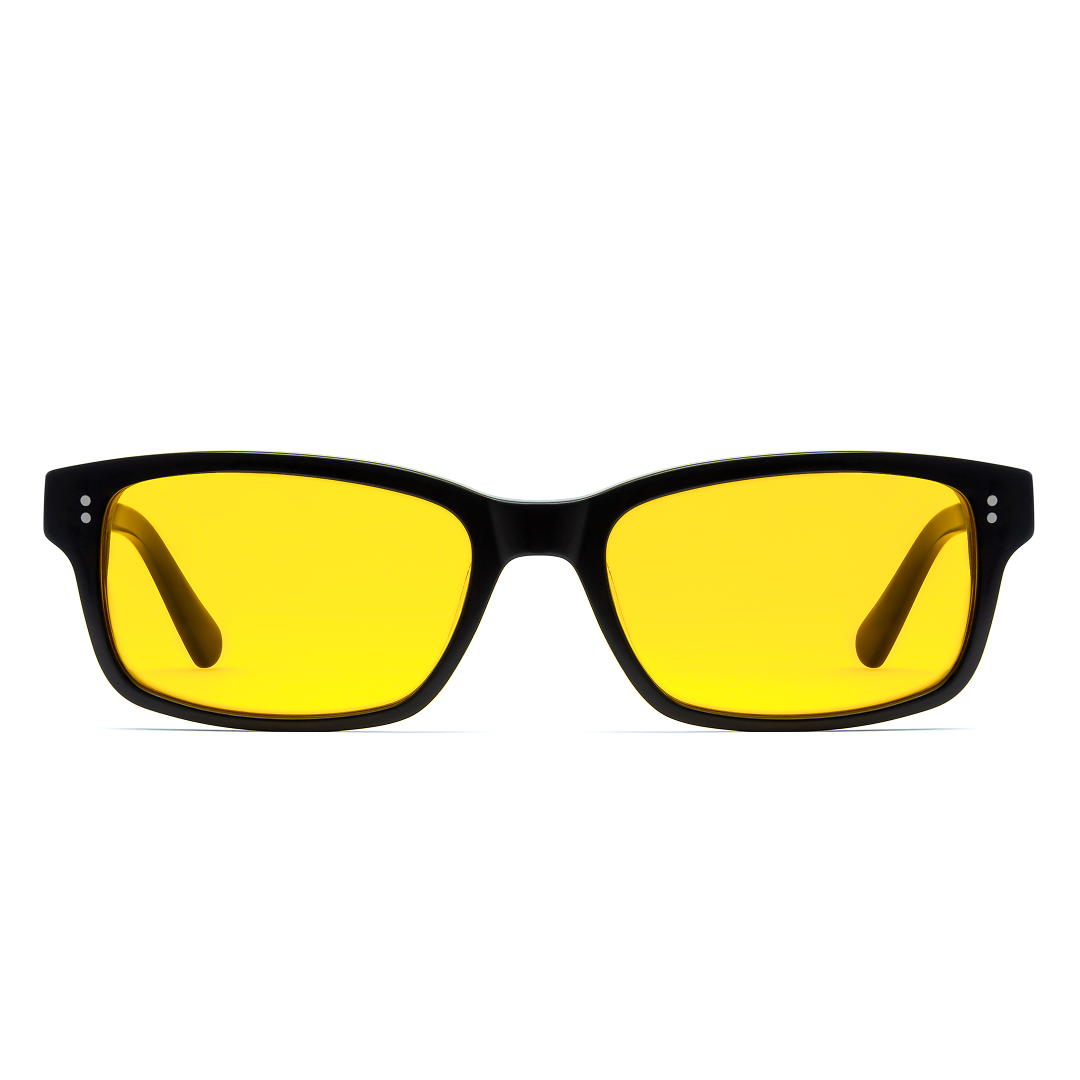
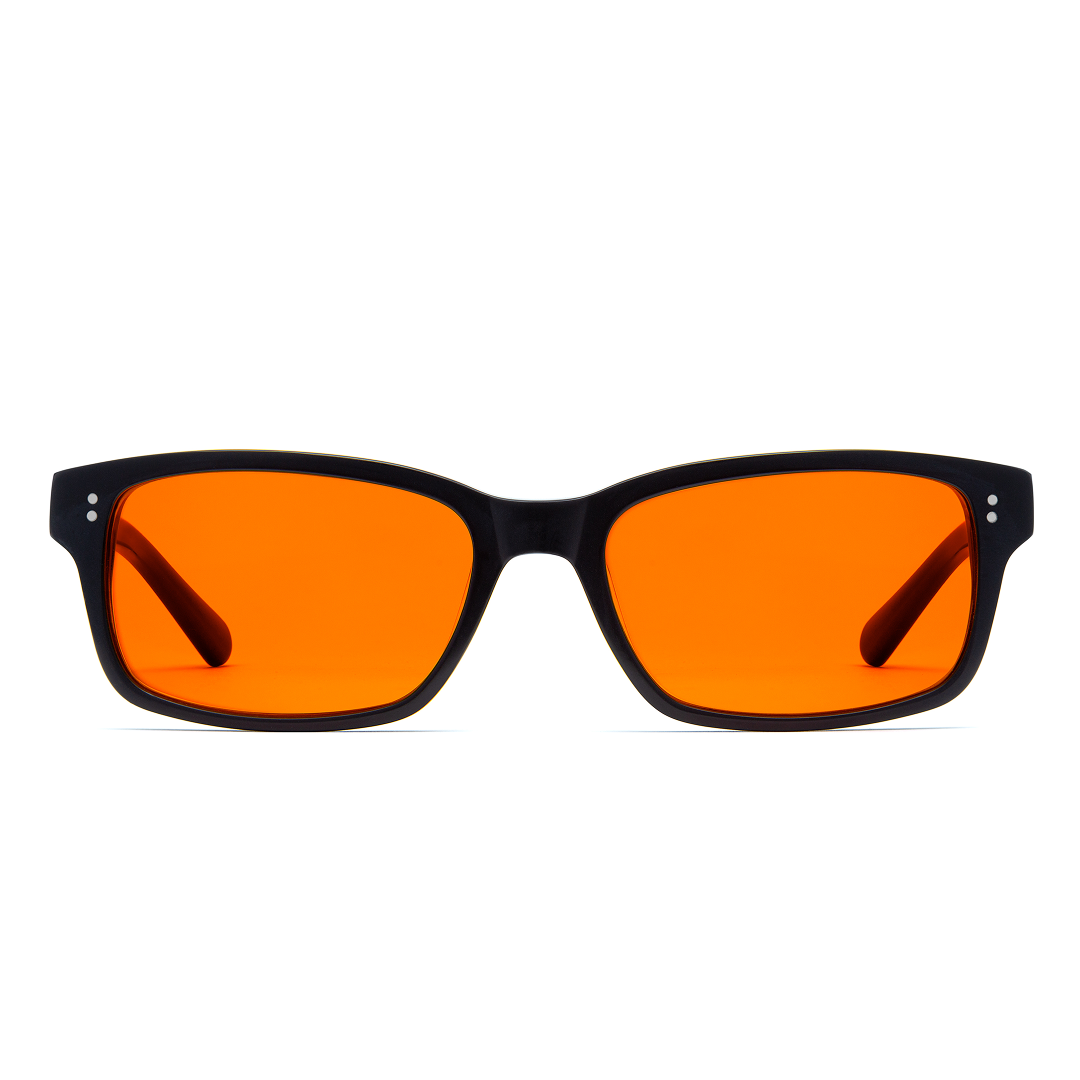
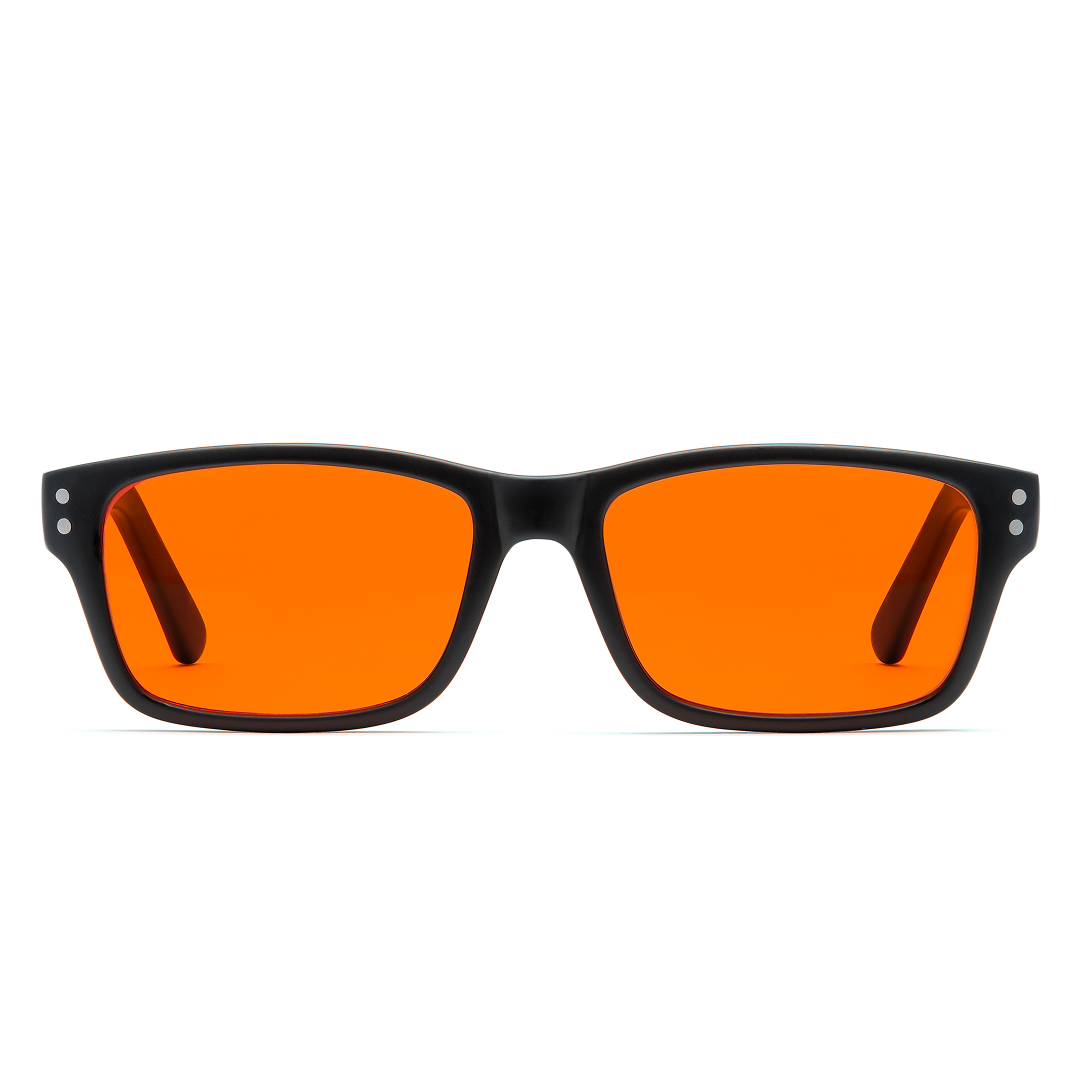
Use red/amber lighting at night.
-
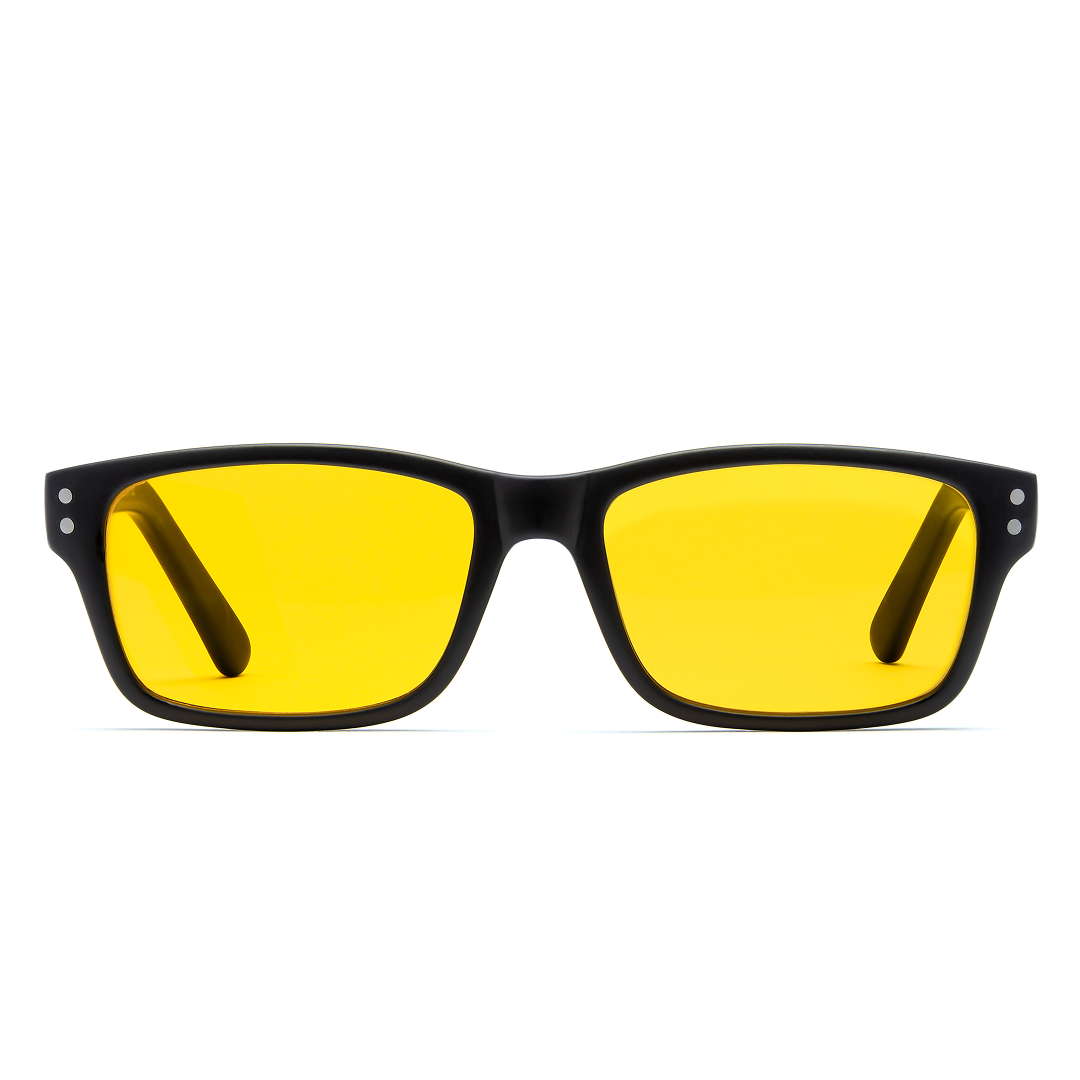
Avoid screens 2 hours before bed or use blue light blockers.
-
Mitigate flicker and blue spike from LEDs and fluorescents.
-
Support Mitochondria with Red/NIR Photobiomodulation:
-
Use 600-2500nm red/IR light for regeneration, especially in darker months.
-
Hydrate with Deuterium-Depleted or Structurally Coherent Water:
-
Structured water around mitochondrial membranes is essential for energy transfer and charge separation.
-
Grounding, Nature, and Movement:
-
Barefoot contact with earth restores electrical potential.
-
Movement pumps lymph and structures intracellular water.
Conclusion
The rhythm of life is light. From the photon-absorbing proteins in our eyes and skin to the light-sensitive mitochondria fueling every biological process, our health is orchestrated by the electromagnetic symphony of nature.
All-cause mortality peaks in seasons where this connection is lost. Indoors. Under artificial light. Detached from sunrise and rhythm.
To reclaim our health, energy, and clarity, we must step back into the light. Not the artificial glare of screens, but the coherent, healing, life-sustaining glow of the full solar spectrum. Our mitochondria remember. Our biology responds. Light is not optional. It is foundational.
Nature doesn't make mistakes. Humans do, when we filter or avoid her design.


Disclaimer
The information on this site is provided by BioSpectral Systems for educational and informational purposes only. It is not intended to diagnose, treat, cure, or prevent any disease and has not been evaluated by the U.S. Food and Drug Administration or any other regulatory authority. Always consult a qualified healthcare professional before making any changes to your health regimen. By using this site, you acknowledge that you do so at your own discretion and agree that BioSpectral Systems, its affiliates, and contributors are not liable for any outcome resulting from the use of the information presented.
Share:
Does Near-Infrared Light Therapy Cause Hyperpigmentation?
Visible Light Hygiene: Impact of Circadian Rhythms on Health