

What Is Hyperpigmentation?
Hyperpigmentation, or dark spots on the skin, is often misunderstood. Contrary to the narrative blaming ultraviolet (UV) light as the sole culprit, a significant cause of hyperpigmentation is actually the lack of natural sunlight. When deprived of full-spectrum light, the skin may respond by migrating melanin to the surface, an adaptive mechanism to capture more sunlight. This phenomenon is often exacerbated in areas exposed to artificial light or those receiving inadequate sunlight.
Hyperpigmentation is best understood as a context dependent adaptation, not a cosmetic mistake made by the skin. Melanin is one of the body’s most intelligent biological materials. It helps absorb, redistribute, and manage light energy, protects tissues from excessive oxidative stress, and plays a central role in how the skin communicates with the environment. When the skin is exposed to a balanced solar spectrum in the correct sequence across the day, infrared first, then red, then ultraviolet A, and finally ultraviolet B when appropriate, melanin production and distribution tend to become more organized and protective. When that sequence is broken by indoor living, artificial light, circadian disruption, stress, poor sleep, and a lack of broadband natural light, melanin behavior can become more erratic, patchy, and compensatory.
This is one of the reasons so many people become confused when discussing whether near infrared light “causes” hyperpigmentation. In isolation, that question misses the bigger biological picture. Near infrared is part of the same solar spectrum that humans evolved under, and in nature it arrives in huge amounts before stronger ultraviolet exposure ever reaches the skin. Its role is preparatory. It helps structure water, improve circulation, support mitochondrial function, and create the redox conditions that allow the skin to meet later light exposure with more resilience. The issue is almost never near infrared itself. The issue is the modern context in which people are using light, often disconnected from natural daylight, overloaded with artificial blue light, metabolically stressed, and then trying to solve a whole systems problem with a single wavelength device.
Instead of demonizing UV light, it's essential to understand how balanced, full-spectrum sunlight including red and near-infrared (NIR) light} plays a vital role in skin health and overall well-being. This article explores the science behind red and NIR light therapy, its benefits for the skin, and why broadband light exposure is superior to narrowband LED devices.
The Benefits of Red and Near-Infrared Light
Red and NIR light are integral components of natural sunlight and have been shown to support skin health and cellular function. Here's why they matter:
-
Promotes Cellular Energy (ATP Production)
-
Red and NIR light stimulate the mitochondria, the powerhouses of cells, enhancing ATP production. This energy boost supports skin repair, reduces oxidative stress, and promotes overall cellular health.
Reduces Inflammation
-
Red and NIR light reduce pro-inflammatory cytokines, which are often elevated due to environmental stressors like artificial light. By calming inflammation, these wavelengths help mitigate redness, swelling, and other skin irritations.
Supports Collagen Production
-
Red light stimulates fibroblasts, cells responsible for producing collagen and elastin, improving skin elasticity, reducing fine lines, and accelerating wound healing.
Improves Blood Circulation
-
NIR light penetrates deeper layers of the skin, enhancing blood flow and delivering vital nutrients and oxygen to tissues. This contributes to a healthier, more radiant complexion.
Balances Melanin Production
-
Regular exposure to natural, balanced light sources, including red and NIR wavelengths, helps regulate melanin production and distribution, reducing the risk of hyperpigmentation.
Hyperpigmentation and Artificial Light
Artificial light sources, such as LEDs and fluorescent lighting, lack the full spectrum of sunlight and often emit unbalanced blue wavelengths. This unbalanced light exposure disrupts circadian biology, increases oxidative stress, and may contribute to melanin dysfunction. Areas of the skin frequently exposed to artificial light or deprived of sunlight are more prone to hyperpigmentation due to the skin's adaptive need to protect itself.
Why Broadband Light Therapy Outperforms Narrowband LED Devices
Broadband light therapy mimics the diverse wavelengths found in natural sunlight, providing a more holistic approach to skin and cellular health. Here's why broadband is superior:
-
More Comprehensive Wavelengths: Broadband light includes a variety of wavelengths, supporting multiple cellular functions simultaneously.
-
Synergistic Effects: The combination of wavelengths works synergistically to optimize energy production, reduce inflammation, and promote repair mechanisms.
-
Avoids Overstimulating Specific Pathways: Narrowband LEDs often focus on a single wavelength, which can overstimulate certain cellular processes while neglecting others. This imbalance may reduce overall efficacy.
Conclusion
Hyperpigmentation is not simply a result of UV exposure but often a consequence of insufficient sunlight and overexposure to artificial light. Incorporating red and NIR light through natural sunlight or broadband light therapy can restore balance, improve skin health, and reduce the risk of dark spots. Unlike narrowband LED devices, broadband light provides a more comprehensive and effective approach to promoting overall well-being.
References
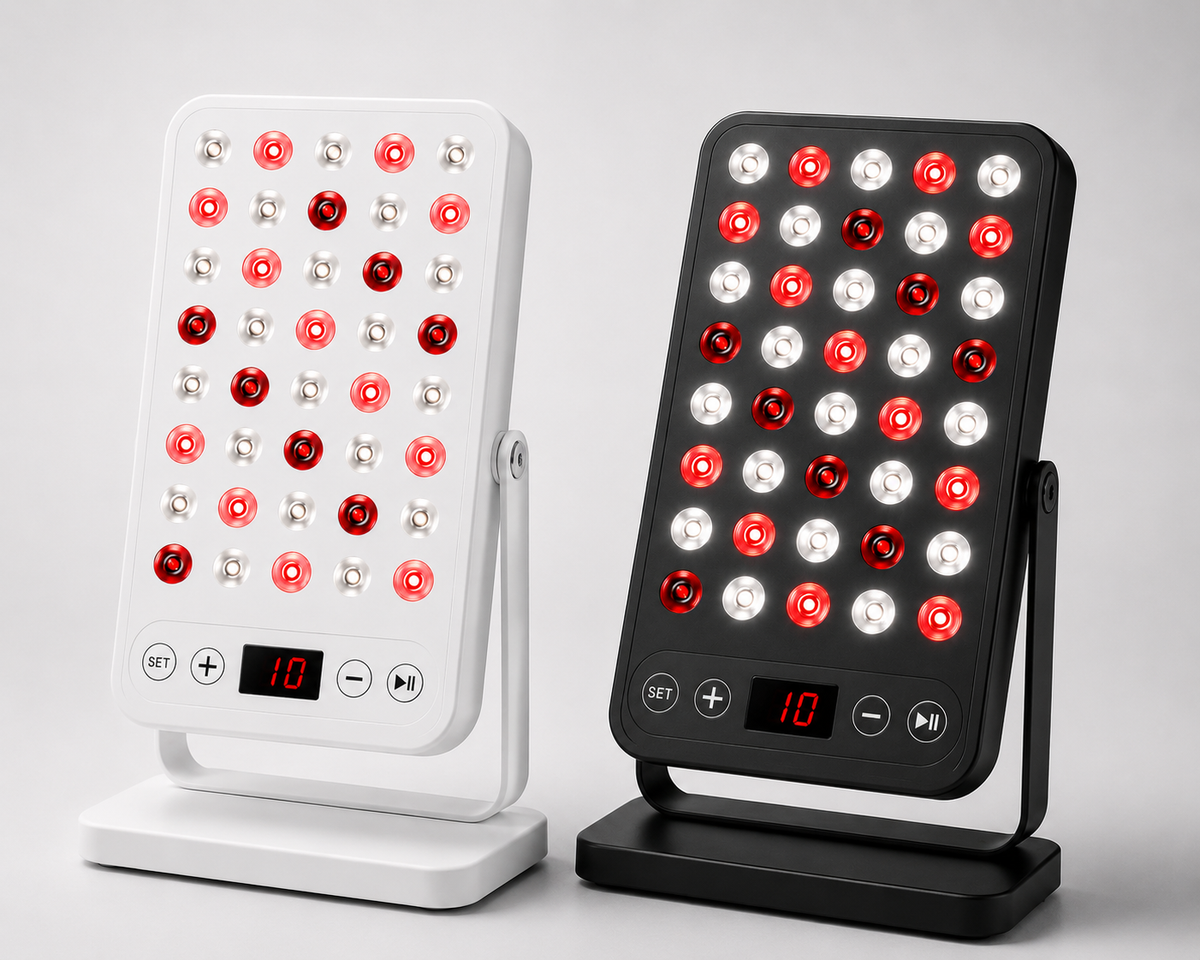
One final point that I believe will become increasingly important over the next few years is dose. In my view, many modern red light therapy panels are being pushed at power densities far beyond anything nature intended human skin to receive from a man made device, especially when they exceed about 60 milliwatts per square centimetre at close distances. Sunlight delivers red and near infrared within a dynamic, self regulating, broadband context, not as an intense, narrow, electrically generated blast from an alternating current powered panel pressed close to the body. There is a meaningful difference between nourishing the system with light and overwhelming it with a highly concentrated artificial signal. I believe this excessive intensity will eventually be shown to carry risks, particularly for people already under high oxidative, inflammatory, or pigmentary stress, and if that happens it may unfortunately give responsible light therapy a bad name. The wiser path is to respect dose, context, distance, timing, and the superiority of natural sunlight wherever possible.
By embracing natural sunlight and balanced light therapies, we can achieve healthier skin and a more vibrant life.




Disclaimer
The information on this site is provided by BioSpectral Systems for educational and informational purposes only. It is not intended to diagnose, treat, cure, or prevent any disease and has not been evaluated by the U.S. Food and Drug Administration or any other regulatory authority. Always consult a qualified healthcare professional before making any changes to your health regimen. By using this site, you acknowledge that you do so at your own discretion and agree that BioSpectral Systems, its affiliates, and contributors are not liable for any outcome resulting from the use of the information presented.
Share:
Structured Water Explained: Physics of Living Systems
The Biophysics of Outdoor Light