

How can a Migraine be helped naturally?
Green light therapy for migraines is emerging as a promising non pharmaceutical approach for reducing migraine headaches, photophobia and light sensitivity, with research focusing particularly on narrow band green light around 520 to 530 nm.
It sounds almost too simple, yet green light is one of the more fascinating non pharmaceutical interventions being investigated for migraine relief. Early human research suggests that narrow band green light may reduce headache frequency, photophobia and pain in some people.
For me, however, the green light research opens a much bigger conversation.
Migraine does not occur independently of the environment. The brain is continuously receiving and processing information from light, darkness, temperature, movement, food, sleep, electromagnetic fields, sensory stimulation and the timing of these signals. If changing one relatively narrow band of visible light can alter retinal activity, thalamic signaling, cortical activity and potentially pain perception, we should be asking what the entire environment surrounding the nervous system is doing.
That is how I would approach someone suffering from migraine. Green light may be one useful intervention, but I would be thinking about a much broader stack: natural morning light, darkness at night, artificial light and AC powered lighting flicker, green light, cooling, sleep architecture, movement, omega 3 rich seafood, magnesium, riboflavin, hydration, nervous system regulation, time in nature and reducing unnecessary technological and electromagnetic stressors.
The green light research is fascinating. The environment in which that green light sits is even more interesting.

The Eye Is Far More Than a Camera
Anyone who has experienced a severe migraine understands how unbearable light can become. This photophobia gives us an important clue, because light entering the eye does considerably more than create an image of the world.
The retina is neural tissue. Photoreceptors convert photons into electrical and chemical signals that influence networks throughout the brain. Alongside rods and cones we have melanopsin containing intrinsically photosensitive retinal ganglion cells, or ipRGCs, which participate in non image forming responses to light and communicate with brain regions involved in circadian timing, alertness, autonomic physiology and other biological functions.
Research from Rami Burstein and colleagues helped demonstrate how retinal signals can converge onto dura sensitive neurons in the posterior thalamus and ultimately influence cortical regions associated with migraine. This provides a biological pathway through which the photons entering the eye can alter the experience of headache and photophobia.
Melanopsin is particularly sensitive to shorter wavelength visible light, with peak sensitivity around the blue cyan portion of the spectrum near 480 nm. But migraine photophobia is not exclusively a melanopsin phenomenon. Cone driven pathways are also deeply involved, which becomes important when we look at green light wavelength specifically. The eye is effectively an environmental sensor connected directly into the nervous system. Change the photons and you change the information entering that system.
The Strange Case of Green Light
One of the most interesting experiments came from Noseda, Bernstein, Burstein and colleagues and was published in Brain in 2016. Migraine sufferers were exposed to different colors of light including white, blue, green, amber and red.
Green behaved differently. It aggravated migraine significantly less than the other colors tested, and at lower intensities some participants actually experienced a reduction in headache intensity.
The researchers did not stop with subjective reports. They investigated retinal responses using electroretinography, cortical responses using visual evoked potentials and the behavior of dura and light sensitive neurons within the thalamus. Green produced smaller retinal and cortical responses than several of the other colors, while the relevant thalamic neurons were most responsive to blue and least responsive to green.
This is an important distinction. The potential benefit does not necessarily mean green is universally a "healing wavelength." It appears that the migraine brain processes this particular spectral input differently.
For the geeks: the mechanistic evidence points toward an interaction between cone driven retinal signaling, melanopsin containing retinal ganglion cells, thalamic processing and cortical activity. Preclinical work adds another intriguing layer, suggesting that green light analgesia may recruit endogenous pain regulating pathways involving the rostral ventromedial medulla, beta endorphin, proenkephalin and opioid receptors. This starts to look much more interesting than a colored light bulb.
What Green Are We Actually Talking About?
This matters enormously because "green light" encompasses a broad section of the visible spectrum.
The human migraine studies have generally concentrated around approximately 520 to 530 nm narrow band green light. In the preliminary clinical trial, participants were exposed to approximately 525 nm narrow band LEDs at relatively low illuminance for one to two hours per day. The eyes remained open in an otherwise dark or dim environment, but participants were not instructed to stare directly into the light. That is fundamentally different from buying a bright green household bulb and flooding a room with it.
Spectrum, intensity, duration, timing, distance and the surrounding light environment all matter. One of the recurring lessons I have learned studying light biology is that dose matters, and more is not automatically better.
What Happened When Migraine Sufferers Actually Used Green Light?
The preliminary clinical results are genuinely interesting. A 2021 study included 29 people with episodic or chronic migraine. Participants first underwent ten weeks of white LED exposure, followed by a washout period and then ten weeks of green LED exposure. Green light was used for one to two hours each day.
Among participants with episodic migraine, average headache days fell from approximately 7.9 to 2.4 days per month. Among those with chronic migraine, headache days fell from approximately 22.3 to 9.4 days per month. Measures of pain, sleep, ability to work and quality of life also improved, and no adverse events were reported.
Those are impressive numbers, but they need context. This was only 29 people, there was no adequately powered double blind sham controlled design, and everyone received white light before green light. Order effects and expectation therefore cannot be excluded.
A subsequent real world open label study provided another interesting signal. Across more than 3,000 recorded attacks, headache improved in approximately 55%, photophobia in 53%, anxiety in 34%, and same night sleep in 49%. But again, this was open label and subject to substantial selection and expectation biases. So it looks promising and biologically plausible, but we are not saying full steam ahead on green light therapy yet.
Nature May Have Been Giving Us Green Light Therapy All Along
This is where I want to move beyond the clinical studies and share my own hypothesis. Walk into a healthy forest, jungle, woodland or grassland and one of the dominant colors reaching the visual system is green. Chlorophyll strongly absorbs portions of blue and red light while absorption falls through the green region. Healthy vegetation therefore exhibits a characteristic visible reflectance peak at approximately 550 nm.
Now look at the human visual system. Our three cone classes have overlapping spectral sensitivities. The medium wavelength, or M cone, photopigments have measured spectral peaks broadly around approximately 528 to 535 nm, depending upon genotype and measurement methodology.
Now put these observations beside the migraine research:
- Vegetation green reflectance peak: approximately 550 nm
- Human M cone peak region: approximately 530 nm
- Experimental migraine green light: approximately 520 to 530 nm
I find that convergence fascinating. My belief is that natural, chlorophyll rich environments may have provided something resembling nature's own everyday antimigraine light environment long before anyone thought about green light therapy. To be clear, this is not a claim that walking into a green space cures a migraine in progress, but it couldn't hurt. Natural green light is also broadband, dynamic and embedded within the full solar spectrum. It is not equivalent to monochromatic green LEDs, so it is much safer from a dose response standpoint if you don't yet know the optimal treatment for your condition.
For most of human existence, nobody needed to sit for an hour in front of a green therapeutic lamp. Human beings spent vastly more time outdoors surrounded by vegetation, trees, grasses and living ecosystems. Sunlight interacted continuously with leaves, water, soil and the atmosphere before reaching our eyes. The nervous system developed within that spectral world. Perhaps one part of what modern green light therapy is rediscovering is a narrow component of an environmental signal that was once woven into ordinary human existence.
That raises a much more important question for me: what happens when a nervous system designed within nature's spectral environment spends almost its entire life separated from it?
What Is Hitting the Retina During the Other 22 Hours?
If somebody asked me whether they should experiment with green light for migraine, my answer would probably be yes, assuming it is appropriate for them. But I would immediately ask what is happening during the rest of their day.
Do they wake indoors and immediately look at a phone? Do they get outside soon after waking? Do they spend eight hours underneath LEDs or fluorescent lighting? Are those lights flickering? Are they staring into high luminance screens for hours? Do they experience natural midday light? Are they outside around sunset? Is their home brightly illuminated late at night? Is the bedroom genuinely dark? Are they sleeping at consistent times?
A one hour therapeutic intervention cannot be understood independently of the other 23 hours of environmental signaling. This is why environment comes first in my model.
Circadian Rhythm and Sleep Have to Be Part of This Conversation
Migraine demonstrates significant circadian patterning. A systematic review and meta analysis found strong circadian features in migraine, while other research has associated circadian misalignment with attack frequency. Sleep and migraine also interact bidirectionally. Poor sleep can increase migraine vulnerability, while migraine itself can disrupt sleep.
We do not yet have strong clinical evidence proving morning sunlight as a migraine treatment. The evidence for circadian and morning light interventions in migraine remains preliminary. But biologically, I would still begin with the most fundamental circadian signal humans possess: natural outdoor light after waking.
Get outside soon after waking. Allow natural light to reach the eyes without glass in between when practical. I would not wear yellow or orange blue blocking lenses outdoors. Many influencers tell you to wear these outdoors or show that you can do it — big mistake. With orange lenses you're blocking the green light from mother nature that could be reaching your brain directly via the ocular pathway, which can make migraines worse. Under normal circumstances I want the retina exposed to the naturally changing spectral information of the outdoor environment.
This does not mean staring into the sun. It means being outside and allowing the sky and surrounding environment to provide the light signal, ideally in a green, chlorophyll rich space, rather than a concrete, asphalt and glass space. Then repeat that relationship with natural light throughout the day. Who would have thought that this is also a way to reduce dependency on sunglasses and strengthen your biology.
Darkness Is a Biological Signal Too
We spend enormous amounts of time discussing which wavelengths to add while ignoring the wavelengths that should disappear.
At night, I would reduce unnecessary artificial illumination, particularly bright blue and green enriched light. Warm and dim the environment, minimize screens where practical, remove unnecessary LEDs from the bedroom and make sleep genuinely dark. DC lighting is best, as it has very minimal ripple and no AC flicker pulsing unnaturally.
Human biology developed with a tremendous amplitude between naturally bright days and naturally dark nights. Modern indoor living compresses that amplitude. We experience relatively dim days indoors and surprisingly bright nights. For someone with a nervous system already demonstrating abnormal sensitivity to light, restoring a clearer distinction between biological day and biological night makes enormous sense to me.
Do Not Ignore Flicker
Spectrum is only one property of light. Two light sources can look virtually identical while behaving completely differently in time. Many LED and fluorescent sources rapidly modulate their output because of their electronic drivers. A person may not consciously see the flicker while the retina and nervous system are still receiving that temporal signal.
For a neurologically sensitive person, I would investigate the places where they spend the most time: home, school, workplace, screens, gaming environment and gym. I would want to understand both the spectrum and temporal characteristics of those environments. Migraine should make us interested in the quality of light, not simply whether a room appears bright enough.
Cooling Therapy May Be One of the Most Useful Things to Stack With Green
By now, I have run hundreds of cold face plunging workshops all over the world and seen a myriad of benefits, including reductions in migraine pain and prevention. Cooling therapy is particularly interesting because, unlike many speculative migraine interventions, it already has human clinical evidence.
A 2023 systematic review and meta analysis included six studies, four randomized trials and two quasi experimental studies. Interventions included cold gel headbands, cooling caps, ice packs and cooling applied to the neck, temples and head for approximately 15 to 50 minutes. The pooled evidence suggested meaningful short term pain reduction, particularly within approximately 30 minutes.
This is where devices such as cooling helmets become interesting to me. The review did not identify migraine trials specifically using a circulating cold fluid helmet, so I would not claim that any specific cooling helmet has been proven to treat migraine. But controlled cranial and cervical cooling is a logical extension of an intervention that already has clinical evidence and deserves direct investigation.
Pro tip: now imagine combining these principles during an acute episode — remove provocative artificial light, introduce low intensity narrow band green, cool the head or neck, eliminate unnecessary noise, reduce technological stimulation, slow the breath and allow the nervous system to settle. Rather than targeting one biochemical pathway, we are changing the sensory environment surrounding the organism. That is much closer to how I think about health.
What About Red Light Therapy and Near Infrared Light?
I am deeply interested in photobiomodulation and its relationship with mitochondrial and neurological function, but this is another area where precision matters.
Red and near infrared wavelengths interact with biology very differently from green. There is substantial mechanistic literature exploring photobiomodulation in relation to mitochondrial cytochrome c oxidase, nitric oxide, cellular energy metabolism, cerebral blood flow, oxidative signaling, inflammation and neuroprotection.
That makes photobiomodulation extremely interesting for brain health. But evidence from traumatic brain injury, stroke and neurodegenerative disease cannot simply be transferred to migraine.
Migraine specific clinical evidence remains preliminary. Small studies involving approximately 633, 808 and 810 nm have produced interesting signals, including reductions in headache days, pain or medication use, but the evidence is nowhere near mature enough to consider red or near infrared light an established migraine treatment.
There is also a fascinating apparent contradiction. In the Noseda color experiment, visible red light aggravated migraine more than green. That does not mean red light is inherently detrimental. It tells us that looking at visible red light during photophobia and delivering carefully dosed red or near infrared photobiomodulation to biological tissue are completely different interventions.
Wavelength, irradiance, dose, pulsing, tissue target and timing all matter. I would therefore consider red and near infrared photobiomodulation an interesting secondary experiment once the more fundamental environmental pieces are addressed.
One of the Strongest Signals Has Nothing to Do With Light
One of the findings that caught my attention most strongly while researching this topic came from nutrition. A randomized controlled feeding trial published in The BMJ studied 182 adults with migraine. Increasing EPA and DHA to approximately 1.5 grams per day reduced headache frequency, while combining increased EPA and DHA with reduced linoleic acid produced an even greater reduction.
The higher omega 3 intervention produced approximately two fewer headache days per month compared with the control diet, while the higher omega 3 and lower linoleic acid intervention produced approximately four fewer headache days per month. Further research and meta analytic evidence supporting omega 3 fatty acids have shown that consuming omega 3 fatty acids is one of the stronger nutritional signals in migraine. This is one of the benefits of being what I call a Seafodtarian.
From my perspective, I would start with food wherever practical. Sardines, anchovies, salmon, mackerel, herring, shellfish and fish roe provide EPA and DHA within a much broader nutritional matrix relevant to neural and mitochondrial biology.
That does not mean seafood itself has been demonstrated to treat migraine. The controlled trials manipulated fatty acid intake. But it gives us a useful direction for building the nutritional environment rather than immediately reaching for another isolated capsule that's probably oxidized.
Magnesium, Riboflavin and the Mitochondrial Piece
Magnesium and riboflavin deserve attention because they combine biological plausibility with meaningful clinical evidence. Riboflavin provides the precursors for FMN and FAD, flavin cofactors fundamental to cellular redox reactions and mitochondrial energy metabolism. Magnesium participates in hundreds of enzymatic reactions and is intimately involved in ATP biology, membrane physiology, neuromuscular function and neuronal excitability. Oysters and beef liver are my choice here.
The evidence synthesis found support for migraine prophylaxis with magnesium and riboflavin, with riboflavin also having pediatric evidence. The pediatric literature is not perfectly consistent, but reductions in migraine frequency, migraine days and analgesic use have been reported, and tolerability is generally good. CoQ10 is also mechanistically interesting through the mitochondrial electron transport chain. Lamb is my go to for this.
My approach would be to think about the terrain rather than simply creating a supplement stack. What does this person eat? What could they be deficient in? What is their metabolic demand? What does appropriate testing show? Then use supplementation intelligently where it makes sense.
Movement Is Therapy Too
Exercise has a respectable evidence base in migraine. Meta analyses suggest aerobic exercise can produce modest but significant reductions in monthly migraine days, and randomized evidence supports regular aerobic activity as part of migraine management. But this is pretty obvious in my eyes, except for the fact that this must be done outside. That is pivotal. Context is everything for exercise.
My preference is to stack movement with other useful environmental inputs. Walk outdoors in morning light. Move through natural environments. Swim. Spend time barefoot on natural ground where it is safe and practical. Natural grounding itself does not have an established clinical evidence base for migraine, and I would not present it as though it does. I include it because reconnecting with the earth, moving outside and spending time within living environments are part of the foundational environment I want someone inhabiting.
One behavior can deliver movement, outdoor light, visual distance, nature exposure, temperature variation and nervous system regulation simultaneously. That is a very different model from collecting twenty isolated biohacks.
Heat Has a Different Place
I use and value heat exposure in many contexts, but I would not automatically put someone into a sauna during an acute migraine. Heat exposure can influence circulation, heat shock pathways, relaxation and cardiovascular physiology, but overheating and dehydration can also trigger or worsen migraine in susceptible people. For an active attack, the direct evidence currently favors localized cooling rather than heating. Sauna and other hormetic heat exposures can be explored separately as part of someone's broader health strategy if they tolerate them well.
The Nervous System Cannot Be Separated From Any of This
Migraine is not simply a vascular problem, mitochondrial problem, retinal problem, magnesium deficiency or circadian problem.
The nervous system is continuously integrating information from the internal and external environment. Stress, anticipation, sensory overload, sleep disruption, emotional state, pain expectation and environmental stimulation can all influence that system.
This is why I would include simple strategies such as slow nasal breathing, longer comfortable exhalations, meditation, stillness, quiet, gentle movement, social connection and time in nature. These are inexpensive ways of changing the state of the organism rather than continually adding another external intervention. The objective is to reduce unnecessary sensory load while improving the signals we actually want the nervous system to receive.
How I Would Build the Environment for Natural Migraine Relief
If someone close to me were dealing with recurrent migraine, I would think in two phases: improve the baseline environment every day, then have a deliberate environment ready for an acute episode.
For the baseline, I would establish a consistent waking time and get outside soon after waking. I would create bright natural days and genuinely dark nights, investigate artificial lighting and flicker, prioritize outdoor movement, improve sleep consistency, eat omega 3 rich whole foods, maintain adequate hydration and mineral intake, consider magnesium and riboflavin where appropriate, establish a stable eating rhythm, reduce unnecessary sensory and technological load, and spend considerably more time in natural environments. I would eat seafood, offal and a broad spectrum sea salt daily.
I would also investigate individual patterns. Migraine is heterogeneous. Sleep, stress, screens, particular lighting environments, foods, menstrual cycle, exercise, weather, dehydration, travel and other variables can matter differently between individuals.
Then I would build an acute migraine environment.
At the earliest signs of an attack, move away from provocative bright artificial lighting and screens into a quiet, low stimulation environment. If experimenting with green light, I would want a zero flicker source around 520 to 530 nm at low intensity, used indirectly with the eyes open rather than stared into. The preliminary human studies have generally used around one to two hours of exposure.
I would consider stacking that with controlled head or neck cooling for approximately 15 to 30 minutes, because localized cooling has direct evidence for short term migraine pain reduction. Then reduce noise, hydrate appropriately, slow the breath and minimize unnecessary sensory stimulation.
I would track what happens: headache frequency, intensity and duration, photophobia, sleep, food, stress, screen exposure, lighting environment, exercise, weather, menstrual cycle where relevant, and which interventions were used and how quickly they were introduced. This is important for finding out what works for you, so you can eventually get to a place where you don't need this protocol.
The goal is to turn the individual into an intelligent observer of their own biology.
My Takeaway: Green Light Is Interesting. The Environment Is More Interesting.
This is ultimately what I take away from all of this research. Green light may help migraine. The preliminary clinical results are compelling enough that I think we need much larger and better controlled trials. But the deeper lesson for me is that photons are biological energy and information.
A photon striking the retina can initiate electrical and chemical events that propagate through retinal circuits and influence the thalamus, hypothalamus, cortex and other neural systems. Temperature changes sensory information. Food changes substrates and signaling molecules. Movement changes metabolism and neurochemistry. Sleep changes the threshold at which the nervous system responds to all of them. These systems do not exist independently.
The human being is an open biological system continually exchanging energy and information with the environment. This is why I am less interested in asking, "Which device fixes migraine?"
I am much more interested in asking: what combination of environmental inputs gives this person's brain, mitochondria and nervous system the greatest opportunity to regulate themselves?
Green light may be one useful component. Cooling may be another. Omega 3 rich food, magnesium, riboflavin, movement and sleep may contribute from completely different directions. Morning sunlight establishes biological timing. Darkness allows nighttime biology to occur. Nature changes the visual, thermal, sensory and psychological environment simultaneously.
And perhaps those chlorophyll rich environments surrounding our ancestors every day were doing more than looking beautiful. The approximately 550 nm green reflectance peak of vegetation, sitting remarkably close to the spectral region of our M cone system and the 520 to 530 nm green wavelengths now being investigated for migraine, makes me wonder whether modern green light therapy is partly rediscovering an environmental signal that nature had already placed around us.
Most times the most powerful intervention is not adding another treatment. It is rebuilding the environment the biology was designed to live within.
Practical Starting Framework for Natural Migraine Relief
For someone who has already received an appropriate clinical assessment, my rough starting framework would look like this.
Every day: maintain a consistent sleep and wake rhythm, get outside soon after waking, seek regular natural light throughout the day, spend time in chlorophyll rich natural environments, move outdoors regularly, investigate artificial lighting and flicker, reduce unnecessary evening light and screens, create a dark and cool sleeping environment, prioritize omega 3 rich whole foods, maintain appropriate hydration and minerals, and consider magnesium and riboflavin intake or supplementation with appropriate professional guidance.
During an attack: reduce bright artificial light, screens, noise and unnecessary sensory stimulation. Move into a quiet dim environment. If tolerated, experiment with low intensity narrow band green around 520 to 530 nm, indirectly rather than staring into the source, with the research generally using approximately one to two hours. Consider localized head or neck cooling for around 15 to 30 minutes, hydrate appropriately and use slow breathing and stillness to reduce additional nervous system load.
Once the foundations are established: carefully dosed red or near infrared photobiomodulation, more sophisticated cooling technologies such as circulating cooling helmets, individualized nutritional interventions and other targeted approaches become interesting areas to explore. Their migraine specific evidence is currently less mature, so I would treat them as secondary experiments rather than foundational interventions.
Most importantly, change a small number of variables at a time and measure the response. Throwing twelve interventions at somebody simultaneously may produce improvement, but it teaches us very little about their individual biology.
Tools That Support This Framework
None of the following are presented as proven migraine treatments. They are tools that fit within the environmental framework above, once the foundational pieces — light, darkness, sleep, nutrition and nervous system regulation — are already in place.

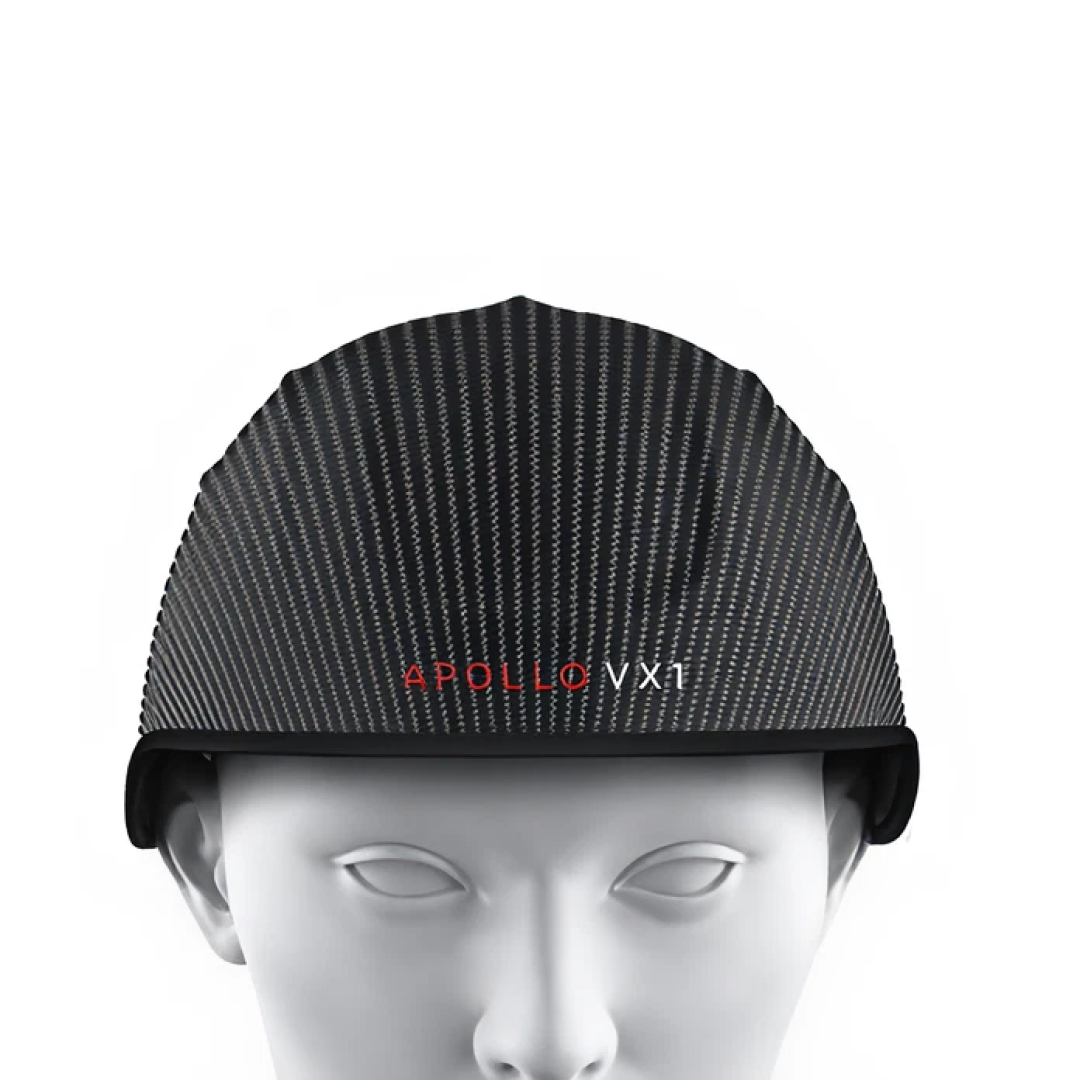
APOLLO VX1 Photobiomodulation Helmet
Our red and near infrared photobiomodulation helmet, built to deliver targeted light to the scalp and brain in support of mitochondrial energy production. As discussed above, red and near infrared PBM is a secondary experiment I would explore once the baseline environment is already addressed, not a first line acute intervention. Precision, dose and timing all matter here just as they do with green light.

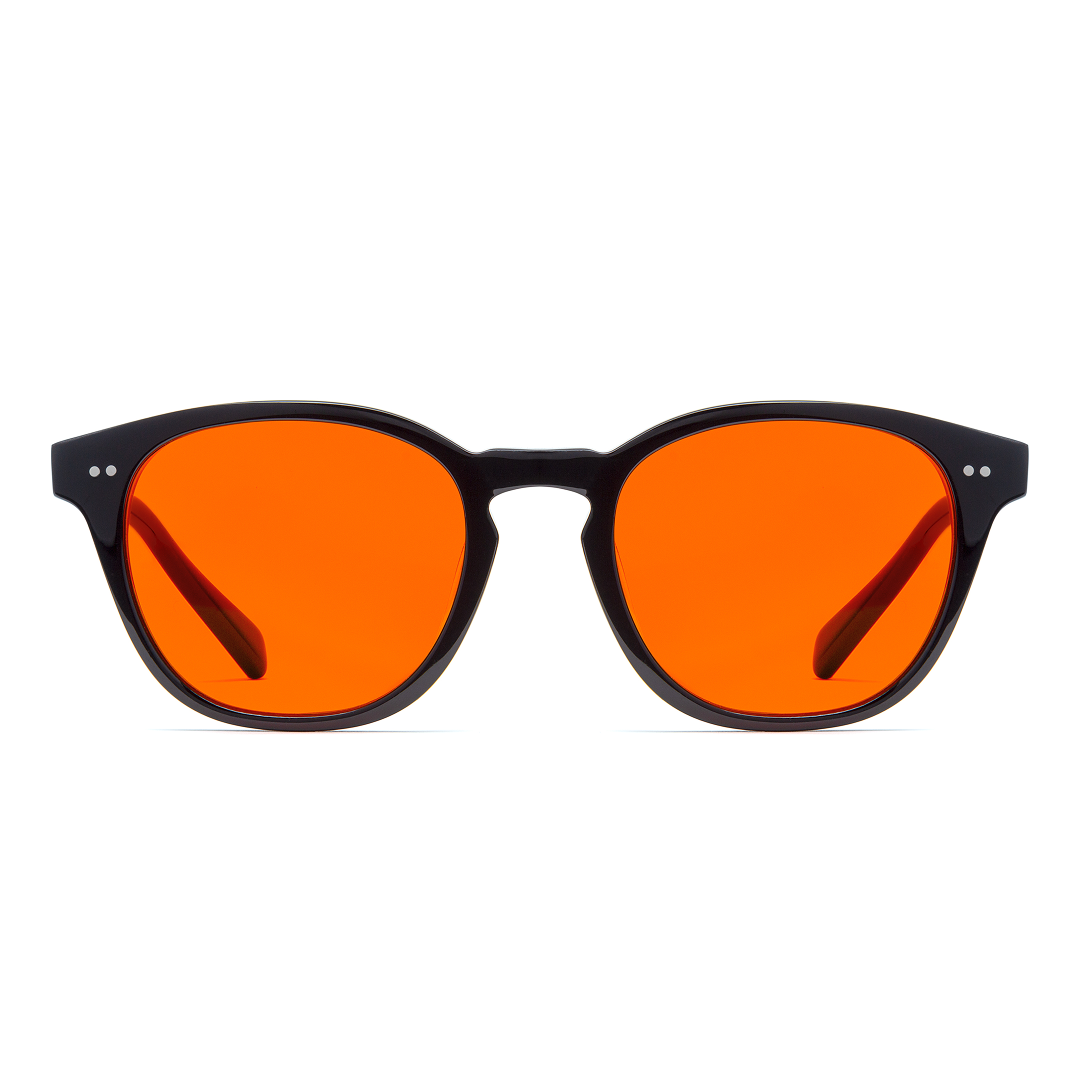
An evening lens built to reduce unnecessary blue and green light exposure after sunset, supporting the "darkness is a biological signal too" piece of this framework. A rich obsidian black frame in premium Italian Mazzucchelli acetate, for anyone rebuilding a clearer line between biological day and biological night.

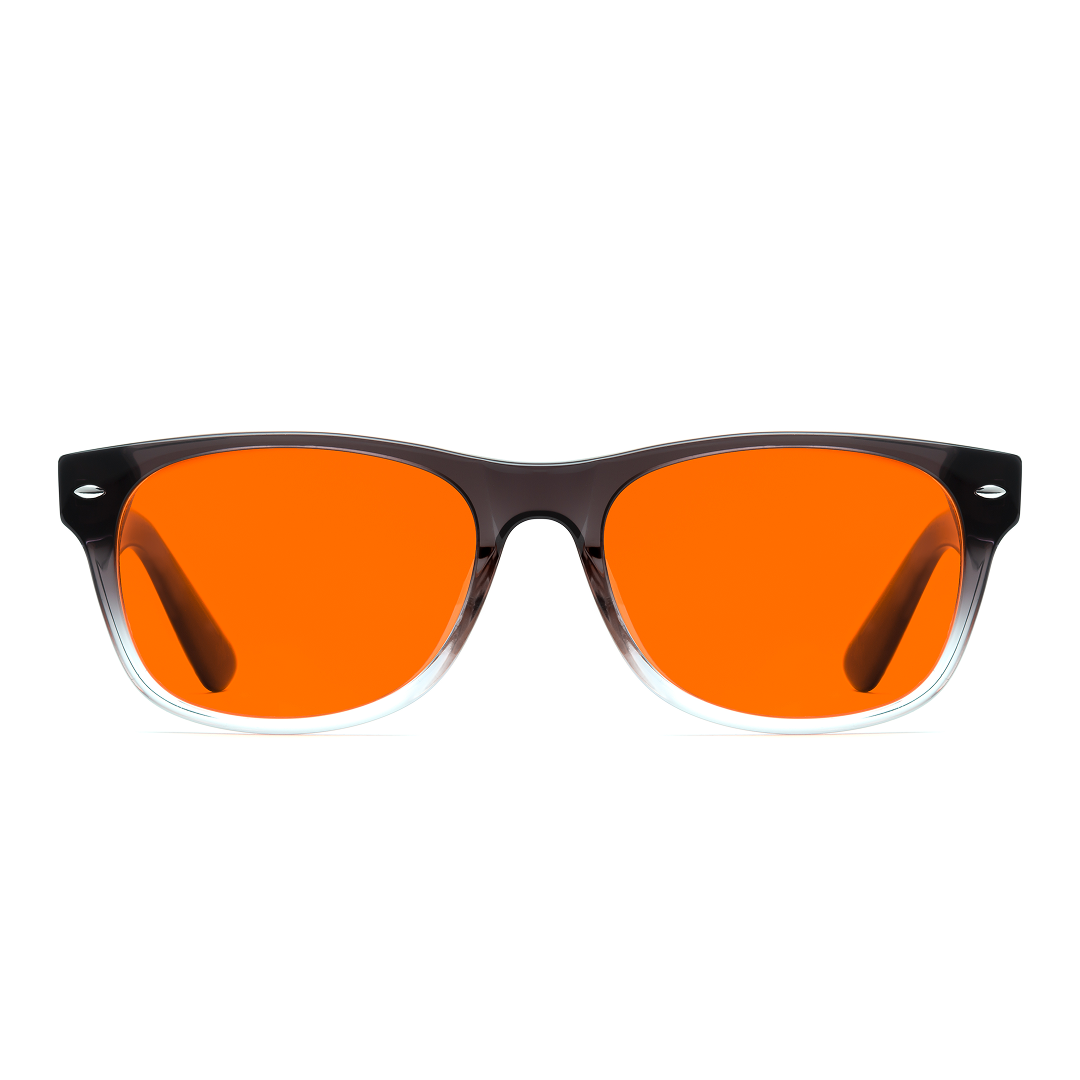
A rectangular evening frame with an ombre edge, built on the same blue and green light reducing lens as the rest of our Night collection — useful for winding down screens and artificial light in the hours before sleep, part of restoring that day and night amplitude.

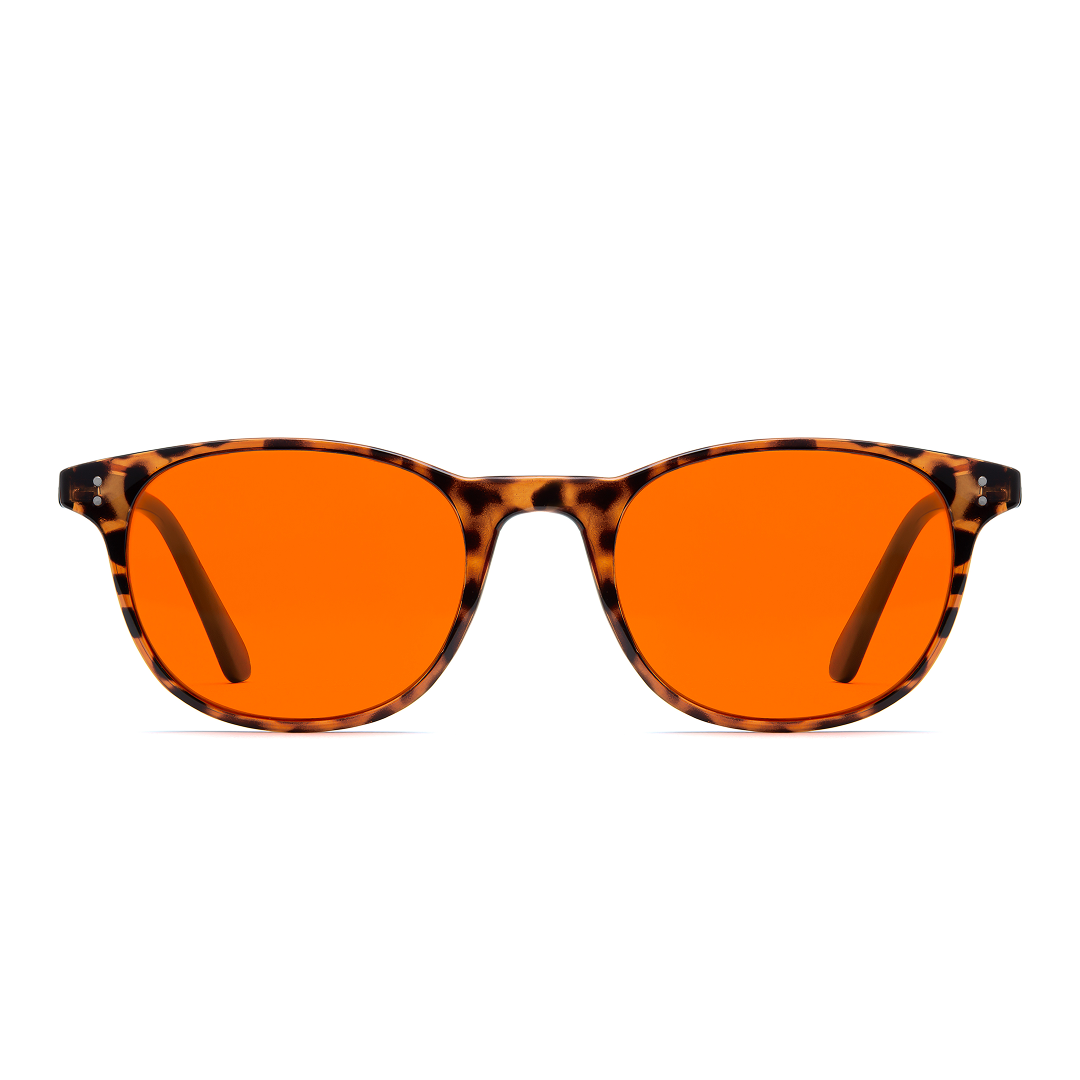
A classic tortoise frame with a black arm accent, unisex and easy to wear through an evening wind-down routine — another option for anyone building a consistent nightly light hygiene practice alongside the environmental strategies above.
Frequently Asked Questions About Green Light Therapy for Migraines
How do you fix a migraine fast, naturally?
There is no single fix that works instantly for everyone, but the research points to a stack of natural approaches that can meaningfully shorten an attack or reduce how bad it gets: narrow band green light exposure at low intensity, localized cooling at the head or neck, a dark and quiet environment to reduce photophobia, hydration, and, once the acute attack has passed, addressing the underlying drivers with magnesium, riboflavin, omega 3 intake and consistent sleep timing. Reaching for a single "miracle fix" tends to work less well than combining a few of these at once, which is why we frame this as building an environment rather than finding one trick.
Does green light therapy work for migraines?
Preliminary human research is promising but not yet definitive. A small crossover trial found meaningful reductions in headache days after ten weeks of narrow band green light exposure, and a larger real world open label study reported improvement in headache, photophobia, anxiety and sleep in a majority of recorded attacks. Both studies have real limitations, including small sample sizes and a lack of blinded, sham controlled design, so green light therapy should currently be considered a promising, biologically plausible tool rather than a proven cure.
What wavelength of green light is used for migraine relief?
Human migraine research has concentrated on narrow band green light around 520 to 530 nm, generally delivered at approximately 525 nm and at relatively low illuminance. This is different from a standard green household bulb, which emits a much broader and brighter spectrum.
How long do you need to use green light therapy for migraines?
The preliminary clinical trials generally used approximately one to two hours of daily exposure, with the light kept at low intensity, viewed indirectly with the eyes open rather than stared into, in an otherwise dark or dim room.
Why does green light feel different from other colors during a migraine?
Research comparing white, blue, green, amber and red light in migraine patients found that green produced the smallest increase in headache intensity and, at low intensities, sometimes reduced it. Retinal and cortical responses to green light were also smaller than to the other colors tested, and the thalamic neurons implicated in migraine pain were least responsive to green and most responsive to blue.
Is green light therapy safe to try at home?
The published studies reported no adverse events using low intensity, narrow band green LEDs for one to two hours daily. As with any light based intervention, spectrum, intensity, duration and distance from the light source all matter, and anyone with an underlying eye condition or ongoing migraine care should check with their own doctor before adding a new intervention.
What is photophobia and why does it matter for migraine?
Photophobia is an abnormal sensitivity to light that commonly accompanies migraine attacks. It occurs because light signals reaching the retina, including from cone photoreceptors and melanopsin containing ganglion cells, converge on pain processing regions of the thalamus and cortex. This is part of why the color, intensity and timing of light exposure can meaningfully affect migraine symptoms.
What else helps with natural migraine relief besides light?
The strongest non light signals in the research include increasing omega 3 fatty acid intake (EPA and DHA) while reducing linoleic acid, magnesium and riboflavin supplementation, regular aerobic exercise (ideally outdoors), consistent sleep timing, and short periods of localized head or neck cooling during an attack. None of these should replace medical care, but they form a reasonable foundation alongside any light based intervention.
Can red light therapy or near infrared light help migraines too?
Red and near infrared photobiomodulation is mechanistically interesting for brain and mitochondrial health, but migraine specific evidence is still preliminary and should not be assumed to transfer from traumatic brain injury or neurodegenerative disease research. Interestingly, visible red light actually aggravated migraine more than green in controlled testing, which is a reminder that looking at red light and receiving a carefully dosed red or near infrared PBM treatment are two very different things.
References
- Martin LF, Patwardhan AM, Jain SV, et al. Evaluation of Green Light Exposure on Headache Frequency and Quality of Life in Migraine Patients: A Preliminary One Way Cross Over Clinical Trial. Cephalalgia. 2021. PMID 32903062
- Hou TW, Yang CC, Lai TH, Wu YH, Yang CP. Light Therapy in Chronic Migraine. Current Pain and Headache Reports. 2024.
- Lipton RB, Melo Carrillo A, Severs M, et al. Narrow Band Green Light Effects on Headache, Photophobia, Sleep, and Anxiety Among Migraine Patients. Frontiers in Neurology. 2023. PMID 37859647
- Noseda R, Bernstein CA, Nir RR, et al. Migraine Photophobia Originating in Cone Driven Retinal Pathways. Brain. 2016. PMID 27190022
- Sforza M, Mariani I, Fazzini F, et al. Interventions for Migraine and Sleep: A Systematic Review Exploring Their Bidirectional Association. European Journal of Neurology. 2026.
- Artemenko AR, Filatova E, Vorobyeva YD, et al. Migraine and Light: A Narrative Review. Headache. 2022.
- Posternack C, Kupchak P, Capriolo AI, Katz BJ. Targeting the Intrinsically Photosensitive Retinal Ganglion Cell to Reduce Headache Pain and Light Sensitivity in Migraine: A Randomized Double Blind Trial. Journal of Clinical Neuroscience. 2023. PMID 37150129
- Hsu YY, Chen CJ, Wu SH, Chen KH. Cold Intervention for Relieving Migraine Symptoms: A Systematic Review and Meta Analysis. Journal of Clinical Nursing. 2023.
- Ramsden CE, Zamora D, Faurot KR, et al. Dietary Alteration of N 3 and N 6 Fatty Acids for Headache Reduction in Adults With Migraine: Randomized Controlled Trial. BMJ. 2021. PMID 34526307
- Slomski A. Diets High in Omega 3 Fatty Acids Might Ease Migraines. JAMA. 2021.
- Slavin M, Li HA, Frankenfeld C, Cheskin LJ. What Is Needed for Evidence Based Dietary Recommendations for Migraine. Headache. 2019.
- Wang HF, Liu WC, Zailani H, et al. A 12 Week Randomized Double Blind Clinical Trial of Eicosapentaenoic Acid Intervention in Episodic Migraine. Brain, Behavior, and Immunity. 2024. PMID 38499208
- Tseng PT, Zeng BY, Chen JJ, et al. High Dosage Omega 3 Fatty Acids Outperform Existing Pharmacological Options for Migraine Prophylaxis: A Network Meta Analysis. Advances in Nutrition. 2024. PMID 38110000
- Talandashti MK, Shahinfar H, Delgarm P, Jazayeri S. Effects of Selected Dietary Supplements on Migraine Prophylaxis: A Systematic Review and Dose Response Meta Analysis of Randomized Controlled Trials. Neurological Sciences. 2025. PMID 39404918
- Seng EK, Martin PR, Houle TT. Lifestyle Factors and Migraine. Lancet Neurology. 2022. PMID 36115363
- Ong JC, Taylor HL, Park M, et al. Can Circadian Dysregulation Exacerbate Migraines? Headache. 2018.
- Benkli B, Kim SY, Koike N, et al. Circadian Features of Cluster Headache and Migraine: A Systematic Review, Meta Analysis, and Genetic Analysis. Neurology. 2023. PMID 36990725
- Sharp N, Burish MJ, Digre KB, et al. Photophobia Is Associated With Lower Sleep Quality in Individuals With Migraine. Journal of Headache and Pain. 2024.
- Lin TH, Yang CC, Lee SY, et al. The Effect of Bright Light Therapy in Migraine Patients With Sleep Disturbance. Frontiers in Aging Neuroscience. 2022. PMID 36742203
- Rodriguez JP, Quarteroni E, Varela LB, Escobar Liquitay CM, Garegnani LI. Magnesium Supplementation for Migraine Prophylaxis. Cochrane Database of Systematic Reviews. 2025.
- Karrento K, Rosen JM, Tarbell SE, et al. North American Society for Pediatric Gastroenterology, Hepatology, and Nutrition 2025 Guidelines for Management of Cyclic Vomiting Syndrome in Children. Journal of Pediatric Gastroenterology and Nutrition. 2025.
- Durham PL, Antonopoulos SR. Benefit of Dietary Supplementation of Nutraceuticals as an Integrative Approach for Management of Migraine. Current Pain and Headache Reports. 2024.
- Raggi A, Leonardi M, Arruda M, et al. Hallmarks of Primary Headache: Part 1, Migraine. Journal of Headache and Pain. 2024.
- Martello E, Aiyelabegan F, Orr J, et al. Systematic Review Suggests Nutraceuticals Containing Vitamin B2 Could Provide an Alternative Treatment for Paediatric Migraines. Acta Paediatrica. 2025. PMID 40411246
- Yamanaka G, Kanou K, Takamatsu T, et al. Complementary and Integrative Medicines as Prophylactic Agents for Pediatric Migraine. Journal of Clinical Medicine. 2021.
- Department of Veterans Affairs and Department of Defense. Clinical Practice Guideline for Management of Headache. 2023.
- Gazerani P. Episodic Migraine in the Pediatric Population: Behavioral Therapies and Other Non Pharmacological Treatment Options. Current Pain and Headache Reports. 2025.
- Wu HY, Wang CS, Liu YC, et al. Enhancing Chronic Migraine Preventive Therapy: Low Level 810 nm Laser Acupuncture as an Add On Treatment. BMC Complementary Medicine and Therapies. 2024.
- Ma H, Du Y, Xie D, et al. Recent Advances in Light Energy Biotherapeutic Strategies With Photobiomodulation on Central Nervous System Disorders. Brain Research. 2024. PMID 37783261
- Salehpour F, Mahmoudi J, Kamari F, et al. Brain Photobiomodulation Therapy: A Narrative Review. Molecular Neurobiology. 2018. PMID 29327206
- Hamblin MR. Photobiomodulation for Traumatic Brain Injury and Stroke. Journal of Neuroscience Research. 2018.
- Zomorrodi R, Loheswaran G, Pushparaj A, Lim L. Pulsed Near Infrared Transcranial and Intranasal Photobiomodulation Significantly Modulates Neural Oscillations. Scientific Reports. 2019.
Additional spectral context: leaf spectroscopy literature identifies a characteristic green reflectance peak around 550 nm, while Stockman, Sharpe and colleagues provide detailed measurements of human cone spectral sensitivities and M cone photopigment peaks (source).
This article is educational and does not replace individualized medical care. If you have migraine, please work with a qualified healthcare provider to build a treatment plan appropriate for you.




Disclaimer
The information on this site is provided by BioSpectral Systems for educational and informational purposes only. It is not intended to diagnose, treat, cure, or prevent any disease and has not been evaluated by the U.S. Food and Drug Administration or any other regulatory authority. Always consult a qualified healthcare professional before making any changes to your health regimen. By using this site, you acknowledge that you do so at your own discretion and agree that BioSpectral Systems, its affiliates, and contributors are not liable for any outcome resulting from the use of the information presented.
Share:
What Happens to Light After Your Body Absorbs It?