

Visible Light Hygiene
The human body is a highly intelligent system, carrying out millions of physiological processes without our conscious input. From hormone production to mitochondrial energy transfer and water generation, these processes don’t occur at random; they are deeply influenced by cues from our environment. One of the most powerful influences on these biological processes is light, both visible and invisible, alongside temperature changes.
One of the best-known cycles governing our biological processes is the Circadian Rhythm. This cycle plays a critical role in various bodily functions, influencing sleep, metabolism, gene expression, mental clarity, body composition, detoxification, and more. Circadian rhythms are biological clocks that operate on a roughly 24-hour cycle, aligning our internal processes with light and dark. This synchronization, known as chronobiology, is crucial for optimal health.
Nearly every tissue and organ in the body has its own biological clock, regulated by a master clock in the brain. This master clock, the suprachiasmatic nucleus (SCN) in the hypothalamus, keeps all the body’s biological clocks in sync, responding primarily to signals from the eyes and the light they detect. Humans, being diurnal, are naturally aligned to be active during the day and rest at night. Our biology is tethered to the cycles of light and dark set by the sun, making the timing of light exposure essential for optimal function.
Artificial Light and Circadian Disruption
Modern lighting, particularly LED lights, has introduced an unnatural spike of blue light, unseen in natural sunlight. This artificial light, especially when used after sunset, disrupts the natural cues our bodies rely on, confusing our biological clocks and often leading to poor sleep, impaired healing, and other health challenges. Being indoors and on devices more than ever before means that our biological systems are increasingly out of sync with natural light cycles. This disruption in circadian rhythm impacts many areas of health, from metabolism and digestion to hormone production.
With the transition from the warmer, more eye-friendly incandescent lighting to the harsher LED lighting, it has become important to actively manage our light exposure to maintain circadian health.
How Circadian Rhythm Drives Health and Performance
Life on Earth is driven by energy, primarily from sunlight. Sunlight not only powers life but also dictates the rhythm of countless biological processes. Evolution has equipped every organism with internal clocks, known as circadian rhythms, which anticipate and adapt to the presence and absence of sunlight. The term “circadian” is derived from Latin, meaning “approximately a day,” because these cycles align with a 24-hour rhythm.
Nearly every process in the body, from cellular energy production to hormone secretion, follows a circadian rhythm or is directly influenced by it. For instance, mitochondria—the cellular engines rely on sunlight for optimal function, transferring energy from food into usable biological energy. As a result, our digestion, stress hormone secretion, and even repair mechanisms are timed with the sun’s presence.
Here are some keyways circadian rhythms affect our physiology:
-
Energy Production: Sunlight via its interaction with melanin, biological water, hemoglobin in red blood cells and mitochondria is critical for powering oxidative phosphorylation and proton and electron currents within the body including the vital DC electric current.
-
Mental Concentration: A few hours after sunrise as the ultraviolet light from the sun begins to directly reach our skin and eyes from the sun, this kicks up our neurotransmitters especially dopamine which sparks our mental alertness, executive function and focus and present consciousness power. Digestion.
-
Hormones: Hormone production, like cortisol, thyroid hormone and testosterone peak in the morning, while dopamine and leptin peak during solar noon, and serotonin and melatonin at night. These and all other hormones follows a hourly, daily or multi-day rhythm to support wakefulness, sleep, reproduction, growth and so much more.
When our circadian rhythm is disrupted, whether by artificial light, poorly timed meals, or stress, our body feels the impact, often resulting in fatigue, digestive issues, and other symptoms.
Restoring Light Hygiene for Optimal Health
To combat the pervasive influence of artificial lighting, we can take steps to align our light exposure more closely with natural patterns:
-
Morning Sunlight: Begin the day with natural sunlight exposure to set your biological clocks for wakefulness and energy production.
-
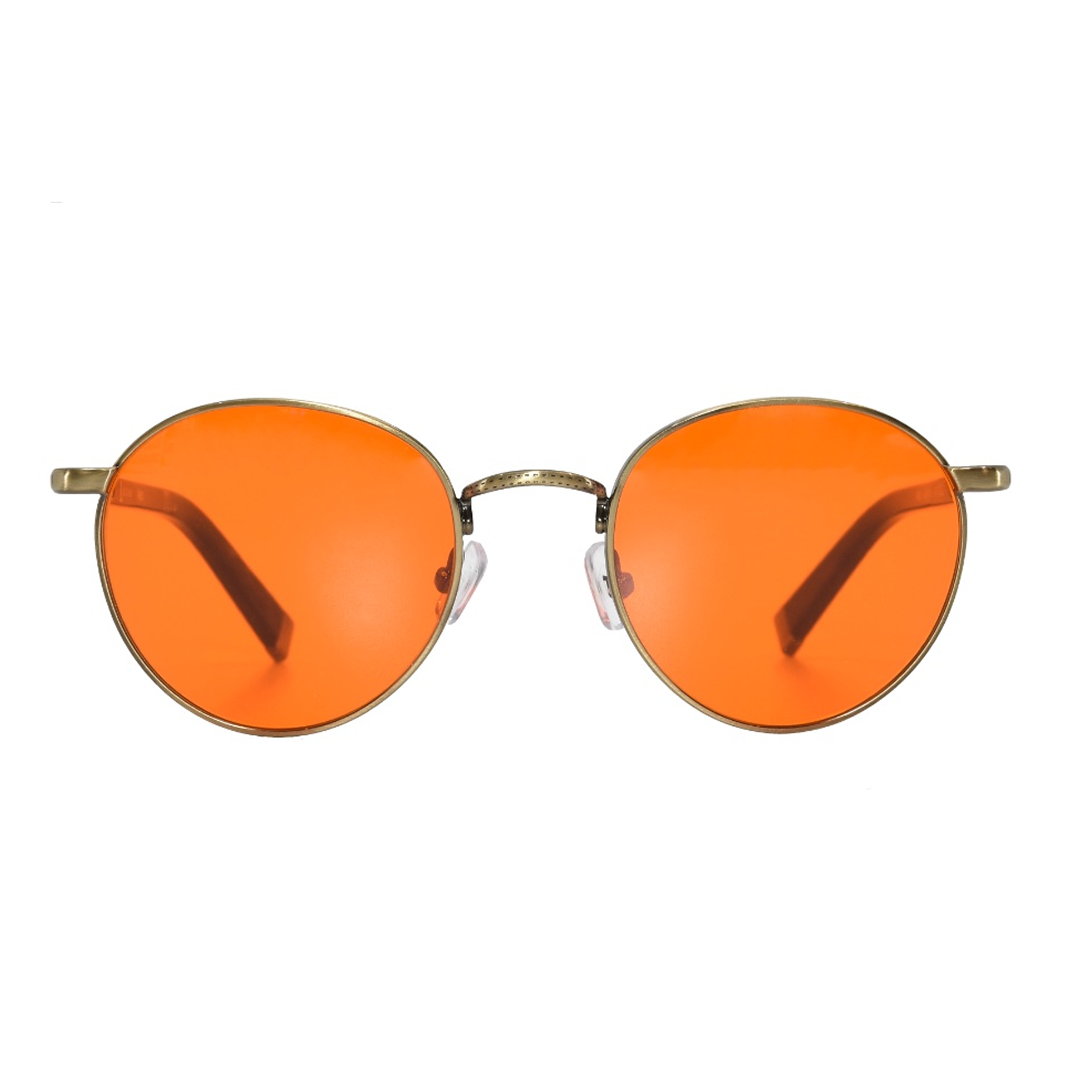
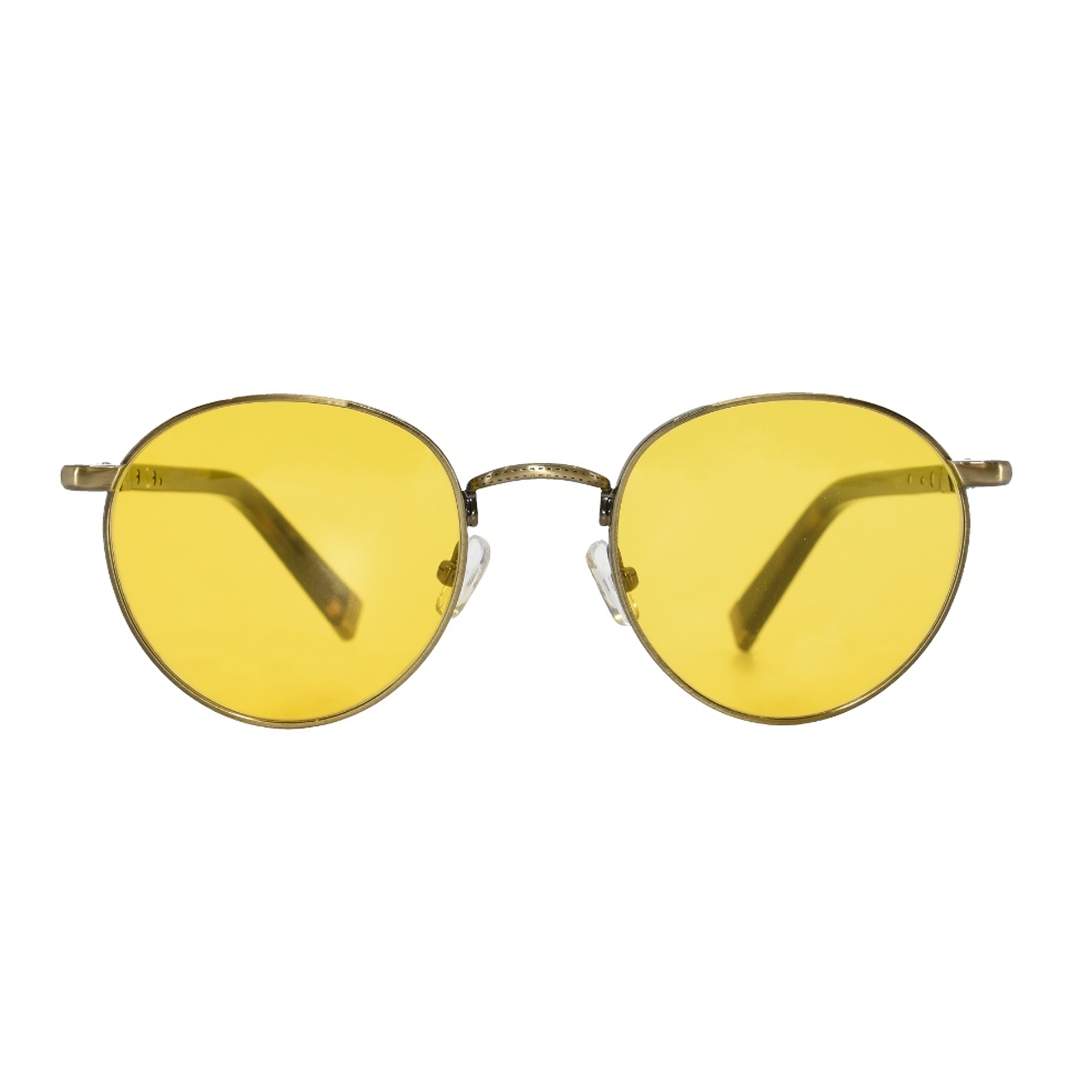
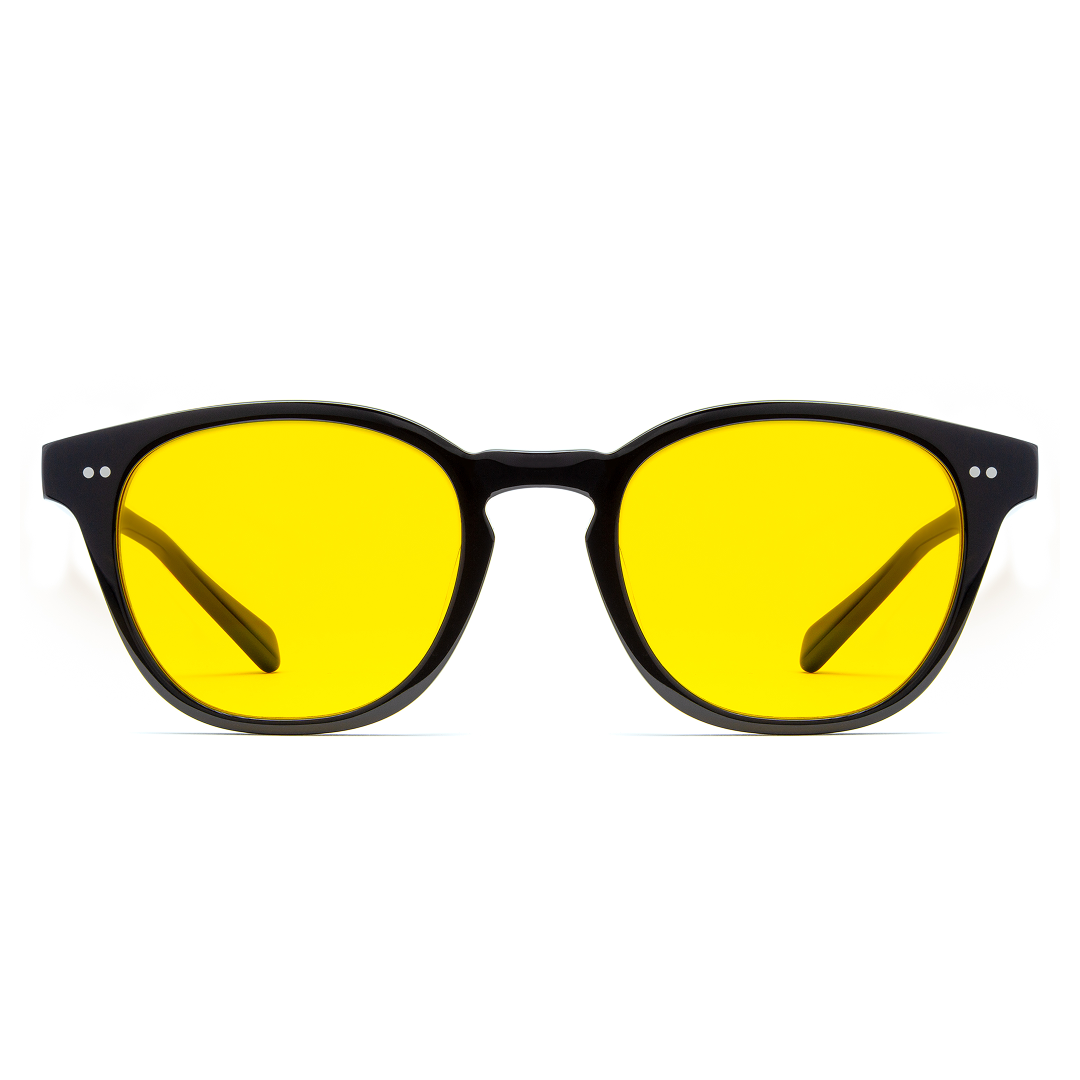
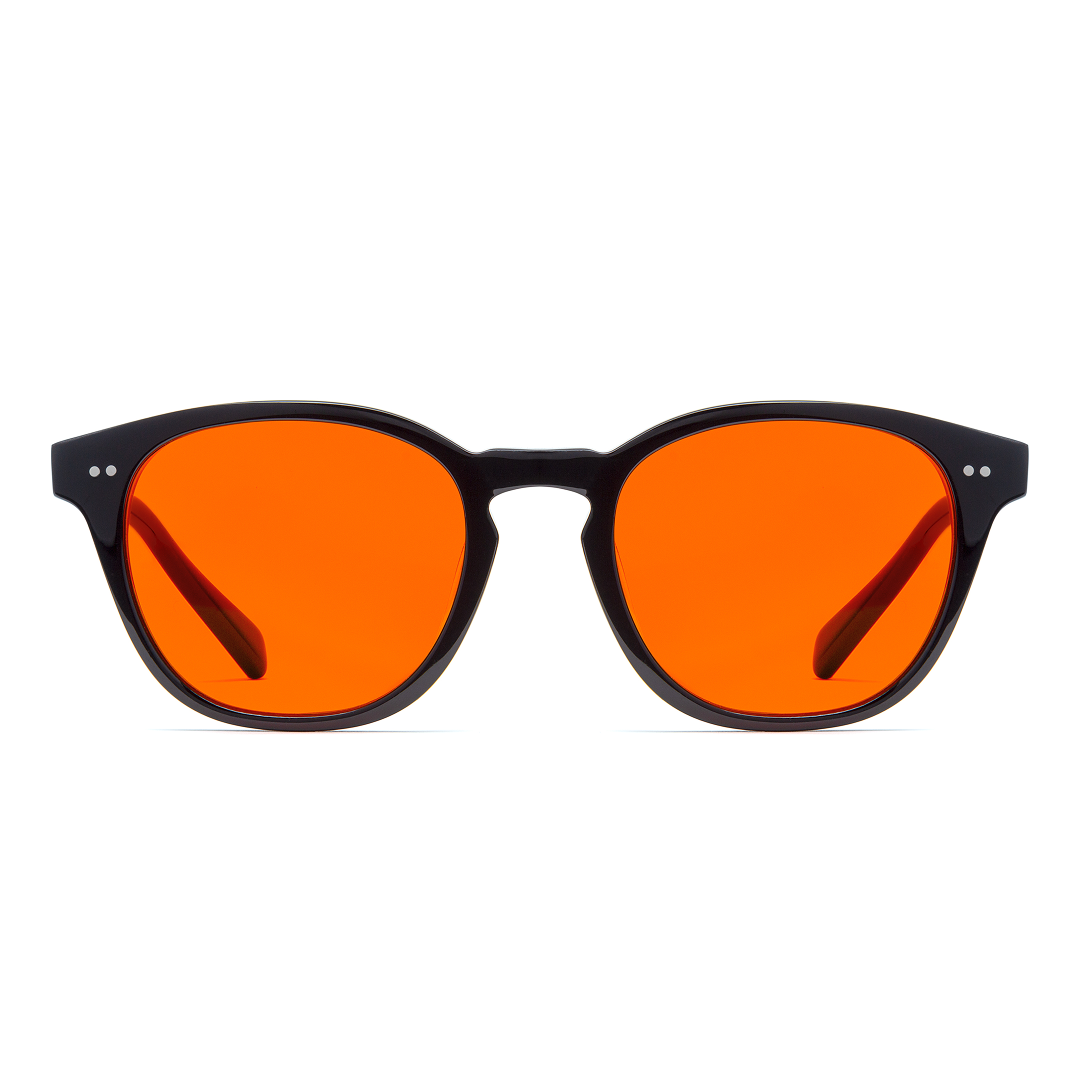
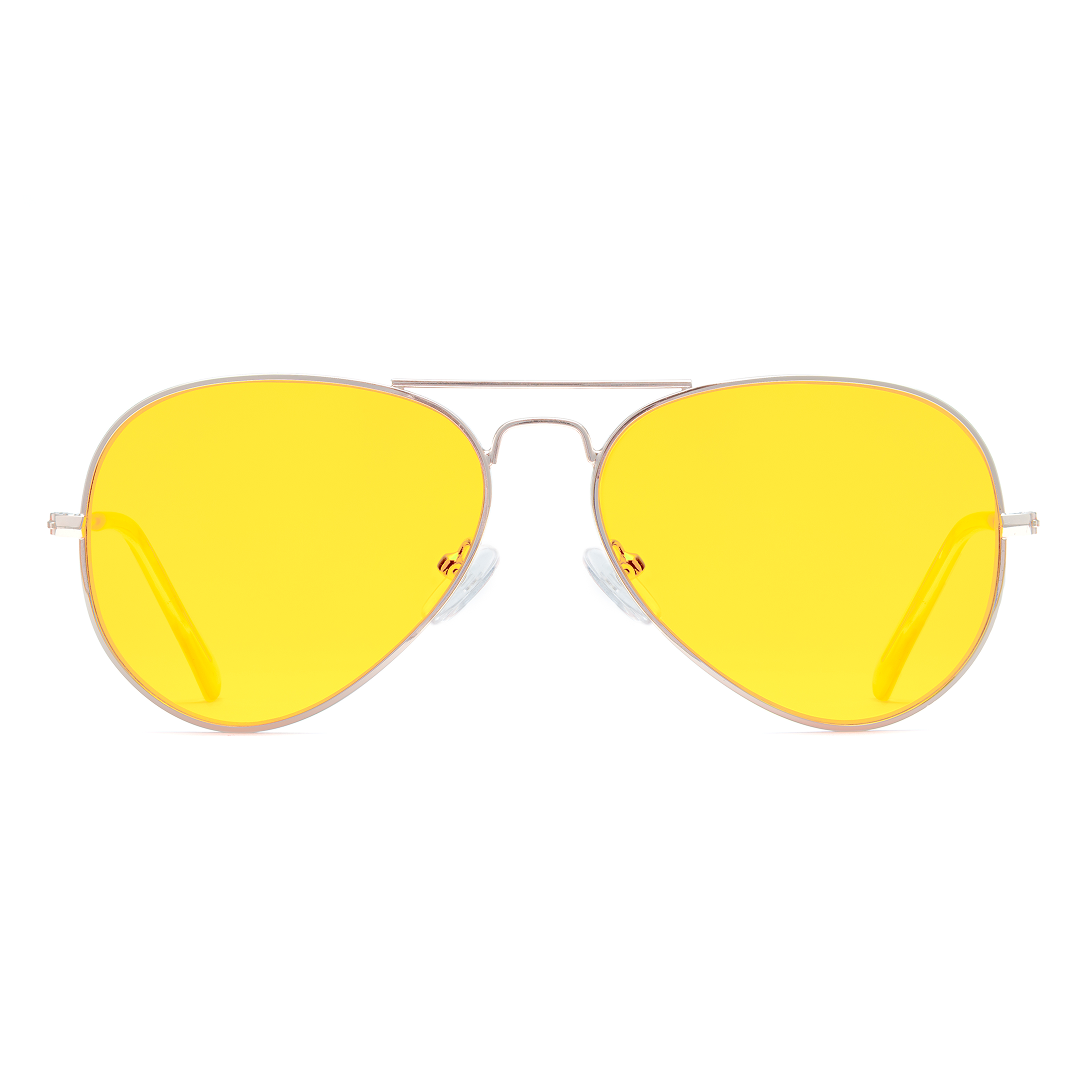
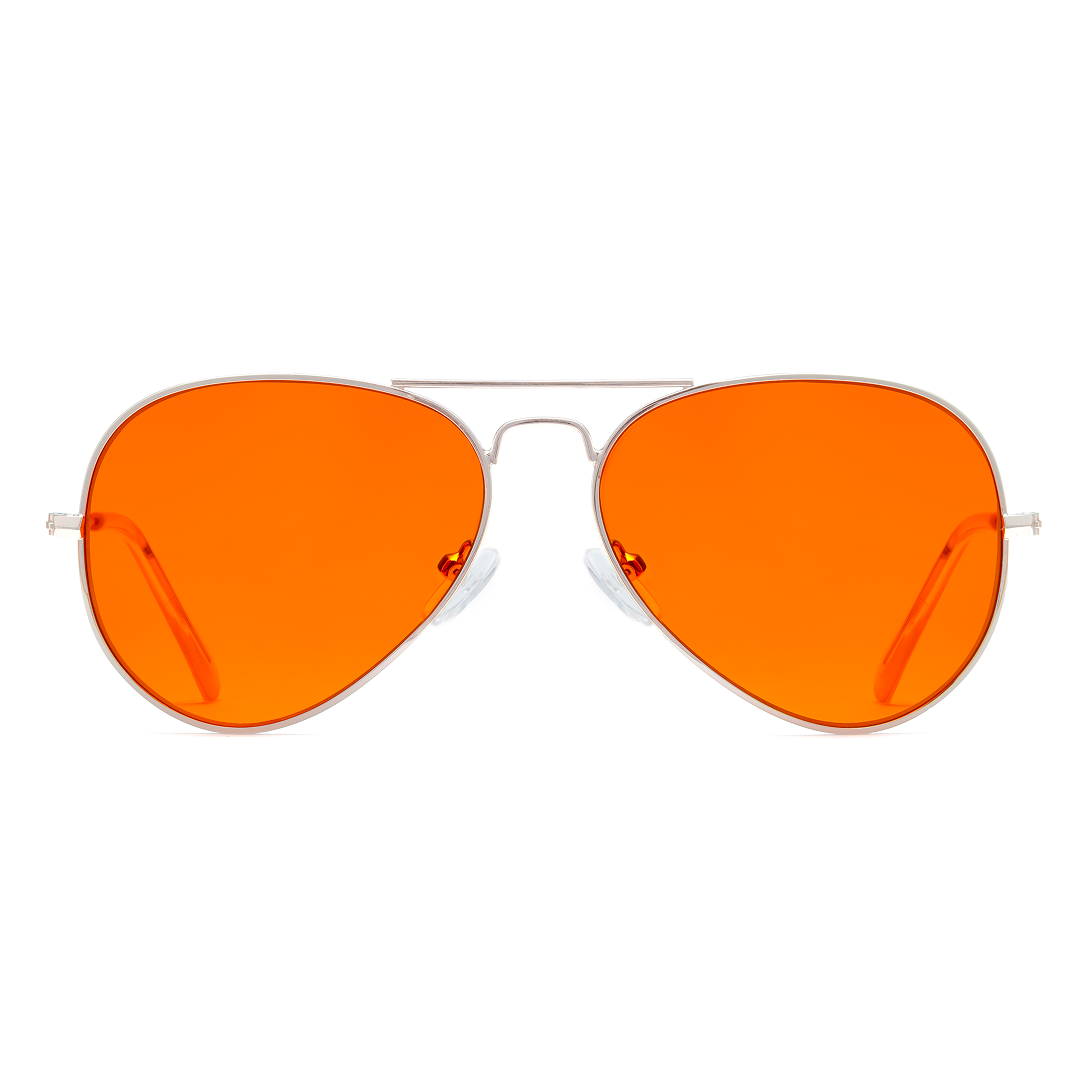
Limit Blue Light at Night: Minimize exposure to artificial blue light after sunset by using warmer lighting or blue-blocking technology.
-
Eat According to Sunlight: Align meals with daylight hours to support optimal digestion and metabolic function.
By being mindful of light exposure and other environmental cues, we can restore harmony to our internal clocks, ensuring our bodies function as they were evolutionarily designed to with the sun as our guide.
Bright artificial light after sunset, especially from LEDs, screens, and TVs, sends a false daytime signal to the brain. This suppresses melatonin, the hormone that tells the body it is time to sleep and begin overnight cellular repair.
A 2022 clinical study found that even moderate light exposure during sleep, around 100 lux like a bedside lamp, led to higher heart rates and reduced insulin sensitivity by the next morning.
Instead of resting and restoring, the body stayed in a stress response state throughout the night.
https://www.nhlbi.nih.gov/news/2022/study-sleeping-even-small-amount-light-could-harm-heart-health
Another study showed that people exposed to typical LED lighting before bed burned less fat during sleep than those exposed to light with reduced blue wavelengths. Sleep is when the body usually switches to fat burning for energy, and blue light blocks that switch.
https://pmc.ncbi.nlm.nih.gov/articles/PMC8196130/
In a study tracking more than 43000 women, those who slept with a TV or room light on were more likely to gain weight over five years. Women exposed to light during sleep had a 17 percent higher chance of gaining at least 11 pounds compared to those who slept in complete darkness.
This effect remained even after accounting for diet, exercise, and total sleep time, showing that the light itself was the issue.
https://www.nih.gov/news-events/nih-research-matters/artificial-light-during-sleep-linked-obesity
When your body clock is out of sync due to bright nights and dim days, hormones like leptin and insulin lose their rhythm. This leads to increased fat storage and poor blood sugar control.
Artificial light at night quietly erases many of the benefits gained from eating well and getting sunlight during the day.
https://pmc.ncbi.nlm.nih.gov/articles/PMC4377487/


Disclaimer
The information on this site is provided by BioSpectral Systems for educational and informational purposes only. It is not intended to diagnose, treat, cure, or prevent any disease and has not been evaluated by the U.S. Food and Drug Administration or any other regulatory authority. Always consult a qualified healthcare professional before making any changes to your health regimen. By using this site, you acknowledge that you do so at your own discretion and agree that BioSpectral Systems, its affiliates, and contributors are not liable for any outcome resulting from the use of the information presented.
Share:
The Biophysics of Outdoor Light
NTP 2018 Radiofrequency Study: Your Personal EMF Exposure