


I grew up as a swimmer, and for years my life was built around early mornings. It started as five sessions exercise a week, all before school. Then it became morning and evening sessions, two hours at a time, roughly ninety minutes in the pool and thirty minutes in the gym. As competitions got closer, training escalated to fourteen sessions per week while still juggling school. I can still feel it now, slipping on my cap, bathers, and goggles before sunrise, then diving into a bath of blue light and chlorine, forcing intensity into a body that had barely switched on for the day.
What fascinated me was the pattern that followed. Pushing hard in the morning often left me completely flat later. I would crash on the way to afternoon training, and most days I would sleep between getting picked up from school and the second session. Yet despite feeling wrecked, I would often perform better in the late afternoon and evening. More often than not, my personal bests showed up in the PM session. At the time I explained it away as willpower, momentum, or simply being warmed up, but looking back it was almost certainly physiology and circadian biology expressing itself in real time.
After those PM sessions, I would be ravenous. I wanted every carbohydrate I could find, trying to repay a huge energy debt. And because I did not understand light, circadian timing, or nervous system recovery, I made the classic mistakes. I ate late, trained late, and stayed stimulated into the night. That combination can trap people in a loop where morning training jacks up sympathetic drive early, afternoon fatigue demands a compensatory nap, and evening training creates a second wind that pushes cortisol and core temperature later than it should be. The result is a body that can still perform, but at the cost of recovery, sleep depth, and metabolic stability over time.
Now, with what I understand about circadian biology, I train very differently. Most days I do my harder work in the PM, typically between 2 pm and 6 pm, finishing before sunset. My mornings are gentler and more restorative. The practical change has been obvious. I have not needed an afternoon siesta in well over a decade, and I feel more consistent energy across the day. The science supports why. Exercise is a stressor, and the timing of stress matters. In many people, maximal strength and endurance capacity rise later in the day as core body temperature increases, neuromuscular efficiency improves, and connective tissue becomes more pliable. Meanwhile, doing heavy training too early can amplify the cortisol spike that already happens naturally after waking, increase perceived effort, and increase the likelihood of a mid afternoon energy crash if sleep or fueling are not perfect. The deeper point is that the brain tends to be most cognitively capable earlier in the day, and if you burn too much energy and stress chemistry in the morning, you can end up borrowing from your mental and metabolic reserve and paying for it later.
Now, let’s move into the studies that support why afternoon training often outperforms morning training for performance, glucose control, and metabolic outcomes.
The study by Souissi et al. found that both continuous and alternated-intensity cycling exercises resulted in better performance metrics, such as time to exhaustion and peak heart rate, when performed in the late afternoon compared to the morning.[1] This suggests that exercise capacity may be enhanced later in the day, potentially due to circadian influences on physiological parameters.
Savikj et al. conducted a randomized crossover trial in individuals with type 2 diabetes and found that afternoon high-intensity interval training (HIIT) was more effective at improving blood glucose levels compared to morning HIIT.[2] Interestingly, morning HIIT was associated with an increase in blood glucose levels, indicating a potential adverse effect when exercise is performed in the morning for this population.
Kang et al. performed a systematic review and meta-analysis, which revealed that endurance performance, as measured by time-to-exhaustion, was higher in the afternoon than in the morning.[3] This finding aligns with the notion that circadian rhythms may favor physical performance later in the day.
Galan-Lopez and Casuso also conducted a systematic review and meta-analysis, which indicated that afternoon exercise was more effective at reducing circulating triglycerides and potentially fasting blood glucose levels compared to morning exercise.[4] This suggests that metabolic adaptations to exercise may be more favorable in the afternoon.
Mirizio et al. noted that short-duration maximal exercise performance peaks in the late afternoon, which may be influenced by factors such as body temperature and hormone levels that follow a circadian pattern.[5]
Finally, Youngstedt et al. explored the circadian phase-response curves for exercise and found significant phase advances with afternoon exercise, which could have implications for optimizing exercise timing to align with circadian rhythms.[6]
Overall, the evidence suggests that from a circadian perspective, heavy exercise in the afternoon may be more beneficial than in the morning, as it aligns better with physiological and metabolic rhythms that enhance performance and metabolic outcomes.

What matters most is not that everyone must suddenly stop morning exercise. The real lesson is that exercise is a signal, and biology always asks what time that signal arrives. Your muscles, blood sugar, hormones, mitochondria, and nervous system do not interpret training in a vacuum. They interpret it through the light environment, the sleep you got the night before, the food timing around the session, and the natural rise and fall of body temperature and stress chemistry across the day. Once you understand that, you stop treating training as a simple willpower contest and start seeing it as a timing decision. For many people, especially those already carrying a high stress load, the smartest move is not more effort, but better placement of effort. That single shift can improve performance, reduce afternoon crashes, protect sleep depth, and make exercise truly additive rather than quietly expensive.
This is also why our philosophy at BioSpectral Systems matters so much. We believe human performance, recovery, and long term health are governed first by environment and timing, not just by inputs like food, supplements, or training programs. Light tells the body what time it is. That timing shapes when glucose is handled best, when cortisol should rise and fall, when tissues repair most efficiently, and when mitochondria can turn stress into adaptation instead of breakdown. When people align training with these rhythms, they usually need less force to get better results. That is the bigger message here. The body is not fragile, but it is exquisitely timed. When you work with that timing, rather than against it, energy becomes more stable, performance becomes more repeatable, and health becomes far easier to sustain over the long term.
Every wanted to get your VO2 Max up without adding anything to your exercise, and in fact likely cutting out the time you exercise? Let's get into it!
VO2 Max Optimization Cheat Code
Modern performance is still being discussed far too narrowly. Most people think VO2 max, endurance, and athletic adaptation are mainly determined by training structure, intervals, zone work, breath work, volume, recovery metrics, and perhaps nutrition. Those things matter, but they are not the full story. Performance is also profoundly shaped by circadian timing, light exposure, thermal biology, grounding, sleep quality, and the timing of heat and cold relative to the training stimulus. In other words, the body does not perform in a vacuum. It performs in an environment, and that environment changes how well oxygen can be used, how efficiently mitochondria generate energy, how stable the nervous system remains under load, how quickly tissues recover, and how much adaptation is actually retained from the effort.
If an athlete is aiming to perform at their highest level between 4 and 6 PM, the preparation begins long before the session itself. It begins at sunrise. Watching the sunrise that morning, ideally facing east with bare skin and feet grounded to the earth, helps anchor the circadian clock and establish the light based timing signals that govern cortisol rhythm, dopamine tone, mitochondrial readiness, and the later day performance peak. Exercise performance naturally tends to rise into the late afternoon and early evening, with endurance and power often outperforming morning levels during this window. That is not an accident. It reflects circadian changes in body temperature, nervous system readiness, fuel handling, reaction time, and muscle contractile efficiency. If the body has been properly entrained by morning sunlight, the later day performance window becomes more available and more biologically coherent.
This is where the broader BioTra and BioSpectral perspective becomes so important. The quality of the exercise adaptation you get later in the day depends heavily on what happened the night before and the morning of. Deep sleep, a proper wind down routine, blocking artificial visible and invisible light at night, reducing EMF load in the sleep sanctuary, and preserving darkness all shape mitochondrial recovery, melatonin production, autonomic balance, and tissue repair. If those are compromised, then the athlete arrives to the afternoon session with lower charge, lower coherence, and lower regenerative capacity. So VO2 max is not only about the workout itself. It is about whether the body was electrically, circadianly, and hormonally prepared to receive the benefit of that workout in the first place.
The timing of exercise also matters metabolically. Morning training may bias the body more toward fat oxidation, while afternoon and early evening training often supports stronger performance output, better muscular function, and in many cases superior endurance adaptations. Exercise itself acts as a circadian signal, meaning that when you train also teaches the body what time of day it should be more metabolically ready. That means training in the 4 to 6 PM window can be especially useful for athletes who compete or perform later in the day, because the body adapts not just to the movement itself, but to the timing of the demand.
Layered onto this is the intelligent use of broadband red light, near infrared light, full spectrum sunlight, heat, and targeted cold. Pre exercise photobiomodulation is one of the clearest examples of timing mattering. The literature suggests that applying infrared and red light before exercise, rather than after, is where much of the ergogenic effect is seen. Used before a session, this kind of light can improve time to exhaustion, support oxygen utilization, increase muscular endurance, and reduce some markers of muscle damage. From a biophysical standpoint, this makes sense. You are pre conditioning tissue, improving mitochondrial readiness, stabilizing redox, and priming the muscle and nervous system before demand is placed upon them. It is less about rescue and more about preparation.
Cold works differently. Long post exercise cold immersion seems to help acute recovery in certain settings, especially when there is another competition or explosive demand 24 to 48 hours later. But be aware that regular use after training will lower the inflammatory healing/muscle building response so hypertrophy (which you don't really want anyway unless your an athlete because it's negatively correlated with longevity once you build a basic amount of muscle useful for every day activities) and some anabolic signaling if overused. That is why cold must be timed intelligently. Short bursts of cold during training, especially face dunking, facial cooling, or even targeted cooling like an ice helmet in certain contexts, can help reduce overheating, preserve output, and improve tolerance to the session without necessarily interfering with long term adaptation in the same way chronic post exercise full body immersion might. These are the expertise that we've found out make a big difference through hundreds of athletes we've run through these protocols and seen better reuslts. The face is especially important because trigeminal stimulation, facial cooling, and cranial thermal regulation can rapidly influence autonomic state, perceived exertion, and thermal comfort. For athletes training hard in the afternoon, small precise doses of cold have shown us enough evidence that we are confident it will most likely improve performance quality without dampening the stimulus.
Heat also deserves much more attention than it usually gets. Post exercise sauna, when used intelligently, appears to amplify adaptation rather than merely relax the body. Sauna after training has been associated with improved VO2 max, increased plasma volume, improved cardiovascular conditioning, enhanced heat adaptation, and better performance in both hot and temperate environments. The mechanism is likely multifactorial, including plasma volume expansion, hemoglobin mass effects, improved vascular function, thermoregulatory adaptation, and enhanced cardiac remodeling. Put simply, the body becomes better at moving blood, distributing heat, and sustaining performance under stress. So what does 'used intelligently' mean? Post exercise sauna is a must for all those looking for performance and longevity benefits. Post exercise sauna is thus one of the most under appreciated tools for athletes and general health seekers alike, especially those trying to improve endurance capacity and oxygen economy... hello VO2 Max geeks!
Grounding ties this entire picture together. Throughout training, practice, or competition, electrical connection to the earth offers a stabilizing influence that most modern athletes never get told becuase their trainers don't know about it. If I were an athlete, I'd be looking well beyond any routine shared by my trainers who were already well established in their careers and not versed in looking at the biophysics literature which says over and over again that grounding during exercise is a massive advantage bioelectrically and yet something 'experts' never think about. Contact with the earth helps support a more coherent electrical state, reduces the buildup of excess charge, and may improve recovery and tissue regulation in ways that are subtle but cumulative. Training outdoors on natural ground, spending time barefoot pre-session or post session, or otherwise remaining electrically connected to the earth is not some fringe add on. It is part of restoring the body to the environmental conditions it evolved to perform within. When combined with sunrise light, proper thermal sequencing, and a low stress nighttime environment, grounding helps turn exercise into a more complete biologic signal and go towards avoiding athletic injury.
The modern athlete therefore benefits most not from isolated hacks, but from sequencing. Watch the sunrise in the morning, ideally outside, facing east, grounded, and without glass separating you from the environment. Build the day on strong circadian timing. Protect the night before by blocking artificial light, minimizing EMFs, and sleeping in a dark biologically supportive environment with our BioSpectral eyewear (#BioSpecs) and EMF mitigation products. If training later in the day, especially for a 4 to 6 PM peak, use that natural performance window to your advantage. Consider targeted pre exercise red and infrared light to prime the system, but not with a narrow-band LED panel, instead a broadband IR source spanning thousands of nanometers. Use short cold strategically during or around the session if overheating is limiting output. Ground when possible during the effort. Then use sauna after the session to deepen adaptation, expand cardiovascular capacity, and enhance recovery. Or go to BioTra.com.au and explore the world of piecing these strategies perfectly into a simple 30 minute training routine that anyone can do in their own home with low resource availability and sustainable consistency.
This is the deeper point. VO2 max is not just about intervals, sprints, nasal breathing, threshold training, or any other narrow fitness variable. It is also about whether the body is light aligned, electrically grounded, thermally supported, and fully recovered enough to convert training stress into useful adaptation. The athlete who understands this will not just train harder. They will train in better biological conditions. And that changes everything. Oh and they'll also get injured less, have greater longevity in the sport and life... BOOM!
VO2 Max References:
• https://pubmed.ncbi.nlm.nih.gov/37026733/
• https://pubmed.ncbi.nlm.nih.gov/34060402/
• https://pubmed.ncbi.nlm.nih.gov/34426495/
• https://pubmed.ncbi.nlm.nih.gov/40267460/
• https://pubmed.ncbi.nlm.nih.gov/30784068/
• https://pubmed.ncbi.nlm.nih.gov/35785965/
• https://pubmed.ncbi.nlm.nih.gov/33211153/
• https://pubmed.ncbi.nlm.nih.gov/41267396/
• https://pubmed.ncbi.nlm.nih.gov/20724560/
• https://pubmed.ncbi.nlm.nih.gov/31827687/
• https://pubmed.ncbi.nlm.nih.gov/29185134/
• https://pubmed.ncbi.nlm.nih.gov/24249354/
• https://pubmed.ncbi.nlm.nih.gov/35802348/
• https://pubmed.ncbi.nlm.nih.gov/36862831/
• https://pubmed.ncbi.nlm.nih.gov/35157264/
• https://pubmed.ncbi.nlm.nih.gov/29627884/
Athletic Exercise Timing References
-
Souissi A, Yousfi N, Souissi N, Haddad M, Driss T. PloS One. 2020;15(12):e0244191. doi:10.1371/journal.pone.0244191. The Effect of Diurnal Variation on the Performance of Exhaustive Continuous and Alternated-Intensity Cycling Exercises.
-
Savikj M, Gabriel BM, Alm PS, et al. Diabetologia. 2019;62(2):233-237. doi:10.1007/s00125-018-4767-z. Afternoon Exercise Is More Efficacious Than Morning Exercise at Improving Blood Glucose Levels in Individuals With Type 2 Diabetes: A Randomised Crossover Trial.
-
Kang J, Ratamess NA, Faigenbaum AD, et al. Journal of Strength and Conditioning Research. 2023;37(10):2080-2090. doi:10.1519/JSC.0000000000004497. Time-of-Day Effects of Exercise on Cardiorespiratory Responses and Endurance Performance-a Systematic Review and Meta-Analysis.
-
Galan-Lopez P, Casuso RA. Sports Medicine (Auckland, N.Z.). 2023;53(10):1951-1961. doi:10.1007/s40279-023-01879-0. Metabolic Adaptations to Morning Versus Afternoon Training: A Systematic Review and Meta-Analysis.
-
Mirizio GG, Nunes RSM, Vargas DA, Foster C, Vieira E. Scientific Reports. 2020;10(1):9485. doi:10.1038/s41598-020-66342-w. Time-of-Day Effects on Short-Duration Maximal Exercise Performance.
-
Youngstedt SD, Elliott JA, Kripke DF. The Journal of Physiology. 2019;597(8):2253-2268. doi:10.1113/JP276943. Human Circadian Phase-Response Curves for Exercise.
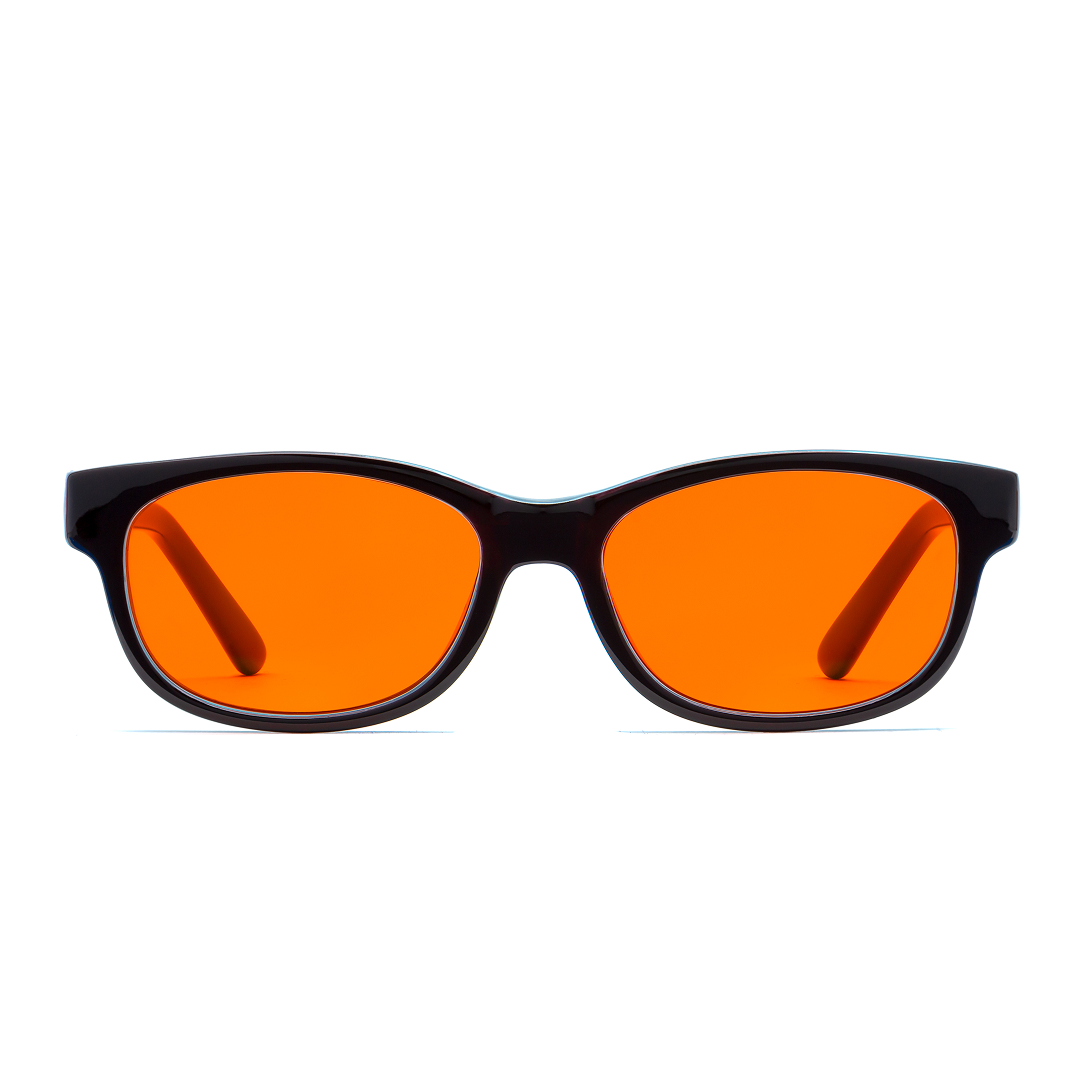
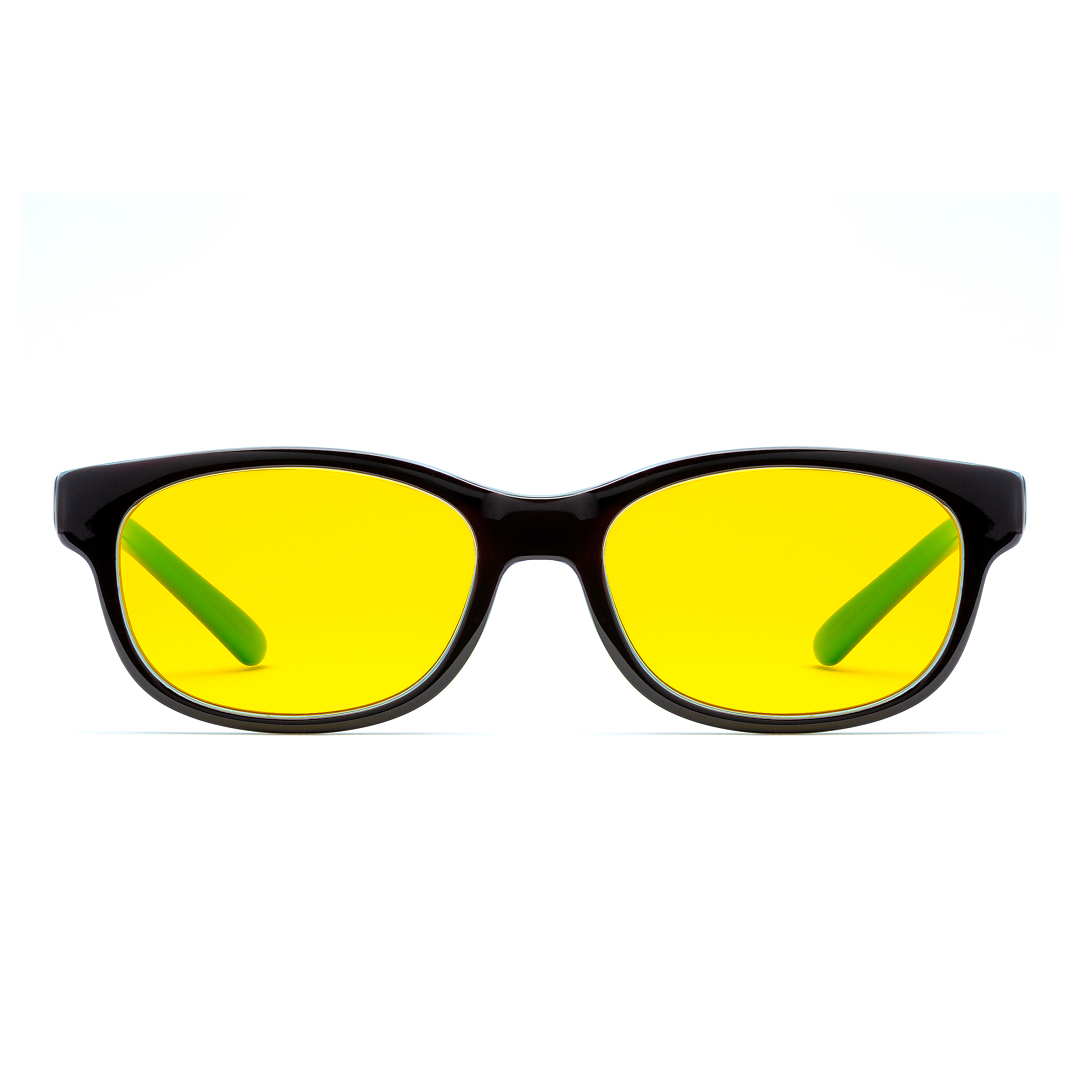
Related: Day lenses for daytime training sessions.



Disclaimer
The information on this site is provided by BioSpectral Systems for educational and informational purposes only. It is not intended to diagnose, treat, cure, or prevent any disease and has not been evaluated by the U.S. Food and Drug Administration or any other regulatory authority. Always consult a qualified healthcare professional before making any changes to your health regimen. By using this site, you acknowledge that you do so at your own discretion and agree that BioSpectral Systems, its affiliates, and contributors are not liable for any outcome resulting from the use of the information presented.
Share:
What is Leptin? Only the Most Important Hormone to Human Health
Do Blue Light Glasses Work? Why Your Clear Blue Light Glasses May Be Doing Nothing