

How to Help Restore Balance in T1D and Vitiligo
Type 1 Diabetes (T1D) is an autoimmune-driven metabolic disorder where the immune system mistakenly attacks pancreatic beta cells, disrupting insulin production and impairing mitochondrial energy regulation, leading to chronic hyperglycemia. T1D Root Causes (Biophysics Lens): Mitochondrial dysfunction, circadian disruption, proton imbalance, nnEMF exposure, loss of structured water, and impaired redox signaling leading to beta-cell destruction.
Vitiligo is a melanocyte-targeted autoimmune condition where oxidative stress and disrupted bioelectrical signaling impair melanocyte function, reducing melanin production and leading to depigmented skin patches. Vitiligo Root Causes (Biophysics Lens): Melanocyte redox imbalance, excessive oxidative stress, loss of exclusion zone (EZ) water, disrupted melanopsin signaling, and impaired mitochondrial electron flow reducing melanin synthesis.
Both conditions stem from a loss of redox balance, mitochondrial dysfunction, and disrupted circadian signaling, highlighting the need for restoring bioenergetic coherence to reverse disease progression.

Some steps that can help: Subtract artificial light (both visible blue light form LEDs and tech screens, and non-visible EMFs like Bluetooth, 4G, 5G, dirty electricity and AC electric and magnetic fields from wireless devices, Air pods, cell phones, routers, tablets, etc.) and add back in full spectrum sunlight (unfiltered by makeup, sunscreen, body lotion, oils, contact lenses, sunglasses, minimal clothing or thin clothing) and broadband red and infrared light to restore optimal mitochondrial health and melanin status.
Consider the below:
1. Restore Circadian Light Exposure
What to do:
-
-
Spend time in natural bodies of salt water like the ocean. Supplement this with Epsom salts magnesium baths ideally under full spectrum light during the day or red and infred light in the evening. https://pubmed.ncbi.nlm.nih.gov/21129041/ and https://pubmed.ncbi.nlm.nih.gov/21240455/
-
Watch the sunrise for 15 minutes with bare eyes (no glasses or contacts) to signal circadian rhythm reset.
-
Get at least 15 minutes of midday sun on as much skin as possible (no sunscreen, no sunglasses) to stimulate vitamin D production through the skin and boost dopamine and serotonin production through the eyes for mood, immune, and metabolic regulation. If you have darker skin, you need longer, if you have very light skin this 15 is likely sufficient to begin with.
-
Watch the sunset for 15 minutes to signal melatonin release and support nighttime glucose regulation.
-
Use candles or red lights after dark to avoid blue light disruption.
-
2. Mitigate Non-Native EMFs & Artificial Light
What to do:
-
-
Turn off Wi-Fi at night at a minimum or go with a low pulse router https://www.jrseco.com/product/jrs-eco-100-wifi-d1-on-asus/ and keep your phone on airplane mode when not in use or expecting a call.
-
Use wired Ethernet instead of Wi-Fi and turn off Bluetooth on devices to reduce electromagnetic exposure.
-
Sleep in a low-EMF environment, with all electronics unplugged from the bedroom.
-
Spend at least 30 minutes grounded outside daily (barefoot on grass, sand, or natural surfaces).
-
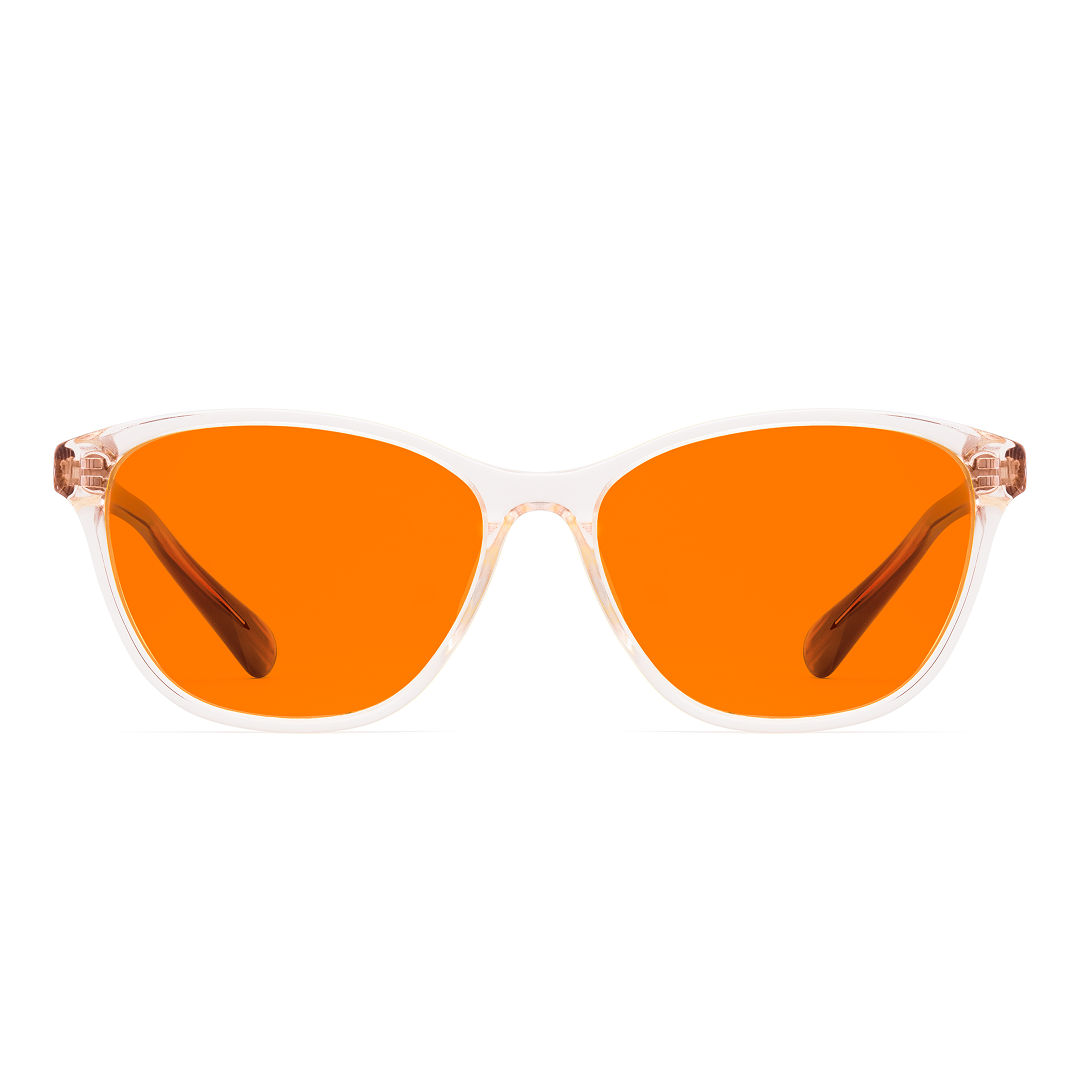
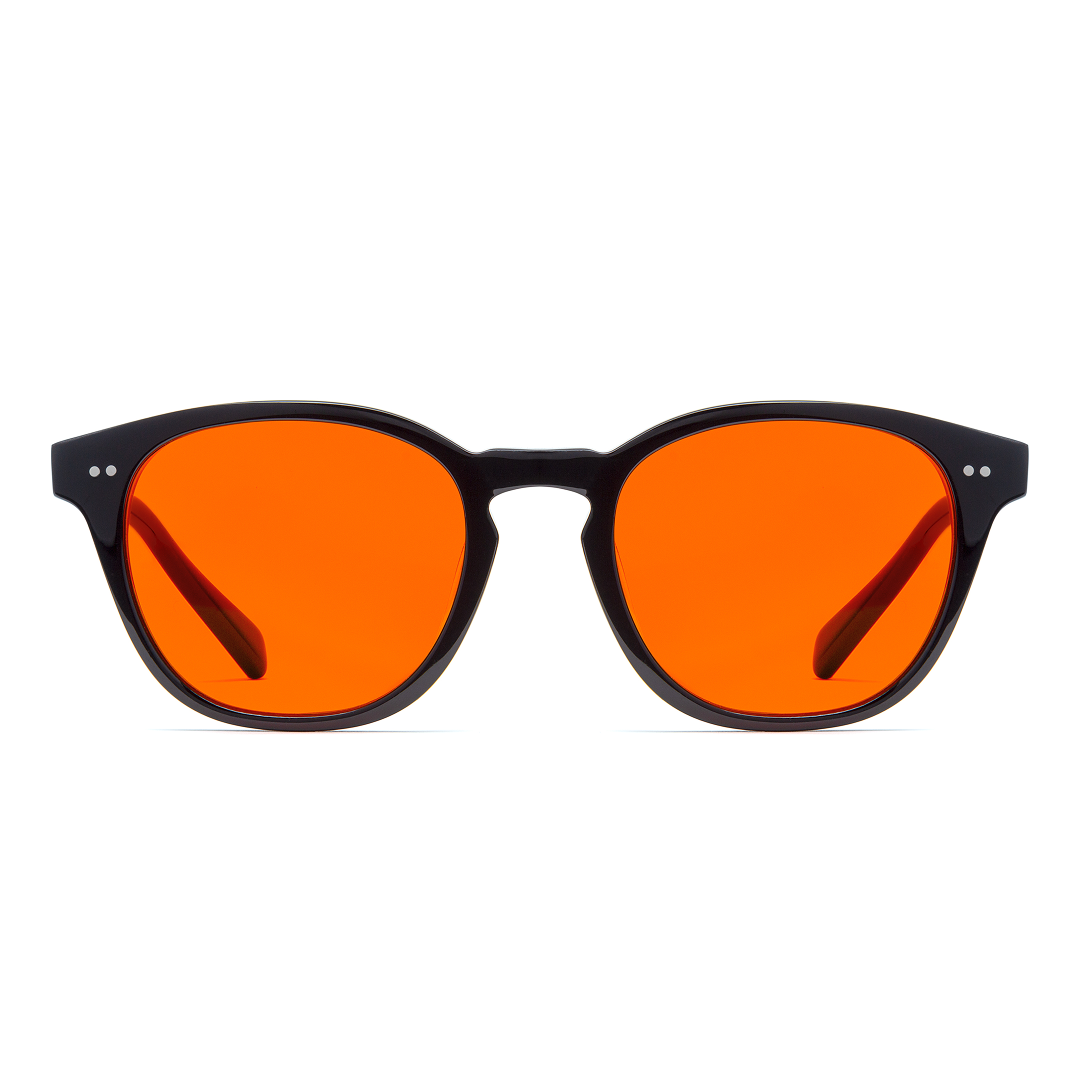
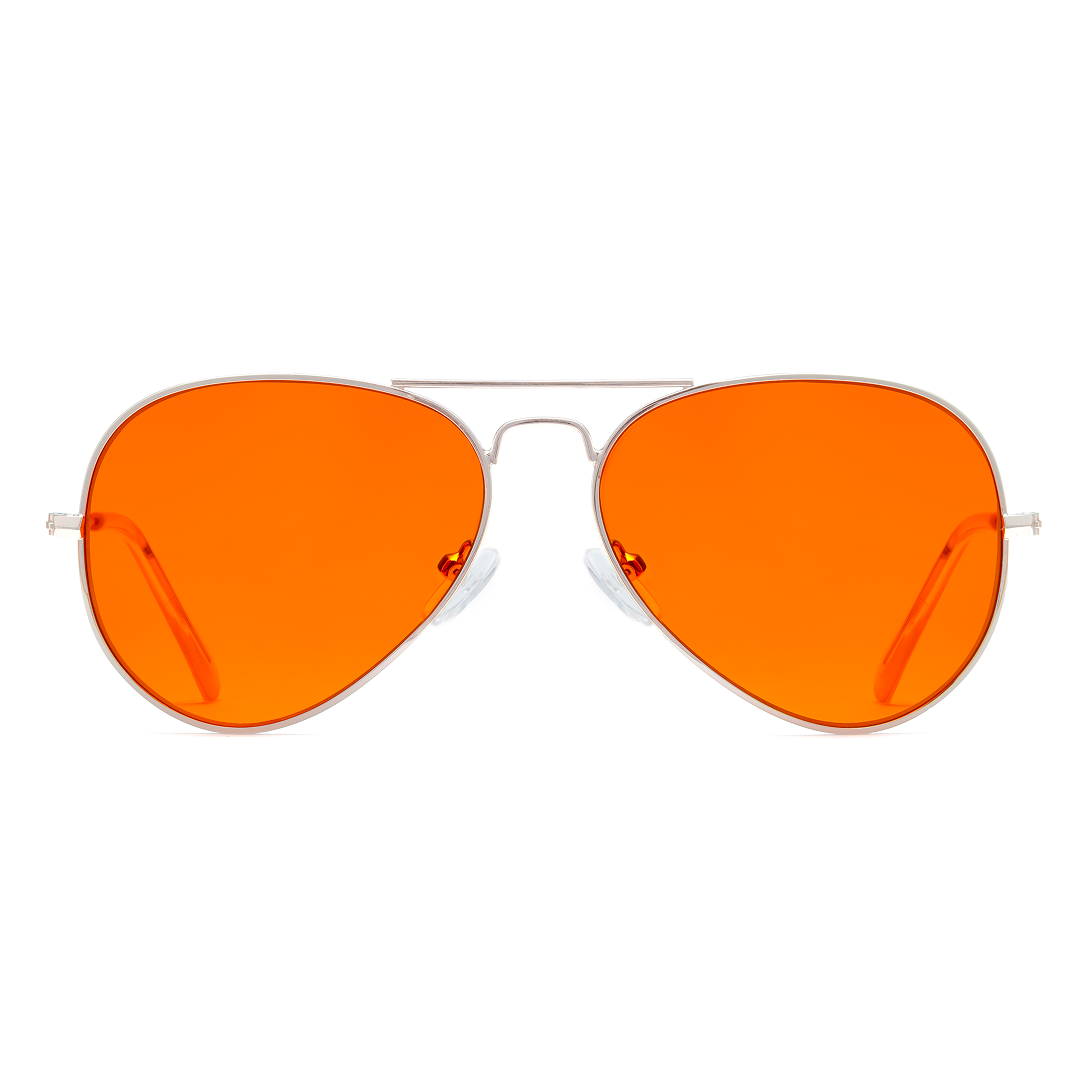
Wear orange/amber lenses after sunset to block artificial blue light and preserve melatonin production.
-
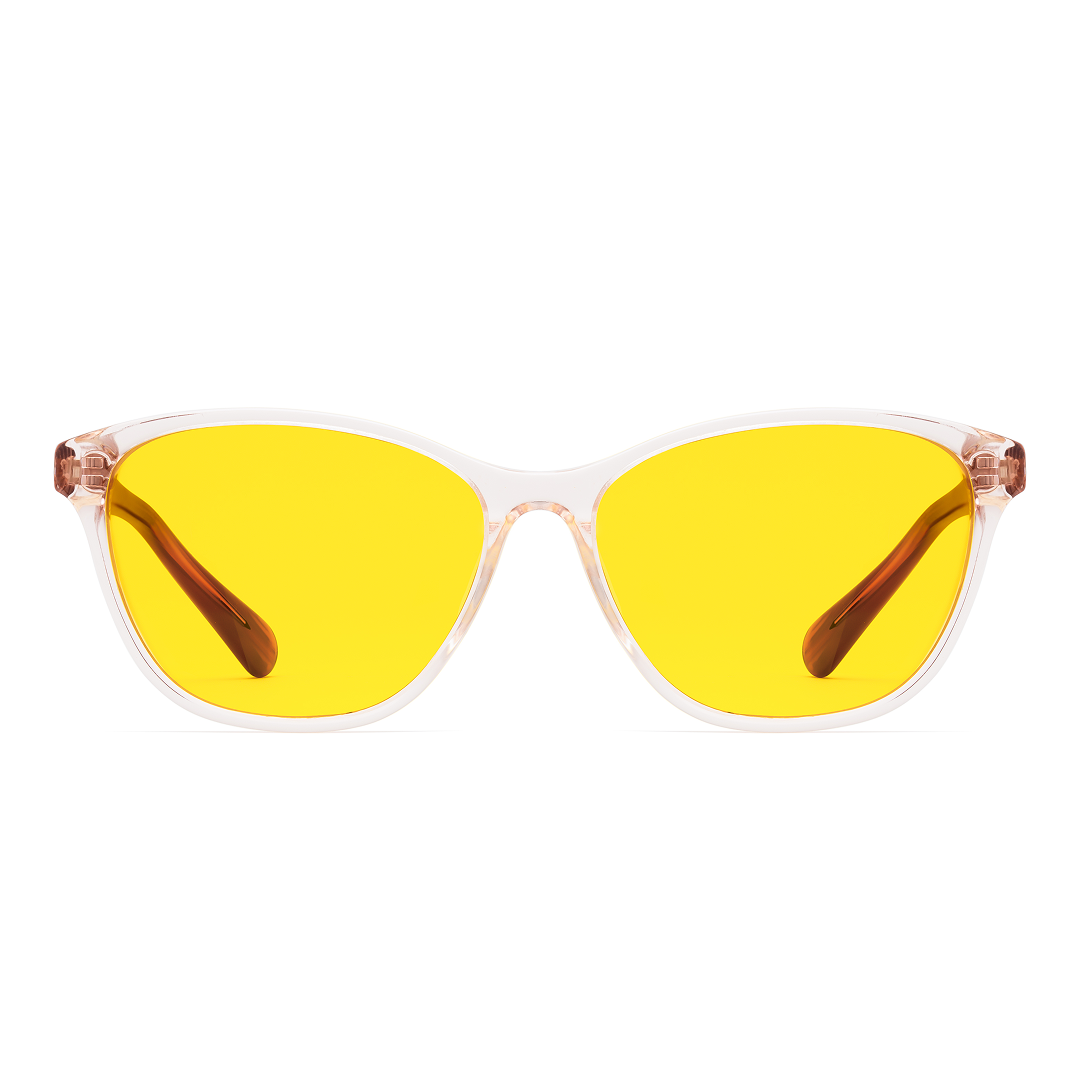
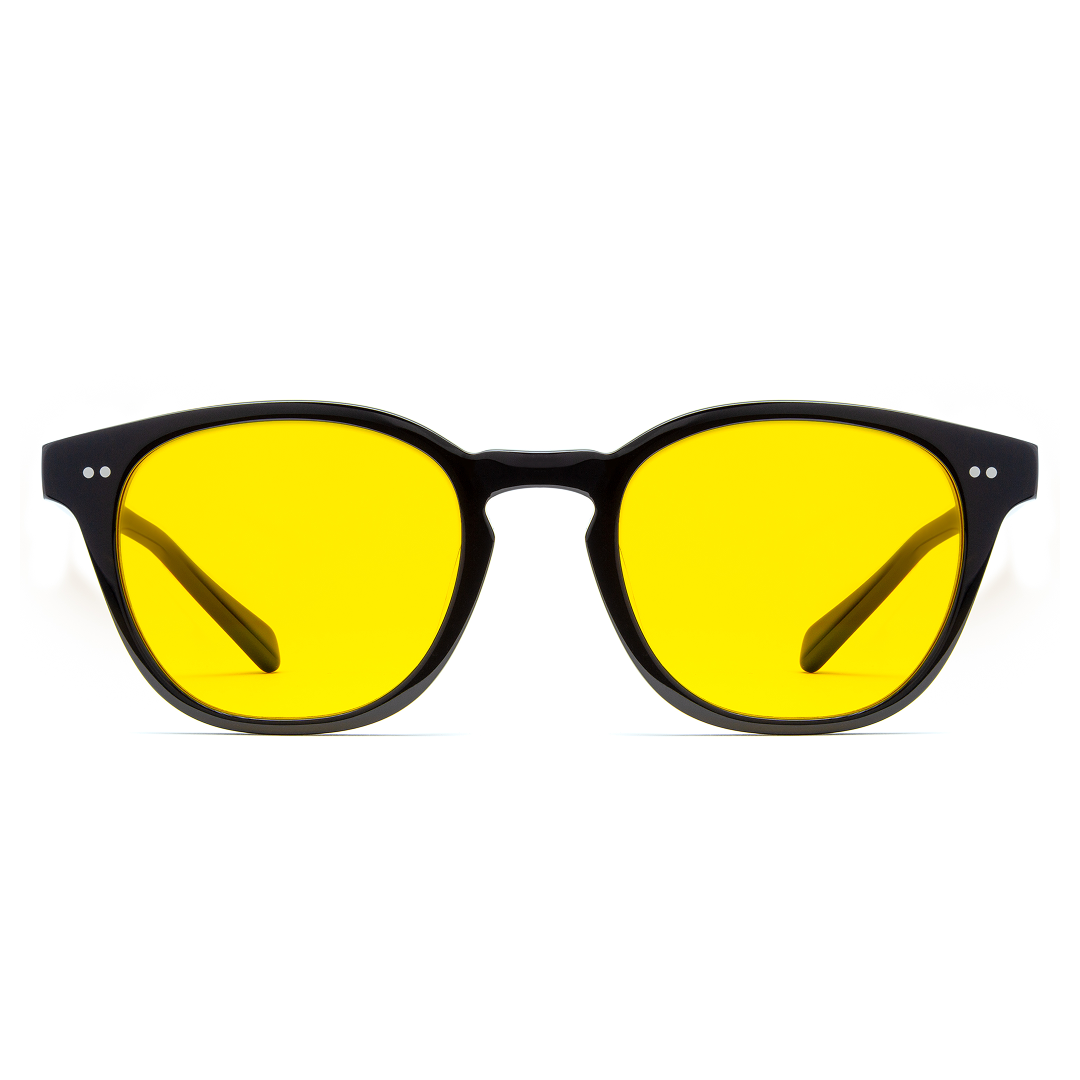
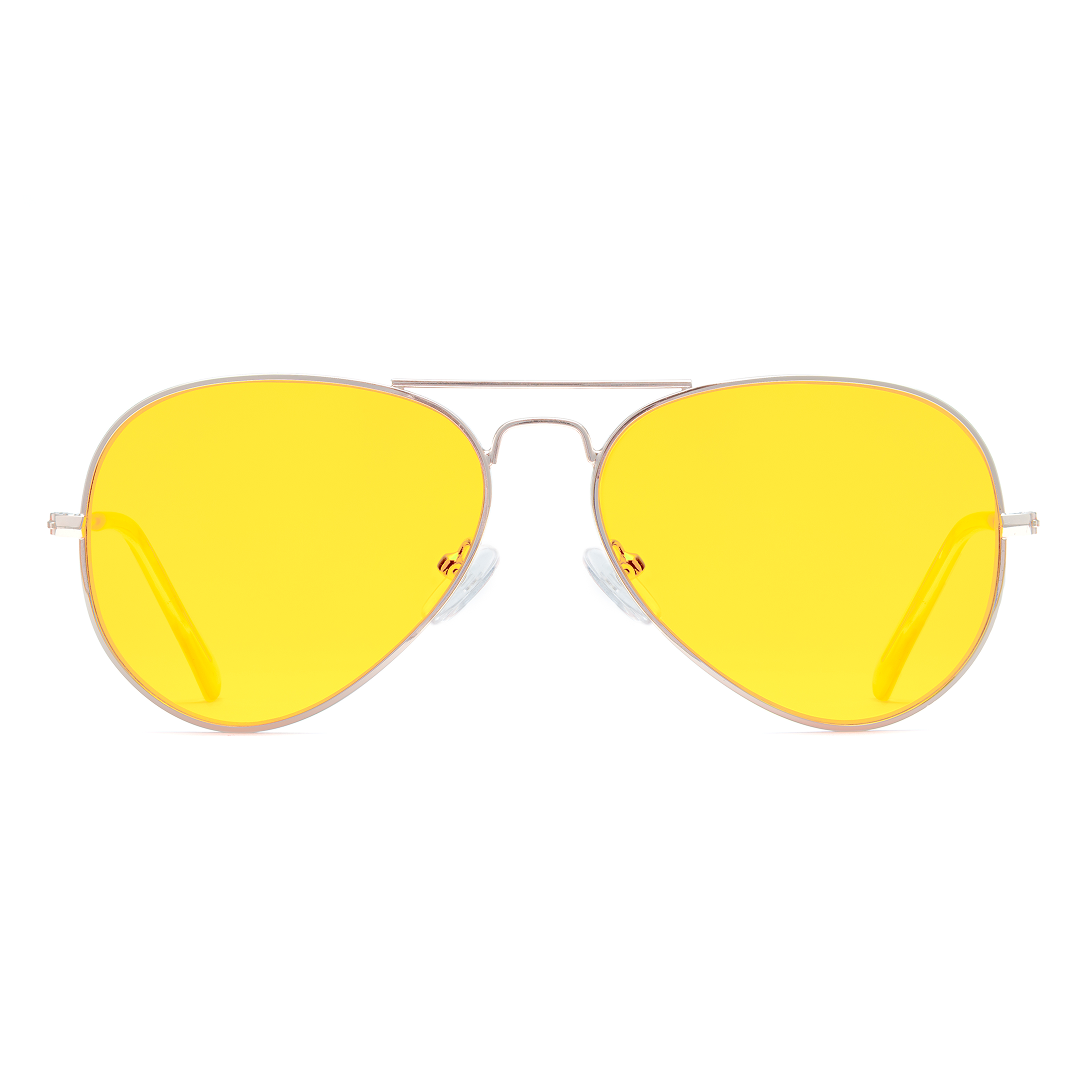
Wear yellow lenses during the day when using screens to reduce digital eye strain and mitigate circadian disruption.
-
3. Optimize Hydration & Water Quality
What to do:
-
-
Drink low-deuterium water like Icelandic Glacial, Evian, or Litewater (cut with high-quality spring water 50:50) to support mitochondrial function.
-
Drink high-silica water like Achilles or Fiji to help detoxify aluminum and improve structured water inside cells for a 4–6-week protocol.
-
Avoid tap water and plastic bottled water, which contain contaminants that disrupt redox balance (fluoride, BPA, chlorine, bromine, PFAS, etc.).
-
4. Leverage Thermal & Red-Light Therapy
What to do:
-
-
Use a red-light therapy panel (590nm, 610nm, 630nm, 660nm, 810nm, 830nm, 850nm wavelengths) for two 20-minute sessions daily.
-
Place the panel 6-12 inches from the pancreas area (located slightly left of center in the upper abdomen, just below the sternum).
-
Also expose affected skin areas (vitiligo spots) to red and near-infrared light for 15-20 minutes daily. If on face, close eyes if you like.
-
Incorporate infrared sauna, traditional sauna or sunbathing to expand structured water in cells.
-
5. Balance Minerals & Reduce Inflammation
What to do:
-
-
Drink ½ tsp of sodium bicarbonate in filtered water every morning to neutralize excess proton buildup.
-
Consume Himalayan salt or Celtic salt with meals to optimize electrolyte balance and mitochondrial pH.
-
Reduce intake of processed seed oils (high in linoleic acid), which cause metabolic dysfunction.
-
Eat seasonal, local foods to align with natural circadian and metabolic rhythms.
-
6. Increase DHA & Selenium-Rich Foods
What to do:
-
-
Eat wild-caught seafood (e.g., salmon, sardines, mackerel) at least 3-4 times per week to boost DHA levels.
-
Consume oysters (high in zinc, selenium, and copper) weekly to support skin depigmentation and immune function.
-
Avoid farm-raised fish, processed meats, and omega-6-heavy foods, which disrupt mitochondrial function.
-
Consider a high-quality cod liver oil supplement if fresh seafood is unavailable.
-
7. Float in salt water
-
Skin voltage and The Dead Sea as a Therapeutic Environment for Vitiligo
-
Emerging research and longstanding empirical evidence point to the remarkable healing environment of the Dead Sea for patients with autoimmune skin disorders like vitiligo. The unique biophysical properties of the Dead Sea region offer a multifaceted therapeutic effect through a combination of solar phototherapy, mineral-rich water immersion, and geomagnetic shielding, which collectively restore mitochondrial function and redox balance in melanocytes.
-
The area’s geographic location, 426 meters below sea level, filters out a significant portion of harmful ultraviolet B (UVB) radiation, allowing patients to benefit from prolonged solar exposure with reduced risk of photodamage. This spectrum shift, combined with the natural UVA and visible red/infrared wavelengths, supports mitochondrial ATP production, stimulates melanogenesis, and suppresses T-cell-mediated autoimmune destruction of melanocytes. These light wavelengths enhance cytochrome c oxidase activity and redox signaling while improving the water structuring capacity in skin tissues, factors known to be disrupted in vitiligo.
-
In addition to phototherapy, bathing in the high-magnesium, calcium, and bromide content of Dead Sea water helps reduce inflammation, improve skin hydration, and restore the skin’s electrical barrier function. Magnesium in particular has been shown to suppress oxidative stress, rebalance calcium channels, and promote keratinocyte and melanocyte function. Clinical trials have demonstrated statistically significant improvements in skin repigmentation and stabilization of vitiligo progression after 2–4 weeks of Dead Sea climatotherapy, especially when combined with natural sunlight exposure.
-
Supporting Studies:
NB: This is not clinical advice, consult a doctor before starting or stopping any medication or therapy or treatment. This is meant for informational and educational purposes only.




Disclaimer
The information on this site is provided by BioSpectral Systems for educational and informational purposes only. It is not intended to diagnose, treat, cure, or prevent any disease and has not been evaluated by the U.S. Food and Drug Administration or any other regulatory authority. Always consult a qualified healthcare professional before making any changes to your health regimen. By using this site, you acknowledge that you do so at your own discretion and agree that BioSpectral Systems, its affiliates, and contributors are not liable for any outcome resulting from the use of the information presented.
Share:
Folic Acid Trap: Fortified Food May Harm Brain Development
Why Clear Blue Light Gaming Glasses Aren’t Enough Protection