

The blue light emitted by digital screens is not doing anyone any favors. In fact, for nearly two decades, scientists have been researching and cataloging the negative impact of artificial blue light on the human body. They’ve found that the blue light from digital screens, LEDs, and fluorescents disrupts vital circadian rhythms, the internal clocks our bodies depend on to effectively regulate our sleep cycles. Circadian rhythm disorders may lead to poor sleep and insomnia, and have also been linked to eyestrain, blurred vision, headaches, anxiety, depression, obesity, digestive disorders, and a weakened immune system (to name only a few). To combat these challenges, many screen users turn to blue light blocking glasses (aka "blue light glasses").
But do blue light glasses work, or are they just a placebo? To answer that question, let’s take a look at the most common blue light solution available today: clear-lens blue light glasses.
What Are Blue Light Glasses?
The idea behind blue light glasses is this: Filter out harmful blue light so that wearers can use computers and other digital screens without risking overexposure. Many blue blocking glasses use clear lenses that look just like regular glasses. A special resin coating on the lenses is supposed to reflect the most damaging lightwaves away from the eye, without any noticeable change to color perception (i.e. tinting). Makes sense, right?
Maybe not. Let’s take a closer look.
The Problem with Clear Lenses
Companies that offer clear blue filtering lenses are ignoring a vital aspect of blue light blocking: They need to be able to actually block blue light. If the light passing through the lenses looks the same on both sides, then high-energy blue light is still getting through. And, if it gets through the lenses, it’s getting into your eyes.
The term ‘blue light’ is appropriately named; we’re talking about visible light within the blue section of the color spectrum, specifically at or near the 455nm range. Unlike invisible ultraviolet rays, blue light is easily detectable by our eyes.
Why is that important? Well, it means that when you put on a pair of blue light glasses, you shouldn’t be able to see any blue. This is a very simple blue light blocking glasses test. The world should look tinted towards the yellow/orange side of the spectrum, and blue colors should appear black. As such, clear lenses that don’t affect color perception also aren’t actually blocking blue light, at least not in any meaningful way.
The best clear lenses available can only block about 20% – 30% of harmful blue light. Unfortunately, 30% doesn’t go very far; after only a few hours of wearing clear blue light glasses, wearers will begin to experience significant melatonin suppression, possibly leading to circadian rhythm disruption, and the health risks that go along with it.
Do Blue Light Glasses Work?
“Do blue light glasses work?” is kind of a complex question. Clear lenses do reflect a small portion of harmful blue light rays. But if the question is “Can clear blue light glasses help me improve my sleep and safeguard my health?” then the answer is a very simple no. Clear lenses just don’t provide enough protection against 455nm blue light.
On the other hand, there are blue light glasses available that offer complete blue light protection: tinted lenses from Blue BioSpectral Systems.
BioSpectral Systems: Tinted Lenses for Total Protection and Optimal Color Perception
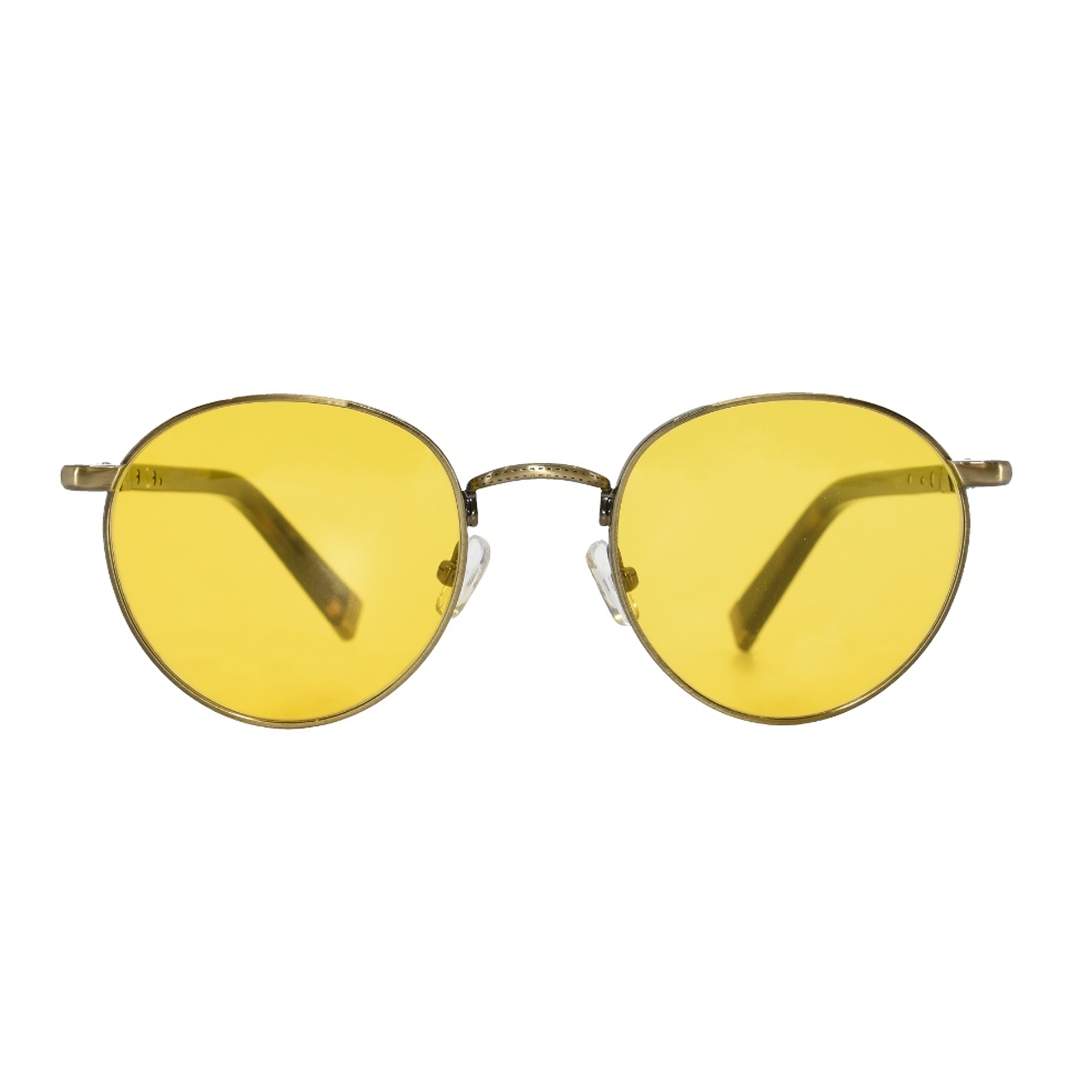
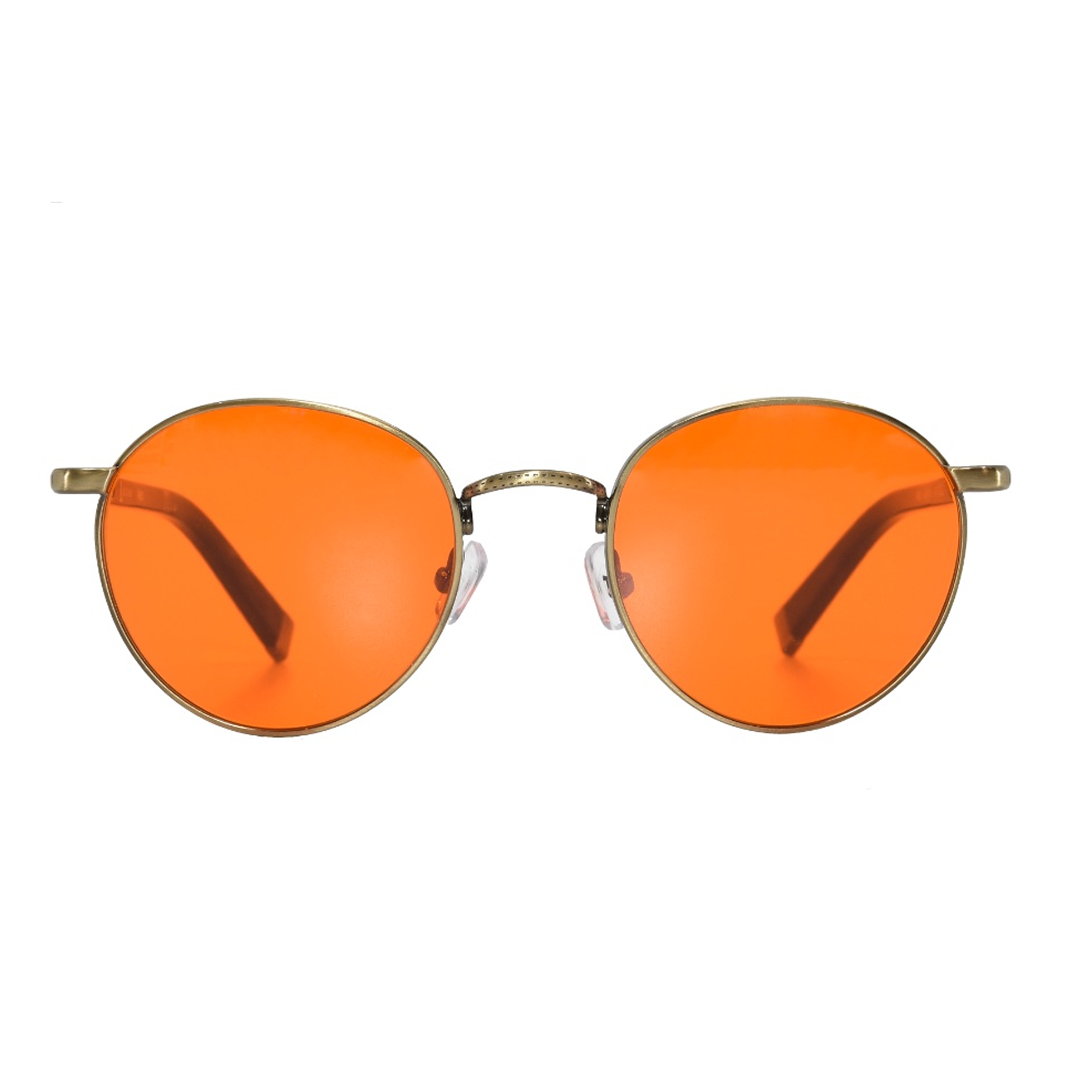
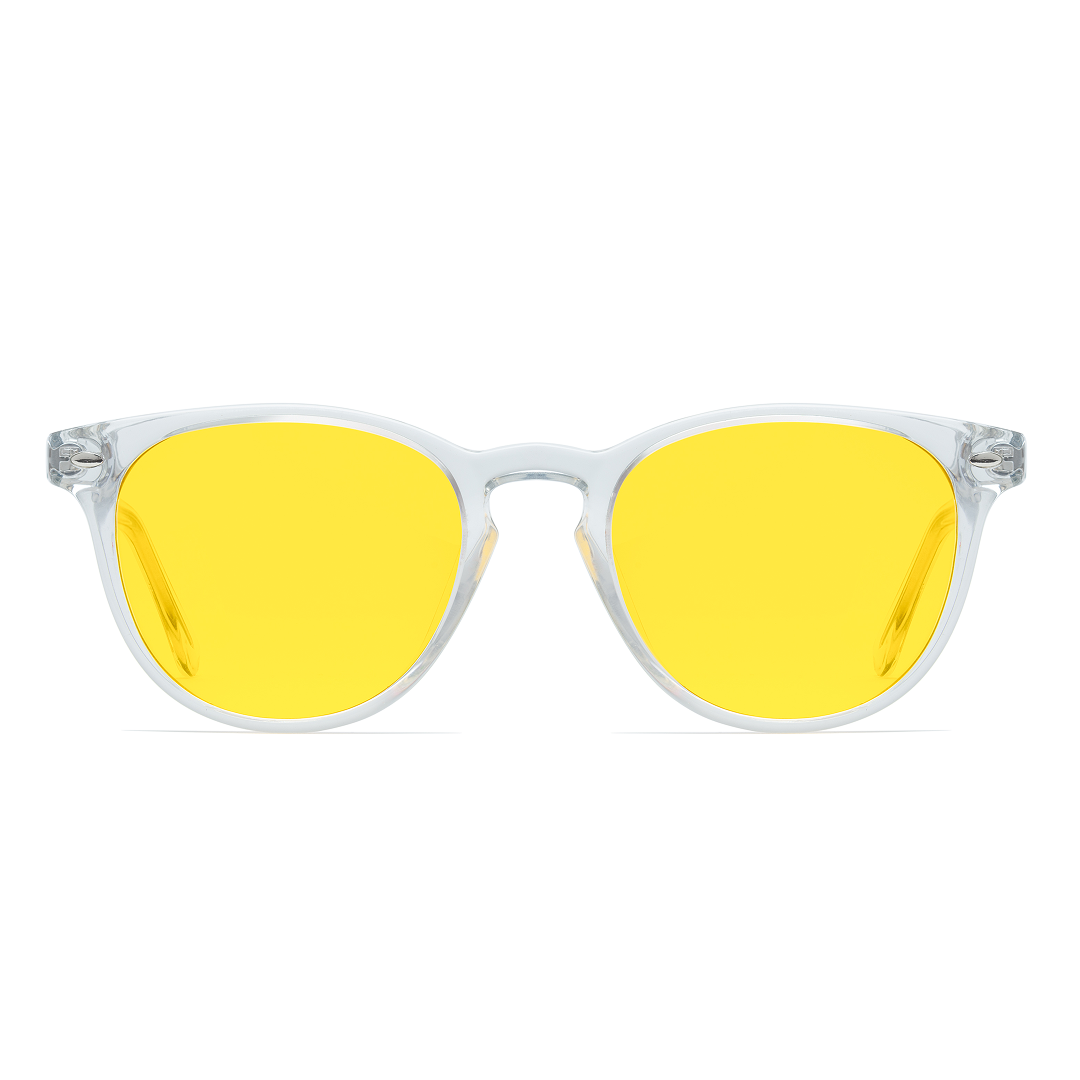
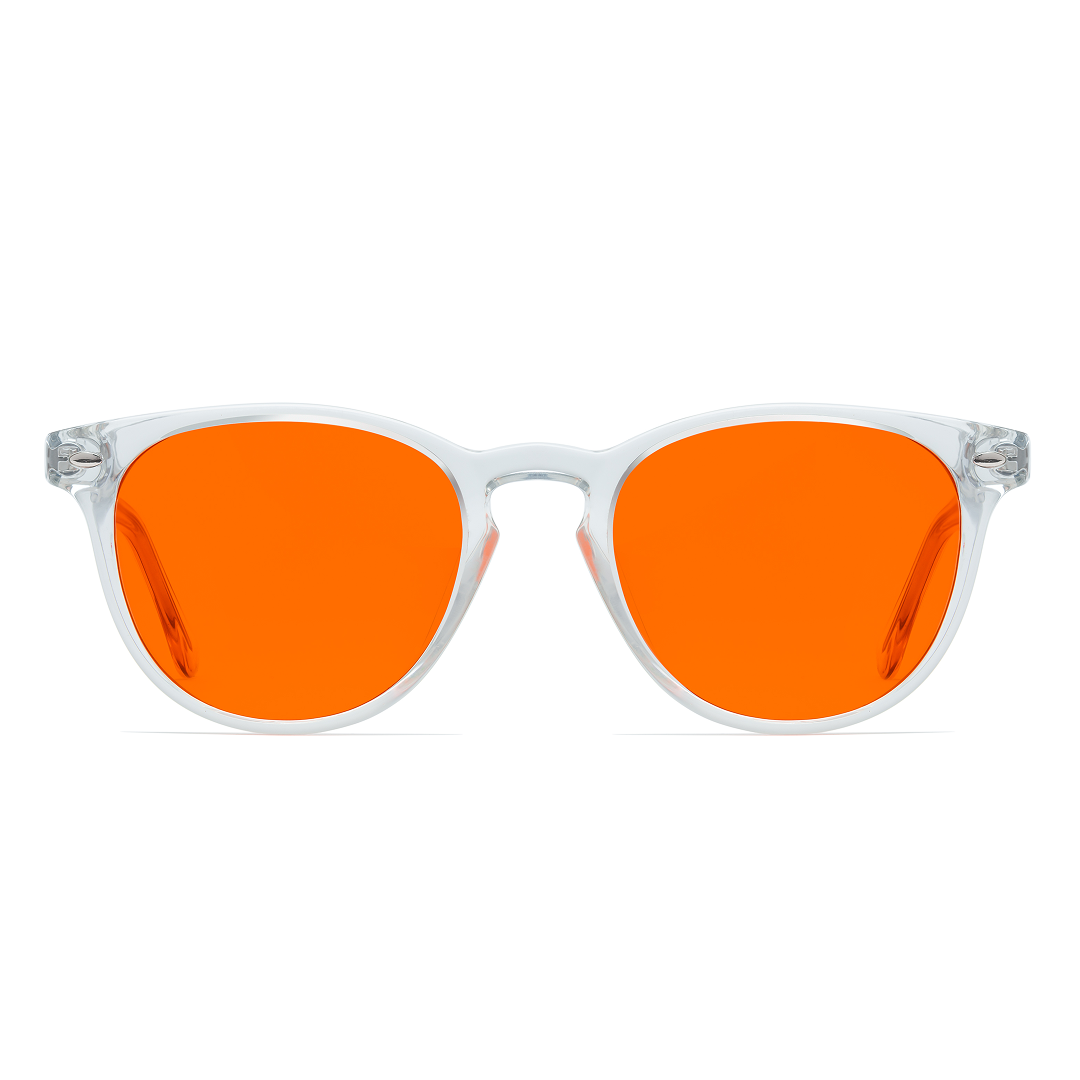
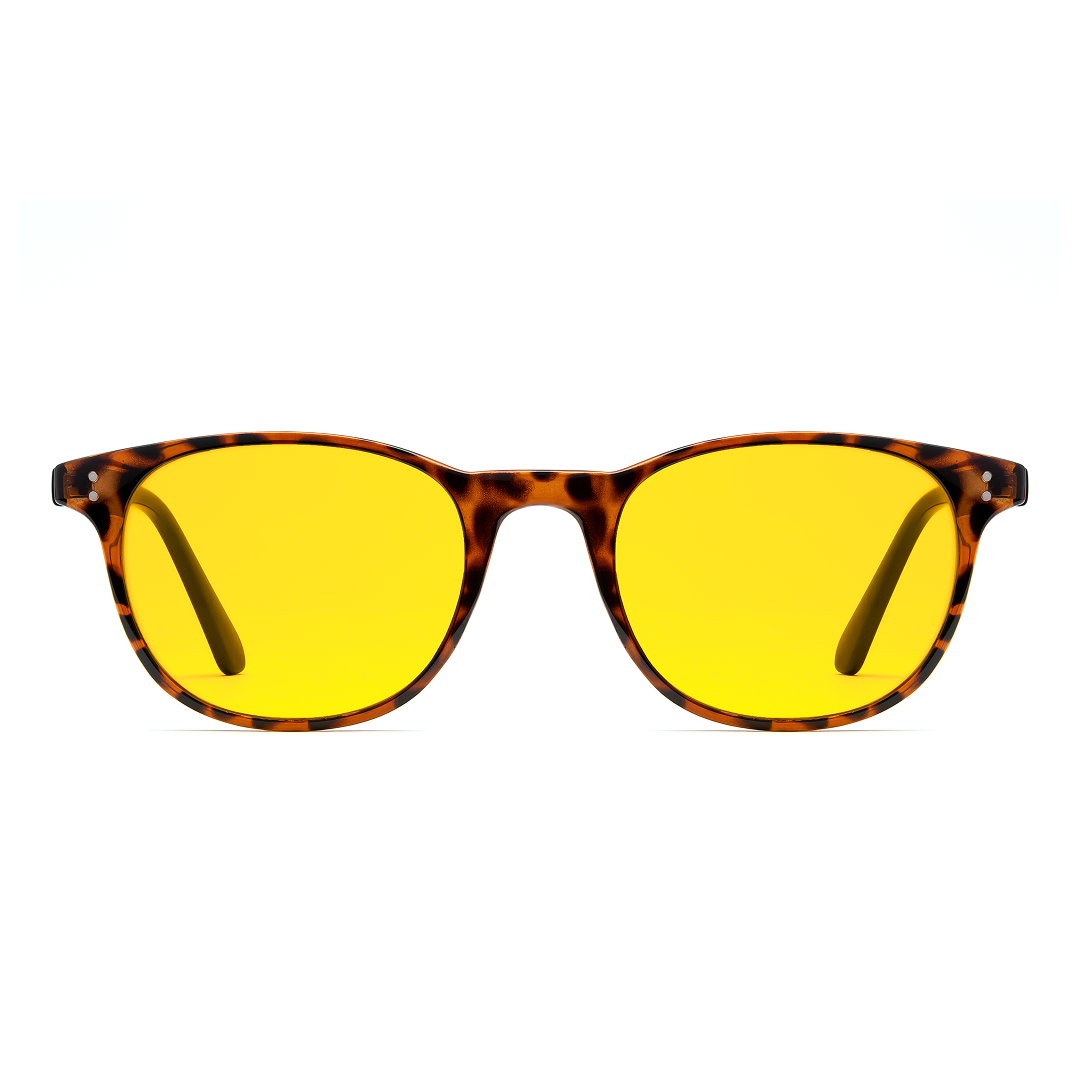
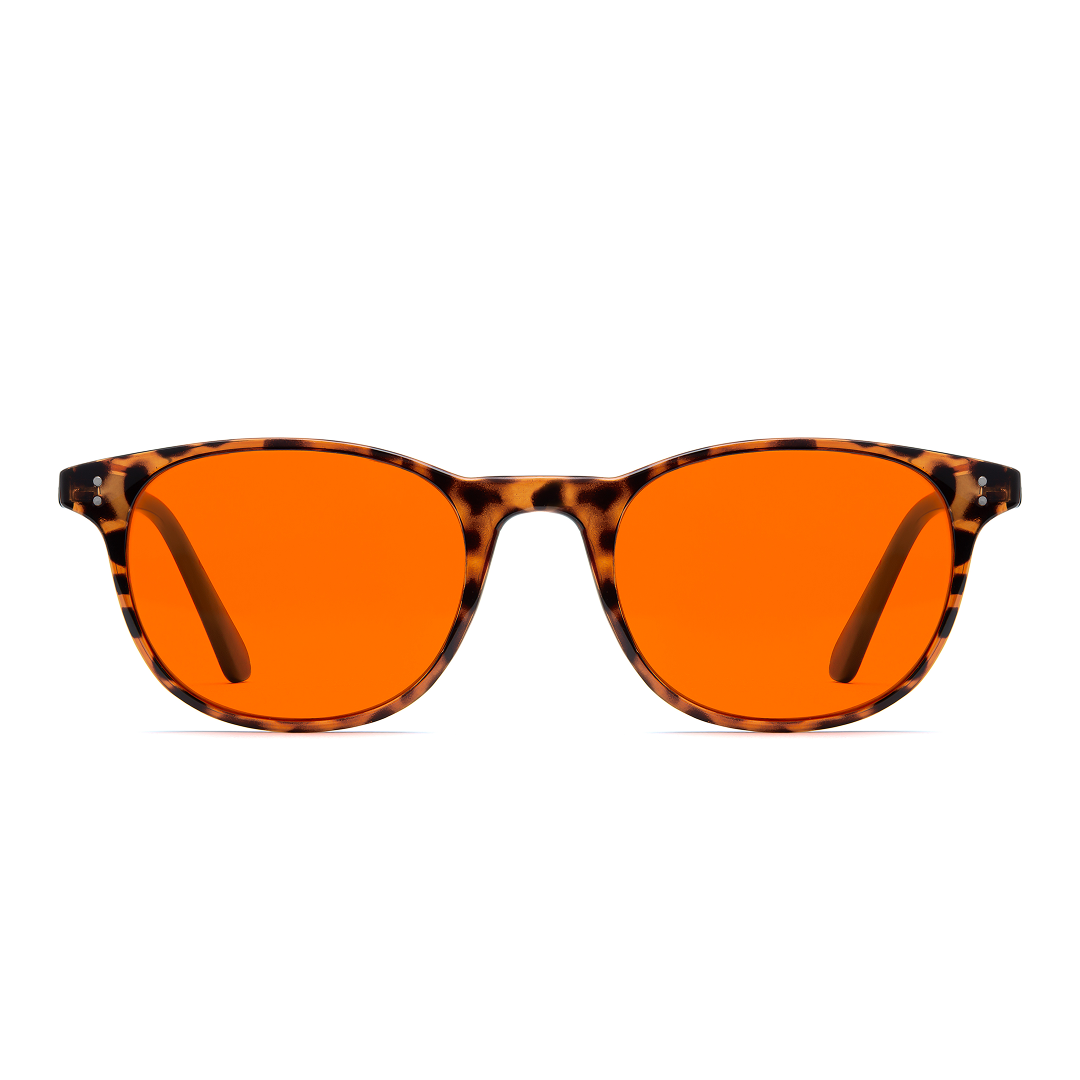
BioSpectral Systems blue light-blocking glasses are the only complete blue light filtering solution available today. These tinted lenses provide visible protection; yellow tinted daytime lenses filter out 100% of 455nm blue light. And, because the human body is more sensitive to blue light during the evening (when we most need to be producing melatonin), BioSpectral Systems also offers orange tinted nighttime lenses capable of filtering out blue light up to 550nm. This two-part solution gives your body the right blue light protection for any time of day.
BioSpectral Systems lenses are also designed to provide the best possible color perception of any tinted lenses, filtering out harmful blue light, but leaving longer wavelengths through the yellow spectrum untouched. This means you’ll be able to easily distinguish color gradients, without experiencing melatonin suppression.
This balance of total protection and optimal color perception make BioSpectral Systems lenses the only complete blue light solution on the market.
In the fight against blue light, clear lenses just don’t have what it takes. BioSpectral Systems day and night glasses pick up where clear lenses fall short. Tinted day and night lenses provide the right amount of protection wherever you need it, and advanced engineering ensures that you can enjoy this protection, while still distinguishing colors. The end result? Better sleep, improved health, and a brighter life.
For more information and exclusive deals, sign up for our newsletter!


Disclaimer
The information on this site is provided by BioSpectral Systems for educational and informational purposes only. It is not intended to diagnose, treat, cure, or prevent any disease and has not been evaluated by the U.S. Food and Drug Administration or any other regulatory authority. Always consult a qualified healthcare professional before making any changes to your health regimen. By using this site, you acknowledge that you do so at your own discretion and agree that BioSpectral Systems, its affiliates, and contributors are not liable for any outcome resulting from the use of the information presented.
Share:
What is Leptin? Only the Most Important Hormone to Human Health
Daylight Saving Time: The Seasonal Theft of Light, Health, and Coherence