

 Introduction
Water is not just a simple molecule; it's the cornerstone of human health and vitality, intricately tied to our biological functions at the most fundamental levels. 98% of the molecules in our body are water and its consequential key role in peak physical performance is broadly underestimated. Beyond its role in biologic hydration, recent perspectives shed light on water's remarkable properties, revealing its pivotal role in energy transfer, information storage, muscle memory, and cellular function. This new understanding presents water as a dynamic medium capable of interacting with electromagnetic radiation, adaptively changing its structural arrangement based upon the signals it receives, and even exhibiting memory-like properties.
Water within the living system is so poorly understood and often ignored when it comes to optimal performance. This is baffling due to its fundamental role as the body’s most abundant molecule, most effective solvent, most important photoreceptor, the medium substance in which electrical semiconduction of the bodys DC electric current moves within, biologic battery or capacitance, memory storage and retrieval system, protein folding governor, infinitely adaptive holographic mirror changing structure to represent different electromagnetic and acoustic signals, and necessity in facilitating every biochemical reaction. These are just some of the essential aspects of water that position it as the most important substance in the human body allowing every single protein to function as we see in a thriving human living system. Its role as the key substance interacting with light positions it as the key to how energy and information flow around the living system. Coaches, trainers, practitioners, and athletes themselves must be aware that their water networks are compromised in a modern athletic world so preventative and remedial solutions can be implemented effectively and intelligently. More on this later.
Water is made of hydrogen and oxygen, two hydrogen atoms bonded to one oxygen atom. Even in this stable structure, the hydrogens carry a slight positive charge, and the oxygen a slight negative charge, forming what’s known as a dipole. This natural polarity allows water molecules to interact dynamically with one another. When exposed to light, especially in the infrared and ultraviolet wavelengths, water becomes energized. These energized molecules begin to organize into hexagonal, honeycomb-like clusters, a gel-like, fourth phase of water that exists between a solid and a liquid. Inside the human body, this structured water acts as a biological superconductor, allowing electrons and protons to move rapidly and efficiently, powering mitochondrial energy generation at the most foundational level. When these water molecules are structured, they are entangled connecting every part of the living system together so it can function as a unit and able to deliver biomechanical results greater than the sum of its parts.
Put simply: when full-spectrum sunlight, rich in infrared and UV, reaches the skin and eyes, it charges the water in your body, creating an ordered, energized phase of water that can conduct electricity, facilitate energy creation, oxygen delivery, waste removal and drive every chemical reaction in the body. This is how light, water, and charge come together to power life.
This structured water forms on hydrophilic surfaces throughout the body, most notably on collagen (in skin, fascia, joints), cell membranes, mitochondrial membranes, blood vessel linings, the extracellular matrix, cytoskeleton, and the glycocalyx. This is especially relevant for athletes, as structured water builds along collagen-rich tissues like muscles, ligaments, tendons, and fascia, directly enhancing energy transfer, flexibility, recovery, and injury resilience. It sets the biomechanical and bioelectrical stage for peak performance providing tissues with a reservoir of free electrons and giving mitochondria access to H⁺ protons needed to produce ATP and more structured water. Water in the body dynamically shifts between a structured (gel-like) phase and a liquid phase, depending on function. In its liquid state, water acts as a cofactor for biochemical reactions; in its structured state, it supports cellular communication, protein folding, mechanical tension, and photonic energy transfer just to name a few. This fluid intelligence, this constant phase transition, is a hallmark of biological coherence, and it only exists in a body charged with light, movement, and electrical potential. When structured water flows, so does performance: greater energy, faster recovery, and more precise, resilient movement. The organs of the cells, mitochondria, build structured water as they undergo their normal metabolic functions such as generating adenosine triphosphate (ATP) hydrating cells from within at body temperature, the perfect temperature to keep cells healthy and nourish collagen rich tissues to remain elastic and avoid cross-linking so they can optimally perform the length-tension relationship they need based on the forces being applied so no injury occurs. Without sufficient structured water, the body is predisposed to short- and long-term consequences such as suboptimal athletic performance, increased injury risk, and chronic pain, all of which undermine an athlete's performance, resilience and long-term potential.
After years in muscular research, Dr. Gerald Pollack came to a groundbreaking realization: water, not proteins or ions, was the key driver behind muscle function. This insight led him to shift his entire focus to water science, building upon and extending the visionary work of G.H. Bardelmeyer, who first proposed that light and water together generate free protons and biological energy. Pollack followed this thread, drawing inspiration from pioneers like Gilbert Ling, Emilio Del Giudice, Mae-Wan Ho, Giuliano Preparata, and others who challenged the conventional biochemical paradigm.
Pollack went on to reveal that infrared (IR), ultraviolet (UV), low-frequency magnetic fields, and biologically compatible sound are the primary forces that generate large volumes of what Pollack termed EZ (Exclusion Zone) water, named for its ability to exclude particles larger than a proton, creating a zone of charge separation. This phase of water is also referred to as structured, coherent domain, liquid crystalline, gel-like, or ordered water. While the terminology varies, all describe the same highly ordered, energized state of water that forms next to hydrophilic surfaces within living systems. Again, this structured water acts as a superhighway for photoelectric energy, enabling and amplifying every biological function at the subatomic scale within every part of the body. It is the missing link in our understanding of how light, water, and charge come together to fuel life.
Water’s ability extends beyond its base role of facilitating all movement in the human body, it is also capable of facilitating non-linear optical functions, including second harmonic generation (SHG). SHG in collagen is a crucial component of how tendons function, as they utilize this nonlinear optical process where water absorbs photons and multiple photons can combine to generate new photons with double the frequency as required to fuel metabolism required in high level performance. That’s right. Water’s ability to continue to transfer the light energy within its network allows this energy and information to propagate very effectively structuring and optimizing physical structure and utilizing light, electrical, magnetic, and even sound energy signals to achieve peak physical performance.
This process contributes to the optimization of biological and biophysical functions by maximizing the utilization of available energy.
The Power of Light and Water Interacting within Living Biological Systems
Visible light, the colors of the rainbow, play a central role in numerous biological processes, particularly in regulating our endocrine (hormonal) and nervous systems. The eye, brain and skin interactions with visible light impact our circadian rhythm, gene expression enhancing performance and longevity, muscle fiber choice and function, cardiovascular output, parasympathetic/sympathetic tone, sleep and regeneration via melatonin and growth hormone, and much more. Non-visible light profoundly influences cellular health, brain function, hormone and peptide creation, vitamin D status, immune function and bone strength, regeneration and detoxification processes, hair growth, gut function, and diversity of the microbiome, all in addition to its role in charge separating water as mentioned earlier.
Natural visible and non-visible light includes full spectrum sunlight (ultraviolet, infrared, purple, blue, green, yellow, orange, red) and earth's electric and magnetic field often referred to as the Schumann Resonance or Earth’s heartbeat. These are fundamental elements to be exposed to maintain every bodily process and function especially the process of structuring of water networks within the human body and enhancing mitochondrial function, thereby contributing to overall peak performance, resilience and robustness. Exposure to full spectrum sunlight including broadband red and near infrared light, direct contact with the Earth's electric field through grounding to the soil/sand/grass, immersion in natural bodies of water, interaction with natural magnets or magnetic fields, breathing fresh clean air, consumption of locally sourced, seasonal, fresh, wild, and grass-fed food, and intake of structured, negatively charged, mineralized, and clean water are some ways this connection can be fostered.
We are designed to be fueled by full spectrum sunlight either directly or in our food/water/air we consume/breathe. All light contains energy and information which interacts with electrons within every atom in our body on our skin and eye surfaces programming and filling our living system. The full solar spectrum light signals we are designed to work with are always a balanced spectrum between 250nm in the UV range up to 3,500nm in the Infrared range. Anything outside of this range or within this range but unaccompanied by the full spectrum causes altered responses in our living system. The worst offenders having the largest adverse biologic effects are artificial high energy visible light (AHEVL) predominantly existing as isolated blue and green frequencies in our indoor lighting, technology screens and other artificial sources of illuminance. And wireless pulsing frequencies like Wi-Fi, Bluetooth, 5G frequencies along with alternating current (AC) dirty electric and magnetic fields from power transmission lines and copper electrical wires.
The energy and information in these artificial forms of light instruct a harmful cellular stress response, result in mitochondrial dysfunction via free radical and oxidative stress overload, unstructured our water networks, drop the charge within the fluids creating stagnancy and damage our protein structure modifying it to be sub optimal. The artificially lit and electrified environments we live within have become so bad that it’s now a biological certainty that it will affect athletic performance, lead to degradation of biologic health and if exposed for enough time will reduce longevity by resulting in extreme vulnerability to injury or illness, or a chronic disease involving the heart, brain, nervous, metabolic, or immune system first. By mitigating exposure to these artificial elements, we can dramatically influence our biological systems, paving the way for enhanced athletic performance and a dramatically increased biologic robustness and resilience with reduced risk of injury. 
 The energy and information contained within photons of light are described by their orbital angular momentum (OAM) or spin number. These OAM spin numbers are infinite and dependent on the wavelength of light and its intensity and origin. This is how we know the energy and information programming delivered by different types of photons of light such as those from the sun, a cell phone, a Wi-Fi router, a light in the kitchen or headlights on cars are instructing and empowering life around them differently.
Biomolecules, as coalesced forms of matter with distinct energy and information signals, absorb energy in specific wavelengths to perform their functions, and at a deeper level, they are primarily oscillating energy with unique electromagnetic fingerprints, evidenced by the science of Fraunhofer lines (elemental absorption of particular wavelengths). The intersection of light photons (visible and non-visible) with biomolecules (matter) animates all life. This process of human photosynthesis is central to not just health but peak athletic performance. The most abundant biomolecule in the human body is water and the energy which structures this water most optimally for the human living system to thrive is red + infrared (which we call red) light and ultraviolet light. Dr. Gerald Pollack was the modern-day pioneer of this research demonstrating that these light wavelengths work together to create coherent structured water networks within the human body, optimizing the charge carrying and shock absorbing potential of the compression element of the tensegrity system; all resulting in superior biological performance. Thus, it becomes important to learn some basic biophysics of red and ultraviolet light and how they build biomolecules within the body’s structured water networks.
Red light in the wavelength range of 600nm to 3,200nm is absolutely foundational to human physiology interacting with the eye and brain and governing the foundation of water chemistry within the human body. Combined this red light makes up over 50% of the photon emissions from the sun that reach us on earth’s surface. Red light is absorbed strongly by our water networks to power its fourth phase gel structure where it can charge up becoming the living systems biological battery and facilitate every biochemical reaction. But water is not the only photoreceptor for this red light, mitochondrial complexes 4 (cytochrome c oxidase), many hormones, blood and even melanin absorb red light to facilitate key biochemical reactions. See the list below for direct and indirect benefits of human red-light photosynthesis.
Ultraviolet (UV) Light exposure when delivered along with the visible rainbow and infrared, such as that emitted by our sun, provides a significant myriad of benefits to the human body. Exposure to UV light especially between 340nm and 380nm stimulates complex 1 in the mitochondria and nitric oxide production to increase sub-cellular hydration and vasodilate the blood vessels in the eye and skin allowing them to migrate to the surface and collect more light. This upregulates human photosynthesis (phototransduction) powering up the brain and body to a high energy state. UV light from 250nm to 340nm stimulates the production of Dopamine via its action on the molecular benzine rings within the aromatic amino acids phenylalanine and tyrosine. Dopamine plays a crucial role in selecting muscle fiber types, thereby influencing muscle integrity and function. Higher levels of dopamine correlate with optimal muscle performance. This relationship is evident in conditions like Parkinson's disease, where the destruction of dopamine-producing neurons leads to significantly impaired muscle function. So, broadband UV light exposure balanced with the complement of visible and infrared as delivered by the sun is vital to athletic performance and prevention of injury. This dopamine production increases the number of dopamine producing neurons in the brain leading to improved function of the substantia nigra, habenula nucleus, retina, circadian clock timing in the hypothalamus and brain overall. The implications of this are wide-reaching for the rest of the body beyond muscle fiber function, including improved collagen, elastin and fascia function and overall cardiac output.
Further to this, this specific range of UV light exposure on the human living system signals and powers the creation and regulation of serotonin, melanin, nicotinamide adenine dinucleotide (NAD), melatonin, vitamin D, and many other biomolecules listed in the graphic below. These all play key roles within cells all over the body boosting metabolism and cardiac function, immune function, sleep and regeneration, detoxification and so much more.
Non-native electromagnetic fields (nnEMFs), such as radiofrequency (RF) and low-frequency electric and magnetic fields from our Wi-Fi routers, mobile phones, Bluetooth headsets, smart health tech, home appliances, heart-rate monitors, power distribution lines and electrical substations, can significantly disrupt mitochondrial and cellular processes via its 'dehydrating effect' by negatively impacting mitochondrial water production and alter the structure of water molecules within cells as mentioned above, making the hydrogen and oxygen bonds less sticky and less able to form structured clusters disrupting charge separation and energy/fluid dynamics crucial for proper protein folding, light capturing and enzyme activity. nnEMFs also lead to the improper activation of voltage-gated calcium channels (VGCCs) on cell membranes, leading to an influx of calcium ions into cells, causing oxidative stress due to the excessive production of reactive oxygen species (ROS) and reactive nitrogen species (RNS). The excessive intracellular calcium disrupts essential cellular signaling pathways and results in the formation of peroxynitrite, a damaging molecule that causes protein nitration, lipid peroxidation, and DNA damage. (study) Practically, this negatively impacts an athlete by making muscle, tendon and ligament tissues more rigid, more often contracted, less functional and more prone to consequences when force is applied. It's easy to see evidence of this when you measure the baseline nnEMF exposure levels at every single one of the stadiums, practice and training areas of all major sports teams across the USA compared to just 30 years ago, and the increase in non-full speed, non-contact injury so many athletes are sustaining in recent times. None more obvious than what has been happening at the San Frasisco 49ers. Since moving to Levi’s Stadium, the 49ers have been a decade-long statistical outlier for injuries, especially Achilles and patellar tendon ruptures and severe soft-tissue tears, despite having elite talent and similar turf, schemes and workloads to other NFL teams. What is significant here is the 49ers are chronically exposed to high levels of strong low-frequency magnetic fields from a neighbouring power substation, impacting the players and staff where they work, play, train, lift, recover and spend their days. The mechanism, as you now more likely understand, is liked to systemic weakening collagen and connective tissue at the mitochondrial and water level, creating “fragile tendons in elite bodies” and that current EMF safety rules, which only consider heating and ignore non-thermal biology, are blind to exactly this kind of damage. But this problem is not unique to the 49ers. Similarly, the Carolina Panthers’ new practice facility in Uptown Charlotte sits only a few hundred meters from a large Duke Energy substation. In recent seasons the team has logged a steady stream of sub-optimal performance and collagen heavy injuries, including repeated ACL tears, back surgeries and persistent soft tissue problems in key players. The NFL now may have a duty of care to lookin into or at least ask whether chronic low level field exposure is adding another invisible load on their connective tissues, rather than writing it all off as bad luck.
Mitochondria, the cell's powerhouses, are particularly vulnerable to the effects of nnEMFs. The oxidative stress and elevated calcium levels impair the mitochondrial electron transport chain (ETC), leading to excessive superoxide production and reduced ATP synthesis, thereby affecting energy-dependent cellular processes. This mitochondrial dysfunction can hinder mitophagy, the process by which damaged mitochondria are degraded and recycled, resulting in the accumulation of dysfunctional mitochondria and impaired metabolism. Additionally, nnEMF exposure can trigger inflammatory responses by activating inflammatory pathways and increasing blood-brain barrier permeability, which exacerbates neuroinflammation (study).
The impact of nnEMFs on cellular processes is especially concerning for the developing brain (under 30 years of age), contributing to neurodevelopmental and neurodegenerative conditions. Disrupted synaptic function, mitochondrial dysfunction, and altered protein folding impair neural development and function. Chronic inflammation and increased oxidative stress further compromise cognitive function. (study) Mitigating these destructive effects on the body’s water networks, mitochondrial function and intracellular signalling involves reducing nnEMF exposure especially in the bedroom at night whilst sleeping; and reintroducing more red and ultraviolet light.
Mae-Wan Ho described the body’s molecules, including water, as aligned in a liquid crystalline continuum that moves coherently, enabling the entire living system to adapt to environmental cues. Remember, structured water within us forms a liquid crystal structure that encodes, stores, transmits, and receives electromagnetic energy and information, acting as an antenna that tunes into frequencies from both the external and internal environments. Just like tuning a radio to a different frequency, structured vs. unstructured water, or deuterium-depleted vs. deuterium-loaded water, affects how energy and information are processed. Karl D. Moore further explains that water holds memory, being highly impressionable and retaining the effects of its encounters. When water is organized into liquid nanotubes throughout the body, it flows without friction, moving rapidly to transmit energy and information with superconduction-like efficiency.
The liquid crystal matrix of biological water within our bodies is maintained in its most highly structured state within our cells called the cytoplasm. The geometry (shape) of this water at the subatomic scale is formed to enhance charge flow throughout the body with as much perpetual flow as possible and as little friction as possible. This action is primarily maintained by our mitochondrial furnaces which operate at a temperature of ~125F (55C). This is nearly 50% hotter than our homeostatic body temperature. This demonstrates that broadband biophoton emissions, especially in the infrared range are emitted into the cytoplasmic water ensuring a perpetual internal structuring mechanism. However, this is contingent upon the living system receiving a daily energy source such as sunlight, grounding, consuming food or water, breathing charged air, living within Earth’s magnetic field, or having a direct connection with other humans or animals. And remember mitochondria make this structured water as part of oxidative phosphorylation, especially at complex IV in the respiratory chain. This means that as long as our mitochondria are fed with light, magnetic flux, deuterium depleted protons, electrons, oxygen and nutrients, they will continue to pepertually structure our cells ‘factory floor’ allowing DNA and RNA transcription from the nuclear and mitochondrial DNA, build proteins and power all biological programs within the human living system including growth, repair and regeneration.
Collagen and Water
Collagen is the most abundant protein in the human body, constituting about one-third (33%) of our total protein content. It plays a crucial role in maintaining the structure of connective tissues, where it is always surrounded by structured gel water. This interaction forms a unique hydration environment that is critical for various biological functions. Collagen, the principal protein of the extracellular connective tissue matrix, is a triple helix with a hydration shell surrounding each polypeptide strand. The protein can transfer electrons by semiconduction, and protons (H+) and hydroxyls (OH−) migrate through the hydration shell. These charge movements can be very rapid and are vital to life. It’s vital to view collagen in this way to fully appreciate the central role of phototransduction from light into electricity via its interaction with water and the reversal of this with enough charge back into light inside the body. In this way, collagen acts as one of the body’s key biologic solid-state semiconductors converting direct current (DC) electricity into light when a sufficient current is passed through it, much like an organic light-emitting diode (OLED). This property is due to its molecular symmetry, making the protein chiral and enabling it to move electrons and protons at high speeds throughout the body.
Albert Szent-Györgyi introduced the concept that collagen and other structural proteins are semiconductors in his 1941 Korányi memorial lecture [study, study]. Despite initial rejection, it is now understood that hydrated collagen can function as a semiconductor, playing a crucial role in biological processes and even in the global microelectronics industrystud , study, study ,study
Type I collagen, the most abundant form, is the archetype of all collagens. It is predominantly found in tendons, skin, vasculature, and the organic portion of the calcified tissues in bones and teeth. The chirality of collagen extends to the water molecules surrounding it, creating a distinctive photoelectric interaction with the liquid crystal water environment, which enhances its biological functionality.
Highly functional mitochondria within a living system loaded with full spectrum light, regularly plugged into the earth, and sustained with adequate vitamins, minerals and amino acids enhances biomechanical pliability, resilience, tissue quality and reduces the likelihood of strains, tares, and injury. Collagen, crucial for tensile strength and elasticity in tendons and fascia, relies on adequate hydration. It facilitates smooth muscle movement and the transmission of forces to bones, vital for peak athletic performance and injury prevention. More specifically, the interfacial and synovial fluid's negatively charged gel ‘coherent domain’ water is essential for lubrication, shock absorption, and joint stability, supporting movement while minimizing friction. Enhanced cellular hydration promotes collagen production, strengthening connective tissues and reducing sports-related injuries.
Well-hydrated cells also contribute to faster recovery and improved joint health, enabling athletes to sustain high performance during rigorous training. When an injury does occur an inflammatory barricade forms due to collateral damage to healthy tissue surrounding the injury site as Selye’s classic studies show, which include his description of the granuloma or Selye pouch. This site of injury then demands an increased energy requirement and special protection from oxidative damage, carried out by the tensegrity system study,study which protects and feeds the injury site back to health. However there are two scenarios during an injury, if the person is grounded or ungrounded. (A) After an injury, the ungrounded person (Mr Shoes) will form an inflammatory barricade around the injury site. (B) After an injury, the grounded person (Mr Barefoot) will not form an inflammatory barricade, because reactive oxygen species that could damage nearby healthy tissue (collateral damage) are immediately neutralized by electrons semiconducted from the electron-saturated ground substance via the collagen network.

This living matrix, ground regulation system, or tissue tensegrity matrix is a continuous fibrous web-work or network that extends into every part of the body. The extracellular components of this network consist primarily of collagen and ground substance and the cytoskeleton is composed of microtubules, microfilaments, and other fibrous proteins. The nuclear matrix contains another protein fabric composed of histones and related materials. The ground substance, a highly charged polyelectrolyte gel and reservoir of electrons, surrounds collagen fibrils in units called matrisomes, allowing electrons to migrate through the collagen network to maintain an antioxidant environment around injury sites and prevent damage from reactive oxygen species. The tensegrity system is the largest system in the body, as it is the only system that touches all of the other systems. Research in cell biology and biophysics reveals the human body is equipped with a system-wide collagenous, liquid–crystalline semiconductor network known as the living matrix,study or in other terms, a ground regulation system study, study or tissue tensegrity matrix system.study This body-wide network can deliver mobile electrons to any part of the body and thereby routinely protect all cells, tissues, and organs from oxidative stress or in the event of injury when the body is absorbing sufficient sunlight, food nutrients, electrons from grounding or from the air.study The living matrix includes the extracellular and connective tissue matrices as well as the cytoskeletons of all cells.study Integrin proteins at cell surfaces allow for semi-conduction of electrons to the cell interior, and links across the nuclear envelope enable the nuclear matrix and genetic material to be part of the circuitry. Study This body-wide aqueous electronic circuit represents a primary antioxidant defense system [study].
What Makes the Water, Mitochondria.
The mitochondria then use this H+ fuel from the coherent domains of split (charge separated) water to create metabolic energy as ATP during oxidative phosphorylation. Photoreceptors/Chromophores/Porphyrins like melanin, haemoglobin and cytochrome c when exposed to full spectrum light are highly involved in this process as are the mineral composition of the water and the waters voltage/pH which impacts its gel crystal structure. So ultimately, the splitting and recombining of water allows our functional movement internally to operate as it should, allowing us to push the limits of physical performance. These together are the likely explanation for these super abilities of water to act as a capacitor/battery and absorb, transfer, and release huge amounts of energy within the human living system. So, what are we saying, full spectrum sunlight, especially UV and IR, charges up our water networks which allows collagen to function optimally.
As a part of the energy generation process, mitochondria also recombine/make/create water! So, our colony of mitochondria split, recombine, and structure water within our bodies at a surprising rate. This process of water creation is called a ‘biproduct’ of generating ATP, but it is arguably the most important process in the human body allowing our body to remain hydrated at a subcellular level.
The human body contains about 55% to 80% water diminishing with age and within our living system we split apart and recombine and recycle about 2,000 gallons of water every day from functional processes all over the body with our mitochondria acting as the essential refilling power plant of this metabolically structured water. This water functions as the incompressible element within the tension/integrity (tensegrity) system, making up 90% of our cellular structure, 92% of synovial fluid around joints, 93% of our blood, 97% of our interstitial and lymphatic fluids and 99% of our cerebral spinal fluid (CSF). All these fluids are significant as they relate to elite athletic performance. Given their composition is primarily structured negatively charged gel/liquid crystal water, the sufficiency of this water and the structuring of this water becomes pivotal to maintain fluid dynamics and mechanics, pressure systems and optimal functional performance of tissues such as muscles. This positions mitochondrial function at the center of elite athletic performance.
Enhancing Team Performance Through a Complementary, and Preventative Approach
Today the medical system funds more drug development, pharmaceutical treatments, diagnostic care and surgical interventions than ever before. This is important and necessary for sports teams to tap into when appropriate, but there is a complementary approach which can also make a gigantic difference in team game performance as it comes to health beyond diagnosis, drug, billing code, surgical procedure/intervention, rehabilitation. Implementing a complementary preventative approach that is low-upkeep and non-invasive, will reduce the medical expense budget due to players being less injury prone, improve the morale of the organization, increase the amount of training and performance the players can endure and speed recovery between games physically and mentally. All of this can translate into more wins for the teams, increased fan base, ticket sales, viewers, and bottoms in seats at home and away games.
Teams are playing late at night, eating late, travelling on airplanes late at night, going to bed in the early hours of the morning, waking up late, training hard first thing in the morning, and spending much of their day indoors disconnected from the great outdoors. This lifestyle continues all season long until the players are depleted, injury prone, in performance slumps and digging into stem cell reserves to continue to play. Soaring rates of soft tissue and non-contact injury along with anxiety, depression, insomnia and cardiovascular issues plague modern day athletics world-wide. Nervous system dysregulation is at the center along with mitochondrial and circadian dysfunction. Blood flow restriction bands which destroy parasympathetic tone, result in buildup of waste products due to poor clearance of substances like lactic acid and excessive stress on the body’s circulatory system when voltage within the blood is already low don’t help the situation. Add to this the athletes being pulsed by invisible wireless frequencies dehydrating every tissue within their bodies, tanking vitamin D levels, reducing the functional performance of fascia, muscles, tendons, and ligaments and unstructuring the body’s water networks and no wonder these young fit specimens are not achieving their potential. As an example, the average running back in the NFL has a career of 1.4 years.
It is evident across all the leagues in North America that teams towards the middle of the seasons are beginning to struggle with player injuries, performance slumps and bouts of sickness. Then as it comes to the end of the season players are failing to recover, especially those who are most banged and bruised up in games or had past injuries or sickness. It is evident that this is not just in response to the extra load they are putting on their bodies but also the lack of ability to significantly recover post games or injury. When players have a buildup of being knocked around and sore without a speedy recovery, performance suffers as the body is forced to allocate its metabolic energy to immune function instead of to the muscles and coordination. Speeding up this healing is part of the complementary approach to creating a high-performance space within the facilities and, homes and travel conditions.
The foundation of this complementary proposal is to create an environment supporting peak human performance and healing within the sporting facility, the athletes’ homes and when they travel. This is simple to do, involving building biology assessments, subsequent remediation, strategic lifestyle protocol implementation and supportive biohacking interventions for the facilities, players and their homes. Results are guaranteed and will be measured via Oura Ring sleep scores, blood tests, and various other medical diagnostics if so chosen.
How do dysfunctional water networks within the body lead to susceptibility to non-contact injury in professional athletes?
As the tissues and collagen network of the body becomes dehydrated and the charge separation within the water shrinks, athletes experience a dramatic reduction in endurance, strength, and reaction time, while muscles and tissues lose elasticity and are more prone to strains, sprains, and other types of injuries. In recent years, including the 2024 Super Bowl, athletes are experiencing record levels of concussion, circulatory issues, soft tissue injury and non-contact injuries such as Achilles tares, ACL injuries, pulled muscles and blood clots. Athletes are training and playing in 5G stadiums/facilities/gymnasiums lit by artificial light, regularly flying in irradiated metal tubes across time zones with disrupted sleep schedules and experiencing a chronic deficiency in full spectrum sunlight exposure. All of these dehydrate their cells and reduce robustness and resilience in their biology. These visible and non-visible alterations to their environment have severely impacted their water networks which have set the stage for high performers to experience devastating and sometimes career-ending injuries related to their dysfunctional tensegrity systems.
Athletes these days train indoors or in 5G stadiums, facilities, or gymnasiums. They also experience insufficient sunlight exposure and time directly connected to nature. Their travel schedules, irregular sleep and food/meal timing and artificial light exposure after sunset are also massive disrupters to their water networks. Living mostly indoors, surrounded by wireless smart technology without regular breaks exposes their bodies to injury and sickness despite their seemingly healthy/strong appearance. Of specific concern as it relates to the many leg and Achilles injuries occurring is the lack of solar exposure over their calves, where the skin contains water, and photoreceptor proteins like proopiomelanocortin (POMC). POMC is a gene which creates proteins like melanin which act as light stores for full spectrum sunlight aiding in the building (charge separation) of the biologic battery with the surrounding water networks allowing more charge flow and fuel for the mitochondria to hydrate the cells and crate more energy. This insufficient exposure reduces the tissues ability to access and utilize local stress hormones like ACTH to support athletic performance, increases pain sensitivity due to a reduction in local beta endorphin release, reduced gel structured water to buffer the tension elements within the tensegrity system, reduced photoelectric transduction due to reduced melanin pigment, weakened bone strength due to lower vitamin D production, reduced flexibility due to loss of calcium control normally regulated by highly functional mitochondria, and lowered levels of peptides and signaling molecules which normally keep inflammation levels under control. Add to this an overexposure to artificial non-visible EMF radiation dropping the dielectric and magnetic properties of water reducing its capacitance, voltage, and coherent organization. The interaction of microwaves at 2.4Ghz can be seen on food cooked in a microwave, the food becomes dry, and the proteins are irradiated, this is the frequency used by our Wi-Fi routers, Bluetooth devices (including air pods), 4G cell phones and smart devices; and what do you think is happening to the proteins like collagen and water surrounding them within the human body when exposed to these frequencies? Add to this a 10-fold increase in power density and you can see why 5G frequencies unstructured the body’s water networks creating rigidity and susceptibility to tares and injury as well as a poorly functioning circulatory system (especially RBC function) and reduced chemical reaction rates, nerve firing fidelity and reduced motor function.
Exposure to artificial visible white LED light containing a large percentage of blue light negatively impacts collagen health by inducing inflammation, suppressing melatonin production, and interfering with essential processes like autophagy and collagen synthesis. This disruption not only compromises tissue integrity and repair but also affects circadian rhythms, leading to dramatic sleep dysfunction and increased susceptibility to injuries. Additionally, blue light can lower vitamin D and diminish the body's ability to respond to light cues and maintain optimal tissue function. This artificial visible light can also deplete the brain of dopamine leading to incorrect muscle fiber choice when muscles are built, decreased muscle fiber resilience and function as a result and weakened neuromuscular memory from poor firing in the motor cortex of the brain. Overall, the adverse effects of artificial blue light are extensive, devastating athletic performance.
Exposure to artificial non-visible light leads to the destruction of photoreceptors, impairing the body's ability to effectively utilize sunlight. This, coupled with slowed circulation and dysregulated calcium levels, can contribute to tendon and ligament issues, affecting athletic performance and overall mobility. Moreover, the dysregulation of mitochondrial energy and water production can lead to fatigue and dehydration, further impacting physical capabilities. Additionally, nnEMF exposure causes inflammation, oxidative stress, and hypoxia, exacerbating tissue damage and impairing recovery. Furthermore, these invisible artificial light frequencies lead to disruption and destruction to neurotransmitters, myelin, and glial brain cells, exposing the brain to devastating motor function impairment, mental health, and cognitive function challenges.
Summary of How to Optimize Water within the human living system
To optimize water within the body, fascia, collagen, and muscle function for musculoskeletal system robustness, resilience, injury prevention and to achieve peak athletic performance, several key strategies must be considered. Enhancing mitochondrial function is crucial, leading to increased ATP production for muscle contraction and endurance. Proper hydration with unfluoridated, structure, mineralized deuterium depleted water is essential, as it supports cell pliability, resilience, and collagen network integrity, reducing the risk of strains and tears. Exposure to natural elements like full spectrum light during the day, grounding/earthing (ensuring your brain senses magnetic flux from moving native charge in the environment, growing in a city is not equivalent to grounding in the countryside), also using quadpole/hexapole/octupole magnets to enhance charge flow and water structuring in particular tissues and reducing pain is also a good idea), and ensuring sleep quality (cold, dark, quiet, ventilated, nnEMF-free sleeping space) all contribute to optimal water network structure body-wide and mitochondrial function. Utilizing red and infrared light exposure to power mitochondrial function and build larger zones of structured water throughout the fascial network bolstering resilience and robustness
Adding molecular hydrogen and deuterium depletion to drinking water routines to provide more metabolically optimized liquid input into the body. Ensuring meal timing during daylight hours and exercising under full spectrum lighting allows hydrated molecules like dopamine, serotonin, melatonin, testosterone and growth hormone to setup the biochemical conditions for an optimal biophysical expression. Minimizing exposure to artificial high-energy visible light (AHEVL) and non-visible electromagnetic radiation (nnEMF) especially after sunset is vital, as they collapse the structure water zones along all membranes in the body, disrupt mitochondrial function, cause electrical communication issues systemically, impair collagen function, and negatively affect athletic performance just to name a few. Many athletes have yet to fully grasp the extent to which light influences their biology and performance. Unlocking this understanding offers a pathway to revolutionary advancements. Our approach involves educating athletes about these essential principles and equipping them with specialized tools which can be seamlessly integrated into their training and recovery regimens, providing them with a distinct edge in their athletic pursuits.
Appendix 1: Darius Leonard (linebacker) Concussion Case Study:
Background: From a biophysics standpoint, light enters the eye and makes its way through the sclera, lens, pupil, vitreous fluid to the retina. The photoelectric light show then interacts with many photopigments and Mueller cells which act like fiberoptic cables transmitting the light all the way down the retinal hypothalamic tract to the SCN (master clock in the hypothalamus), down the leptin-melanocortin pathway involving hypocretin/orexin neurons, paraventricular nucleus (PVN – ANS), proopiomelanocortin (POMC) receptors and the leptin receptor. The transduction then goes onto the pituitary (where critical hormone signaling including thyroid, Mineral Balance, Acid/Base Regulation, RBC/WBC balance, Body Temperature, Metabolic Rate and Blood Glucose regulation occurs) and down to the habenula nucleus where the signaling is distributed to many areas within the brain including the substantia nigra in the midbrain and the reticular activating system (RAS) in the brainstem where the hypocretin/orexin neurons project. The neuromelanin within the substantia nigra then sends the photoelectric/mechanochemical signal to the motor tracts within the brain coordinating with the RAS ana all linking to the spinal cord and nervous system of the body. When neuromelanin is lost in the substantia nigra, there is a corresponding loss of control of motor function. When this occurs either via a concussion/TBI, lack of full spectrum light exposure (especially in the infrared and ultraviolet wavelengths found in sunlight) through the eye or numerous other ways, a version of Parkinson’s Disease (PD) resulting in poor physical performance that will never be diagnosed can arise. Remember, the sun thins the blood and lowers blood pressure via nitric oxide. When you get a clot, it’s nature telling you that you have insufficient full spectrum light exposure, especially UVA light and too much nnEMF, especially pulsing radiofrequency radiation in your environment. This is easy to understand now that you know the blood is mostly water and minerals which lose their electric charge the more artificial light your skin and eyes are exposed to.
The presence of a white matter plaque on an MRI scan indicates a disruption/prevention of water from entering the cells. Specifically, in the Aquaporin-4 (AQP4) protein channels in those plaque cells, which normally have functional water gates within the cell membranes, allowing water to enter the cells. This understanding stems from the observation that each nerve action potential triggers the release of water, a process intricately linked to mitochondrial function. Consequently, impaired mitochondrial function leads to inadequate water release, impacting nerve conduction, DC electricity, and biophoton emission essential for motor function, coordination, and overall movement efficiency. This insight holds significance not only for individuals with conditions like Chronic Traumatic Encephalopathy (CTE) or Parkinson's Disease (PD) but also for athletes recovering from concussion or traumatic brain injury (TBI) and those striving for peak performance.
Darius Leonard has had some bad concussions in recent years and in his return season 2024, he has demonstrated slower reactions than he had before the head injuries. There are sure to be destruction of neurons in the brain in the hypothalamus, retina, and substantia nigra with the degraded neurons in the substantia nigra specifically affecting his visible motor difficulties. This demonstrates that his brain’s fiberoptic cables are not functioning as they used to. We know this because within his brain there is a time delay with his reactions. The master clock in his head, the SCN allows us to tell time and melanin within the brain increases the fidelity of this clock to tell accurate time. His slower than usual reactions are relative to others without as much damage in their substantia nigra and this is coordinated within all the other areas within the brain. When the timing is off in the brain, motor function is reduced. Leonard is a modern-day gladiator who needs to renovate the neuromelanin in his brain via strong full spectrum light exposure, avoid artificial visible and non-visible light exposure, especially in the eye to give the neurons the best chance of healing. Humans are designed to be solar powered beings of light. And if you are going to participate as a professional athlete in high risk you need to be more solar powered than the average person.
Appendix 2: Tennessee Titans Soft tissue and non-contact injury
The Tennessee Titans NFL head coach, Mike Vrabel was fired in 2024 due to the team having the most injuries. Vrabel's firing was attributed to back-to-back losing seasons, and the team dramatically struggled with a significant number of injuries over the past few seasons. In fact the Titans had the most players injured in the NFL in each of the past three seasons (Yahoo Sports) (Hosted). The Titans have significant exposure to radiofrequency radiation which has recently increased in power density as they signed a new deal with Verizon the “Official 5G Network of the Tennessee Titans” in 2023. This increased power density exposure has shown up in weakening the tensegrity system within the players exposing them to dramatically increased susceptibility to soft tissue and non-contact injury.
With the understanding of the biophysics of water the Tennessee Titans horrific injury spell makes much more sense. A football stadium is a microwave and if you expect hydrated carbon-based semiconductive photoelectric living systems (humans) to function at their best while they are being French fried, it’s not possible, something has to change, athletes water networks need to be made more resilient and stop being dehydrated and unstructured if they want to avoid injury or worse.

Appendix 3: Elite Athletes Performance Trade-Offs
Health and Athletic Performance are not always linked, in fact a lot of the time they are negatively correlated.
- Indications Elite Athletic Performance is not linked to Health: While elite athletes often display superior physical performance, this doesn’t necessarily equate to long-term health. The intense training regimens, coupled with pushing their bodies beyond natural limits, often lead to chronic injuries, increased oxidative stress, and premature wear on vital systems such as the heart and joints. This disconnect highlights that peak performance doesn’t always align with optimal health.
- Athletes can benefit from a higher level of deuterium to grow bigger faster: Deuterium, a heavy isotope of hydrogen, plays a crucial role in biological build phase growth processes. For young elite athletes they may benefit from higher levels of deuterium to grow bones, teeth, joints, ligaments and structural tissue during their growth phases, this may also work along with strong full spectrum sunlight to build larger muscle mass quickly. When the athlete is in ‘run phase’ where they are performing such as on game day, it helps to cut deuterium and deplete so they can maintain energy for longer with more power. Note that elevated deuterium can impair mitochondrial function over time in the modern world, which is crucial for longevity and cellular health, leading to metabolic inefficiencies later in life.
- Athletes need to train multiple times a day, often early in the morning and/or late at night: Elite athletes frequently train outside optimal circadian windows to enhance performance, such as early morning or late-night sessions. This constant disruption of their natural circadian rhythms can lead to poor sleep quality, increased stress hormone levels, and impaired recovery—factors that are counterproductive to health and longevity.
- Athletes need to stimulate large amounts of mTOR through excessive acute inflammation post-workout: To increase muscle mass and strength, elite athletes must engage in frequent mTOR (mechanistic target of rapamycin) activation, which drives protein synthesis. However, chronic activation of mTOR sustains elevated levels of inflammation, which may accelerate aging processes and increase the risk of metabolic diseases, contrasting with longevity approaches that focus on mTOR inhibition to promote cellular repair and resilience. When you want M-TOR production, it’s bad to use cold thermogenesis after a workout, that means allowing an athlete to play next day via Icing injuries, blunts the healing and growth objective.
- Autonomic nervous system regulation needs to be well-wired with a rapid ability to switch between sympathetic and parasympathetic states: Elite athletes have a finely tuned autonomic nervous system, allowing them to quickly enter a sympathetic state (fight or flight) during competition and then transition back to a parasympathetic state for recovery. However, spending excessive time in a heightened sympathetic state, as athletes often do, leads to chronic stress, elevated cortisol levels, and a reduced heart rate variability (HRV), which are linked to long-term health decline.
- Elite athletes go beyond hormetic stress and raise their tolerance to dangerous levels: While hormetic stress, such as exercise, is beneficial in moderation, elite athletes push this to extreme levels, frequently crossing the threshold of what is safe. Prolonged exposure to such intense stress can lead to chronic fatigue, immune suppression, and burnout, highlighting the balance needed between pushing limits and preserving long-term health.
- Breaking bones allows them to grow back stronger (UFC): In sports like UFC, athletes may endure fractures that, when healed, result in stronger bones due to the natural process of bone remodeling. However, repeated fractures and trauma increase the risk of joint issues, arthritis, and long-term mobility problems, which may impair quality of life and longevity.
- Cutting water weight temporarily enhances short-term performance: Athletes in sports like boxing and MMA often engage in rapid water weight loss to meet weight class requirements. While this offers a temporary advantage, extreme dehydration stresses the kidneys, heart, and electrolyte balance, leading to serious health risks including kidney damage, electrolyte imbalances, and long-term metabolic disruption.
- Blue light can enhance performance by boosting alertness and attention: Blue light exposure, especially in the early morning, has been shown to improve reaction times and cognitive function, making it beneficial for short-term athletic performance. However, chronic exposure to artificial blue light, especially at night, disrupts melatonin production, impairing sleep quality, which is critical for recovery and long-term health.
- Elite athletes need excess muscle, which doesn’t support longevity: Elite athletes often prioritize muscle hypertrophy for performance, but maintaining high levels of muscle mass demands significant energy and resources from the body, which can detract from other vital functions like brain and heart health. From a longevity perspective, excessive muscle mass can strain metabolic systems and increase the risk of certain diseases, including cardiovascular issues
- Pushing Beyond Optimal Recovery Windows: Elite athletes often push their bodies to the limit, frequently training when the body has not fully recovered. While this enhances performance in the short term, prolonged inadequate recovery can lead to chronic injuries, higher oxidative stress, and earlier wear-and-tear on joints, muscles, and connective tissue, which contradicts longevity principles that emphasize rest and recovery.
- High-Calorie Diets Focused on Carbohydrate Loading: Many athletes rely on high-carb diets to fuel intense performance. However, such a diet can lead to insulin spikes, long-term metabolic strain, and increased risk of insulin resistance. From a longevity standpoint, a diet focused on lower insulin and metabolic efficiency (such as intermittent fasting or ketogenic approaches) may be more beneficial. Carb loading can often improve athletic performance demonstrating that fat is despite more efficient, it doesn’t have as explosive light within it.
- Excessive Cardiovascular Training: Elite endurance athletes (e.g., marathoners or triathletes) often train their cardiovascular systems to extraordinary levels, which improves short-term performance. However, sustained high volumes of cardiovascular exercise have been linked to cardiac remodeling, atrial fibrillation, and other heart conditions over time, risks that are generally lower with moderate, balanced cardiovascular activity.
- Synthetic Performance-Enhancing Substances: Many elite athletes turn to legal performance-enhancing substances such as stimulants, creatine, and various supplements. While these may offer a competitive edge, the long-term impact of frequent use of these substances—especially in high doses—may include endocrine disruptions, oxidative stress, and metabolic strain, detracting from longevity-focused health strategies.
- High-Intensity Interval Training (HIIT) Without Periodization: Elite athletes often use HIIT for quick improvements in fitness and performance. However, consistently training at high intensities without proper periodization can lead to overtraining, cortisol spikes, and increased oxidative stress, which can accelerate aging processes, contrasting with the steady, low-impact activity preferred for longevity.
- Extreme Low Body Fat Percentages: While elite athletes, particularly in sports like bodybuilding or endurance running, strive for extremely low body fat, maintaining such levels over time can compromise hormonal health (e.g., testosterone or estrogen levels), immune function, and bone density, all of which are crucial for longevity.
- Suppression of Natural Circadian Rhythms: Elite athletes may prioritize performance over natural circadian rhythms, with early morning or late-night training sessions. Disrupting the body’s natural sleep-wake cycles can negatively impact recovery, hormone regulation, and overall health, while longevity strategies emphasize maintaining a consistent circadian rhythm.
Most Significant NFL Injuries
- Concussions: Approximately 224 concussions are reported annually in the NFL, remaining a critical issue due to the long-term impact, including the risk of CTE(NFL.com)(BMJ Open Sport & Exercise Medicine).
- ACL/PCL/MCL/LCL Tears: Knee ligament injuries are common, with an average of 40-50 ACL tears reported per season(NFL.com, (ProFootballLogic).
- Hamstring Strains: These are frequent, though less severe, injuries in the NFL. They cause players to miss 2-4 games on average per season(BMJ Open Sport & Exercise Medicine).
- High Ankle Sprains: These injuries are serious, often sidelining players for weeks. High ankle sprains occur 40-50 times per season(BMJ Open Sport & Exercise Medicine).
- Achilles Tendon Tears: Achilles injuries are severe, usually requiring long recovery periods, with an average of 10-15 cases per season(NFL.com).
- Shoulder Injuries (Dislocations and AC Joint Injuries): Shoulder injuries occur frequently, affecting around 50-60 players each season(BMJ Open Sport & Exercise Medicine).
- Meniscus Tears: These knee injuries typically cause players to miss 2-4 weeks per season, occurring around 20-30 times each year(NFL.com ).
- Hip Pointers: Though less common, hip pointers affect 10-20 players each season, often requiring weeks of recovery(NFL.com).
- Plantar Fasciitis: This condition impacts 15-20 players annually, causing ongoing discomfort and mobility issues (BMJ Open Sport & Exercise Medicine).
- Turf Toe: This injury to the big toe affects 15-25 players per season, typically requiring months of recovery(ProFootballLogic, (BMJ Open Sport & Exercise Medicine).
The common physiological factors underlying many of the significant NFL injuries:
- Dehydration of Cells and Tissues: A major factor in injuries like concussions, muscle strains, and joint issues is cellular dehydration. When cells are not properly hydrated, they are less resilient and more prone to damage under stress, leading to poor recovery and increased vulnerability to injury. Dehydrated cells also impair the body’s ability to manage inflammation effectively, making injuries more severe and recovery slower.
- Poor Collagen Resilience: Collagen is essential for the structural integrity of ligaments, tendons, and connective tissues. Injuries like ACL/PCL tears, meniscus injuries, and Achilles tendon ruptures often result from compromised collagen resilience. Over time, chronic stress, inflammation, and suboptimal recovery impair collagen's ability to support these structures, increasing the likelihood of injury.
- Inflammation and Oxidative Stress: Many of these injuries, especially concussions and soft tissue damage like hamstring strains, are exacerbated by chronic inflammation and oxidative stress. NFL athletes experience repeated physical trauma, which induces a continuous inflammatory response, impairing tissue repair and regeneration. The result is a cycle of incomplete recovery and heightened susceptibility to injury.
These commonalities highlight the importance of hydration, collagen support, and anti-inflammatory strategies for improving resilience and reducing injury risk.
Cleaning the destructive visible and non-visible light will improve:
- Sleep
- Intracellular Hydration
- Energy Levels
- Nervous System Regulation
How is Biophysics used in Elite Athletics: Here are the causal links between elite athletic performance and specific biophysics strategies, demonstrating how these advanced methods can yield significant gains beyond traditional approaches like increasing reps or training sessions:
1. Red and Infrared Light Therapy
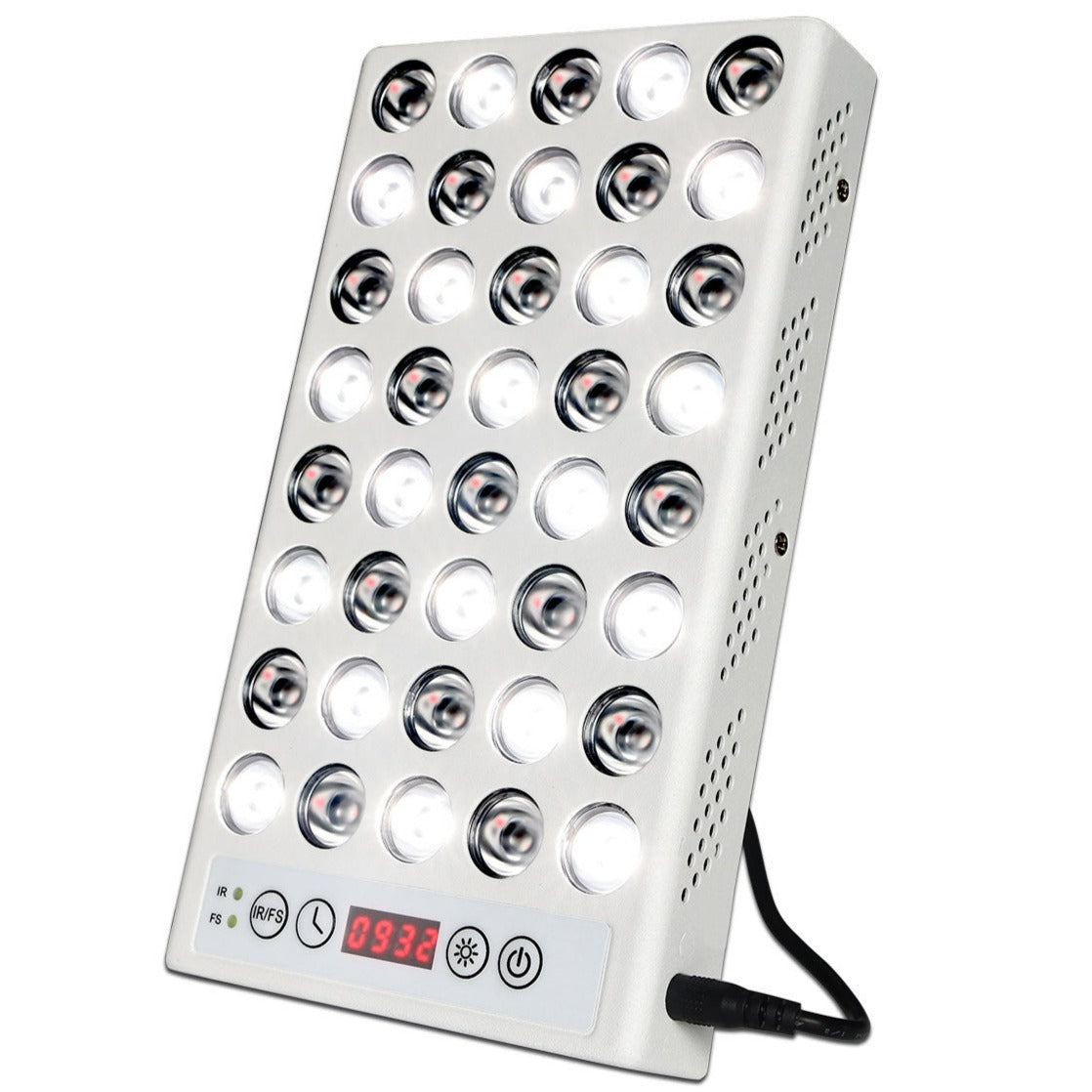
- Direct Link to Performance Gains: Red and infrared light exposure has been shown to enhance muscle recovery, reduce inflammation, and increase mitochondrial function. Studies on elite athletes like those in the NFL and Olympic sprinters have demonstrated that using photobiomodulation therapy (PBMT) with red and infrared light accelerates tissue repair, reduces oxidative stress, and promotes faster recovery between training sessions.
- Elite Example: Olympic-level athletes use red light therapy pre- and post-training to boost endurance, strength, and recovery. This allows them to return to high-intensity training faster than athletes relying solely on traditional recovery methods like stretching or massage.
- Mechanism: Red light therapy increases ATP production in cells by stimulating cytochrome c oxidase in the mitochondria, enhancing cellular energy output and tissue repair rates.
- Studies demonstrate that red light therapy (RLT) enhances muscle recovery, improves endurance, and reduces muscle soreness. For example, a 2010 study showed that athletes who used red light therapy experienced a 55% increase in strength, compared to a 26% increase in those who only trained without the therapy(Therapeutic Beams, Mobility Athlete). This therapy is also widely used by endurance athletes and has been shown to increase time-to-exhaustion and oxygen uptake in clinical trials(Mobility Athlete, INTRA|V).
2. Cold Thermogenesis (Cold Exposure)
- Direct Link to Performance Gains: Cold exposure, particularly through techniques like cold water immersion (CWI) or cryotherapy, enhances recovery, improves muscle adaptation, and increases fat oxidation. Elite athletes like Michael Phelps and LeBron James use cold thermogenesis to accelerate recovery and reduce inflammation.
- Elite Example: Michael Phelps famously used ice baths during his Olympic training to reduce muscle inflammation and improve recovery time. This allowed him to handle more training volume than his competitors.
- LeBron James – https://phlabs.com/cryotherapy-one-reason-lebron-james-is-the-fittest-athlete-in-world and https://www.stack.com/a/can-you-handle-lebron-james-secret-recovery-weapon/
- Mechanism: Cold exposure activates brown adipose tissue (BAT), which improves metabolic efficiency, increases mitochondrial biogenesis, and enhances fat metabolism, critical for sustaining high energy output in elite competition.
3. Outdoor Full Spectrum Sunlight Exposure
- Direct Link to Performance Gains: Elite athletes who incorporate outdoor full-spectrum sunlight exposure benefit from the UV-induced production of Vitamin D, which enhances testosterone production, muscle recovery, and bone density. Outdoor training in sunlight optimizes circadian rhythms and maximizes NAD+ levels, promoting better energy metabolism and sleep quality.
- Elite Athlete Example: Eliud Kipchoge, the world-record-holding marathon runner, has often emphasized how training outdoors and being exposed to natural light helps him maintain focus, enhance recovery, and keep his body in sync with natural rhythms. He frequently credits sunlight exposure for boosting his Vitamin D levels, which supports optimal testosterone and energy metabolism, crucial for his endurance training (INTRA|V).
- Mechanism: Sunlight exposure increases the body’s ability to synthesize NAD+, a critical coenzyme in energy production pathways, optimizing mitochondrial function and recovery. This natural light exposure improves mitochondrial efficiency and circadian rhythm alignment, giving elite endurance athletes an edge over those who train primarily indoors.
4. Sleep Optimization
- Direct Link to Performance Gains: Elite athletes prioritize sleep as a key factor for performance and recovery. Studies show that optimized sleep leads to improved reaction times, endurance, and muscle recovery. Athletes like Usain Bolt and Roger Federer are known to sleep up to 12 hours a night during peak training periods.
- Elite Example: Usain Bolt credits his exceptional sprinting performance, in part, to prioritizing high-quality sleep. He consistently ensures he gets enough deep sleep to allow his body to fully recover and improve reaction times.
- Mechanism: Sleep optimization regulates growth hormone release, accelerates muscle repair, and improves cognitive function, all essential for elite-level competition.
These advanced biophysics strategies offer elite athletes significant advantages in performance, recovery, and adaptation that go beyond traditional training methods. By optimizing mitochondrial function, reducing inflammation, and enhancing cognitive performance, these approaches enable elite athletes to push their physical and mental limits further than rudimentary methods like increasing reps or adding more training sessions could achieve.
References
Below are 37 references supporting the above information. Some of the most cutting edge biological water researchers including Dr. Gerald Pollack, Dr Martin Chaplin, Dr. Roumiana Tsenkova, Dr. Robert Schleip, Dr. Carla Stecco, Dr. Thomas Myers, Dr. Jean-Claude Guimberteau are running experiments in their labs and obtaining results in line with these conclusions and recommendations. This information is new, cutting edge but deeply founded in biophysics, biomechanics, bioelectric and aquaphotomics/fluid dynamics.
-
https://www.ncbi.nlm.nih.gov/pmc/articles/PMC7404113/
-
https://www.sciencedirect.com/science/article/pii/S0032386122004311
-
Ho MW, Ross S, Bolton H, Popp FA and Li XX. Electrodynamic activities and their role in the organization of body pattern. J Sci Expl 1992, 6, 59-77.
-
Ho MW. The Rainbow and the Worm, the Physics of Organisms, World Scientific, 1993, 2nd edition, 1998, 3rd enlarged edition, 2008, Singapore and London.
-
Ho MW and Lawrence M. Interference Color Vital Imaging: A novel noninvasive technology. Microscopy and Analysis, 1993, September, 26.
-
Ho MW and Saunders PT. Liquid crystalline mesophase in living organisms. In Bioelectrodynamics and Biocommunication (Ho MW, Popp F-A and Warnke U, eds.), World Scientific, Singapore, 1994.
-
Ross S, Newton RH, Zhou YM, J Haffegee J, Ho MW, Bolton J and Knight D. Quantitative image analysis of birefringent biological materials. J. Microscopy 187, 62-67, 1997.
-
Ho MW, Zhou Y-M, Haffegee J, Watton A, Musumeci F, Privitera G, Scordino A and Triglia A. The liquid crystalline organism and biological water. In Water in Cell Biology (G. Pollack ed.), Springer, Dordrecht 2006.
-
Astronomers find largest, most distant reservoir of water, Mission News, NASA, 22 July 2011, http://www.nasa.gov/topics/universe/features/universe20110722.html
-
Thornhill W and Talbott D. The Electric Universe, Mikamar Publishing, Oregon, 2008.
-
Ho MW. Living Rainbow H2O, World Scientific and Imperial College Press, Singapore and London, 2012.
-
Pauling L. the structure and entropy of ice and of other crystals with some randomness of atomic arrangement. J Am Chem Soc 1935, 57, 2680-4.
-
Isaacs ED, Shukla A, Platzman PM, Hamann DR, Barbiellini B and Tulk CA. Covalency of the hydrogen bond in ice: a direct X-ray measurement. Phys Rev Lett 1999, 82, 600-3.
-
Bakker HJ and Nienhuys H-K. Delocalization of protons in liquid water. Science 2002, 297, 587-90.
-
Arani R, Bono I, et al. QED coherence and the thermodynamics of the water. Int J Modern Phys B 1995, 9, 1813-41.
-
Del Giudice E. Old and new views on the structure of matter and the special case of living matter. Journal of Physics: conference Series 2007, 67, 012006.n
-
Del Giudice E, Spinetti PR and Tedeschi A. Water dynamics at the root of metamorphosis in living organisms. Water 2010, 2, 566-86.
-
Giudice ED, Fleischmann M, Preparata G and Talpo G. on the “unreasonable” effects of ELF magnetic fields upon a system of ions”. Bioelectromagnetics 2002, 23, 52-30.
-
Ho MW. Quantum coherent water & life. Science in Society 51, 26-28, 2011.
-
Ho MW. Two-states water explains all? Science in Society 32, 17-18, 2006.
-
Szent-Gyorgyi A. Introduction to a Supramolecular Biology, Academic Press, New York, 1960.
-
Ho MW. Water forms massive exclusion zones. Science in Society 23, 50-51, 2004.
-
Ho MW. Liquid crystalline water at the interface. Science in Society 38,37-39, 2008.
-
Ho MW. Positive electricity zaps through water chains. Science in Society 28, 49-50, 2005.
-
Ho MW. First sighting of structured water. Science in Society 28, 47-48, 2005.
-
Fullerton GD and Amurao MR. Evidence that collagen and tendon have monolayer water coverage in the native state. Int J Cell Biol 2006, 30, 56-65
-
Ho MW. Collagen water structure revealed. Science in Society 32, 15-16, 20o6.
-
Ho MW. Superconducting quantum coherent water in nanospace confirmed. Science in Society 55, 48-51, 2012.
-
Dong B, Gwee L, Salas-de la Cruz D, Winey KI and Elabd YA. Super proton conductive high-purity Nation nanofibers. Nano Lett 2010, 10, 3785-90.
-
Ho MW and Knight DP. The acupuncture system and the liquid crystalline collagen fibers of the connective tissues. Am J Chinese Medicine 1998, 26, 251-263.
-
Ho MW. Liquid crystalline superconducting meridians. ISIS Lecture at 2nd International Symposium on Physical, Chemical, and Biological Properties of Stable Water Clusters on ‘Water and Health’, 31 January – 1 February, Caltech, Pasadena.
-
Ho MW. The real bioinformatics revolution. Science in Society 33, 42-45, 2007.



Disclaimer
The information on this site is provided by BioSpectral Systems for educational and informational purposes only. It is not intended to diagnose, treat, cure, or prevent any disease and has not been evaluated by the U.S. Food and Drug Administration or any other regulatory authority. Always consult a qualified healthcare professional before making any changes to your health regimen. By using this site, you acknowledge that you do so at your own discretion and agree that BioSpectral Systems, its affiliates, and contributors are not liable for any outcome resulting from the use of the information presented.
Share:
What is Leptin? Only the Most Important Hormone to Human Health
Do Blue Light Glasses Work? Why Your Clear Blue Light Glasses May Be Doing Nothing