

Biospectral Systems enhancing the best performance-enhancing drug on the market: Sleep
AGUASCALIENTES, Mexico: Zana Muno brings a list of questions everywhere she travels. Exactly 100 of them. So when she’s put in a group she doesn’t know too well, which is frequently on beach volleyball’s World Tour, where you meet people from all corners of the world, from all walks of life, she’ll ask someone to pick a number, anywhere between one and 100. Whatever number they choose is the question the table will be encouraged to answer. In this case, it will be related to sleep.
- “What,” she asked us at dinner in Aguascalientes, Mexico, host of a NORCECA event in April, “is a personality trait you wish you had?”
- We, Tim Brewster, Allie Wheeler, and I, thought for a moment.
- “Does it count,” I wondered aloud, “if I said I wished I could be a better sleeper?”
For years, I’ve been a terrible sleeper. No matter how late I stay up, I typically can’t get past 6:30 a.m. I took it as a point of pride, once, how well I thought I functioned on a dearth of sleep. How many hours I could cram into the day. Now that I’m more well-read on the matter, and have devoured half a dozen podcasts from sleep expert Matthew Walker, author of the fantastic book, Why We Sleep, I know that that pride, like most all forms of pride, was just a combination of arrogance and ignorance.
Over the past three years, I’ve been conducting experiments on myself: What can I do that leads to better sleep? To track each variable, I wore a WHOOP, one of the best wearable devices on the market that tracks sleep, amongst a variety of factors, including the strain on your body and how recovered you are each day, a calculation made by tracking heart rate variability, resting heart rate, and respiratory rate.
The number one metric that led to optimal recovery: Quantity and quality of sleep. Sleep is, as Walker calls it, to which I agree 100 percent, the best performance-enhancing drug on the market.
How, then, to optimize it?
Above every factor every sleep expert will promote above magnesium supplements, above sleeping in your own bed, above sleeping in a cold room, above sleeping in a room with little light, above eating dinner earlier, above removing screens from the bedroom – was a somewhat surprising variable: Blue light blocking glasses.
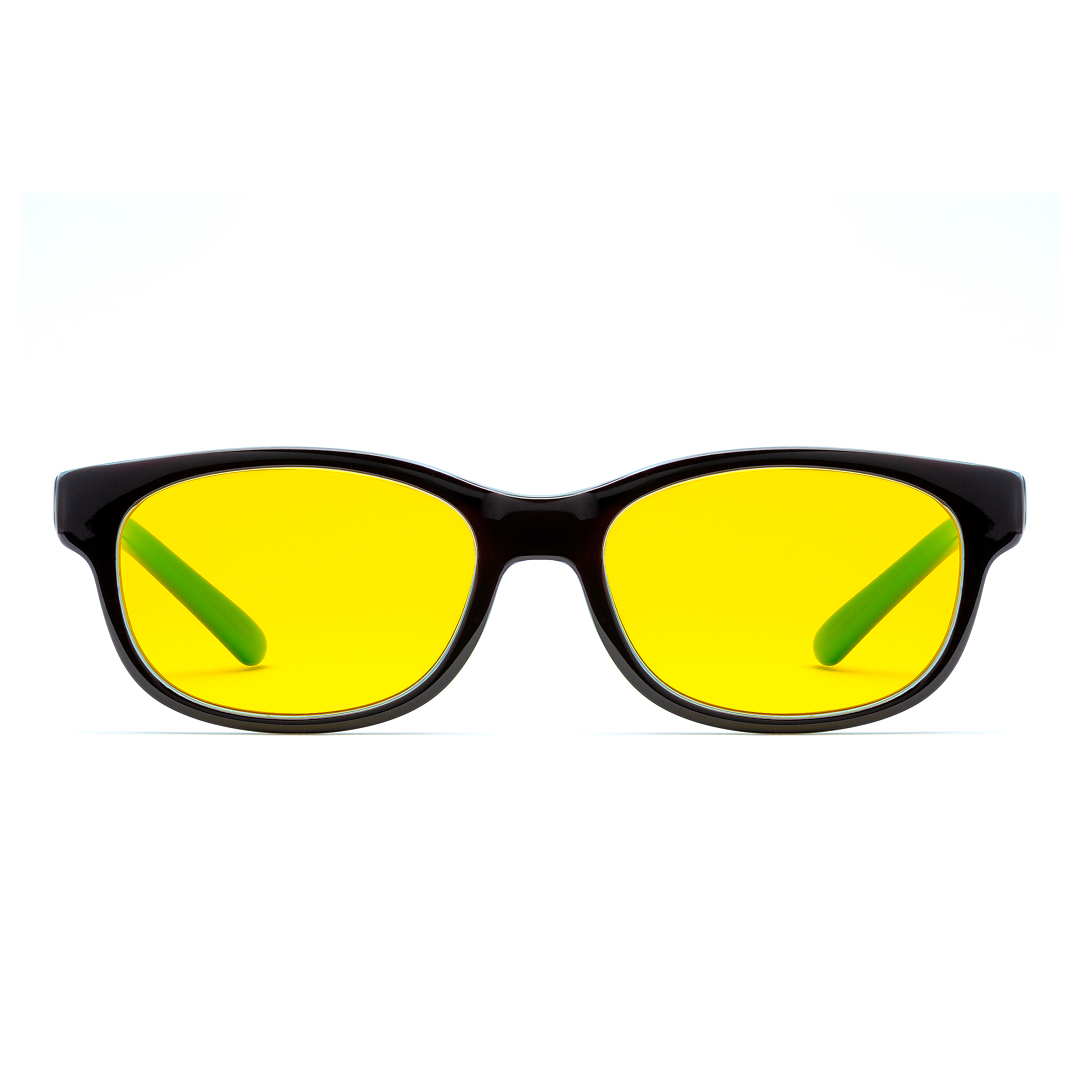
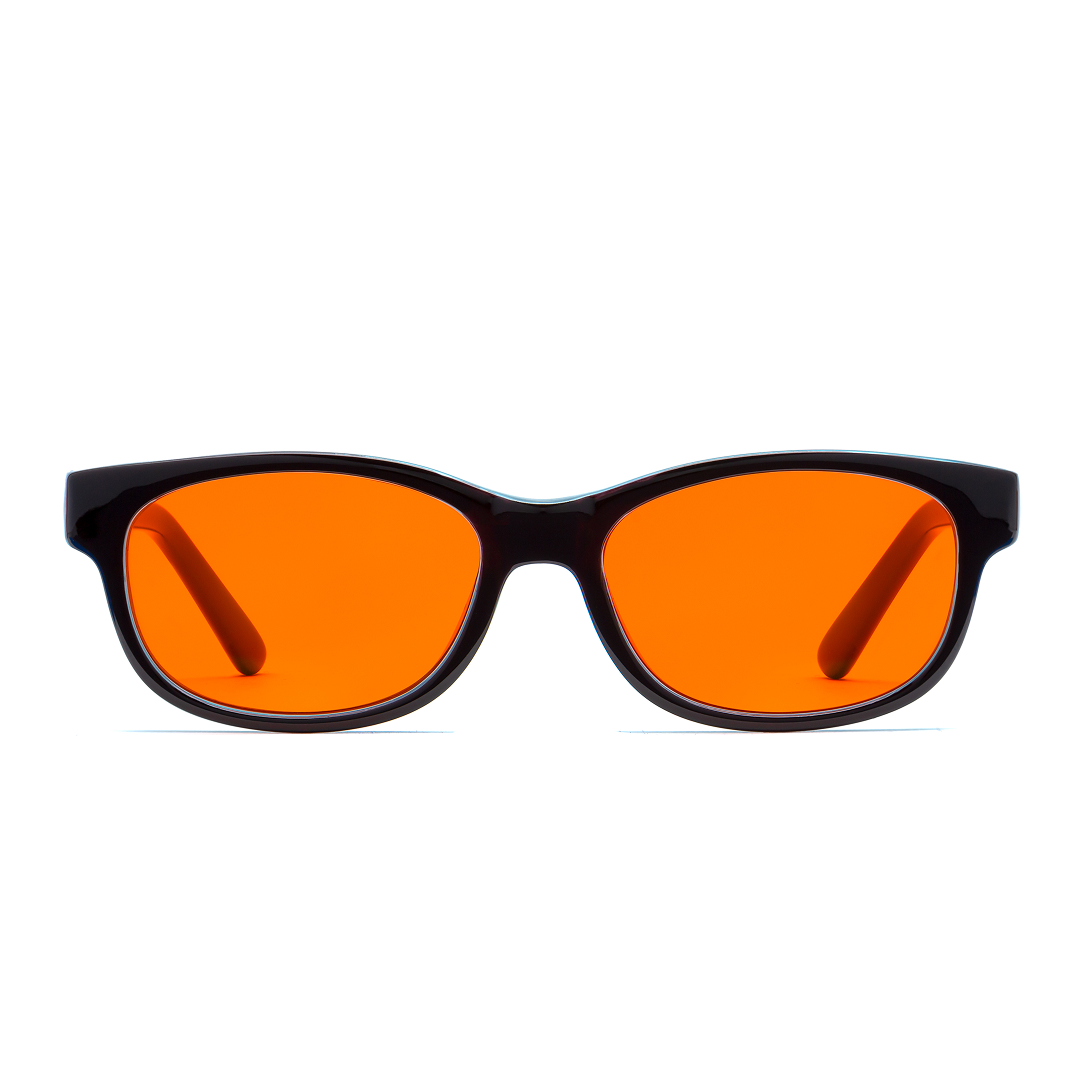
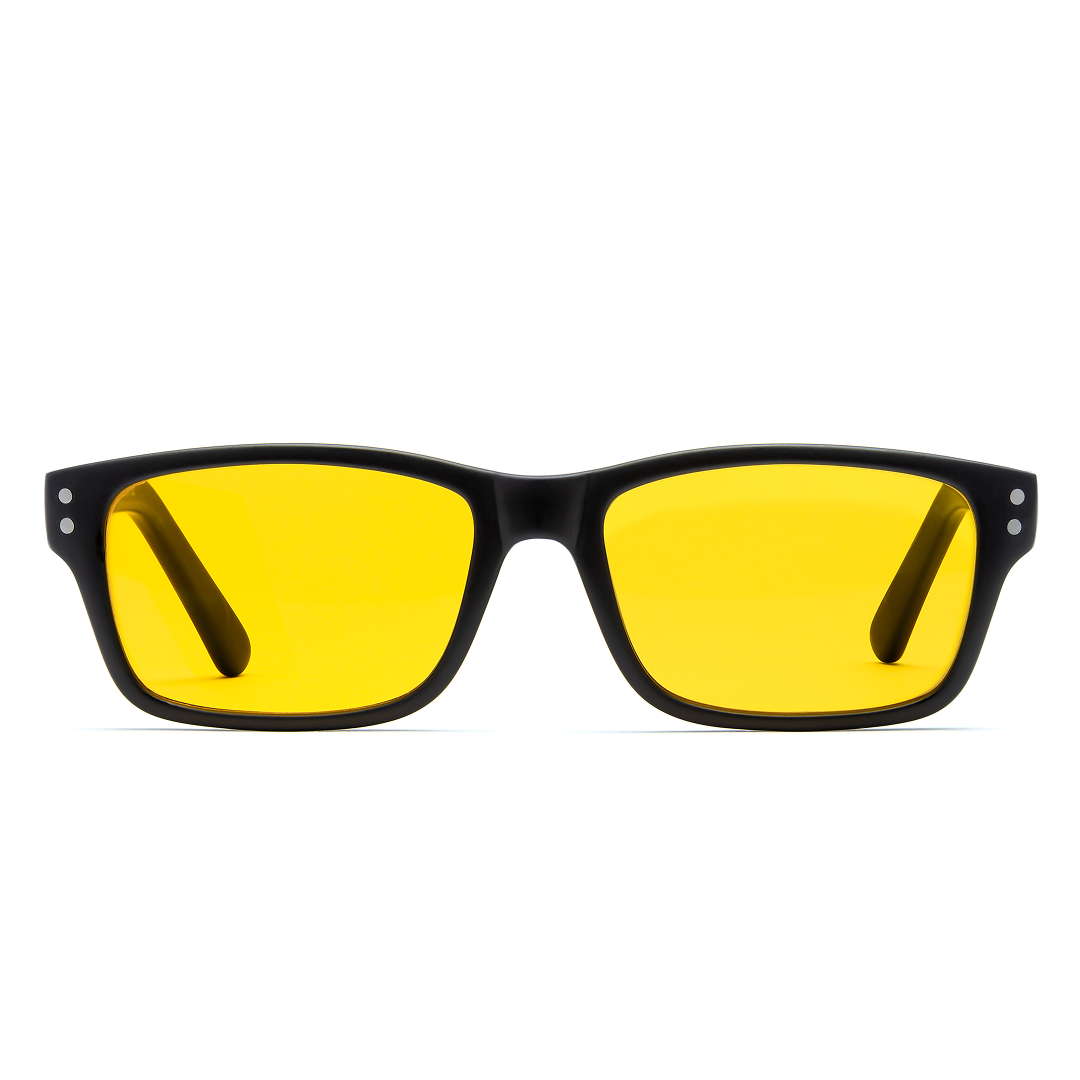
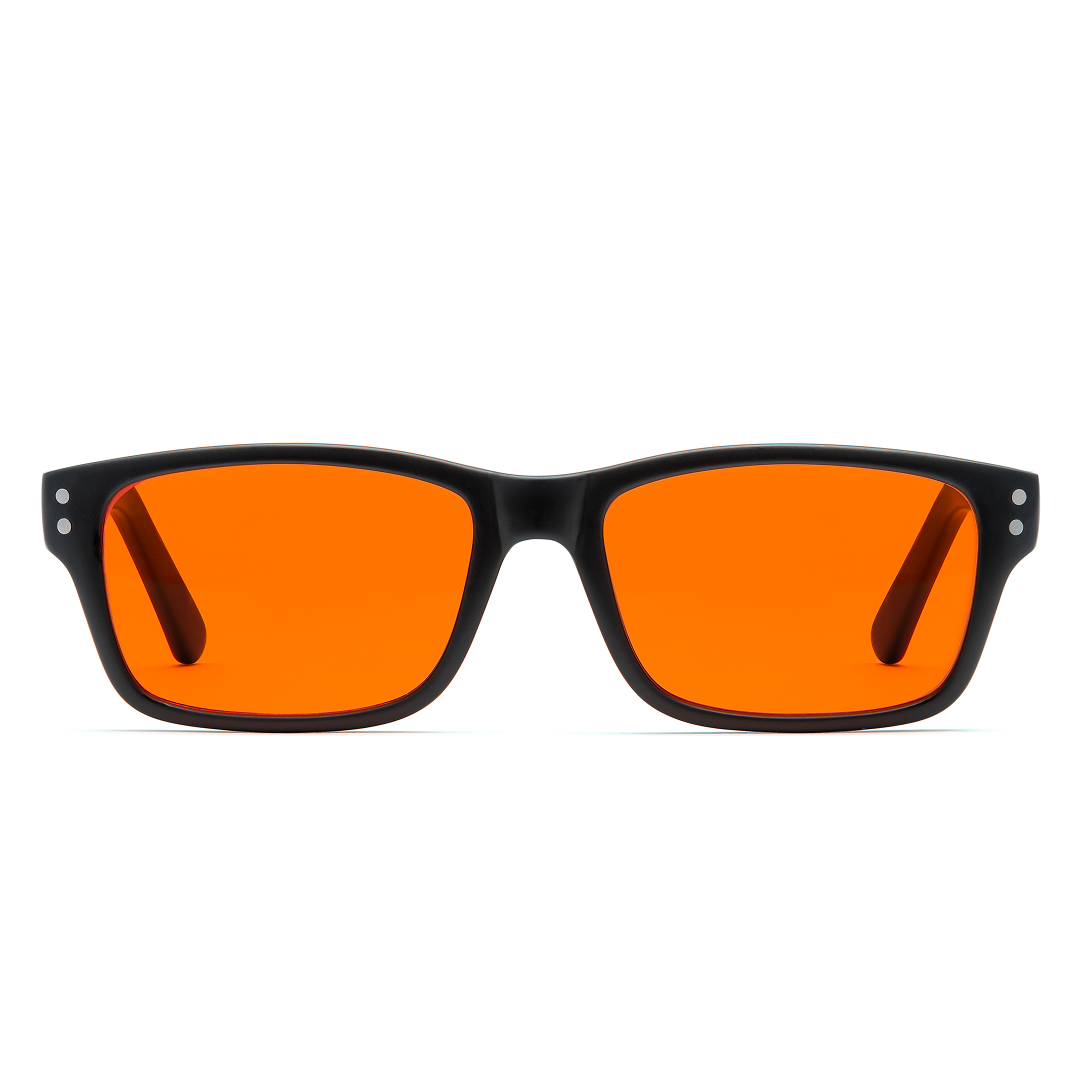
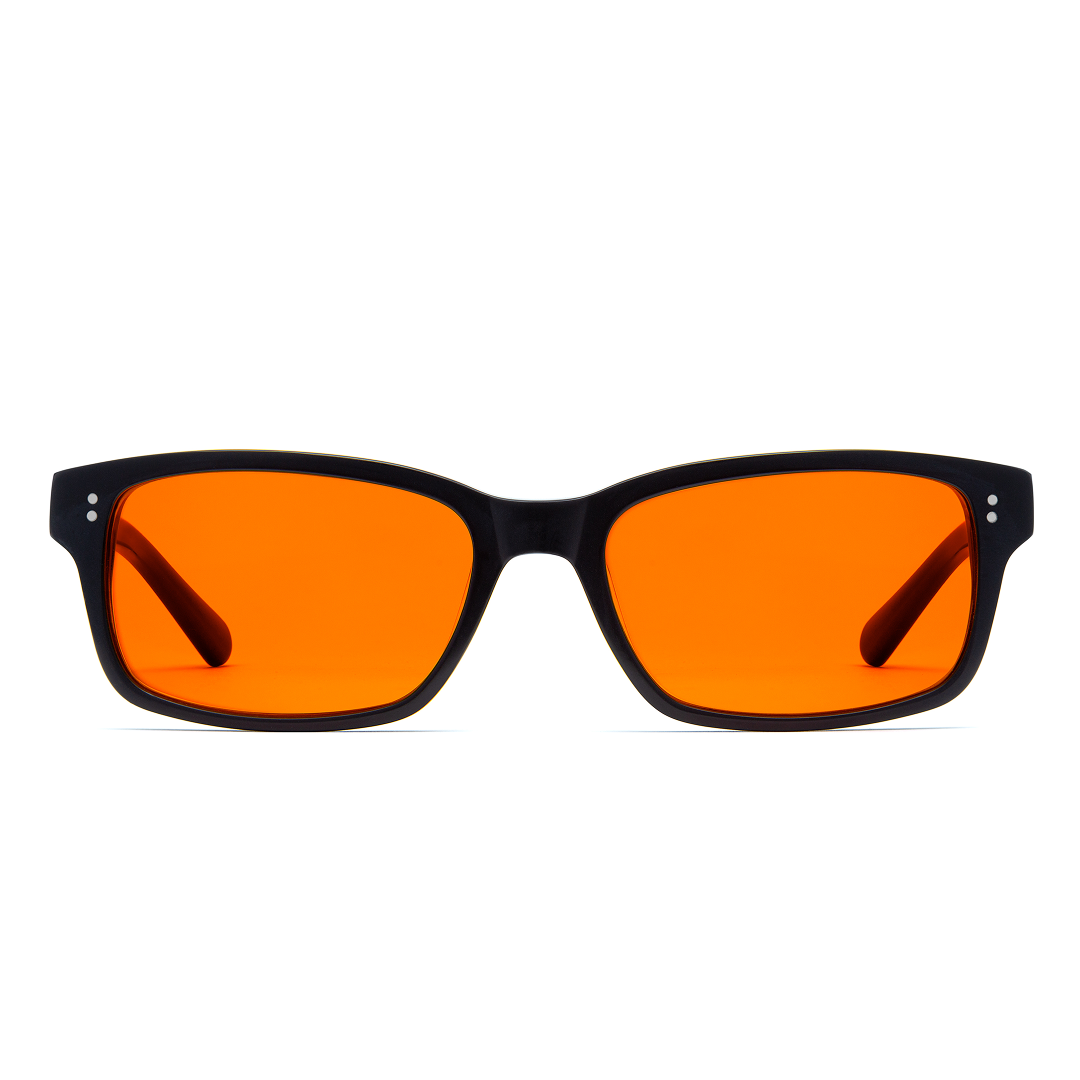
I’ve tinkered with various different types of glasses. I’ve even written about them. But what I discovered is that, not unlike the glasses I play with in beach volleyball, not all blue light blocking eyewear is created equal. Most blue light glasses we’re familiar with only filter a percentage of blue light; they don’t address a spike that evidently occurs at 455 nanometers on the visible light scale. One company that does: BioSpectral Systems.
On evenings I wore their blue light blocking glasses, my sleep quality and quantity, according to my WHOOP, improved by an astounding 12.5 percent, which led to an average of a nearly 20-percent increase in my recovery.
Twenty percent!
My resting heart rate plummeted, heart rate variability skyrocketed, respiratory rate settled. I’d wake up and feel as if I’d already had a cup of coffee in the system, when in reality, all I had was quality sleep. My mental focus throughout the day was markedly improved. I was less distracted, more aware. While I love a good 3 p.m. siesta, it was no longer required. Physically, my body was less achy and creaky.
I was primed.
Walker was correct in his assessment: Sleep is a hell of a performance enhancing drug. And blue light blockers and in particular, blue light blockers designed by BioSpectral Systems were the optimal means to attain it.
But how?
“Blue blockers naturally protect our circadian rhythm from disruption caused by artificial lighting, allowing key processes like our sleep-wake cycle, thirst, hunger, metabolism, hormone and neurotransmitter production to function as they are supposed to,” said John Bowers, an expert on light, sleep, and how the two intertwine. “Blue blockers protect us from unnatural melatonin suppression caused by exposure to man-made lighting and screen devices at night.”
We are a society that is bathed in unnatural light. Even the community of beach volleyball players, which is washed in natural light from sunup often to near sundown, is exposed to unnatural light throughout the course of the day and well into the evenings. When we’re on the road for tournaments, which is virtually every weekend during the summer months, we’re tethered to our devices for crucial information. We’re on our devices of choice to know when and whom we play. We then watch films on those teams, hours of it, on our devices.
Sometimes this happens after dinner, when the sun is down and our circadian rhythm so badly wants us to embrace the darkness. If we’re not wearing blue light blockers, our brains are tricked into believing the sun is still up, which keeps us awake, which delays the promotion of melatonin, which causes us to both fall asleep later and for that sleep, when it comes, to be less than ideal.
And when we wake? We wake after a night of subpar sleep, which impacts our recovery, both physical and mental, which impacts our performance, which has a direct impact on our careers and bank accounts.
“Better sleep and improved mitochondrial function, especially in the brain, means higher energy levels, better mood, and improved cognitive function and productivity,” Bowers said. “Just wearing blue blockers when exposed to artificial light and not changing anything else will have a positive impact and measurable results.”
I’ve seen it. I’ve measured it.
But not all blue blockers actually block the fake light that’s most damaging to our eyes. As it turns out, a tinted lens is the only type that will properly block 100% of the damaging blue light that’s emitted from our devices.
When I switched my blue light blockers to BioSpectral Systems, who claim 100% blue blocking using a special yellow tinted lens, putting them on around 7:30 p.m., I’d crash at 9:30 and wake up what felt like two minutes later, at 6:30 a.m. It was, honestly, amazing.
Several of my partners on tour are now hooked on blue light blockers, as is my wife, Delaney, who has her own pair of BioSpectral's glasses. We’re not monkish in our devotion to the no-screen life, living in darkness after the sunsets. We still watch Netflix and movies after dinner on occasion. But our sleep has been markedly improved since donning these blue light blockers, as has been our performance, our mood, our energy.
Sleep is the best performance-enhancing drug on the market, after all, and BioSpectral Systems is the dealer.
This post originally appeared on the Sandcast Blog, the most popular podcast for players, by players.


Disclaimer
The information on this site is provided by BioSpectral Systems for educational and informational purposes only. It is not intended to diagnose, treat, cure, or prevent any disease and has not been evaluated by the U.S. Food and Drug Administration or any other regulatory authority. Always consult a qualified healthcare professional before making any changes to your health regimen. By using this site, you acknowledge that you do so at your own discretion and agree that BioSpectral Systems, its affiliates, and contributors are not liable for any outcome resulting from the use of the information presented.
Share:
Folic Acid Trap: Fortified Food May Harm Brain Development
Why Clear Blue Light Gaming Glasses Aren’t Enough Protection