

Why mania, depression, sleep, mitochondria, and modern light exposure may be part of one deeper biophysical story
Bipolar disorder is usually described as a psychiatric condition marked by oscillations between mania, hypomania, depression, and periods of relative stability. That description is clinically useful, but it does not fully explain what is happening underneath the surface. From our BioSpectral perspective, bipolar disorder is not only a mood disorder. It is also a rhythm disorder, a sleep disorder, a mitochondrial disorder, a light signaling disorder, and a nervous system regulation disorder. So the environment in which you live and your lifestyle play an overwhelmingly significant role in the development of this disease.
This does not mean that medication, psychiatry, therapy, or medical supervision do not matter. They do matter. Bipolar disorder can be serious, destabilizing, and life threatening. Anyone with bipolar disorder, mania, suicidal thoughts, psychosis, rapid cycling, or severe insomnia should be supported by a qualified medical team.
But if we want to understand why bipolar biology is so sensitive to sleep loss, seasonal change, artificial light at night, stress, travel, screens, social disruption, and overstimulation, we need to look upstream. We need to look at light and dark!
The Eye Is Not Just A Camera. It Is A Clock
The human eye is usually described as an image-forming organ. It helps us see faces, shapes, color, movement, and the world around us. But the eye is more importantly perhaps a biological timing organ.
Inside the retina are specialized light sensing cells called intrinsically photosensitive retinal ganglion cells. These cells contain melanopsin, a photopigment that is especially sensitive to blue light around 480 nm. These cells do not simply help form images. They send light information to the brain areas that regulate circadian rhythm, alertness, melatonin, sleep timing, pupil response, hormone timing, and mood related neural circuits. The hypocretinergic/Orexin system is demonstration of this as is the leptin-,melanocortin system, and the myelin-microtubule-mitochondrial axis system. This is why light at the wrong time can be so terribly disruptive.
A light can appear harmless because it is not painfully bright, yet still be biologically loud to melanopsin. This is the mistake of modern lighting. We measure light mostly by how useful it is for vision, not by how it affects the clock. For someone with bipolar vulnerability, this matters enormously. Their biology is more sensitive to phase shifts, delayed sleep, extended day length, and unstable light-dark timing. A missed night of sleep is not just fatigue. It can become a biological trigger.
Mania As A Loss Of Darkness
Mania is often discussed through neurotransmitters: dopamine, serotonin, norepinephrine, glutamate, GABA. That is true, but oh so incomplete. Neurotransmitters are not floating in isolation. They are controlled by circadian timing, mitochondrial energy, sleep pressure, retinal signaling, hormone rhythm, inflammation, and the environmental light cycle.
One of the simplest ways to think about mania is this: Mania is what can happen when the brain loses its biological night.

If the brain is receiving too much “day signal” at night, from screens, LED lighting, stress, social stimulation, travel, inconsistent sleep, or artificial environments, the nervous system may fail to shift into the darkness chemistry required for repair. Leptin does not count energy saciation accurately. Melatonin does not rise correctly. Sleep pressure becomes distorted. Dopamine rhythms can become unstable. Prolactin does not achieve it’s pulsatile release at night. GABA does not perform as it should keeping you asleep while Glutamate forces your wakefulness at night. The brainstem and limbic system remain over activated. The mind may feel fast, grand, wired, expansive, irritable, creative, spiritual, invincible, or unable to shut down.
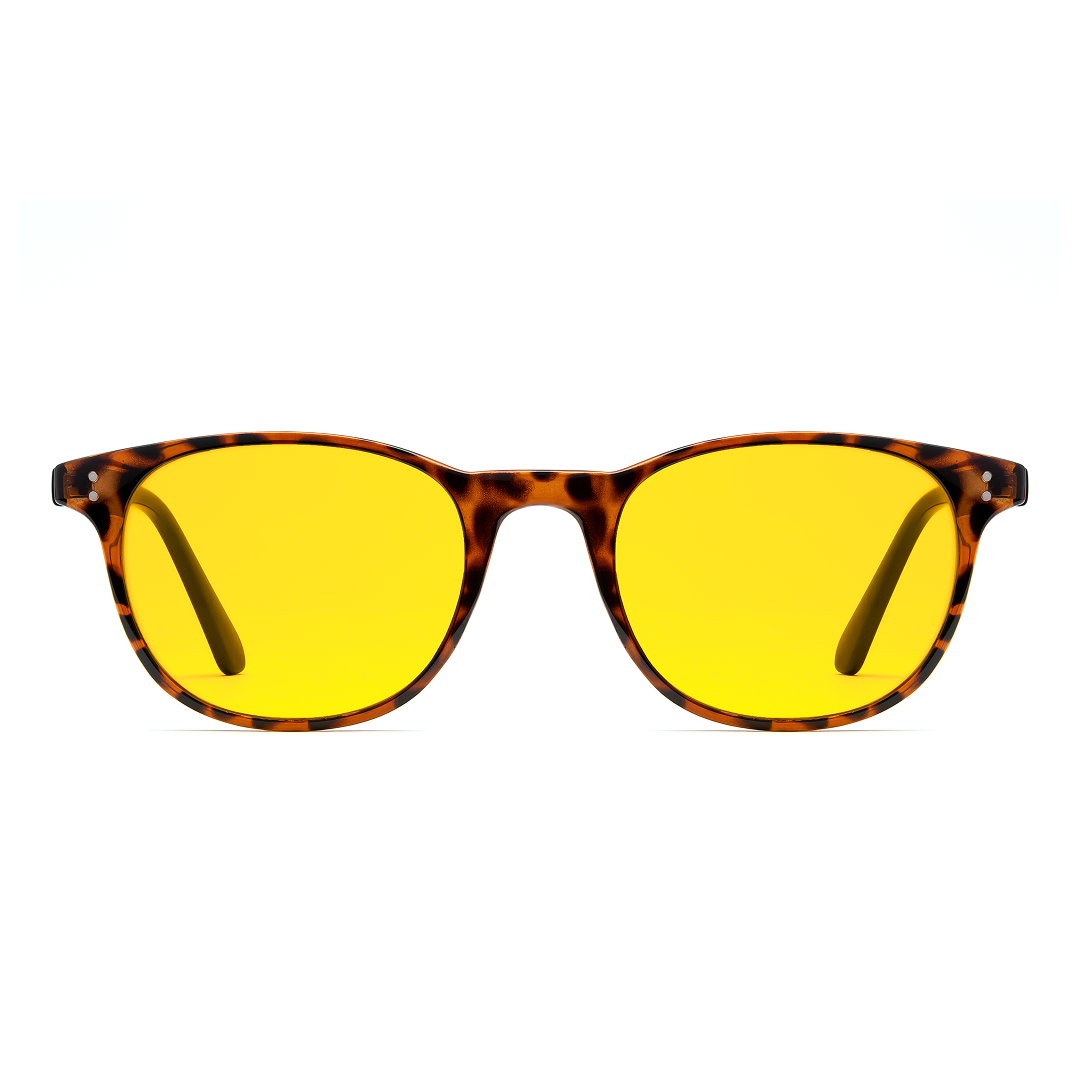
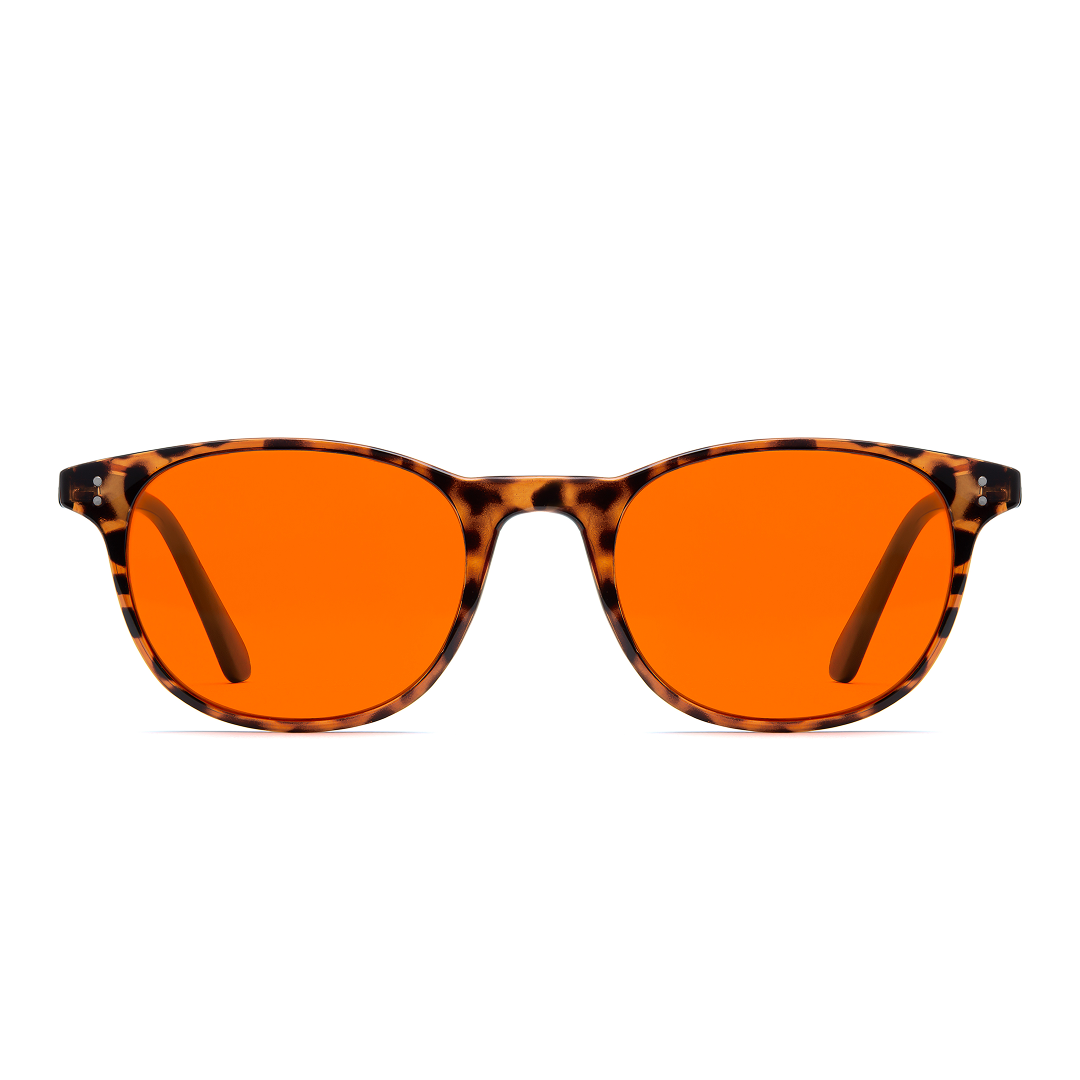
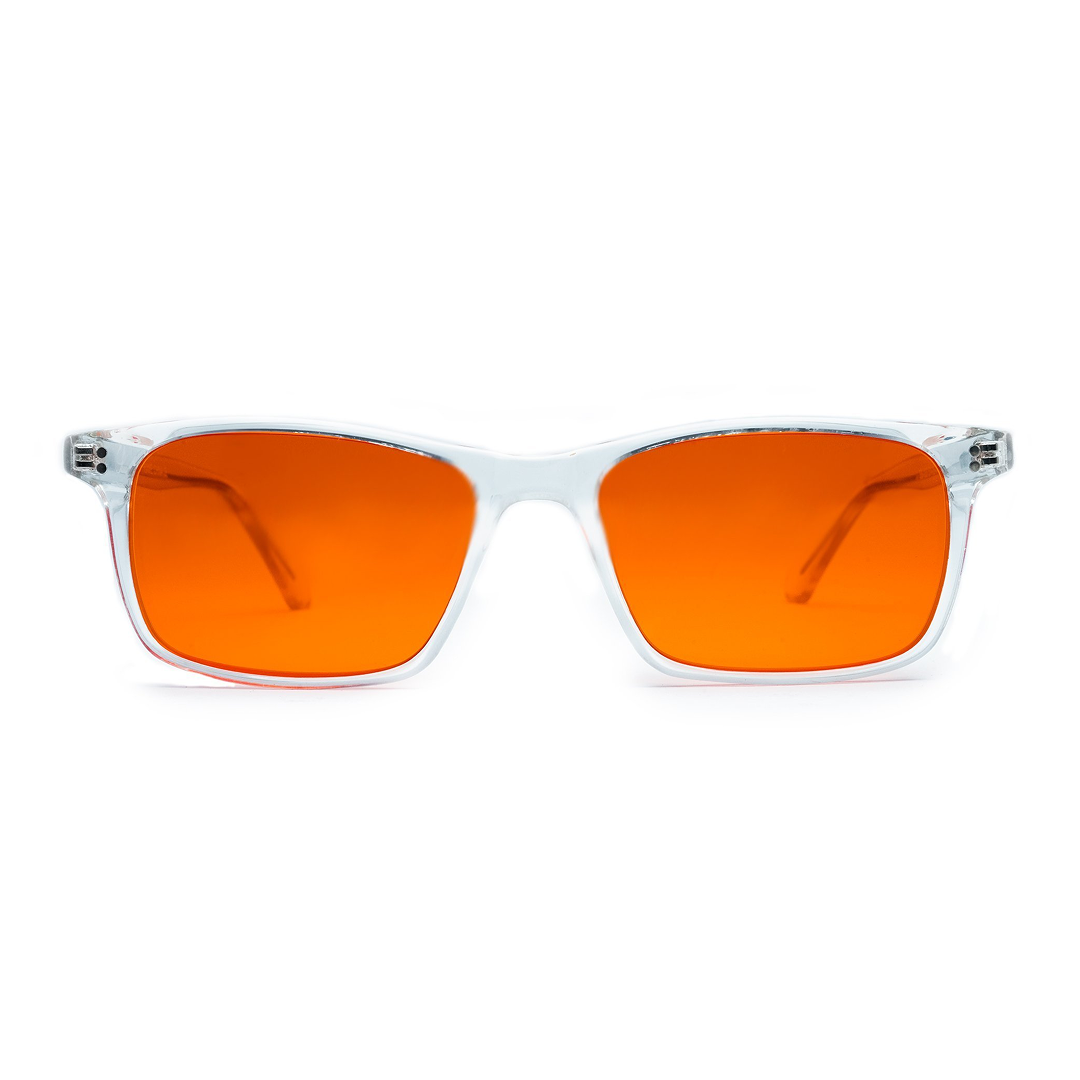
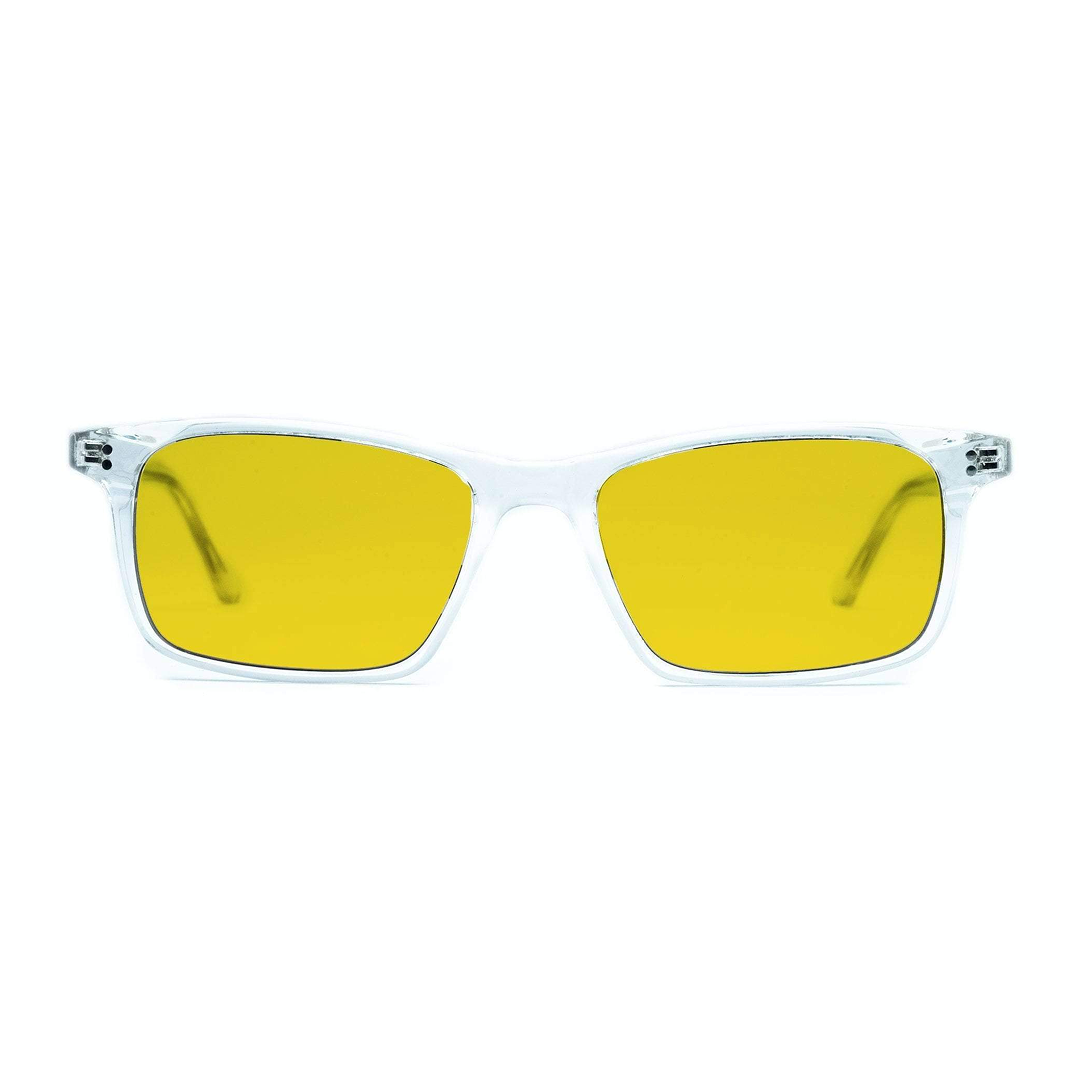
This is why dark therapy and blue blocking glasses are so interesting in bipolar research.
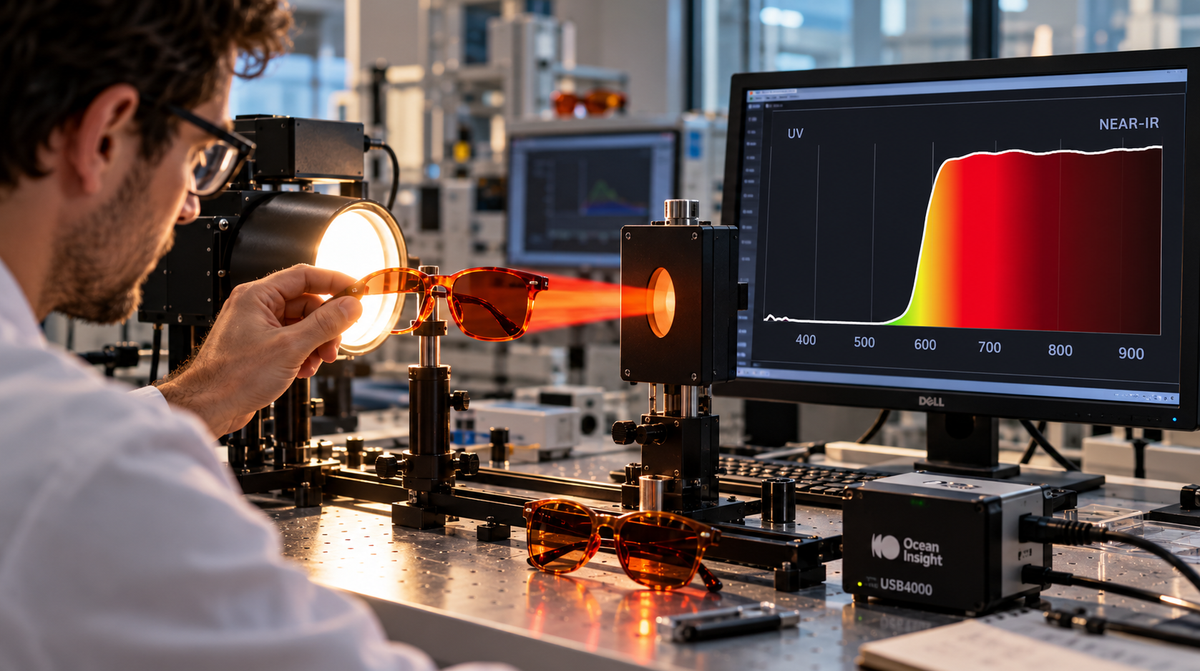
A randomized placebo controlled trial found that wearing orange blue blocking glasses from 6 pm to 8 am for seven days as an add on treatment produced improvement in patients with bipolar mania compared with clear lenses. Later reviews have described blue blocking glasses as a form of “virtual darkness,” because they reduce the melanopsin activating wavelengths that tell the brain it is still daytime.
https://pmc.ncbi.nlm.nih.gov/articles/PMC5089565/?utm_source=chatgpt.com
The evidence is not perfect. A more recent randomized trial found blue-blocking glasses were not superior to lightly tinted lenses in an inpatient mania setting. That does not erase the biological logic. It tells us the intervention needs to be used properly, in the right person, with the right lens, at the right time, and as part of a wider circadian program, not as a magic object.
Why BioSpectral Systems Melanin-Infused Blue-Blocking Glasses Can Be So Powerful
By now we know that for people with or subject to have bipolar disorder, the night environment matters. The goal is not simply “block blue light because blue is bad.” Blue light from nature during the day is essential. It helps wake the brain, support alertness, regulate dopamine, anchor the circadian clock, and synchronize the body to daytime.
The problem is blue dominant light after sunset! At night, blue and blue green light can continue stimulating melanopsin pathways and delay the body’s transition into biological darkness. In someone with bipolar vulnerability, this may be like pushing an already sensitive clock further out of alignment.
This is where BioSpectral melanin infused eyewear becomes relevant.
BioSpectral glasses are not positioned as a treatment for bipolar disorder. They are an environmental support tool. They help reduce disruptive artificial light exposure at the times when the nervous system should be moving toward sleep, repair, and stability.
The aim is to support:
- · circadian rhythm stability
- · melatonin timing
- · sleep pressure
- · reduced evening stimulation
- · less retinal stress from artificial light
- · better morning to night contrast
- · a stronger biological boundary between day and night
For bipolar biology, that boundary really, really matters. The person does not only need “more sleep.” They need the body to know when night begins.

Darkness Is A Therapy That Modern Life Removed
For all of human history, darkness was not optional. The sun set. Firelight was warm and infrared rich. Nights were dim. The sky changed. The body knew what time it was. Today, a person can live under artificial daytime until midnight. They can work under overhead LEDs, scroll screens in bed, watch bright television, eat late, sleep with lights on, and wake to indoor light instead of sunrise.
This destroys contrast. And circadian biology depends on contrast. Morning should be bright and natural. Midday should be full spectrum. Sunset should soften. Night should be dark. Bipolar disorder exposes the cost of losing that architecture humans experienced for all of human history until the last 70 years since all these strange circadian diseases started showing up in the medical literature. And now with this is such extremes given our 93% indoor lives, with high energy visible blue light dominant LEDs and complete absence of infrared exposure in modern lighting, we see a greater incline in these types of disease incidences.
Full Spectrum Light During The Day Matters Too
But, the answer is not darkness alone. Many people with bipolar disorder are also deficient in coherent daytime light. They are exposed to too much artificial light at night and not enough full spectrum natural light during the day. This creates a weak clock signal. A weak clock in the morning and a noisy light signal at night is the worst combination: the body is not strongly told when the day begins, and not clearly told when the day ends.
Bright light therapy has been studied for bipolar depression, but timing is critical. In bipolar depression, several studies have explored bright light therapy as an adjunctive intervention, often using midday timing to reduce the risk of triggering mania compared with early morning light in vulnerable individuals. Systematic reviews suggest bright light therapy may help bipolar depression when carefully timed and clinically supervised.
The BioSpectral principle is simple: Daylight belongs in the day. Darkness belongs at night.
This is why full spectrum outdoor light exposure, especially morning light, is foundational. It gives the brain the timing signal required to organize neurotransmitters, cortisol, melatonin, dopamine, serotonin, thyroid signaling, metabolism, and sleep. Go Outside first thing in the morning!
The Missing Infrared Layer
Modern lighting conversations often focus only on blue light. That is too narrow. Nature never delivers blue light without red and infrared.
Sunlight contains visible light, red light, near infrared, shortwave infrared, and longer infrared wavelengths. Firelight is overwhelmingly red and infrared. Incandescent and halogen bulbs also contained meaningful infrared. We are talking over 45% of all natural emissions of light is broadband infrared. As we mentioned earlier, modern LEDs often give visible brightness with little to no broadband infrared. From a BioSpectral perspective, that is a gigantic evolutionary biological mismatch.
Red and near infrared light interact with mitochondria, nitric oxide, blood flow, redox signaling, and cytochrome c oxidase within the mitochondrial respiratory chain. Photobiomodulation research supports the idea that red and near infrared light can influence mitochondrial function and cellular energy signaling. It’s so clear now that this whole industry exists because we took it out of our indoor general service lighting bulbs and fixtures. But BioSpectral is brining it back baby!
This matters because bipolar disorder has also been linked in the scientific literature with mitochondrial dysfunction, oxidative stress, altered energy metabolism, and impaired cellular resilience. The brain is an energy intensive organ. Mood stability is not just psychological. It requires stable energy production, stable sleep, stable membrane potentials, stable calcium signaling, and stable mitochondrial output.
The BioLux full spectrum broadband infrared enriched bulbs were designed around this missing layer. They are not “bipolar light bulbs.” They are part of a healthier indoor light architecture: fuller spectrum during the day, warmer and more biologically appropriate light in the evening, and less exposure to isolated artificial blue dominant light at night. For someone with mood instability, indoor lighting should not be random. It should be rhythmic and broadband infrared enriched!
The Habenula, Reward, And The Eye Brain Pathway
Bipolar disorder is often connected to reward circuitry, motivation, dopamine, impulsivity, depression, and altered stress response.
One important structure in this story is the habenula, especially the lateral habenula. It is involved in aversion, disappointment, reward prediction, dopamine regulation, serotonin regulation, and mood related circuitry. The habenula receives input through pathways connected with the epithalamus and communicates with midbrain regions involved in dopamine and serotonin.
This is where the eye and mood become difficult to separate.
Light signals from the retina do not simply tell us what we see. They help regulate the hypothalamus, circadian system, sleep centers, arousal networks, and downstream neurotransmitter systems. In a first principles model, bipolar disorder can be viewed partly as unstable entrainment between light, the retina, the circadian system, the habenula, the thalamus, dopamine, serotonin, and mitochondrial energy.
When that entrainment becomes unstable, mood can become unstable.
Calcium Channels, EMFs, And Nervous System Sensitivity
There is also a genetic and electrical layer.
Large genetic studies have repeatedly implicated calcium channel biology in bipolar disorder, including CACNA1C, which encodes a subunit of an L type voltage gated calcium channel. More recent genome wide association studies have found enrichment in genes encoding druggable targets including calcium channel related biology.
This does not mean one gene “causes” bipolar disorder. It means that membrane excitability, calcium signaling, neuronal firing, and electrical regulation are part of the deeper biology.
From a BioSpectral lens, this is important because the brain is a photo-electric-acoustic organ. Calcium channels, mitochondria, membranes, myelin, DHA, light signaling, sleep, and electromagnetic environment all sit inside the same regulatory field.
If someone has a nervous system that is already sensitive, overstimulated, poorly slept, or circadian disrupted, then artificial lighting, screens, wireless exposure, dirty electricity, and poor sleep environments will absolutely further increase the noise in the system.
This is why we place so much emphasis on bedroom environment, grounding, darkness, clean lighting, reduced nighttime device exposure, and non native EMF mitigation. Not as a cure, but as a way of lowering the total biological noise load.
Bipolar Disorder And Mitochondria
The brain is expensive tissue. It requires enormous amounts of energy to maintain membrane gradients, neurotransmitter cycling, synaptic function, myelin repair, detoxification, antioxidant defenses, and sleep dependent restoration.
When mitochondria struggle, the brain loses energetic margin.
Bipolar disorder has been linked in multiple reviews with mitochondrial dysfunction, oxidative stress, inflammation, altered calcium signaling, and energy metabolism disturbance. This is why mood disorders should not be reduced to “chemical imbalance” language. Chemistry is downstream of energy, rhythm, light, sleep, membranes, and environment. Please remember that the next time your functional medicine doc or naturopath tries to sell you a supplement without addressing the biophysical layer first!
In BioSpectral language: Biochemistry is controlled by biophysics.
The electron transport chain requires timing, oxygen, water, redox balance, minerals, light cues, sleep, and proper environmental signals. When those signals are disordered, neurotransmitters do not simply “misbehave.” They reflect a deeper loss of coherence.
The Skin, Serotonin, And Sunlight
Sunlight does not only enter through the eyes.
Skin is also a sensory and endocrine organ. Human skin contains serotonergic machinery and can participate in local serotonin metabolism. Serotonin is involved in mood, stress tolerance, sleep, gut function, pain, and downstream melatonin synthesis. Your skin is not separate from your brain. They both arise from the neuroectoderm and stay in constant conversation through light, hormones, nerves, immune signals, and blood flow. Did you get that? Your skin is part of your embryologic brain, derived from the same place, same organ and has photoreceptors that are intertwined/entangled. That is why what happens to your skin can be evidence of what is going on in your brain, not just your gut!
This is one gigantic reason full spectrum outdoor light and having skin in the game matters! Bipolar stability is not only about what happens in the skull. It is about the whole body receiving a coherent environmental signal.
Morning light through the eyes, daylight on the skin, seasonal outdoor exposure, movement, grounded time outdoors, clean food, clean water, and darkness at night all help rebuild the rhythm that modern indoor life has flattened. Nature built it perfectly and our modern lives and environments mess it up, unless BioSpectral has anything to do with it!
The Biomechanics Of Bipolar Stability
This is where BioTra wisdom becomes important. The nervous system needs rhythm. It needs mechanical rhythm, breath rhythm, social rhythm, light rhythm, food rhythm, sleep rhythm, and movement rhythm.
Interpersonal and Social Rhythm Therapy was developed specifically for bipolar disorder around the idea that stabilizing daily routines, sleep wake timing, meal timing, activity timing, and social rhythms can help strengthen vulnerable circadian systems.
That is powerful because it confirms a first principles idea: A person with bipolar biology needs fewer random signals and more coherent rhythms.
From a biomechanics perspective, this means:
· morning walking outside
· nasal breathing
· spinal movement
· ground contact
· regular training times
· not overtraining
· not training intensely late at night
· sunlight before screens
· food timing consistency
· sleep timing consistency
The body is not a machine. It is a rhythmic organism. Bipolar disorder may be one of the clearest examples of what happens when rhythm becomes fragile.
The Psychospiritual Layer
Bipolar disorder can involve extraordinary intensity: creativity, connection, insight, sensitivity, drive, spiritual perception, grandiosity, despair, and fear. The full gamut. The goal is not to suppress the soul of the person. The goal is to stabilize the biological container so that their gifts are not hijacked by physiological chaos.
A person cannot integrate insight well if they have not slept for three nights. They cannot trust every thought that appears during a high dopamine, low sleep, high stimulation state. They also should not be reduced to a diagnosis when their system is often responding to years of rhythm disruption, stress, trauma, indoor living, artificial light, social instability, and mitochondrial strain. I’m reminded of a phrase I learned early in my health journey back in the day that Dr. Jack Kruse taught me. “You cannot get well in the same environment in which you became sick”. And oh my has this never been more true that it is today with more artificial light and technology in our homes, bedrooms and on our bodies (not designed with health in mind) than ever before!
Psychospiritually, bipolar healing requires rhythm, humility, boundaries, grounding, community, sleep, purpose, and reverence for the body. The light must return to rhythm before the mind can return to coherence. Make sense? Get the light right first please!
The BioSpectral Support Framework
This is not medical advice, and it is not a replacement for medication or psychiatric care. It is an environmental framework to discuss with the appropriate health team.
Morning
· Get outside as soon as possible after waking.
· Face natural light without sunglasses, through the eyes, safely and without staring aggressively at the sun.
· Expose as much skin as practical.
· Walk, breathe nasally, and let the day begin outdoors.
· Keep wake time consistent.
Daytime
· Spend time outdoors.
· Use full spectrum light indoors when natural light is unavailable.
· Eat protein and mineral rich real food in daylight.
· Prioritize seafood, eggs, meat, organs, salt, minerals, clean water, and seasonal food.
· Move the body and avoid living entirely in chairs, screens, and artificial light.
Afternoon
· Train before sunset rather than late at night or early in the morning.
· Use movement as rhythm, not punishment.
· Avoid overstimulation stacking: caffeine, stress, screens, arguments, intense exercise, bright light, and late food all together.
Evening
· Dim the environment.
· Use BioSpectral melanin infused evening blue blocking lenses after sunset.
· Shift lighting toward amber, red, and infrared rich tones using the BioSpectral BioLux Lighting
· Avoid bright overhead LEDs.
· Avoid screens or use heavy filtering.
· Create a predictable sleep ritual.
Night
· Make the room dark anc cool 18C/65F
· Remove phone and wireless devices from the bed area.
· Reduce electrical noise near the sleeping space.
· Place your phone in a BioSpectral Faraday Bag
· Turn off your Wi-Fi at night and if possible use Ethernet cables so your house becomes a Wi-Fi free zone
· Keep sleep and wake timing stable.
· Do not negotiate with late night stimulation.
For bipolar biology, darkness is not optional. It is medicine from nature.
BioSpectral Mission
BioSpectral exists because modern humans are trying to run ancient biology in a light environment it was never designed for. For bipolar disorder, this mismatch may be especially important because the condition is so tightly connected to sleep, circadian rhythm, seasonality, dopamine, mitochondrial energy, and light dark timing.
BioSpectral melanin infused glasses help protect the evening and night environment from artificial blue dominant light.
BioLux full spectrum broadband infrared enriched lighting can help make indoor spaces more biologically coherent during the day and warmer in the evening.
BioSpectral EMF mitigation products shield at the source with faraday bags, dirty electricity filters and grounding plugs/sheets.
Clean sleep environments, EMF mitigation, outdoor light, real food, movement, and darkness complete the framework.
This is not about replacing care. It is about rebuilding the environmental foundation that care often forgets.
We’ll leave you with this thought...
Bipolar disorder may be one of the strongest reminders that the human being is rhythmic before it is rational.
· When light is unstable, sleep becomes unstable.
· When sleep is unstable, mitochondria become unstable.
· When mitochondria are unstable, neurotransmitters become unstable.
· When neurotransmitters are unstable, mood becomes unstable.
· When mood becomes unstable, life becomes unstable.
The solution is not to reduce a person to a diagnosis.
The solution is to restore coherence.
· Morning light.
· Full spectrum day.
· Broadband infrared nourishment.
· Stable meals.
· Grounded movement.
· Protected night.
· True darkness.
· Deep sleep.
A nervous system that knows where it is in time. This is the biophysical foundation that modern mental health is still learning to see. And we are here shining the light toward a world without brain disease.
Scientific References
1. Benedetti, F., Barbini, B., Colombo, C., & Smeraldi, E. (2001). Chronotherapeutics in a psychiatric ward. Sleep Medicine Reviews, 5(6), 509 to 522.
2. Benedetti, F., & Terman, M. (2013). Much ado about a moody clock. Biological Psychiatry, 74(4), 236 to 237.
3. Berson, D. M. (2003). Strange vision: Ganglion cells as circadian photoreceptors. Trends in Neurosciences, 26(6), 314 to 320. https://doi.org/10.1016/S0166-2236(03)00130-9
4. Gonzalez, R. (2014). The relationship between bipolar disorder and biological rhythms. Journal of Clinical Psychiatry, 75(4), e323 to e331.
5. Geoffroy, P. A., Etain, B., & Scott, J. (2016). Chronotype and circadian rhythm in bipolar disorder: A systematic review. Journal of Affective Disorders, 194, 85 to 95. https://doi.org/10.1016/j.jad.2016.01.012
6. Gottlieb, J. F., Benedetti, F., Geoffroy, P. A., Henriksen, T. E. G., Lam, R. W., Murray, G., Sit, D., Swartz, H. A., & Crowe, M. (2019). The chronotherapeutic treatment of bipolar disorders: A systematic review and practice recommendations from the ISBD Task Force on chronotherapy and chronobiology. Bipolar Disorders, 21(8), 741 to 773.
7. Hamblin, M. R. (2018). Mechanisms and mitochondrial redox signaling in photobiomodulation. Photochemistry and Photobiology, 94(2), 199 to 212. https://doi.org/10.1111/php.12864
8. Henriksen, T. E. G., Skrede, S., Fasmer, O. B., Schoeyen, H., Leskauskaite, I., Bjorke Bjerke, P. B., Assmus, J., Hamre, B., Gronli, J., & Lund, A. (2016). Blue blocking glasses as additive treatment for mania: A randomized placebo controlled trial. Bipolar Disorders, 18(3), 221 to 232. https://doi.org/10.1111/bdi.12390
9. Huang, L., Xi, Y., Peng, Y., Yang, Y., Huang, X., Fu, Y., Tao, Q., Xiao, J., Yuan, T., An, K., Zhao, H., Pu, M., Xu, F., Xue, T., Luo, M., So, K. F., Ren, C., & Zhang, Z. (2019). A visual circuit related to habenula underlies the antidepressive effects of light therapy. Neuron, 102(1), 128 to 142.e8. https://doi.org/10.1016/j.neuron.2019.01.037
10. Jamison, K. R. (1993). Touched with fire: Manic depressive illness and the artistic temperament. Free Press.
11. Kaladchibachi, S. A., & Fernandez, F. (2018). Precision light for the treatment of psychiatric disorders. Neural Plasticity, 2018, 5868570. https://doi.org/10.1155/2018/5868570
12. Legates, T. A., Fernandez, D. C., & Hattar, S. (2014). Light as a central modulator of circadian rhythms, sleep and affect. Nature Reviews Neuroscience, 15(7), 443 to 454. https://doi.org/10.1038/nrn3743
13. Lewy, A. J., Nurnberger, J. I., Wehr, T. A., Pack, D., Becker, L. E., Powell, R. L., & Newsome, D. A. (1985). Supersensitivity to light: Possible trait marker for manic depressive illness. The American Journal of Psychiatry, 142(6), 725 to 727.
14. Melo, M. C. A., Garcia, R. F., Linhares Neto, V. B., Sá, M. B., de Mesquita, L. M. F., & de Araújo, C. F. C. (2016). Sleep and circadian alterations in people at risk for bipolar disorder: A systematic review. Journal of Psychiatric Research, 83, 211 to 219.
15. Mullins, N., Forstner, A. J., O’Connell, K. S., Coombes, B., Coleman, J. R. I., Qiao, Z., Als, T. D., Bigdeli, T. B., Børte, S., Bryois, J., et al. (2021). Genome wide association study of more than 40,000 bipolar disorder cases provides new insights into the underlying biology. Nature Genetics, 53, 817 to 829. https://doi.org/10.1038/s41588-021-00857-4
16. Psychiatric GWAS Consortium Bipolar Disorder Working Group. (2011). Large scale genome wide association analysis of bipolar disorder identifies a new susceptibility locus near ODZ4. Nature Genetics, 43, 977 to 983. https://doi.org/10.1038/ng.943
17. Pilorz, V., Tam, S. K. E., Hughes, S., Pothecary, C. A., Jagannath, A., Hankins, M. W., Bannerman, D. M., Lightman, S. L., Vyazovskiy, V. V., Nolan, P. M., Foster, R. G., & Peirson, S. N. (2016). Melanopsin regulates both sleep promoting and arousal promoting responses to light. PLoS Biology, 14(6), e1002482. https://doi.org/10.1371/journal.pbio.1002482
18. Prayag, A. S., Najjar, R. P., & Gronfier, C. (2019). Melatonin suppression is exquisitely sensitive to light and primarily driven by melanopsin in humans. Journal of Pineal Research, 66(4), e12562. https://doi.org/10.1111/jpi.12562
19. Rybakowski, J. K. (2020). Lithium treatment and circadian rhythms in bipolar disorder. Pharmacological Reports, 72, 178 to 185.
20. Sit, D. K., McGowan, J., Wiltrout, C., Diler, R. S., Dills, J. J., Luther, J., Yang, A., Ciolino, J. D., Seltman, H., Wisniewski, S. R., & Terman, M. (2018). Adjunctive bright light therapy for bipolar depression: A randomized double blind placebo controlled trial. American Journal of Psychiatry, 175(2), 131 to 139. https://doi.org/10.1176/appi.ajp.2017.16101200
21. Swartz, H. A., Frank, E., O’Toole, K., Newman, N., Kidwell, K. M., Carlson, S., Beardslee, W. R., & Henry, D. B. (2014). A randomized pilot study of psychotherapy and quetiapine for the acute treatment of bipolar II depression. Bipolar Disorders, 16(2), 211 to 216.
22. Swartz, H. A., & Frank, E. (2001). Interpersonal and social rhythm therapy: Managing the chaos of bipolar disorder. Biological Psychiatry, 48(6), 593 to 604. https://doi.org/10.1016/S0006-3223(00)00969-0
23. Takeshima, M., Utsumi, T., Aoki, Y., Wang, Z., Suzuki, M., Okajima, I., Watanabe, N., Watanabe, K., & Takaesu, Y. (2020). Efficacy and safety of bright light therapy for manic and depressive symptoms in patients with bipolar disorder: A systematic review and meta analysis. Psychiatry and Clinical Neurosciences, 74(4), 247 to 256.
24. Vazquez, G. H., Tondo, L., Undurraga, J., & Baldessarini, R. J. (2017). Overview of antidepressant treatment of bipolar depression. International Journal of Neuropsychopharmacology, 20(10), 811 to 820.


Disclaimer
The information on this site is provided by BioSpectral Systems for educational and informational purposes only. It is not intended to diagnose, treat, cure, or prevent any disease and has not been evaluated by the U.S. Food and Drug Administration or any other regulatory authority. Always consult a qualified healthcare professional before making any changes to your health regimen. By using this site, you acknowledge that you do so at your own discretion and agree that BioSpectral Systems, its affiliates, and contributors are not liable for any outcome resulting from the use of the information presented.
Share:
Why Workplace Wellness Programs Fail Without Better Light
What Your Hair Reveals About Melatonin, Brain Energy, And Mitochondrial Health