

 How much time per day do you spend looking at computer screens? If you work in an office building or from your home computer, then chances are you’re racking up around eight hours of screen time daily, and that’s only the beginning. Blue light glasses are the end of that.
When you factor in things like television, smartphones, tablets, and other digital devices, your daily screen time may jump up significantly. In fact, according to a recent Nielsen Total Audience Report, the average American adult spends nearly 12 hours, more than half of the waking day, interacting with digital screens.
And all of that screen time, or more accurately, the blue light from those screens, is taking its toll on your health.
Here, we address the dangers associated with blue light exposure, identify the benefits of blue light glasses, and compare the effectiveness of BioSpectral Systems lenses against other blue light blockers on the market. But first, let’s talk about rhythm.
Blue Light and Circadian Rhythms
It’s no secret that sitting in front of computers and televisions for long periods of time can lead to obesity and a host of other ailments. But there’s another, less-well-known danger associated with digital screens, and it comes in the form of high-energy blue light.
You see, your body operates on standard 24-hour cycles of sleep vs. wakefulness, called circadian rhythms. When the sun is up, you’re naturally more alert. When the sun goes down, your body responds by increasing its production of melatonin a hormone that helps you achieve deep, restful sleep. These circadian rhythms help ensure that you have the energy and the focus you need during the day, and that your body has the time to rejuvenate and repair itself at night. However, this internal clock is heavily dependent on external environmental sources to function properly.
And the single most important factor is light blue light, specifically.
The sun produces the full spectrum of light across all color wavelengths, with light on the blue end of the spectrum being the most energetic. The human body has evolved to equate blue light with sunlight, setting its day-night cycle around the presence or absence of this light. When we encounter blue light, the body infers that it must be daytime, and the production of melatonin grinds to a crawl.
This is all well and good, but what happens when you introduce high-energy blue light during non-daytime hours, or from unnatural sources, such as digital screens, LEDs or fluorescent lights? That’s when it starts to negatively affect your health.
The Health Risks of Blue Light Exposure
When your body is exposed to blue light, particularly at the peak frequency of 455 nanometers, its melatonin production can drop as much as 60%. This may effectively prevent you from achieving restful sleep and can contribute to insomnia and other sleep disorders. And waking up feeling exhausted is only the beginning.
In addition to helping regulate sleep, melatonin is the body’s most important antioxidant. It repairs oxidative damage to our cells, particularly the cells’ mitochondria. When blue light interrupts that process via melatonin suppression, living cells are unable to repair themselves properly, leading to an increased risk of cancer.
Damaged mitochondria can lead to other issues as well; mitochondria are essentially miniature power plants, producing the energy we need to function properly during the day. Mitochondria also help regulate calcium, which plays a key role in many life-sustaining biochemical processes, including respiration and metabolism. By reducing our natural capacity to repair mitochondria, blue light exposure can lead to cancer and a number of other serious health conditions.
Here are some of the health risks that have been linked to blue light exposure:
- Reduced alertness
- Memory and cognitive impairment
- High blood pressure, heart attack, heart failure, and stroke
- Type 2 diabetes
- Obesity
- Psychiatric problems and mood disorders, such as depression, anxiety, attention deficit disorder (ADD), symptoms of seasonal affective disorder, and mental impairment
- Fetal and childhood growth disruption
- Eye strain and headaches
- Female hormonal/menstrual cycle disruption
- Endocrine disruption and reduced immune system effectiveness
To combat these potential dangers, people around the world are turning to blue light glasses, lenses that are created to block out blue light and allow non-blue light to pass safely through. A number of blue light blocking companies have sprung up in recent years offering possible solutions. But are these solutions effective?
The Problem with Most Blue Light Lenses
The idea behind blue light glasses is relatively straightforward: filtering out high-energy blue light before it can disrupt melatonin production. Unfortunately, most blue light glasses manufacturers are getting it wrong.
The majority of blue light glasses available today use standard lenses coated in a clear resin. These near-clear glasses are incapable of blocking blue light at its most damaging 455nm range, filtering out only 20% to 30% of harmful blue light. Even the yellow tinted lenses offered by some companies fail to block 100% of blue light, and can lead to 22% melatonin suppression after only 2.5 hours of screen time (with melatonin suppression becoming even more problematic with sustained use).
With the available options failing to provide essential blue light glasses benefits, leading scientists and engineers have pooled their talents to produce the world’s first truly effective blue light blocking solution. BioSpectral Systems blue light glasses are the result.
Benefits of Blue Light Glasses from BioSpectral Systems
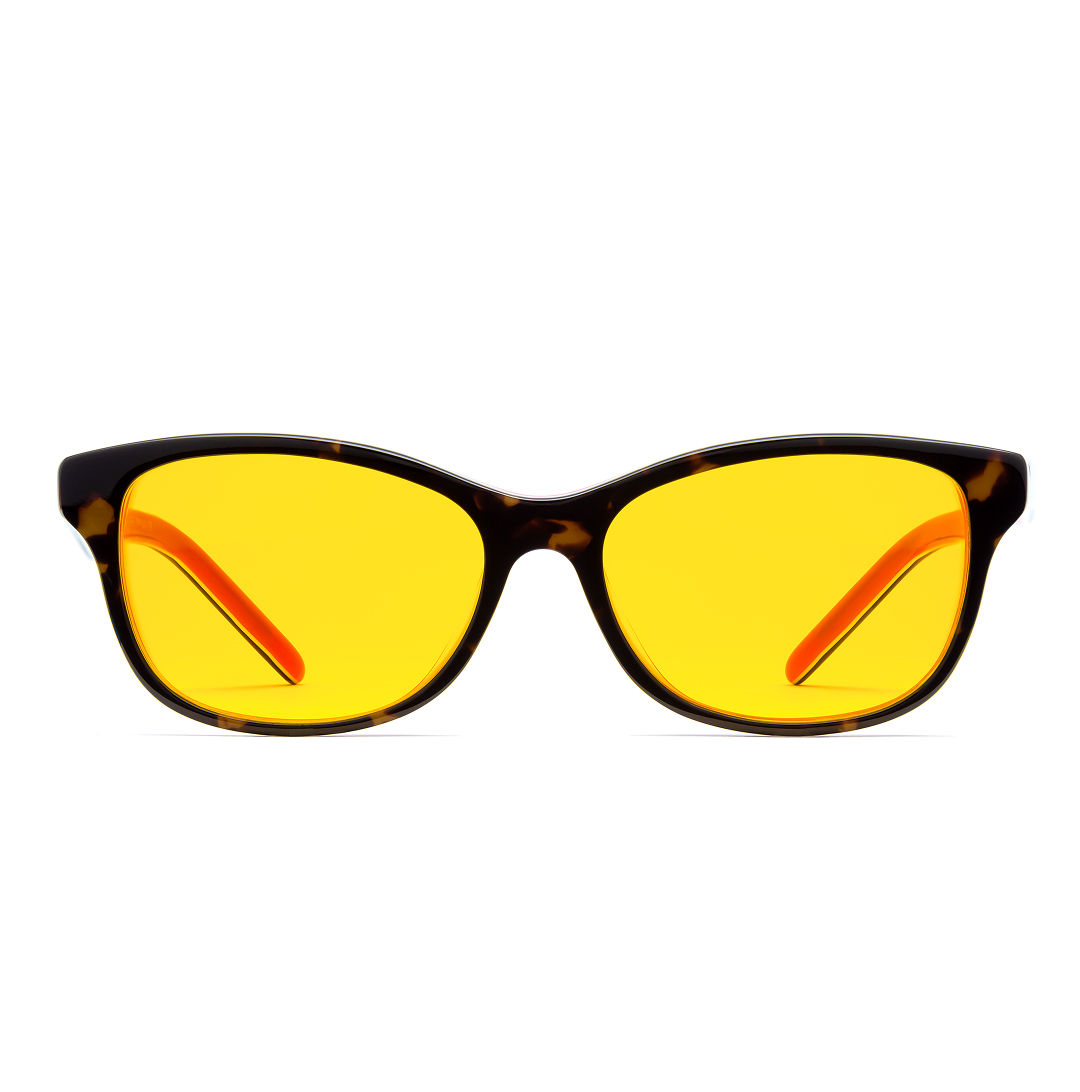
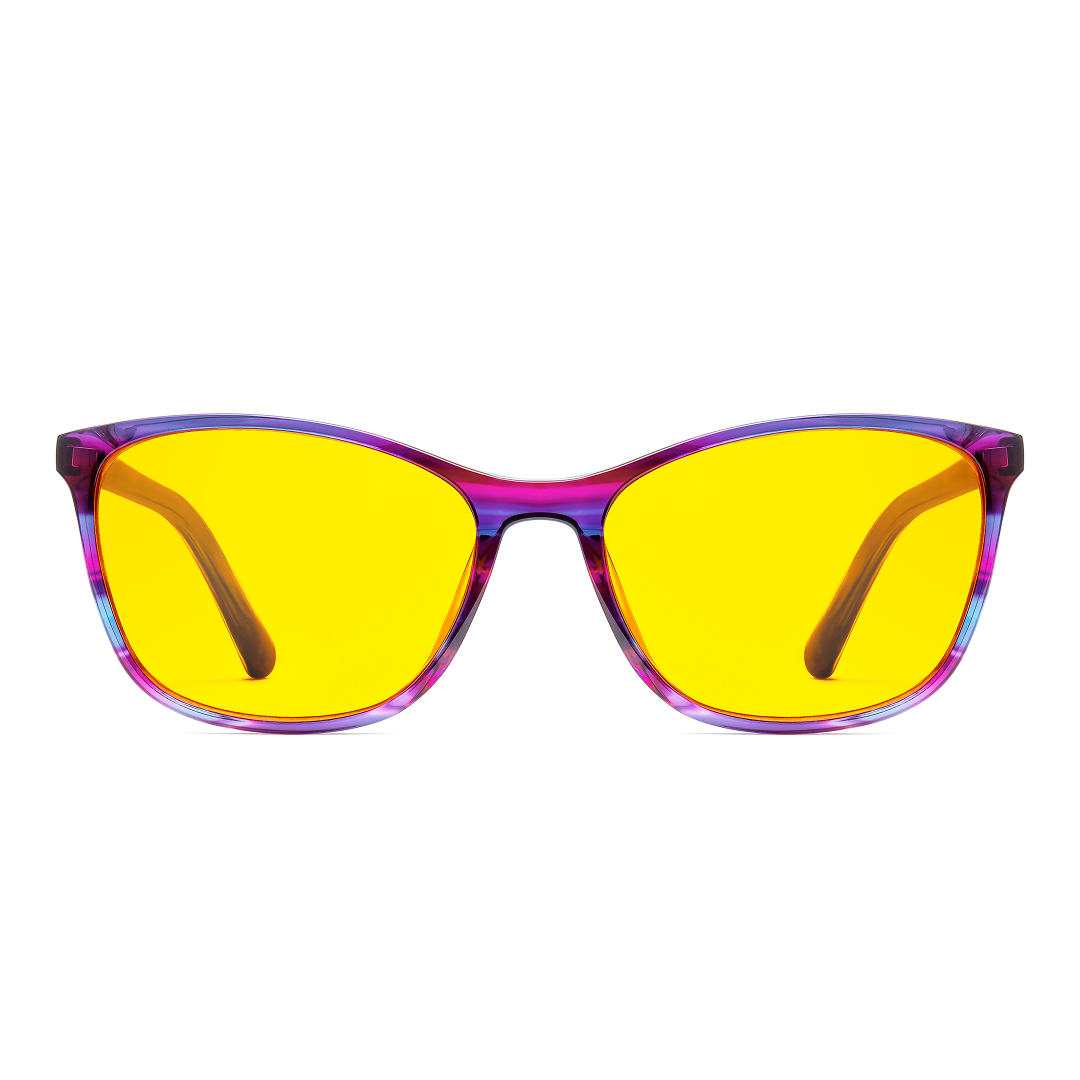
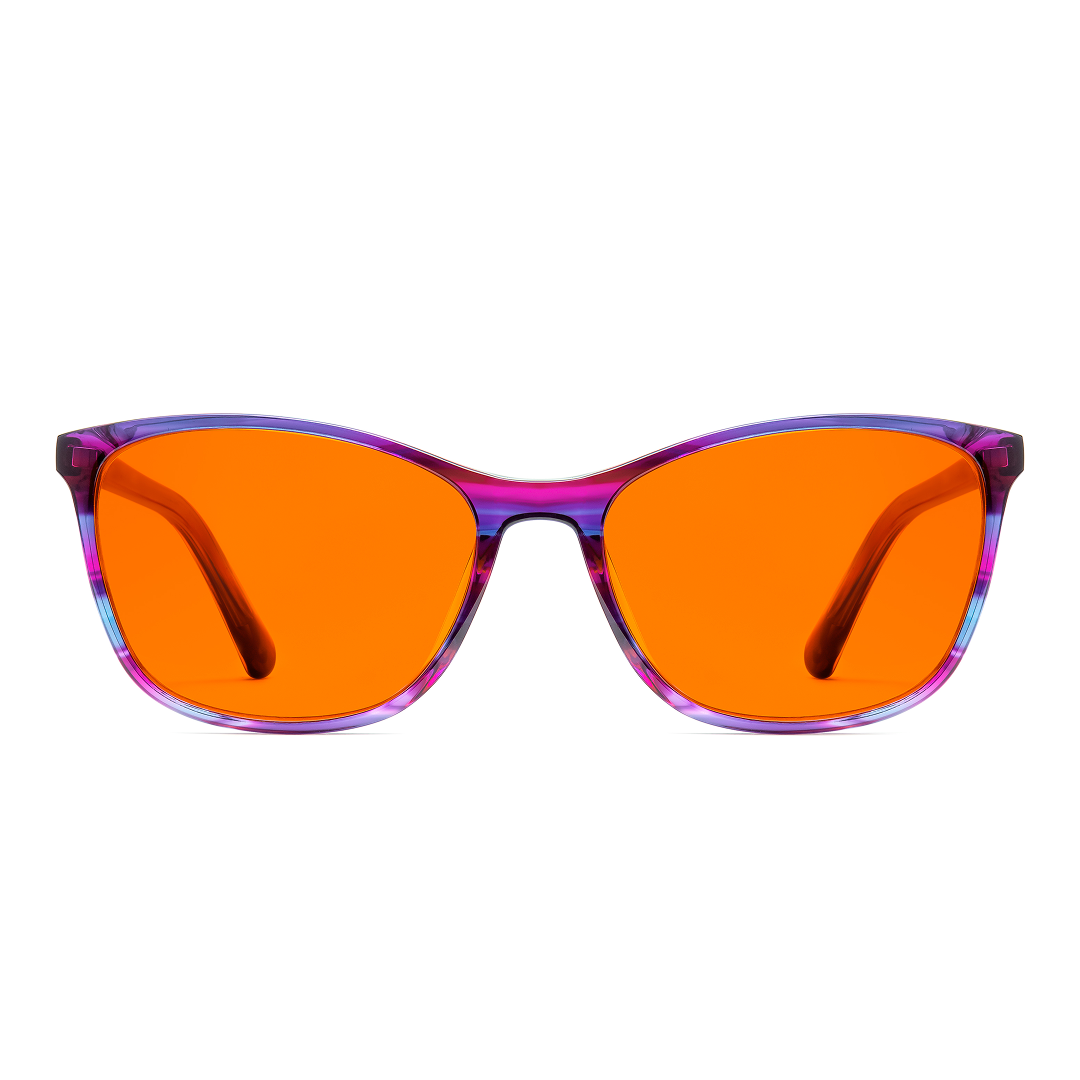
BioSpectral Systems lenses are a two-part solution, yellow tinted daytime glasses and orange tinted nighttime glasses, that represent a leap forward in blue light filtering. Here are some of the benefits of blue light glasses from BioSpectral Systems, and a brief look at what sets them apart:
-
All-Day Protection
By blocking 100% of blue light at the most damaging high-energy wavelengths up to 455nm, BioSpectral Systems lenses allow for 17.5 hours of blue light exposure before your daily melatonin is suppressed by 22%. -
Increased Durability
Rather then relying on a resin coating that can easily wear out, BioSpectral Systems glasses are designed using synthetic melanin built into the lenses themselves. This means improved durability and a longer use life. -
Optimal Color Clarity
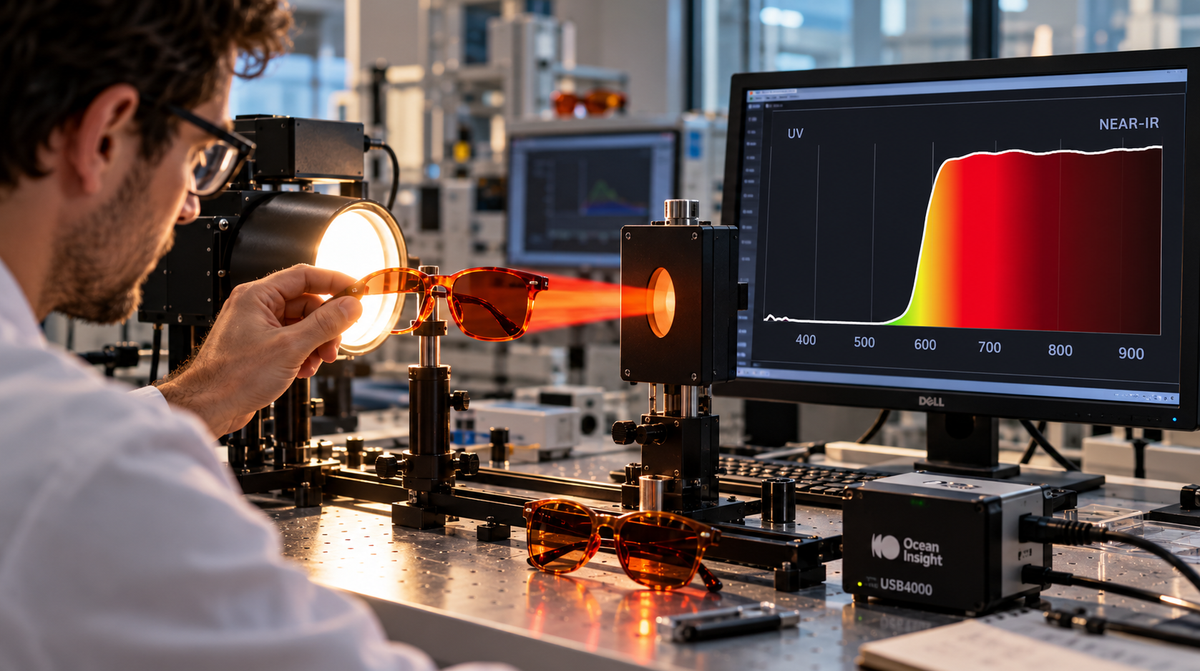
Synthetic melanin not only improves durability, it also provides the best possible color perception for the wearer. The melanin in BioSpectral Systems lenses mimics the filtration curve of the human eye, allowing it to accurately block damaging 455nm blue light, without affecting non-blue wavelengths. BioSpectral Systems lenses can be worn during any activity, and will allow users to easily distinguish colors, even at night. -
Two-Part Solution
Speaking of night, clinical research has demonstrated that for optimal melatonin production, the body requires more blue light protection in the evening and at night than it does during the day. The BioSpectral Systems two-part solution consists of yellow-tinted daytime glasses that provide 100% protection from 455nm light, as well as orange tinted nighttime lenses that extend coverage up to the 550nm range, for increased protection when your body needs them the most.
BioSpectral Systems: A Modern Solution for a Technological World
With an increased dependency on remote communication, information access, and digital entertainment, the time we spend using screens is only likely to grow. And with that growth come the dangers of blue light exposure.
BioSpectral Systems day and night lenses provide the only 100% blue light filtration solution on the market. With BioSpectral Systems, you can work, chat, play, and study, and enjoy all the other benefits of digital screen technology, without the blue.
Want more information and exclusive deals? Sign up for our newsletter!
Frequently Asked Questions
- What exactly is blue light and why is it considered "high-energy"? Blue light is the most energetic part of the visible light spectrum produced by the sun and digital screens. The human body equates this light with sunlight, using it to set the 24-hour "circadian rhythm" that dictates when we should be awake or asleep.
- How does looking at a screen at night actually ruin my sleep? Exposure to blue light, especially at the 455nm frequency, signals your body that it is daytime, causing melatonin production to drop by as much as 60%. This suppression prevents you from achieving restful sleep and can lead to chronic insomnia.
- What are the long-term health risks of suppressed melatonin? Beyond sleep issues, low melatonin hinders the repair of oxidative damage in cells and mitochondria, increasing cancer risks. It is also linked to serious conditions like type 2 diabetes, heart disease, obesity, and various psychiatric disorders.
- Why shouldn't I just buy cheap, clear blue light blocking glasses? Most clear-resin coated glasses are ineffective, filtering only 20% to 30% of the most damaging 455nm light. Even some tinted lenses fail to provide 100% protection, still allowing significant melatonin suppression after only a few hours of use.
- What makes the BioSpectral Systems solution different from others? BioSpectral Systems uses a two-part system of yellow daytime and orange nighttime lenses with built-in synthetic melanin for 100% filtration of harmful wavelengths. This design mimics the human eye's natural curve, maintaining color clarity while protecting mitochondrial health
Related: BioSpectral's melanin-infused blue-light-blocking glasses.


Disclaimer
The information on this site is provided by BioSpectral Systems for educational and informational purposes only. It is not intended to diagnose, treat, cure, or prevent any disease and has not been evaluated by the U.S. Food and Drug Administration or any other regulatory authority. Always consult a qualified healthcare professional before making any changes to your health regimen. By using this site, you acknowledge that you do so at your own discretion and agree that BioSpectral Systems, its affiliates, and contributors are not liable for any outcome resulting from the use of the information presented.
Share:
Autism Disorder: Red and Infrared Light Photobiomodulation
The Truth About Blue Light Glasses: Why Your Sleep Tracker Isn’t Improving