


Cardiovascular disease (CVD) continues to remain the leading cause of death in the United States with nearly 1 million deaths in 2020 from CVD. Atherosclerosis forms the cornerstone of CVD, serving as the pathophysiologic mechanism for ischemic heart disease, stroke, peripheral arterial disease, and aneurysm formation, all related to cholesterol.
Between 2018 and 2019, direct and indirect costs of total CVD were $407.3 billion ($251.4 billion in direct costs and $155.9 billion in lost productivity/mortality).
In 2020 in the United States, coronary heart disease (CHD) was the leading cause (41.2%) of deaths attributable to CVD in the United States, followed by stroke (17.3%), other CVD (16.8%), high blood pressure (12.9%), heart failure (9.2%), diseases of the arteries (2.6%).
Cholesterol is a Greek word of ‘Chole’ meaning bile and ‘sterol’ means solidity. Thus, we make bile salts out of digestion. Cholesterol is in every cell membrane, and we make steroid hormones from it including vitamin D. It is critical for the body. Cholesterol, often vilified, is a multifunctional molecule crucial to various physiological processes. Contrary to common belief, cholesterol is not only derived from the diet but is also synthesized endogenously in the liver to work with sunlight making it a key player in the intricate dance of human biology.
Approximately 85% of the total body LDL cholesterol contents are produced by the liver itself. And only 15% of the LDL cholesterol in your blood comes from food you have consumed. This means that if you eat a 0-cholesterol diet, you will still have large amounts of LDL cholesterol in your blood. But why would the body do this if LDL was truly a ‘bad cholesterol’? The short answer is, because LDL cholesterol plays vital functions all over the body, including delivering cholesterol to the tissues to support cell formation and function, hormone synthesis and ensuring overall metabolic balance. LDL Cholesterol is used to electrically insulate the red blood cells (lipid rafts) so the blood can move optimally in the case of a stress inducing event. Hence high levels of LDL cholesterol are essential as part of the body’s strategy to move most optimally through stress events.
Sunlight and Cholesterol Synthesis
Cholesterol serves as a photoreceptor in humans, absorbing sunlight throughout the body. Sun exposure not only assimilates cholesterol but also triggers the synthesis of Vitamin D and its sulfated form, playing a vital role in overall health.
Cholesterol’s Non-Polar Nature
Cholesterol, being non-polar meaning it does not dissolve in water allowing it to play a crucial role in cell membrane integrity within the lipid-bilayer influencing membrane fluidity and stability. Cholesterol helps regulate membrane fluidity by preventing the fatty acid chains of phospholipids from packing too closely together, especially at lower temperatures. Our cell membranes make up the surface of our skin and thus are the first layer of interaction with our external environment. Cholesterol sulfate supplies cholesterol, sulfur, oxygen (as sulfur has four oxygen molecules), energy and negative charge to all the tissues in your body.
-
Steroid Hormone Production: Cholesterol serves as a precursor for the synthesis of steroid hormones, including Vitamin D, hormones produced by the adrenal glands (cortisol and aldosterone) and sex hormones (estrogen, progesterone, and testosterone). The non-polar nature of cholesterol is important for the synthesis of these hormones in various tissues.
-
Bile Acid Synthesis: Cholesterol is a precursor for the synthesis of bile acids, which aid in the digestion and absorption of dietary fats. Bile acids, being amphipathic molecules (having both hydrophobic and hydrophilic regions), play a role in emulsifying fats in the digestive process.
-
Cell Signaling: Cholesterol is involved in cell signaling processes. It influences the organization and function of membrane proteins, including receptors for various signaling molecules. Cholesterol-rich lipid rafts in cell membranes, such as those in Red Blood Cells (RBCs) are important for signaling cascades across the entire body. In the brain, cholesterol is contained within the myelin sheaths around the neurons insulating the channel from signal loss.
-
Formation of Lipoproteins: Cholesterol is transported in the bloodstream as part of lipoproteins, such as low-density lipoprotein (LDL) and high-density lipoprotein (HDL). LDL delivers cholesterol to tissues, while HDL helps remove excess cholesterol from the bloodstream. The non-polar nature of cholesterol enables its packaging within the hydrophobic core of lipoproteins. Cholesterol is essential for protecting nutrients from oxidation and glycation damage during transport to cells. Cholesterol also protects from pathogens (microbial damage).=
In summary, Cholesterol:
-
In the Brain: Supports cell-to-cell communication and myelin sheath insulation.
-
In Cell Membranes: Guards against ion leaks and protects from pathogens.
-
In Plasma Lipoproteins: Essential for protecting transported contents from oxidation, precursor to vital hormones, and aids in fat digestion.
Types of Cholesterol
The liver makes very low-density lipoprotein (VLDL) particles which contain cholesterol and triglycerides. The triglycerides are then taken out and turned into useful tissue like muscle tissue. The VLDL particles then become smaller until what is left is a cholesterol rich smaller particle of LDL cholesterol. The LDL then returns to the liver after it carries out its functions and can stay in the blood for approximately 1 week whilst it does this. Sometimes a genetic abnormality involving hypercholesterolemia exists in the liver which reduces the LDL uptake leading to more LDL accumulating in the blood. This impacts around 1 in 10,000 in the USA. The 3 proteins which control LDL are Apo B, the LDL receptor, and the regular protein PCSK9. Abnormalities in any of these can change how the liver handles LDL leading to a high risk of LDL accumulation in the blood that can be oxidised or glycated (modified to become harmful), hypercholesterolemia. Some studies show abnormalities in any of these 3 proteins allow LDL to stay in the blood 2 weeks instead of 1 week leading to an increased risk of it becoming small dense LDL (sdLDL) which is a real problem.
The higher triglycerides in the blood the more work HDL needs to do to keep the blood optimal. So high triglycerides always result in low HDL. High triglycerides in the blood can also react with free LDL Cholesterol as it lingers for its normal lifespan of 1 week in the blood. When triglycerides interact with this LDL they can create small dense LDL particles (sdLDL).
-
 Increased levels of VLDL are not linked to any increased risk of heart disease, however increased levels of sdLDL increases risks of heart disease over 300%. So, it’s not LDL that causes heart disease, it’s sdLDL that causes heart disease.
 -

We want to get rid of the sdLDL because it is small enough to make its way into the blood vessel walls and form plaque obstructions. Once it gets into the blood vessel wall and be changed by glycation or oxidation and then the sdLDL can be taken up by the macrophages, if there are lots of sdLDL then macrophages become engorged and turn into more plaque in the cells of the blood vessel walls. When LDL is oxidized, macrophages become very reactive. -
Giving a statin to someone with hypercholesterolemia works because it reduces small dense (sdLDL), but it as side effects.
-
When we glycate haemoglobin (adding sugar to blood cells) this increases the risk of heart disease. Adding glycation to LDL it also poses the same risks.
In Summary, the key is not to worry about what your LDL levels are on a blood test but to test for what your sdLDL levels are. And if they are high, then you clearly have a triglyceride, oxidation or glycation issue going on in the body which needs to be addressed. And further to this if inflammatory levels are high, this shows that macrophages are becoming engorged and increases the risk of the sdLDL becoming lodged in the blood vessels creating plaque and increasing risks of heart disease. LDL is a natural product of lipid transport. High triglycerides lead to sdLDL buildup which leads to inflammatory plaque. sdLDL is found in hormonal diseases, acquired diseases, insulin resistance, hypothyroidism and renal failure. sdLDL predicts CVD.
Blood Tests to compete to get a better understanding of what is going on in your blood with respect to lipids, sugars, and inflammation:
-
LDL Cholesterol
-
HDL Cholesterol
-
VLDL Cholesterol
-
sdLDL Cholesterol
-
Triglycerides
-
Highly sensitive C-Reactive Protein (hsCRP)
NB: Obtain a Total Cholesterol / HDL Ratio to best predict most accurate sdLDL risk. You cannot use Triglycerides as the primary indicator because it varies dramatically day to day. HDL levels changes with triglycerides and is much less sensitive. Target is under 4.
It is thus possible to have a high LDL cholesterol with very low sdLDL. So, you can predict this will most likely be the case if triglycerides are below 88mg/dL (1mmol/L). Whereas if your triglycerides are above 130 mg/dL (1.5mmol/L) then it’s likely that there are sdLDL accumulating. Although everyone over 50 should am for under 60mg/dL (0.8mmol/L).
Cite:


The special case of Apo a and Apo b
Lipoprotein (a) can also modify LDL by adding a ‘tail’ to LDL. Once LDL is modified in this way it can also hang around in the blood longer. The higher the Lp(a) the higher the risk of cardiovascular disease. In these cases, low-carb high fat diets can initially make things worse if you do not change other environmental toxins (light and EMF pollution) and get more sunlight or red-light exposure into your days. Then this makes the LCHF diet work more effectively in this case. APO-B is causal of cardiovascular disease. APO-B rises with age as heteroplasmy increases (endocrine changes, insulin resistance, senescent cells). The liver makes VLDL and LDL constantly. The VLDL is transporting fatty acids, LDL, cytokines and many other fats and proteins.

 In summary: We should never worry about why we have high LDL cholesterol, only high sdLDL cholesterol and high triglycerides.
LDL Cholesterol and Sulfate
UVB Sunlight + LDL Cholesterol Sulfate = Vitamin D
LDL Cholesterol sulfate is integral for optimal sulfate function. Red blood cells carry cholesterol sulfate, giving them a negative charge. This charge, transferred to capillary walls, facilitates blood flow, a process vital for overall tissue health.
The senior research scientist at MIT, Stephanie Seneff proposes that the skin is a solar-powered battery, and the body uses light energy, just like plants, albeit in different ways. According to Seneff, deficiencies in cholesterol and sulfate supplies to the blood and to the tissues may in fact be one of the most important factors driving modern diseases. In the case of sulfate and or cholesterol deficiency, we know there is a reduction in production of vitamin D, testosterone, progesterone, pregnenolone, DHEA, and cortisol. These hormones are essential to keep in homeostasis to ensure no dramatic health consequences. In her research, she has discovered a pattern where your body will cause destruction to cells and tissues in order to get to the sulfate likely because it is THAT important for the body's function. In other words, your body greatly prioritizes sulfate, allowing damage to occur to extract what little sulfate is present when there's a lack of it. "If the blood doesn't flow the body doesn't work, so that becomes the No. 1 priority," she says, "and various can become organs become dysfunctional as a result.
We’ve talked about the vital functions of cholesterol, let me mention a few vital functions of sulfur. Sulfur has many functions including, protecting the blood from coagulation, detoxifying drugs, food additives and environmental toxins like aluminium and mercury, it’s an essential component of extracellular matrix proteins throughout tissues, and cerebroside sulfate is a major constituent of myelin sheaths surrounding axons in neurons. NB: Egg yolks contain both cholesterol and sulfate together in an ideal ratio. Go egg yolks!
-
Low LDL Cholesterol is bad news:
-

-
What are the implications of this graphic? Sunlight provides the signal to turn cholesterol into all steroid hormones! So, if someone has high LDL cholesterol, they are likely not exposed to enough strong sunlight. Your LDL cholesterol is potential sitting in your cell membranes and RBCs waiting to give the signal to transform into steroids for you!
-
The more obese the individual is, the more Vitamin D they need to sustain their immune system. So far science has discovered approximately 80 different metabolic processes which are improved by improving Vitamin D generation. One of these indicates that serotonin levels may increase in the brain when Vitamin D increases.
-
At 75 years of age, your ability to generate Vitamin D from your skin is diminished by 75%. However, you can still generate it. That being said, the older you are the more sunlight you need hence why retirees moving from New York down to Florida is a wise move.
-
 Diseases related to low vitamin D – All cause mortality.
-
Diseases related to low testosterone – Hypogonadism, Erectile Dysfunction, Infertility, Osteoporosis, Loss of Muscle Mass, Fatigue and Low Energy, Depression, Decreased Libido, Hair Loss, Increased Body Fat, Metabolic Syndrome.
-
Diseases related to low cortisol – Addison's disease, Secondary adrenal insufficiency, Hypopituitarism, Adrenal fatigue (controversial term), Congenital adrenal hyperplasia (CAH), Sheehan's syndrome, Hypothalamic-pituitary-adrenal (HPA) axis dysfunction.
-
Diseases caused by low progesterone – Amenorrhea, Polycystic ovary syndrome (PCOS), Endometriosis, Premenstrual Syndrome (PMS), Infertility, Miscarriage, Uterine fibroids, Ovarian cysts, Menstrual irregularities, Hormonal imbalances.
-
NB: If you have low LDL cholesterol or are taking cholesterol lowering medications your risk for all the above theoretically increases. And if you are experiencing any of the above, you likely know one of the key reasons why it may be happening.
-
When our total cholesterol levels drop below 200mg/dL the body begins to have insufficient LDL cholesterol to perform cell division perfectly all the time. The mitotic spindle in all mammals requires cholesterol for cell division. The mitotic spindle is a bipolar structure composed of microtubules that segregates chromosomes during cell division, ensuring each daughter cell receives a complete set of genetic material. When LDL cholesterol is insufficient, the mitotic spindle is not as efficient, and it can lead to aneuploidy and chromosomal damage. When humans get aneuploidy and chromosomal damage it leads to cancer/oncogenesis down the line. This is 1 mechanism by which insufficient LDL cholesterol can result in cancer, the other involves poor vitamin D synthesis weakening immunity.
-
-
All human steroid hormones are made from LDL cholesterol. LDL converts to pregnenolone to start the steroid hormone synthesis pathway with sunlight as the initial signaller, with T3 and vitamin A as co factors. If LDL is low, the hormone panels fall, and disease follows. This can be observed in cases when cholesterol lowering medications like statins are used. The brain controls its 20 trillion cells in our body using hormones, so if the brain does not have good hormone control the brain is blindly driving metabolism.
-
Diseases related to low LDL Cholesterol derived hormones:
-
Diseases related to low vitamin D – All cause mortality.
-
Diseases related to low testosterone – Hypogonadism, Erectile Dysfunction, Infertility, Osteoporosis, Loss of Muscle Mass, Fatigue and Low Energy, Depression, Decreased Libido, Hair Loss, Increased Body Fat, Metabolic Syndrome.
-
Diseases related to low cortisol – Addison's disease, Secondary adrenal insufficiency, Hypopituitarism, Adrenal fatigue (controversial term), Congenital adrenal hyperplasia (CAH), Sheehan's syndrome, Hypothalamic-pituitary-adrenal (HPA) axis dysfunction.
-
Diseases caused by low progesterone – Amenorrhea, Polycystic ovary syndrome (PCOS), Endometriosis, Premenstrual Syndrome (PMS), Infertility, Miscarriage, Uterine fibroids, Ovarian cysts, Menstrual irregularities, Hormonal imbalances.
NB: If you have low LDL cholesterol or are taking cholesterol lowering medications your risk for all the above theoretically increases. And if you are experiencing any of the above, you likely know one of the key reasons why it may be happening.
-
Ultraviolet and Infrared Sunlight and Cholesterol Sulfate = Vitamin D
Vitamin D is produced in the human body through a series of steps that involve sunlight exposure. When your skin is exposed to ultraviolet B (UVB) radiation from the sun, sulfated cholesterol in your skin cells is converted into previtamin D3. This previtamin D3 then undergoes a heat-dependent conversion to form vitamin D3 (cholecalciferol). Finally, the liver and kidneys further metabolize vitamin D3 to its active form, calcitriol, which is the biologically active form of vitamin D that the body can use for various functions, including calcium absorption in the intestines.
The Role of Vitamin D
Vitamin D has numerous functions, as a hormone, as an immune stimulating and supporting agent, as a nutrient for bone health, particularly when a patient is peri menopausal. Vitamin D regulates the elasticity of blood vessels and thus also affects blood pressure amplitude. Vitamin D relaxes blood vessels. The results were published earlier this year in the journal Molecular Endocrinology.
Vitamin D’s major effect
The major effect of Vitamin D is that it modulates the immune system, given its receptor is found on T helper cells (regulator cells), the same cells that are destroyed by COVID spike protein or how HIV infection wipes out in AIDS victims. That being said the first outbreak of HIV in the gay communities in the USA occurred 6 months post the Hepatitis B vaccine was first administered in the same population.
Low Vitamin D levels, for any reason, turn off the epigenetic switches on RNA/DNA/mtDNA genes that switch on the proper functioning of immune system protector cells which keep us free of diseases from viruses, bacteria, mold, and fungal infections.

The only difference in both biomolecules is a single double bond in the second ring of the cholesterol backbone. This gives Vitamin D3 one less hydrogen atom than the closed ring of cholesterol.
Reference:
-
https://people.csail.mit.edu/seneff/London2014/SeneffHeartDisease2014.pdf
Many of the benefits of Vitamin D3 are actually the benefits of Cholesterol Sulfate.
Sunlight -> Vitamin D: UV-A + IR sunlight exposure on the skin triggers the release of nitric oxide in the blood plasma, bringing the Red Blood Cells (RBCs) to the skin surface to be ready to receive the UV-B and IR sunlight signal to trigger the synthesis of Vitamin D from the sulfated LDL cholesterol present in the area exposed. When cholesterol is sulfated, it acts as a natural calcium channel blocker in the skin. Sunlights action as a calcium channel blocker helps regulate blood pressure by blocking the entry of calcium into muscle cells of the heart and blood vessels, leading to relaxation and vasodilation. This mechanism reduces the workload on the heart and improves blood flow, playing a key role in managing hypertension and certain cardiovascular conditions. Calcium channel blockers and beta blockers are types of medications commonly administered to help maintain better blood pressure control, but UV-A and UV-B sunlight exposure does this naturally showing natures built in prescription for optimal prevention of CVD and related conditions; and given it induces the synthesis of vitamin D it is also anti-cancer. In order to work with sunlight optimally the body requires in addition to cholesterol, sulfur and water, adequate magnesium must be present. Magnesium (Mg), a crucial cofactor for 56 known enzymes including, ‘Endothelial nitric oxide synthase’ (eNOS) and ‘Telomerase’, which controls our telomere lengths telomeres are protective caps at the ends of chromosomes that shorten with each cell division, playing a crucial role in maintaining genomic stability and influencing cellular lifespan.. This is why low Mg with a low melatonin level indicates that cancer will likely come with age. Now within the mitochondria, Mg2+ is used as a cofactor to make sub-cellular melatonin. And Mg in a cell is a hydrophilic element on the periodic table, and with dehydration, we lose intracellular Mg. Our colony of mitochondria make/recycle/recombine ~7,500L of water per day in our body and if this process is off by 2% we become dehydrated independent of drinking or eating. The strategies at the bottom all demonstrate ways to ensure the mitochondria do their job well.
Moving back to the importance of cholesterol. There are 3 metabolic transactions from Cholesterol (Cholecalciferol) that occur under the surface of the skin where our “storage version” of Vitamin D (Calcidiol) is made. This 25(OH) version of vitamin D3 gets transformed in our kidneys and liver to the “active version” of Vitamin D (Calcitriol or 1,25 (OH) in the liver). All 3 reactions require Mg2+ as a cofactor. Mg, however, needs the mitochondria to make cell water in the cell to work properly. If the mitochondria do not make water, taking an Mg supplement is a waste of time and resources. It is physiologically impossible to have a 25(OH) blood test (“Storage-D”) to be less than 35 ng/dl and a Magnesium RBC level to be above 6.5mg/dL because of the negative feedback loops tied to calcium levels in our blood! Now you can see that for cholesterol to fuel Vitamin D synthesis in the body, the mitochondria need to be working properly to make ATP and water. In the case of poor mitochondrial function, leptin resistance, insulin resistance and most of the time high levels of triglycerides are all present resulting in LDL cholesterols inability to optimally synthesize into vitamin D or other vital steroid hormones, and instead can be modified from its large fluffy LDL cholesterol form to a much denser form of cholesterol called small dense LDL (sdLDL). These sdLDL particles are more prone to oxidation and may have a higher affinity for arterial wall binding, contributing to the development of arterial plaque, and hence why they are associated with an increased risk of atherosclerosis and cardiovascular diseases. With a lack of vitamin D, a weak immune system results and with poor mitochondrial function inflammation rises. All of these actions are a recipe for plaque build-up, blood flow issues and atherosclerotic beginnings. It's wild how many people have poorly functioning mitochondria, leptin and insulin resistance, high triglycerides and inflammation or low vitamin D and instead blame cholesterol for their mitochondrial dysfunction and lack of full spectrum sunlight, especially ultraviolet during the middle portion of the day. Mitochondrial dysfunction, insulin resistance, leptin resistance, and high triglycerides are interconnected and contribute to the pathogenesis of cardiovascular disease.
So, what is causing the mitochondrial dysfunction you may ask underlying the root of the issue? The environmental toxins blamed for mitochondrial dysfunction for a long time are alcohol, cigarettes, air pollution, agricultural chemicals, heavy metal toxicity, food preservatives, processed sugars, and so on. But there are many people who avoid all of these and still have massive mitochondrial issues, the explanation, is what everyone has missed. The most toxic chronic mitochondrial toxins/stressors today are artificial light and non-native electromagnetic fields (nnEMFs). The book by Arthur Firstenberg called The Invisible Rainbow outlines the increased rates of electrification from the late 1800’s to 2020 and presents thousands of research papers demonstrating links between increased nnEMF exposure and rising to out-of-control disease rates globally. nnEMF’s include LED and fluorescent indoor lighting, technology screens and devices, Wi-Fi routers, cell phones including 5G and 6G, Bluetooth devices, local distribution lines, smart meters, solar inverters, the AC power grid in our homes and large electrical devices. Every single one of these destroys mitochondrial function, lowering energy production (ATP synthesis) and water production leading to issues with cholesterol and inflammation in the body. An easy way to think about it is cholesterol is the candle and inflammation is the lighter. When there is no lighter, the candle is not dangerous and in cholesterols case acts as one of the most essential compounds for optimal health. But when high amounts of inflammation are present due to mitochondrial toxins and stressors in the persons environment, the ignition becomes more likely. This is where lowering the cholesterol level via diet or medication doesn’t solve the problem, it just covers up the real cause and destroys many of the body’s vital functions in the process. Fix the mitochondrial dysfunction and this will lower the chronic inflammation and improve insulin and leptin and stop consuming so many triglycerides and LDL cholesterol turns back into the powerful hormonal generating photoreceptor and cellular stress response insulator within the body. Higher LDL cholesterol stabilizes the inner mitochondrial membrane during heavy oxidative phosphorylation, crucial for cell recovery in stress states.

Back to the biochemistry in the blood. Optimizing eNOS is vital biochemically to kickstart the process of turning LDL cholesterol into a solar panel and for hemaglobin in RBCs to accept oxygen properly. This process requires various elements such as Vitamin B12, heme iron, sulfur, zinc, oxygen, glutathione and sunlight. However, exposure to toxins like mercury, aluminum, and glyphosate can impede and damage this intricate process. eNOS appears to be the key protein that signals sulfate production in response to sunlight. Sulfate comes from homocysteine recycling that occurs within RBC’s hemoglobin in the surface arterioles in our skin. This is why elevated homocysteine and low vitamin D levels are non-specific risk factors for heart disease and stroke.
Homocysteine is the source of sulfate. You have to consume “some energy” to produce a sulfate from homocysteine, and the red blood cells actually supply the ATP to the plaque. ATP withdraws electrons from homocysteine to sulfate the cholesterol in blood. Many people forget that RBC have no nuclei or mitochondria so you might be wondering where the ATP comes from? Because of the lack of nuclei and mitochondria, mature red blood cells are incapable of generating energy via the Krebs cycle. Instead, erythrocytes depend on the anaerobic conversion of glucose by the Embden-Meyerhof pathway for the generation and storage of high-energy phosphates.
This is why you can never lower your HbA1C to zero even on a zero-carb diet. We need some endogenous glucose production in RBCs to make small amounts of ATP to move cells around the body. So, sunlight kicks off this process and cholesterol sulfate maintains the gel consistency of the structured water surrounding the cells. Sulfate is crucial in the body as it supports various essential functions, including blood flow regulation, detoxification, and the maintenance of cellular structure and communication. Cholesterol is essential for optimal sulfate function. This is particularly evident in red blood cells (RBCs) which bear cholesterol molecules on their membranes, imparting a net negative charge. These cholesterol sulfate molecules are released as blood moves through capillaries, attaching to endothelial cells on the capillary wall. This attachment provides the negative charge driving blood flow, even without a pumping action. This is a critical point demonstrating the presence of what is called the ‘Zeta Potential’ of RBCs, which refers to the net negative electrical charge on their surface. This net negative charge as a result of LDL cholesterols presence ensures their ability to repel and maintain separation from each other in the bloodstream preventing blood clots or blood stagnation.
We now know how important LDL cholesterol is, so why are 1/3 of US adults over the age of 50 prescribed and taking statins?
PCSK9 Inhibitors (i.e. Repatha)
Drug Preventative Cardiovascular Therapy – PCSK9 Inhibitors (i.e. Repatha) – Here’s the problem
High LDL levels and a history of heart disease in the family are not a reason to take a drug to modify your lipid profile. The sdLDL particle size in the presence of high triglycerides, high inflammation and a poor lifestyle is the real concern, and no drug will help this without a significant trade-off for increased risks for systemic disease vulnerability. Think twice and read on if you are taking or are planning to take a monoclonal antibody like Repatha.
Repatha (Evolocumab)
Repatha is a monoclonal antibody that inhibits PCSK9, a protein that degrades LDL receptors. By blocking PCSK9, Repatha increases LDL receptor availability in the liver, removing more LDL cholesterol from the blood. It’s prescribed for people with high LDL, particularly those at high cardiovascular risk or with genetic conditions like familial hypercholesterolemia.
Why This Can Be Problematic
Reducing LDL cholesterol excessively with PCSK9 inhibitors like Repatha can interfere with key functions of cholesterol in the body, including:
-
Stress Response Buffering: LDL carries cholesterol essential for producing cortisol, the stress hormone, needed for energy and resilience during stress.
-
Steroid Hormone Synthesis: Cholesterol is the precursor for hormones like testosterone, progesterone, and estrogen. Lower LDL will disrupt hormone production, leading to fatigue, hormonal imbalances, and reduced fertility.
-
Cell Membrane Integrity: Cholesterol is essential for maintaining the fluidity, integrity, and permeability of cell membranes, and insufficient LDL-derived cholesterol weakens membrane structure, impairing signal transmission (e.g., hormone or neurotransmitter receptor function) and the transport of essential molecules into and out of cells.
-
Vitamin D Synthesis: Cholesterol is necessary for producing vitamin D in the skin upon exposure to UV light. Lower levels of circulating LDL leads to Vitamin D deficiency, weakening immune function, bone health, and disrupting calcium regulation.
-
Bile Acid Production: Cholesterol is used to synthesize bile acids, essential for digesting and absorbing dietary fats. Lowering LDL in the blood disrupts lipid transport and reduces cholesterol availability for bile acid production, impairing fat digestion and beta-oxidation. This forces the body to rely more on glucose for energy, increasing insulin demand and potentially worsening metabolic inefficiency and insulin resistance.
-
Immune System Function: LDL binds to and neutralizes bacterial toxins, aiding in immune defense. Lowering circulating LDL weakens the innate and adaptive immune systems, reducing the body's ability to fight infections and manage inflammation.
-
Neuroprotection: Cholesterol is vital for myelin sheath formation around neurons in the brain and overall brain function. Lowering available LDL cholesterol will impair cognitive function and increase neural vulnerability to all toxins and stressors.
-
Energy Regulation: Cholesterol supports mitochondrial function and the production of coenzyme Q10, essential for energy metabolism. Lowering LDL cholesterol levels available to the mitochondria will result in a reduction in bioenergetics and energy availability for the entire body, slowing every biologic process from oxygen and nutrient delivery to waste removal.
Why High LDL May Not Be a Problem in the Right Context
-
Circadian Signaling: When the body’s circadian rhythms are optimized (via proper light exposure, sleep, and activity patterns), LDL cholesterol is utilized effectively for all the above processes especially repair, protection and hormone production.
-
Low Inflammation: LDL only becomes problematic when it’s oxidized due to chronic inflammation. If inflammation markers (e.g., CRP) are low, high LDL may not pose a risk.
-
Low Triglycerides: When triglycerides are in the bottom quartile of the reference range, LDL particles are typically larger and less likely to be oxidized or contribute to plaque formation.
-
Particle Size: Small, dense LDL (sdLDL) is atherogenic, while large, buoyant LDL is not. Measuring LDL particle size gives a clearer picture than total LDL levels. It makes absolutely no sense to take a monoclonal antibody to prevent LDL receptor reduction in the liver, lowering circulating LDL when you have not tested for sdLDL, triglycerides and inflammatory levels or looked at the person’s lifestyle (sleep, light exposure, meal timing, exercise habits, stress management, social connection and purpose). In all of those is where the problem lies, not in a broad lab value or fear around a history of heart disease in the family, those are meaningless by themselves.
The elevation of LDL in the blood is a symptom of an underlying problem and covering it up by increasing the LDL cholesterol uptake in the liver is not solving the root cause, it may lower the number but then leave the circulatory system still armed and ready to keep risks of heart disease elevated. The larger fluffy cholesterol m molecules such as VLDL is a stress protective substance and also is fuel for steroid hormones and many other essential bodily biomolecules for essential functions. As a blanket statement lowering LDL cholesterol in the blood is not going to lower your risk of cardiovascular disease, heart disease, atherosclerosis and heart attack. In the scientific literature there is evidence of cholesterol levels being linked to heart conditions for the same reason that fire trucks are found at the site of fires. They did not cause each other the inflammation or fire caused it; the cholesterol or firemen are merely there as an intelligent response.
The Root Cause of High LDL
Elevated LDL often signals an underlying issue, such as:
-
Poor Metabolic Health: Insulin resistance, high triglycerides, or low HDL.
-
Inflammation: From insufficient full spectrum light exposure, poor meal timing or composition, excessive stress, or environmental toxins such as exposure to wireless radiofrequency radiation or dirty electricity (high frequency transients) in the bedroom or office.
-
Liver Dysfunction: Impaired cholesterol recycling.
-
Poor Circadian Health: Disrupted light exposure and sleep patterns.
By addressing these root causes, LDL levels and overall health improve naturally without the need to artificially suppress cholesterol with Repatha.
Why Repatha Can Be Harmful
-
Weakens the Stress Response: Lower cholesterol reduces cortisol production, impairing energy and resilience under stress.
-
Hormonal Deficiencies: Testosterone, progesterone, and vitamin D levels drop, affecting mood, energy, and overall health.
-
Fatigue: A weaker morning cortisol spike reduces energy levels.
-
Disrupted Natural Regulation: The liver’s cholesterol management system is highly adaptive. Overriding it with drugs ignores its intelligence.
-
Focuses on Symptoms, Not Causes: High LDL is often a marker, not the problem itself. Without addressing underlying inflammation or metabolic issues, the root cause persists.
In short, while Repatha may lower circulating LDL cholesterol, you can see that this fails to address the real problem and leaves the person with increased vulnerability to a myriad of other problems mentioned above. This uninformed approach ignores the vital roles cholesterol plays in the body and will absolutely harm overall health by disrupting the body’s natural balance.
Let’s move on to another toxic drug commonly given to people who don't need it. Statins.
Statins
Let’s talk about centralized medicines solution for high LDL cholesterol. The medication is called "HMG-CoA reductase inhibitors." This term refers to the class of drugs that includes commonly prescribed medications to lower cholesterol levels by inhibiting the enzyme HMG-CoA reductase in the liver, such as the commonly known STATIN. The inhibition of this enzyme leads to a reduction in cholesterol synthesis in the liver, ultimately lowering levels of low-density lipoprotein (LDL) cholesterol in the bloodstream. Examples of statins include atorvastatin, simvastatin, rosuvastatin, and others.
Statins work by inhibiting an enzyme called HMG-CoA reductase, which plays a key role in the production of cholesterol in the liver. Furthermore, statins not only reduce cholesterol synthesis but also increase the expression of LDL receptors on the surface of liver cells. These receptors help remove LDL cholesterol from the blood by facilitating its uptake into liver cells. So, we know that statins are a class of drugs primarily used to lower cholesterol levels in the blood. They are commonly prescribed to individuals with high levels of low-density lipoprotein (LDL) cholesterol, often referred to as "bad" cholesterol, which is associated with an increased risk of cardiovascular diseases. Giving a statin to someone with hypercholesterolemia works because it reduces small dense (sdLDL), but it has side effects and is a mitochondrial toxin.
How do we know statins are mitochondrial toxins? Mitochondria produce reactive oxygen species (ROS) in response to stress. Some stress like hermetic stress is good, exercising daily, experiencing periods of hunger, exposing yourself to full spectrum mid-day sunlight, bathing in a cold water source. When these ROS become excessive, cellular inflammation can become chronic and cause issues in the body we see as pre-diseases. In general, lower ROS is better for longevity of the cell and for it to function optimally. A simple example of this fact is coenzyme Q10. Most people have heard of this cofactor, and this protein is used up to a great degree when you are making energy or the cell is stressed. Statin drugs cause depletion of this protein because of their mode of action on enzymes in blocking the building blocks of cholesterol, so they cause the cell to be more inefficient making energy as the CoEnQ10 is depleted. It is also used up when we are under stress due to long term insulin or cortisol secretion. Depletion of CoEq10 is why people can get cognitive change and muscle cramping when they are on statins too long or the dose becomes too high. The cause is because the cells in that part of the body can’t make the energy they require because of the side effect of the drug. Therefore, many patients are told to add CoEnQ10 to their supplement list daily if they are on a statin.
Cholesterol is a polar molecule and works with sunlight to create hormones in the body from sunlight interacting with it in the skin and infrared internally to activate mitochondrial release of hydrogen peroxide to help the oxidation process of cholesterol in this hormone creation process. Cholesterol is a photoreceptor with a peak absorption in the ultraviolet range from 220nm to 390nm. So, this light is always a good option when delivered by a balanced spectrum in the sun’s full spectrum to reduce high cholesterol. HDL has more electrons than LDL and more electrons means more photoreceptive to sunlight and hence why high levels of HDL are always linked to better outcomes. Given this, the function of Statins are like applying sunscreen on the inside of the body. Statins block the sun from helping you lower cholesterol naturally and create new hormones endogenously like we are designed. Statin prescriptions are being given out by doctors like candy is to children. This is a big reason why peoples health declines after they take Statins for several months.
Statins are intricately linked to circadian cycles through their mechanism of action. By inhibiting the Q cycle and impeding electron transfer from cytochrome 1 to 3, statins increase the electron tunnelling distance. This effect becomes significant, as even a minimal increase in Angstroms leads to a tenfold decrease in tunneling speeds, resulting in inflammation and swelling. At its core, inflammation reflects an imbalance of protons and/or loss of electrons at bodily surfaces, such as the eyes, gut, and skin. Maintaining optimal pH, crucial for inflammation control, involves the exclusion zone (EZ) in water, formed by proteins filled with electrons interacting with light. The absence of an EZ, a fundamental mechanism affected by statins, correlates with increased electron tunneling distances and potentially contributes to conditions like cognitive delay and metabolic syndrome, particularly in tissues with high mitochondrial density. Understanding these biophysical intricacies underscores the importance of knowledge dissemination and highlights the potential benefits of ubiquinol supplementation for individuals undergoing statin treatment. This information prompts a reevaluation of the broader impact statins may have on bioenergetics, potentially influencing health outcomes and disease development.
In the early 1970s, Dr. Akira Endo first discovered metabolites in molds like fungi and mushrooms that inhibited 3-hydroxy-3-methylglutaryl-coenzyme A reductase (HMG-CoA), a key regulatory enzyme in cholesterol biosynthesis. The success of HMG-CoA inhibitors (statins) were first demonstrated in patients with familial hypercholesterolemia, resulting in marked reduction in cholesterol levels though not without significant adverse effects in the early years of the drug, notably elevation in transaminases and muscular dystrophy. An elevation of transaminases results in amino acid metabolism dysfunction such as synthesis of proteins, neurotransmitters, and other important molecules in the body. Muscular dystrophy is characterized by progressive weakening and degeneration of skeletal muscles, leading to loss of muscle function over time. Although these side effects of early statin treatment, they have not completely gone away. Statins have side effects, and their use should be carefully monitored. Some of the more important side effects to be aware of include lower mitochondrial energy (ATP) and water production, lower testosterone production, lower progesterone production, lower cortisol production, low vitamin D production and a weakened immune system, lower DHEA production, adversely elevated liver enzyme production, increased risk of diabetes and all other metabolic diseases, muscle aches, pains, tenderness and if taken for several years there are risks of muscle breakdown.
Centralized medicine often states that for people with a high risk of cardiovascular events (heart attacks and strokes) the benefit of taking statins often outweighs the harm of experiencing the side effects. But this is based upon a claimed weak association between higher LDL cholesterol and increased risk of CVD. To push back against this assumption further, the 50-year long Framingham Heart Study from 1948 to 1999 published in the NYT, Boston Globe and every major journal demonstrated that people with the highest amounts of cholesterol with good levels of HDL cholesterol live the longest and people with the lowest amount of cholesterol died the soonest and had the highest risk of cancer. So, it is our opinion that the current justification for statins is incorrect and in fact it is harming our mitochondria based upon a lack of understanding of other ways to truly lower risks of cardiovascular events and a lack of known compliance of the patient making positive change to lower their risk. So, the doctor is incentivised to offer the statin as a failsafe solution.
One of the key reasons why statins work to reduce mortality is because they reduce inflammation. And most chronic diseases are resulting from chronic inflammation and compromised immune function, from a compromised gut. There is a big overlap for depression and gut dysfunction.
Key Tip: When studies on statins from the 80’s and 90’s are conducted again, they become irreplicable because the environment in the last 30 years has changed so dramatically (indoor living, avoidance of sunlight, artificial light exposure and wireless and invisible nonnative electric and magnetic fields on anything electrical). Thus, we can’t expect statins to work the same way they did 30 years ago. The reason everyone’s LDL is high is because they are light stressed (too artificial and not natural enough).
How to lower your risk of CVD naturally?
-
Get more sunlight – especially the first 3 hours and last 3 hours of the day with at least 15 minutes at solar noon. This will improve your vitamin D production, signalling the synthesis of your steroid hormones (testosterone, progesterone, DHEA, cortisol, etc…), build melatonin in your cells to act as your #1 antioxidative system lowering inflammation, improve your sleep via an optimized circadian rhythm, and much more.
-
Touch the earth with bare feet and hands – this is often referred to as grounding or earthing. It involves directly connecting your body to a conductive area of the earth’s surface such as sand, grass, or dirt for a period of time. This will allow a free flow of electrons to enter your body building up the net negative charge in your blood increasing the zeta potential. When the zeta potential of your RBC’s is strong, they can fit through tight spaces more easily and fluidly, hence reducing the risk of clots or stagnation.
-
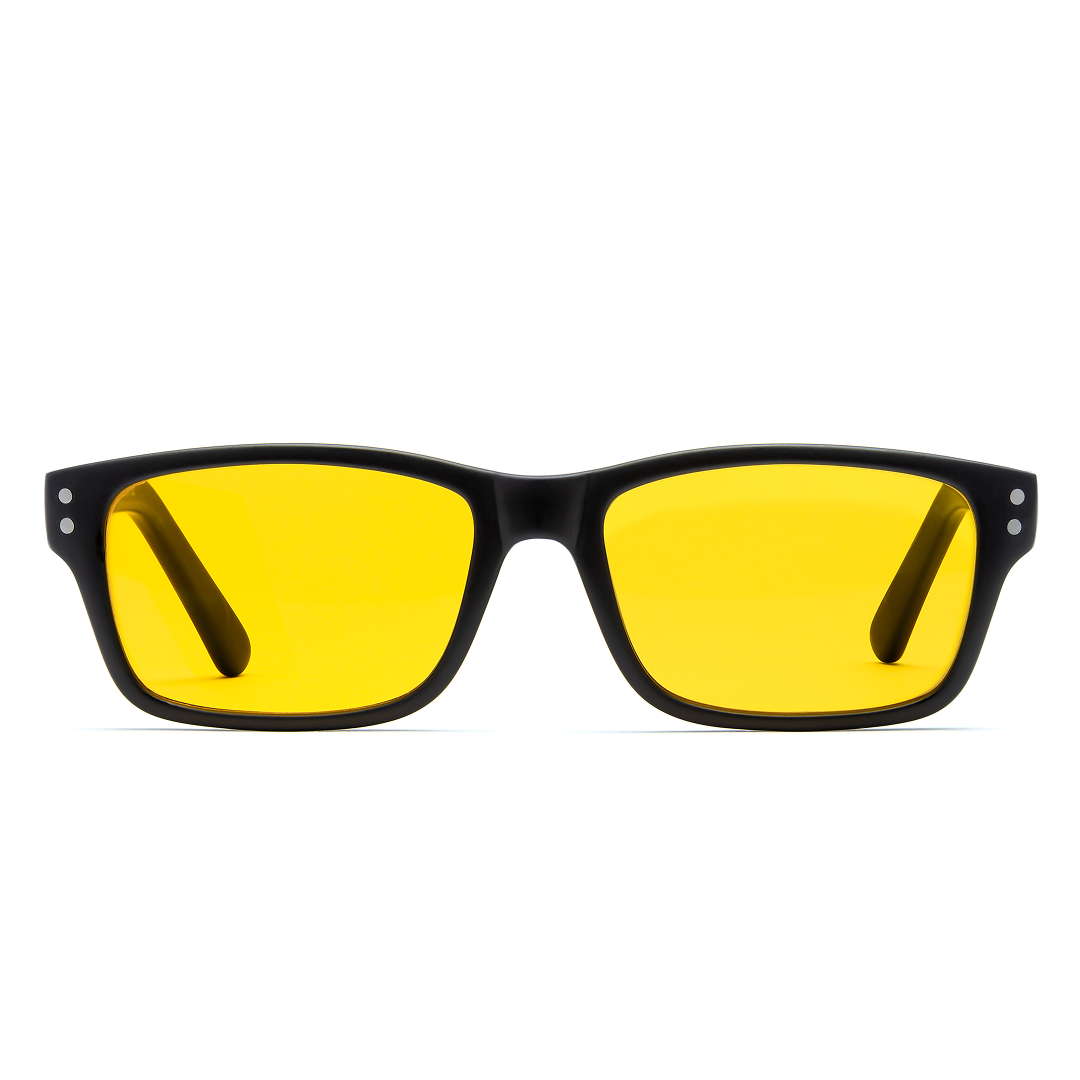
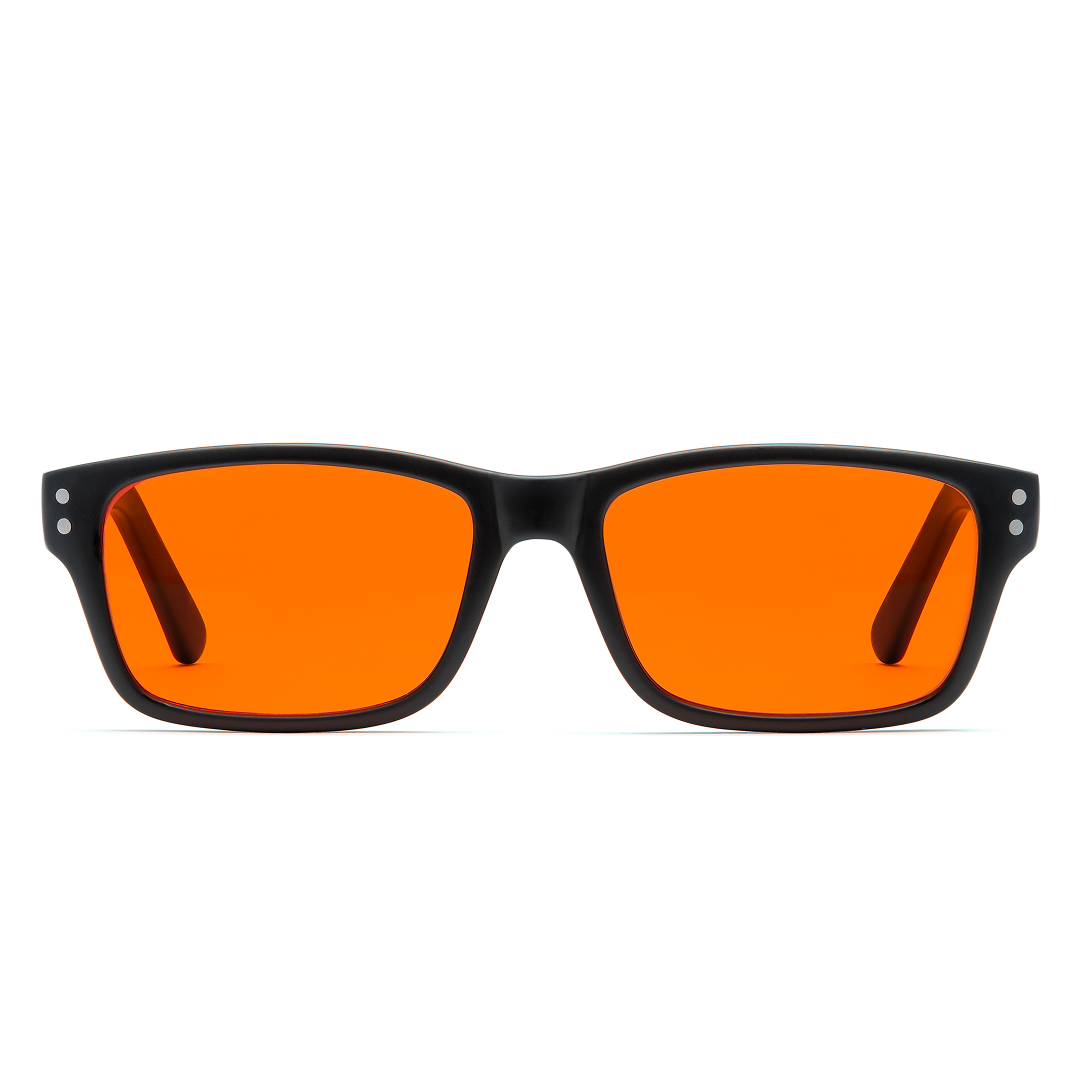
Block artificial light after sunset by wearing blue light blocking glasses and covering skin from artificial light:
-
Circadian rhythm disruption increases the risk of cardiovascular disease and hence any artificial blue light exposure after sunset through the eyes or skin (because blue light melanopsin photoreceptors are found in the eye and skin) will increase the risk of CVD and related conditions. Disruption of light/dark cycles, which can be caused by artificial light exposure, may affect cardiovascular function and contribute to cardiac remodelling, potentially exacerbating conditions like myocardial infarction.
-
Minimize or eliminate exposure to non-native electromagnetic fields (nnEMFs) – This includes radiofrequency radiation such as Wi-Fi, 5G, Bluetooth, Satellite, smart electricity meters or any other wireless communication. It also includes any alternating current (AC) electric or magnetic fields such as from the copper wires in the walls of your home, solar inverters, power distribution lines out the front of the house, or dirty electricity. NB: If you need a clotting drug, you are, BY DEFINITION already blue light toxic, overdosed with nnEMFs, and get far too little sun on all parts of your body.
-
Studies suggest that long-term exposure to radiofrequency electromagnetic radiation may contribute to adverse effects on the cardiovascular system, including increased systolic and diastolic blood pressure, total cholesterol, and low-density lipoprotein cholesterol, potentially leading to a greater chance of becoming hypertensive and dyslipidaemia.
-
Non-thermal effects of microwave exposure at 2.4 GHz, a frequency used extensively in wireless communication, have been shown to disrupt normal calcium signaling response in human cardiomyocytes and provoke apoptosis, potentially impacting cardiac function and survival.
-
Using cold thermogenesis via cold exposure therapy – Cold exposure:
-
vascularisation, circulation, brown fat activation, mitochondrial biogenesis, heat shock and cold shock protein activation (such as HSP70), activate barro receptors and stimulate the vagus nerve which both stimulate the parasympathetic side of the nervous system, increase lipolysis which is the conversion of white adipose fat to brown adipose fat and at the same time break down triglycerides, lower inflammatory cytokines, improve HDL levels and increase the production of sub-cellular melatonin in every mitochondria experiencing the cold stimuli. There is an optimal biological temperature window to see the biggest benefits for healthy people and that is between 50-55F or 10-12C for a minimum of 10 minutes. But for those who are not used to cold water immersion, they can begin at any temperature cooler than body temperature for 10 minutes and then slowly lower the temperature each day or week until they can reach the biologically optimal window.
-
-
Improves the thermodynamics of the body.
-
Raising metabolic rate leading to weight loss and metabolic efficiency
-
Improving mitochondrial function (ATP production and internal water production)
-
Stimulating the body to produce infrared light internally. This infrared light, as Dr. Gerald Pollack has shown, builds fourth-phase coherent domain structured water within the body to allow DC electrical charge to flow around the entire body far more efficiently, improving.

-
Heat (sauna) or red light (PBM) therapy – There are many benefits of visible and non-visible red-light therapy including:
-
Increased melatonin secretion by the pineal gland and production by the mitochondria.
-
Tissue regeneration, lowered inflammation, and reduction in pain via an increase ATP production in the mitochondria.
-
Stimulation of neurotransmitters and hormones in the gut including serotonin, leptin, and ghrelin. Increasing the availability of neurotransmitters, activating the brains immune system, increased blood flow and removal of toxins.
-
Modulation of the microbiome – Microbes in the gut are sensitive to light energy and respond to light energy with differences in growth, migration and proliferation of the different species.
-
Increased blood circulation and reduced blood pressure leading to many benefits including a reduction of anxiety and brain fog. Better blood motility faster healing.
-
Modulation of the Vagus Nerve – Stress management, social communication, and motor and sensory impulse to every part of the body.
-
Stem Cell Stimulation/Production – Chondroblasts, synovial, mesenchymal, osteoblasts, fibroblasts.
-
Promotion of detoxification and activation of detoxification pathways such as perspiration.
-
Improved Mood and Neurotransmitter Function – Post Traumatic Stress Disorder (PTSD) and Major Depressive Disorder (MDD).
-
Boosted immune system function.
-
PBM increases muscle mass gained after training and decreases inflammation and oxidative stress in muscles. (shown with biopsy’s).
-
Low carb high fat (LCHF) diet:
-
Reducing processed sugars, proinflammatory foods like lectins, modified grains, nightshade vegetables, and so on.
-
Prioritising seafood and green leafy vegetables in season.
References:
-
Mitochondrial dysfunction link to cardiovascular disease and other metabolic diseases – https://pubmed.ncbi.nlm.nih.gov/18309108/
-
Nearly 75 percent of patients hospitalized for a heart attack had cholesterol levels that would indicate they were not at high risk for a cardiovascular event, based on current national cholesterol guidelines – https://www.uclahealth.org/news/most-heart-attack-patients-cholesterol-levels-did-not-indicate-cardiac-risk
-
Link between high cholesterol and heart disease 'inconsistent', new study finds – https://www.sciencedaily.com/releases/2022/03/220314120702.htm
-
LDL cholesterol has no significant association with cardiovascular risk – https://www.ahajournals.org/doi/full/10.1161/CIR.0000000000000743
-
Dietary Cholesterol and the Lack of Evidence in Cardiovascular Disease – https://www.ncbi.nlm.nih.gov/pmc/articles/PMC6024687/
-
Here is a great video explaining the basics: https://www.youtube.com/watch?v=OyzPEii-wo0&t=4s&ab_channel=LowCarbDownUnder
-
Even Ancel Keys who started the big push demonising cholesterol was quoted saying “Changes in the composition of the diet are nore consequential” meaning reducing dietary cholesterol doesn’t’ give a benefit to preventing CVD, it’s more the other components of the diet like processed sugars that matter. Many of the studies showing increased risk of atherosclerosis or CVD are biased, flawed and contradictory to more recent studies including the 50-year Framingham Heart Study.
Sunlight lowers all-cause mortality
A growing number of cardiologists are realizing that hypercholesterolemia is relatively rare and 99% of people do not have mutations predisposing them to this condition. They are also realising the role of chronic inflammation and high triglycerides as key risk factors in a build-up of small dense LDL (sdLDL) and hence an increased risk of plaque buildup, atherosclerosis, cardiovascular disease and all other heart and blood conditions. Now that more cardiologists are testing hsCRP, sdLDL and Triglycerides along with HDL and LDL and using ratios to trend these results in patients, the prescriptions of statins should reduce. Proper testing and lifestyle management of individuals over the age of 50 is fast becoming the more reasonable path forward under the guide of your family doctor/general practitioner and/or specialist MD.
At BioSpectral, we are connected with some of the most forward thinking cardiologists who have been practicing this way for decades as they have kept up with the latest research papers in their specialty reforming their scientific opinion as the science moves into greater levels of understanding around heart disease and related conditions.
Included below are numerous studies, including meta-analysis showing all-cause mortality reduction with higher levels of ultraviolet sunlight exposure via the 25 hydroxy vitamin D serum testing. So high vitamin D and strong sunlight are clearly markers and environments worth considering if you're looking to lower your risk of death by any cause.
All-cause mortality is reduced by sunlight exposure:
-
http://ar.iiarjournals.org/content/38/2/1173.full
-
https://www.outsideonline.com/2380751/sunscreen-sun-exposure-skin-cancer-science
-
https://www.ncbi.nlm.nih.gov/pmc/articles/PMC4103214/
-
https://www.medscape.com/viewarticle/748744
-
http://www.liveinthenow.com/article/vitamin-d-shown-to-lower-all-cause-mortality-by-nearly-thirty-percent
-
https://www.bmj.com/content/348/bmj.g3656
-
https://www.vitamindcouncil.org/large-meta-analysis-suggests-high-vitamin-d-status-reduces-all-cause-mortality/#.XJtNjYrQiUk
-
https://academic.oup.com/jcem/article/102/7/2136/3764364
-
https://vitamindwiki.com/Vitamin+D+and+mortality+a+meta-analysis+of+RCT+-+2008 – Vitamin D supplementation
-
https://www.medicalnewstoday.com/articles/278323.php\
-
A large study using the UK Biobank cohort found that vitamin D deficiency and insufficiency were strongly associated with all mortality outcomes. Regular vitamin D supplement users had 10% lower all-cause mortality, and 11% and 29% lower cancer and respiratory disease mortality, respectively. https://pubmed.ncbi.nlm.nih.gov/36208176
-
avoidance of sun exposure was a risk factor for all-cause mortality, with the mortality rate among sun avoiders approximately twofold higher compared to the highest sun exposure group. https://pubmed.ncbi.nlm.nih.gov/24697969
-
The European Society for Clinical and Economic Aspects of Osteoporosis and Osteoarthritis (ESCEO) has stated that desirable 25(OH)D levels for optimal risk reduction in mortality have been explored in several epidemiologic studies, most of which suggested a continuous inverse relationship between increasing values of 25(OH)D and a lower risk of mortality. https://pubmed.ncbi.nlm.nih.gov/28390010
Additional studies supporting the many benefits of sunlight:
-
The importance of UV light in human health - https://academic.oup.com/endo/article/159/5/1992/4931051?fbclid=IwAR1JlJH_kQoSkQNn5lC8S2liPPCv5gtym8VNMHT8MdZ5FjsH5uRzSUSjzFg
-
The sun is healthy, makes you thinner, lowers blood pressure, etc - • http://www.dailymail.co.uk/health/article-3570267/New-research-reveals-sun-benefits-AREN-T-linked-vitamin-D.html
-
Low Vitamin D is associated with All-Cause-Mortality - https://www.researchgate.net/publication/259355114_Meta-Analysis_of_Long-Term_Vitamin_D_Supplementation_on_Overall_Mortality
-
Avoidance of the sun and use of sunscreen are the likely main reasons for low Vitamin D - https://www.sciencedaily.com/releases/2017/05/170501102258.htm
-
Sunscreens that block only UVB could result in reduction in vitamin D production after prolonged exposure, or even a destruction of vitamin D that has just been formed - https://pubmed.ncbi.nlm.nih.gov/27286277/
-
UVB light is important for eye health and tanning to protect against skin cancer - https://www.sciencedirect.com/science/article/pii/S0022202X15301160






Disclaimer
The information on this site is provided by BioSpectral Systems for educational and informational purposes only. It is not intended to diagnose, treat, cure, or prevent any disease and has not been evaluated by the U.S. Food and Drug Administration or any other regulatory authority. Always consult a qualified healthcare professional before making any changes to your health regimen. By using this site, you acknowledge that you do so at your own discretion and agree that BioSpectral Systems, its affiliates, and contributors are not liable for any outcome resulting from the use of the information presented.
Share:
What is Leptin? Only the Most Important Hormone to Human Health
Do Blue Light Glasses Work? Why Your Clear Blue Light Glasses May Be Doing Nothing