


Sleep Is an Electrical, Hormonal, and Photonic Event
Sleeping is not simply the absence of wakefulness, it's a deeply orchestrated biophysical state governed by circadian rhythms, electromagnetic signaling, mitochondrial energetics, and quantum coherence. At the core of this nightly transformation lies the body’s ability to interpret light and darkness, regulate redox potential, and modulate neuroendocrine function in alignment with environmental cycles. The pineal gland doesn’t merely secrete melatonin; it transduces light-dark cycles into hormonal cascades that influence mitochondrial efficiency, immune function, and even cellular cleanup via autophagy. Structured water, electrical gradients, temperature shifts, and photonic signaling all synchronize to initiate the sleep state and maintain it through the night. Sleep is not passive, it’s an active recalibration of the body’s internal environment, driven by light, magnetism, and metabolic rhythms.
A Growing Epidemic of Sleep Dysfunction
Despite its biological precision, sleep has become chronically fragmented for millions. Modern life, marked by pervasive artificial lighting, digital overstimulation, EMFs, blue light exposure after sunset, and disrupted eating schedules, interferes with the very signals that enable restorative sleep. Over 50–70 million Americans are estimated to suffer from sleep disorders, and nocturnal awakenings are increasingly normalized, especially waking to urinate. Yet this is not a benign habit, it’s often a symptom of disrupted circadian hormone regulation.
Sleep disturbances are now strongly linked to increased risk of obesity, cardiovascular disease, insulin resistance, depression, and neurodegenerative decline. As your own documentation outlines, quality sleep is deeply interwoven with vasopressin dynamics, light exposure, hormonal signaling, and the energetic balance maintained by mitochondria. With aging, poor light hygiene, and circadian misalignment, vasopressin production falters, melatonin drops, cortisol rises inappropriately, and the deep, regenerative processes of sleep are lost. Understanding these disruptions through a biophysical lens is not only empowering, it’s essential for reversing the modern sleep epidemic to a more productive sleeping habit.
A major reason for widespread sleep dysfunction today is the chronic overactivation of the nervous system caused by environmental overstimulation. Bright screens, fast-paced routines, constant dopamine hits from social media, and processed food-induced glucose spikes all heighten sympathetic activity. Even subtle cues like erratic noise, urban lighting, EMFs, and information overload create a state of biological vigilance. When the nervous system is chronically activated, the body cannot drop into true rest. High cortisol is one of the biggest blockers of quality sleep, especially if it remains elevated in the evening. One simple solution is to enter a darkened bedroom 30 minutes before sleep, free of stimulation, to signal to the body that sleep is approaching. This promotes the conversion of serotonin to melatonin, while ATP-generated adenosine builds up across the day. Think of adenosine as the stopwatch, the more energy you produce and use during the day, the more adenosine accumulates, opening the doorway to sleep pressure at night. As melatonin rises, it supports GABAergic activity in the brain, slowing down excitatory signaling. Brainwave patterns gradually shift from alpha to theta to delta, creating 3–5 complete sleep cycles through the night, including deep sleep, REM, and light sleep. Sleeping is not passive, it’s an energetically demanding process that rewires the nervous system, clears metabolic waste, and restores neuroendocrine harmony.
During sleep, especially in the early night, oxygen regulation plays a critical role in neural maintenance and mitochondrial recovery. As dopamine drops, individuals with poor mitochondrial function or compromised dopaminergic systems may experience restless leg syndrome (RLS) or nighttime movement disorders. These are early signs of disrupted midbrain dopaminergic tone, which can be exacerbated by artificial lighting and circadian misalignment. In the morning, exposure to full-spectrum sunlight, especially UV, is critical to rebuild dopamine via tyrosine hydroxylation. This light exposure also stimulates melanin biosynthesis, which in turn supports mitochondrial function, water structuring, and hydration at the cellular level. The same light helps reverse depressive symptoms by increasing serotonin in the gut-brain axis, particularly when paired with whole, real foods. As noted in our sleep apnea work, oxygen restriction during sleep is often a protective adaptation to prevent excessive reactive oxygen species (ROS) in energy-deficient cells. This is the body’s effort to conserve its dwindling redox potential. Supporting mitochondrial repair through light, nutrient timing, and environmental cleanup is the most sustainable path to resolving these deeper imbalances, restoring oxygen tolerance, and allowing dopamine to regenerate without pharmacological interference.
Introduction to Vasopressin
The biophysical cascade involving vasopressin, dopamine, leptin, and melatonin is tightly linked to circadian integrity and metabolic signaling. Vasopressin, known as antidiuretic hormone, rises during sleep to help concentrate urine and conserve water. Its secretion is modulated by the sleep-wake cycle and relies on the decline of dopamine at night. When the brain transitions into sleep, dopamine levels drop naturally, permitting vasopressin to rise. However, this only occurs properly if the hypothalamus is not disrupted by artificial light, food intake, or technology near bedtime. After sunset, if insulin is spiked due to late eating or blue light exposure, leptin signaling is suppressed. Since vasopressin and prolactin require adequate leptin sensitivity and melatonin to surge, any interference from environmental stressors delays or blocks this natural endocrine orchestration. Both melatonin and leptin need three to four hours of relative darkness across the eye, skin, and gut to suppress melanopsin activation. Only in a dim, low-lux environment can prolactin peak, enabling growth hormone to initiate autophagy and allow vasopressin to complete its sleep-related repair duties.

How Vasopressin (ADH) Regulates Nighttime Urination & Sleep Continuity
Vasopressin, also known as antidiuretic hormone (ADH), is critical for fluid balance and nocturnal urine concentration. If functioning optimally, vasopressin ensures sleeping through the night without waking up to urinate, even if we drink significant amounts of water before bed. However, in reality, this is influenced by multiple physiological factors.
1. The Role of Vasopressin (ADH) in Nighttime Fluid Regulation
-
Vasopressin is secreted by the posterior pituitary in response to rising plasma osmolality (concentration of solutes in the blood) and circadian signals.
-
At night, vasopressin secretion naturally increases, reducing urine production and promoting water reabsorption in the kidneys.
-
This allows the body to maintain hydration without excessive nocturnal urination, so ideally, we should wake up with a full bladder but not an urgent need to urinate after 6-8 hours.
2. Is It True That If Vasopressin Is Optimal, We Won’t Wake Up to Pee?
Yes, if vasopressin function is optimal, a person should be able to sleep through the night even with significant water intake before bed. However, this is not an absolute guarantee, as other factors can override vasopressin’s effects:
-
Bladder capacity: Some individuals have smaller bladder volumes or heightened sensitivity to stretch receptors.
-
Aging: Vasopressin secretion declines with age, leading to increased nighttime urination (nocturia).
-
Circadian disruption: Blue light exposure at night suppresses vasopressin release, potentially increasing urine output.
-
Dietary & metabolic influences: High sodium intake, alcohol, or caffeine can suppress vasopressin, increasing urine production.
3. Scientific Evidence: Does ADH Truly Prevent Nighttime Urination?
-
A study in the Journal of Clinical Endocrinology & Metabolism (2017) confirmed that vasopressin secretion follows a circadian rhythm, increasing at night to reduce urine output.
-
Research in Nephrology Dialysis Transplantation (2019) found that individuals with vasopressin deficiency or resistance (e.g., diabetes insipidus) experience frequent nighttime urination regardless of water intake.
-
A 2021 study in Sleep Medicine found that blue light exposure and melatonin suppression reduced nocturnal vasopressin release, leading to increased night-time wakefulness and urination.
4. What Happens if You Drink a Lot of Water Before Bed?
-
If vasopressin is fully functional, the kidneys will reabsorb most of the water during sleeping, and you won’t wake up to urinate until morning.
-
However, if vasopressin release is suboptimal, or if other factors override its effect (e.g., large bladder volume, circadian disruption), the excess fluid will lead to waking up to urinate.
Ideal vs. Reality
In an ideal physiological state, with optimal vasopressin secretion and circadian alignment, one should be able to drink water before bed and sleep uninterrupted for 6-8 hours, waking with a full bladder but no nighttime urgency. However, factors like age, circadian health, dietary intake, and metabolic function can override vasopressin’s effects, making nighttime urination more likely. This doesn’t have to be your reality, now that you know the fix.
Conclusion: How to Stay Asleep Through the Night
While falling asleep requires alignment with nature’s rhythms, deep sleeping demands that internal cues remain uninterrupted by external or internal stressors. Most nighttime awakenings are not caused by sleeping disorders but by subtle mismatches between the body’s expectations and the modern environment. Thermoregulation is one often-overlooked factor: a slight drop in core body temperature is necessary to maintain deep sleep, yet synthetic bedding, indoor heating, or EMF-induced mitochondrial heat can blunt this cooling effect. Ensuring a cool, dark, and electrically clean sleeping environment free from Wi-Fi, charging phones, and unshielded electronics helps preserve vasopressin release, minimizes ROS buildup, and supports the slow-wave repair cycles essential for brain detoxification and hormonal recalibration. Additionally, excessive water loss from mouth breathing can disrupt hydration signals and trigger early waking; nasal breathing through the night, supported by decongesting rituals, taping, or nasal dilators, helps prevent this sympathetic arousal.

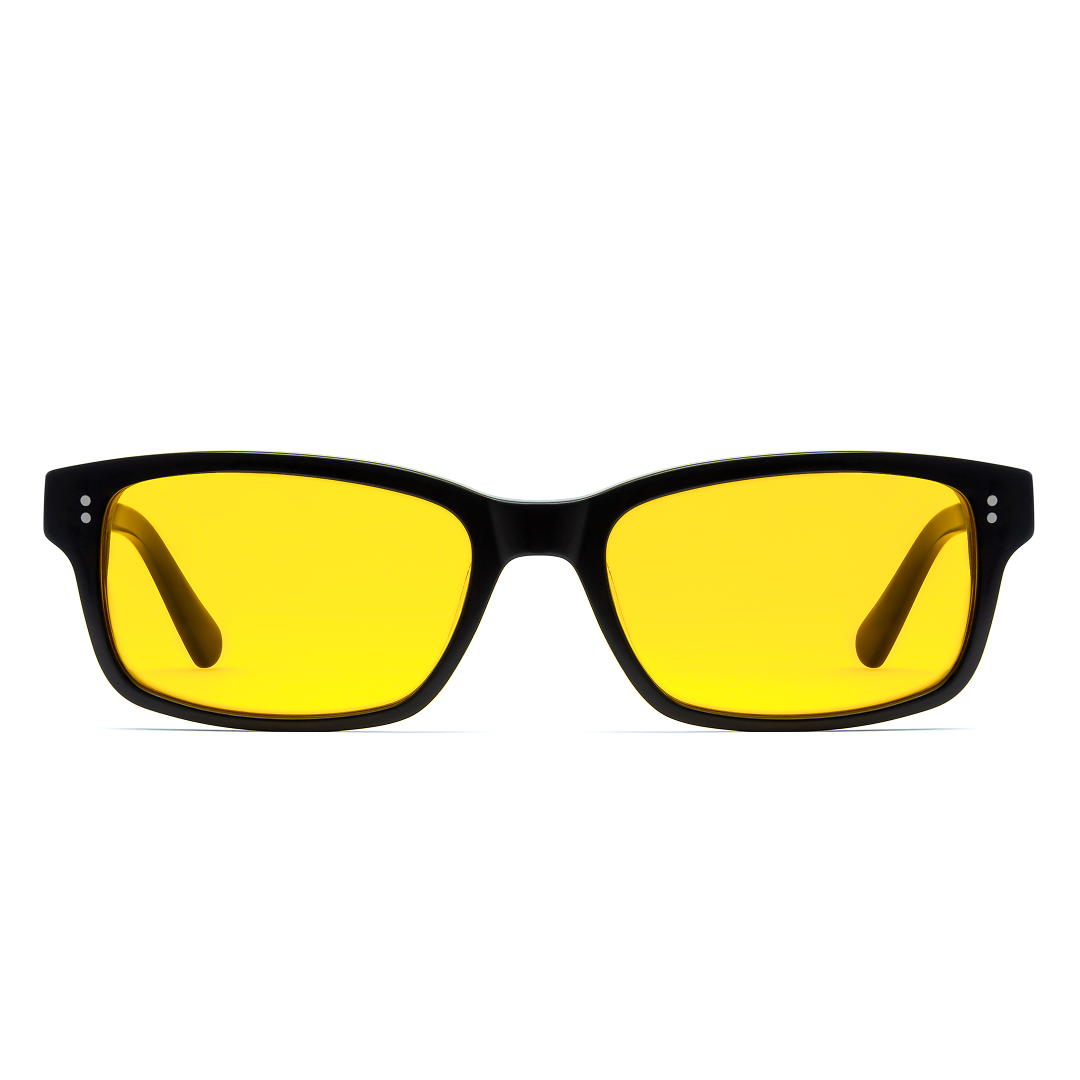
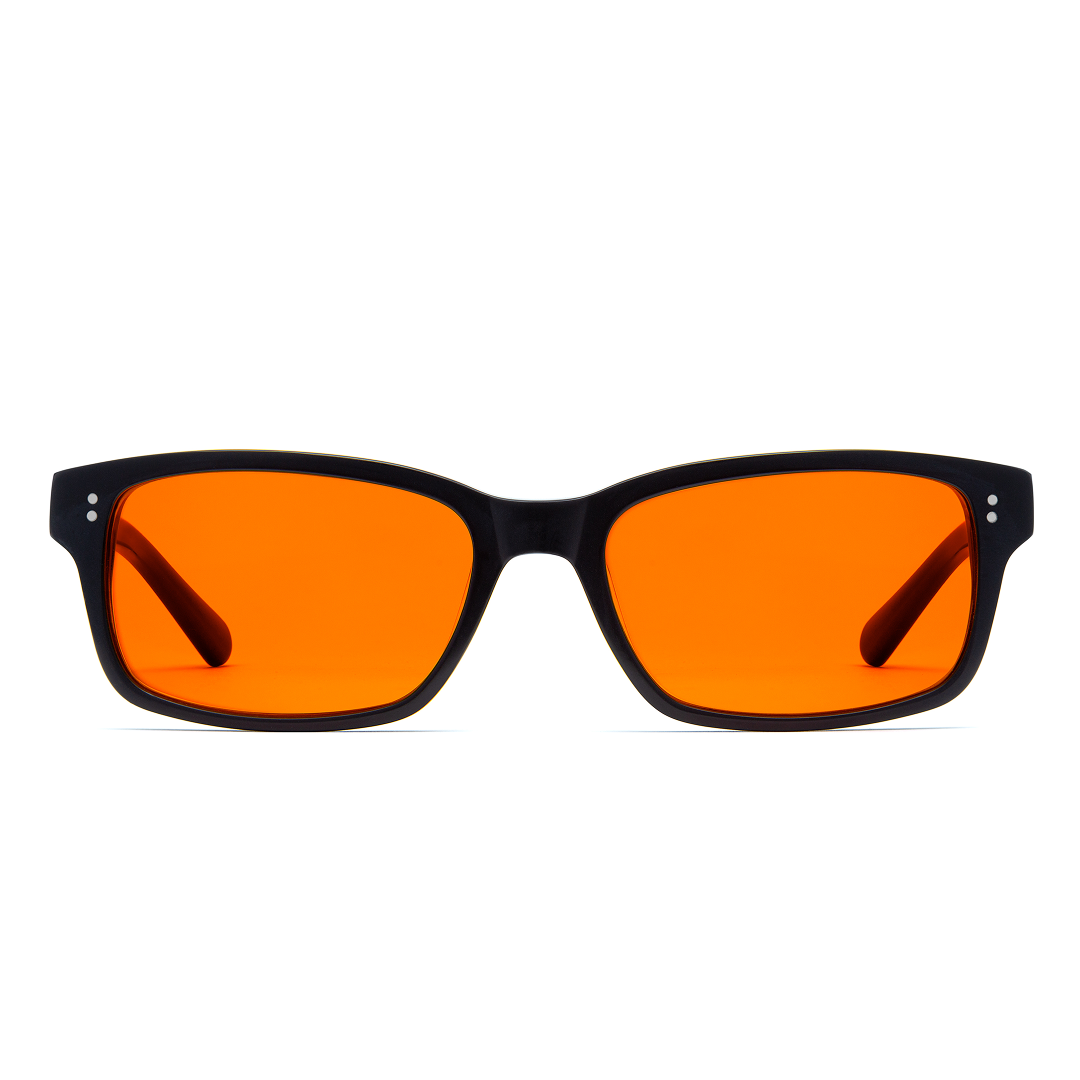
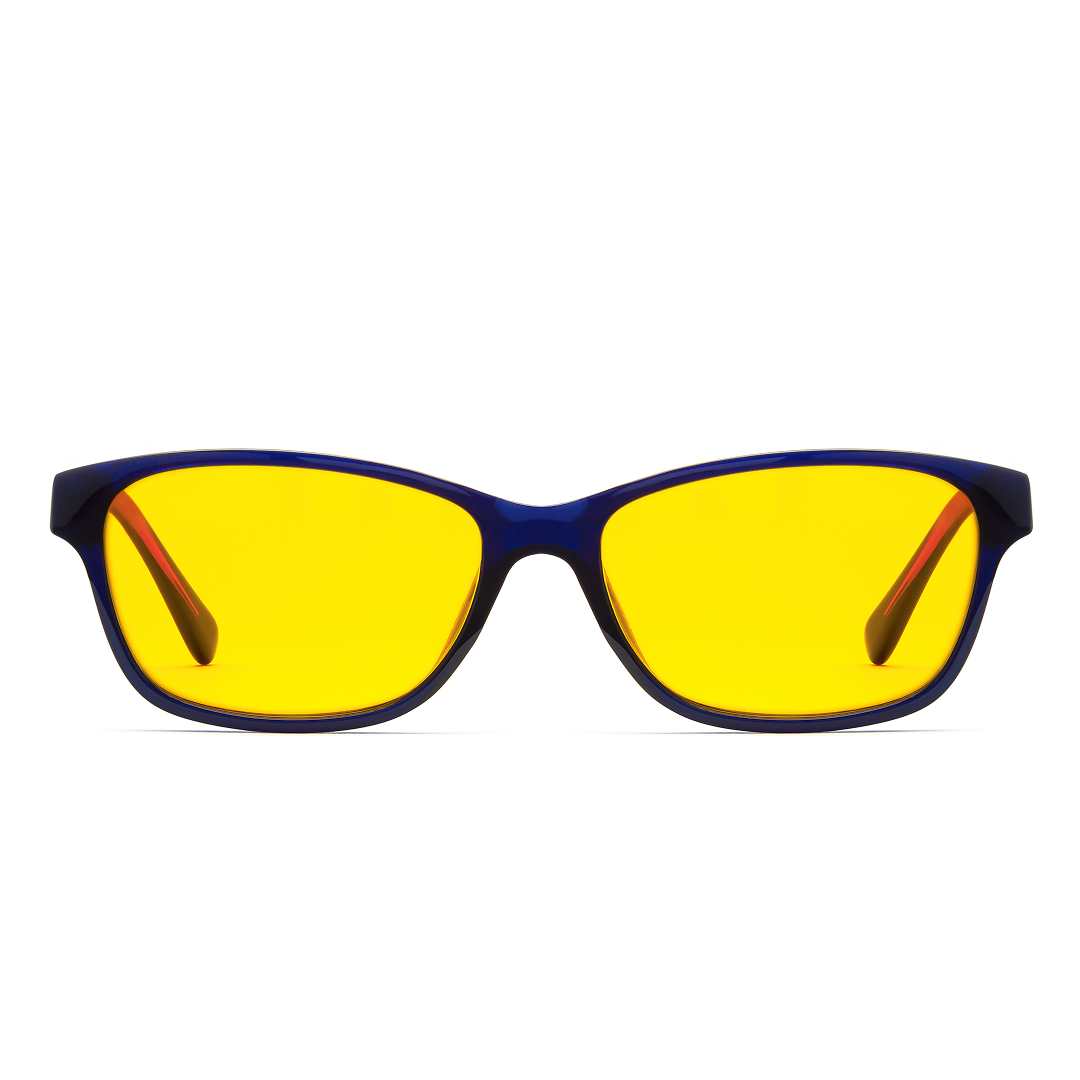
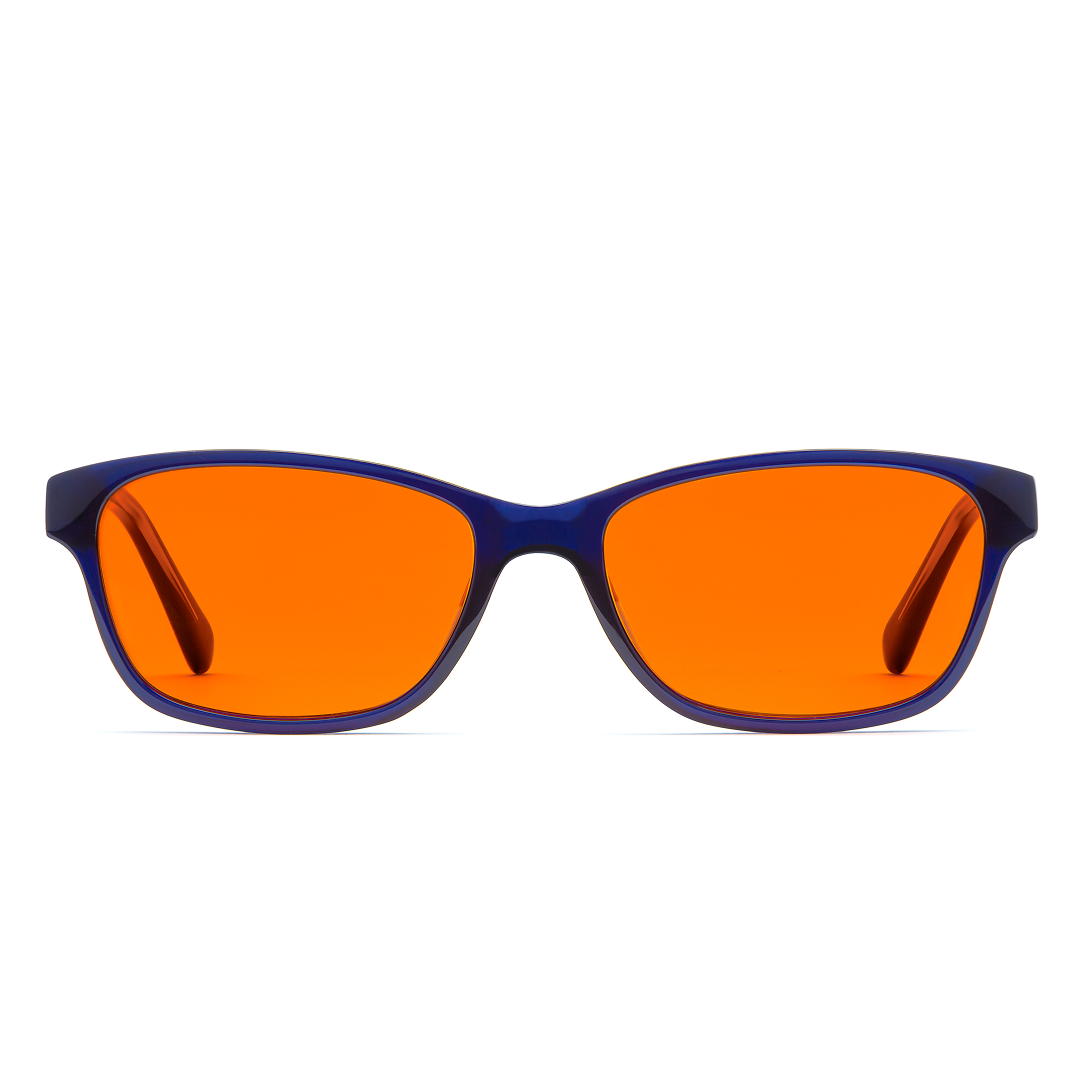
Equally critical is maintaining metabolic and photonic coherence into the early morning hours. Low blood sugar drops from late caffeine, alcohol, or inadequate evening nutrition can create an adrenal rebound that spikes cortisol and disrupts melatonin’s dominance. Similarly, mitochondrial mismatch caused by indoor artificial lighting delays the body’s signal to fully remain in parasympathetic repair mode. To stay asleep, one must prepare the internal terrain for silence this includes dimming artificial light 2–3 hours before bed, wearing orange-lensed blue light blocking glasses to prevent melanopsin activation, avoiding glucose spikes, stabilizing electrolytes, grounding the body electrically, and cultivating safety through ritual. Sleeping grounded to the Earth using a properly filtered ground connection, ideally assessed by a building biologist, helps stabilize electrical charge, reduce nighttime sympathetic tone, and enhance cellular recovery. Staying asleep is not just a biological function it is a byproduct of wholeness, where the nervous system feels no threat, the energy system feels no depletion, and the brain is allowed to surrender into trust. The more aligned we are with light, magnetism, and the Earth's signals, the more effortless uninterrupted sleep becomes not through force, but through deep biological permission.
References:
- Pathophysiological Mechanisms of Nocturia and Nocturnal Polyuria: The Contribution of Cellular Function, the Urinary Bladder Urothelium, and Circadian Rhythm. Urology. 2019.https://pubmed.ncbi.nlm.nih.gov/31369749
-
Disruption of Circadian Rhythm as a Potential Pathogenesis of Nocturia.Nature Reviews. Urology. 2025.
-
Renal Physiology of Nocturia. Neurourology and Urodynamics. 2014.


Disclaimer
The information on this site is provided by BioSpectral Systems for educational and informational purposes only. It is not intended to diagnose, treat, cure, or prevent any disease and has not been evaluated by the U.S. Food and Drug Administration or any other regulatory authority. Always consult a qualified healthcare professional before making any changes to your health regimen. By using this site, you acknowledge that you do so at your own discretion and agree that BioSpectral Systems, its affiliates, and contributors are not liable for any outcome resulting from the use of the information presented.
Share:
Autism Disorder: Red and Infrared Light Photobiomodulation
Benefits of Blue Light Glasses: Why Blue Light Protection Is So Important (And So Uncommon)