

 Cancer cells exhibit a fundamentally altered metabolic landscape, largely driven by their need to sustain rapid proliferation and evade apoptosis. A key player in this transformation is deuterium (²H), the heavy isotope of hydrogen, which when a cell is under bioenergetic stress can enter the mitochondria and disrupt function, energy generation, alter intracellular pH regulation, and interfere with proton tunneling, leading to the infamous "Warburg effect" of cancer metabolism. The bioenergetics of the cell can be disrupted by many environmental and epigenetic influences such as indoor living, disconnecting from the earth’s surface for extended periods of time, mal-illumination or lack of full spectrum light exposure, over exposure to toxins, chemicals or artificial visible and non-visible lighting, processed food consumption or even poor sleep quality. All of these drop voltage on the cell membrane which normally prevents deuterium from entering the cytosol and being fed into the proton gradient within our energy and water generating power plants in our cells called mitochondria.
How Deuterium Alters Mitochondrial Function
-
ATP Synthase Disruption: The mitochondrial ATP synthase (F1F0-ATPase) is designed to work with protons (H⁺), but deuterium, being twice as heavy, impairs its function. This leads to inefficient ATP production and increases reactive oxygen species (ROS) generation. Think about it like instead of using oil to Greece your bicycle tires, you use clay. Those tires won’t turn very well.
-
Electron Transport Chain Dysfunction: Deuterium slows proton tunneling and interferes with NADH/NAD+ balance, causing mitochondrial electron leakage and oxidative stress, further damaging cellular respiration. Think about this as instead of your phone operating with a battery that can charge up to 100%, this deuterium loaded charge-separated battery in your mitochondria can only charge up to 50%.
-
Metabolism switches to Glycolysis: To avoid mitochondrial ROS buildup and energy inefficiency, cancer cells shift their metabolism toward glycolysis (fermentation) instead of oxidative phosphorylation, this is known as the Warburg effect. Your cells become very inefficient and can no longer allow you to operate optimally, and instead all bodily functions drop, very quickly turning you from the potential of an Olympic athlete to capping your potential at an overweight couch potato (not literally, but in this state of glycolysis, the cell loses most of its potential and turns to basic survival).
pH and Acidification: The Role of Lactate and V-ATPase
-
Lactate Secretion: Cancer cells generate excessive lactate, which helps acidify the extracellular environment (pH ~5.6–7.0), allowing them to invade tissue and avoid immune detection.
-
Vacuolar ATPase (V-ATPase) Misuse: Instead of its normal role in lysosomal function, cancer cells relocate V-ATPase to the plasma membrane, where it pumps protons (H⁺) out and retains deuterium inside the cell, further favoring glycolysis and preventing normal oxidative phosphorylation.
Deuterium Concentration in Cancer Cells
-
Deuterium is concentrated inside the cytoplasm cytosol of cancer cells while deuterium-depleted protons (H⁺) are expelled.
-
Cancer cells grow faster in high-deuterium environments and undergo apoptosis when exposed to deuterium-depleted water (DDW).
-
High deuterium accelerates tumorigenesis, while DDW shifts the balance toward apoptosis, restoring mitochondrial function and allowing immune cells to destroy tumors.
So it is not so much about adding more hydrogen, but more about depleting the deuterium in this cancer state.
Benefits of Hydrogen for Human Health
Hydrogen is fascinating it acts as a selective antioxidant, neutralizing excessive reactive oxygen species (ROS) while sparing beneficial signaling molecules. Why does this matter? Because in cancer, excessive ROS drives DNA damage, altered metabolism, and uncontrolled proliferation. Hydrogen may also reduce inflammation and enhance mitochondrial efficiency, indirectly supporting cellular health and coherence.
Cancer’s Biophysical Traits
Let’s talk about what cancer cells really look like:
-
Excessive ROS and biophoton release: Their redox balance is out of control, damaging cellular signaling and encouraging chaotic, unstructured growth.
-
Altered energy production: Cancer cells do use the electron transport chain (ETC), but inefficiently. They rely heavily on glycolysis, even in the presence of oxygen (the Warburg effect), producing less ATP and more oxidative stress as metabolic exhaust.
-
Low voltage and coherence: These cells lack structured water, exhibit weak mitochondrial membrane potential (low redox), and have poor intercellular communication.
-
High deuterium levels: This is where it gets really interesting deuterium, a heavy form of hydrogen, disrupts mitochondrial nanomotors, slowing proton flow and further degrading energy efficiency.
Deutenomics: The Real Hydrogen Issue
Here’s the critical point: cancer cells don’t have a hydrogen shortage, they’re burdened by an excess of deuterium. Deuterium disrupts mitochondrial ATP production by clogging the nanomotors that generate energy. This inefficient respiration feeds the Warburg effect, leaving cells in an energetically stressed, chaotic state.
How do we know this? Researchers like Dr. Gabor Somlyai and Dr. Laszlo Boros have shown that deuterium-depleted water (DDW) temporarily improves mitochondrial function by reducing the deuterium load. It restores some efficiency, reverses elements of the Warburg effect, and helps inhibit cancer progression. While it doesn't fully address the systemic biophysical issues, it fixes a critical upstream metabolic bottleneck, allowing the body to function more effectively in the short term.
Scientific Evidence for Hydrogen Treatments
-
Hydrogen water: Studies by Shigeo Ohta (2007) demonstrated that hydrogen-rich water reduces oxidative stress and improves cellular redox states, indirectly supporting cancer therapy.
-
Hydrogen inhalation: Research (Xie et al., 2014) shows that inhaling hydrogen gas reduces tumor size in animal models by targeting excessive ROS and inflammation.
-
Combination with treatments: Hydrogen therapy has been shown to protect healthy cells during chemotherapy or radiation, enhancing treatment efficacy (Qian et al., 2019).
While these scientific benefits are becoming more well understood and applied in alternative oncology treatments, deuterium depletion is a much better solution as you can now see.
By addressing deuterium levels and leveraging hydrogen's selective antioxidant properties, we can improve cellular coherence and energy balance. This shifts the focus from treating symptoms downstream to targeting the root biophysical issues upstream, though solutions like DDW remain temporary fixes without broader systemic alignment.
Going Deeper into Deuterium
Deuterium-depleted water (DDW) is produced naturally within the human body through a range of metabolic, enzymatic, and redox-driven processes. These processes, primarily localized to mitochondria and other redox-active regions, have evolved mechanisms that preferentially favor the lighter hydrogen isotope, protium (¹H), over deuterium (²H), thereby producing water with a lower deuterium content. This selectivity protects vital cellular machinery such as DNA, mitochondria, and especially the ATP synthase nanomotor, which functions poorly in a deuterium-rich environment due to mass-related kinetic hindrance.
One of the most important sources of DDW in the body is mitochondrial matrix water produced via oxidative phosphorylation. In the electron transport chain (ETC), oxygen acts as the final electron acceptor and combines with electrons and protons to form water. Because ATP synthase operates via proton tunneling and charge separation, it preferentially uses protium, leading to the creation of DDW as a natural byproduct of mitochondrial respiration. This process is most efficient when mitochondrial health is optimal, supported by light (particularly red and infrared), nutrient sufficiency, and a clean intracellular environment.
Another major contributor is β-oxidation of fats, especially long-chain saturated fatty acids. When fats are oxidized inside the mitochondria, they generate a substantial amount of metabolic water that is naturally low in deuterium. This is because the carbon-hydrogen bonds in fats contain fewer deuterium atoms than those found in carbohydrates or proteins. As a result, individuals in ketosis, on high-fat diets, or during fasting periods generate more DDW internally, aiding mitochondrial performance and reducing oxidative stress.
Enzymatic detoxification reactions also contribute. Catalase, an enzyme housed in peroxisomes, breaks down hydrogen peroxide into water and oxygen (2H₂O₂ → 2H₂O + O₂). This reaction favors protium incorporation due to the kinetic isotope effect, contributing to a pool of lighter water. Similarly, superoxide dismutase (SOD) converts superoxide radicals (O₂⁻) into hydrogen peroxide, which is then neutralized by catalase. These cascades not only protect the cell from reactive oxygen species (ROS) but also participate in DDW creation during cleanup.
Moreover, melanin, the broadband biopolymer found in the skin, eyes, and brain, is involved in unique redox and photonic processes. When melanin quenches high-energy electrons or free radicals, particularly superoxide, it can release energy and, in some contexts, facilitate the generation of light and water as byproducts. Melanin has also been shown to split water into hydrogen and oxygen in response to light, a process that may selectively favor protium over deuterium, especially under natural sunlight exposure, further contributing to the body’s internal DDW pool.
In the nervous system, water is also released as a byproduct of neuronal firing and synaptic transmission. When neurons fire, ATP is rapidly consumed, especially at the sodium-potassium pumps, generating local metabolic water in the process. Because this water is mitochondrial in origin and arises from oxidative phosphorylation, it too tends to be relatively depleted in deuterium. In highly active regions like the brainstem or hippocampus, this can contribute significantly to maintaining low local deuterium concentrations, which is critical for preserving signal fidelity and protecting myelin and synaptic structures.
Additionally, transamination reactions in the liver, which convert amino acids into usable intermediates, often involve transfer of hydrogen atoms and favor protium over deuterium due to kinetic isotope discrimination. Similarly, the urea cycle, which detoxifies ammonia in the liver, indirectly supports DDW formation through its reliance on enzymes that select against deuterium.
Other processes such as breath condensation and sweat evaporation help rid the body of water, and since deuterium is slightly heavier, light water (H₂O) is preferentially lost via evaporation. Over time, this passive fractionation effect supports a body water pool that remains relatively deuterium-depleted, especially in individuals who are well-adapted to cold exposure, deep nasal breathing, and regular movement.
In sum, the body has evolved numerous overlapping mechanisms, metabolic, enzymatic, neurological, and photonic, that both produce and conserve deuterium-depleted water. These mechanisms are optimized when mitochondria are healthy, fat oxidation is prioritized, and environmental inputs like light, redox balance, and breath quality are aligned with natural rhythms. Recognizing and enhancing these internal DDW-generating processes may represent one of the most foundational strategies for protecting mitochondrial integrity and slowing the progression of aging and disease.
How to Reverse the Biochemical and Environmental Root Causes
To reinstate apoptosis and restore mitochondrial health, addressing both internal biochemical imbalances and external environmental factors is key:
Biochemical Strategies

-
Lower Deuterium Levels in the Body:
-
Consume deuterium-depleted water (DDW) (D levels < 80 ppm following Gabor Somlyai’s protocols in his book Defeating Cancer) to shift the metabolic balance toward apoptosis.
-
Prioritize fats over carbohydrates, as fats contain lower deuterium than sugars. Fasting and ketosis naturally deplete deuterium by utilizing fat metabolism rather than glycolysis.
-
Full spectrum light (UV-VIS-IR), Cold exposure, Sauna (perspiration) and having good gut motility and strong urinary stream during the day all deplete deuterium.
-
Enhance Mitochondrial Energy Efficiency:
-
Expose yourself to infrared light (850–3,000 nm) to restore cytochrome c oxidase function within the mitochondria in healthy cells around the tumor site.
-
Optimize DHA intake from seafood to improve photon-electron transfer in mitochondria.
-
Utilize cold thermogenesis to force mitochondrial biogenesis and increase H⁺/²H separation efficiency.
-
Correct pH and Ion Gradients:
-
Balance bicarbonate (HCO3−) levels to neutralize acidic tumor microenvironments.
-
Ensure your deuterium depleted water is structured (vortexed), mineralized and imprinted to improve proton tunneling efficiency.
Environmental Root Causes to Address
-
Eliminate Non-Native EMF Exposure: EMFs disrupt water structuring, increase intracellular deuterium, and alter V-ATPase activity.
-
Reduce Blue Light Exposure: Artificial blue light (450–480 nm) causes oxidative stress, depleting DHA and impairing mitochondrial signaling, especially on the eyes and skin.
-
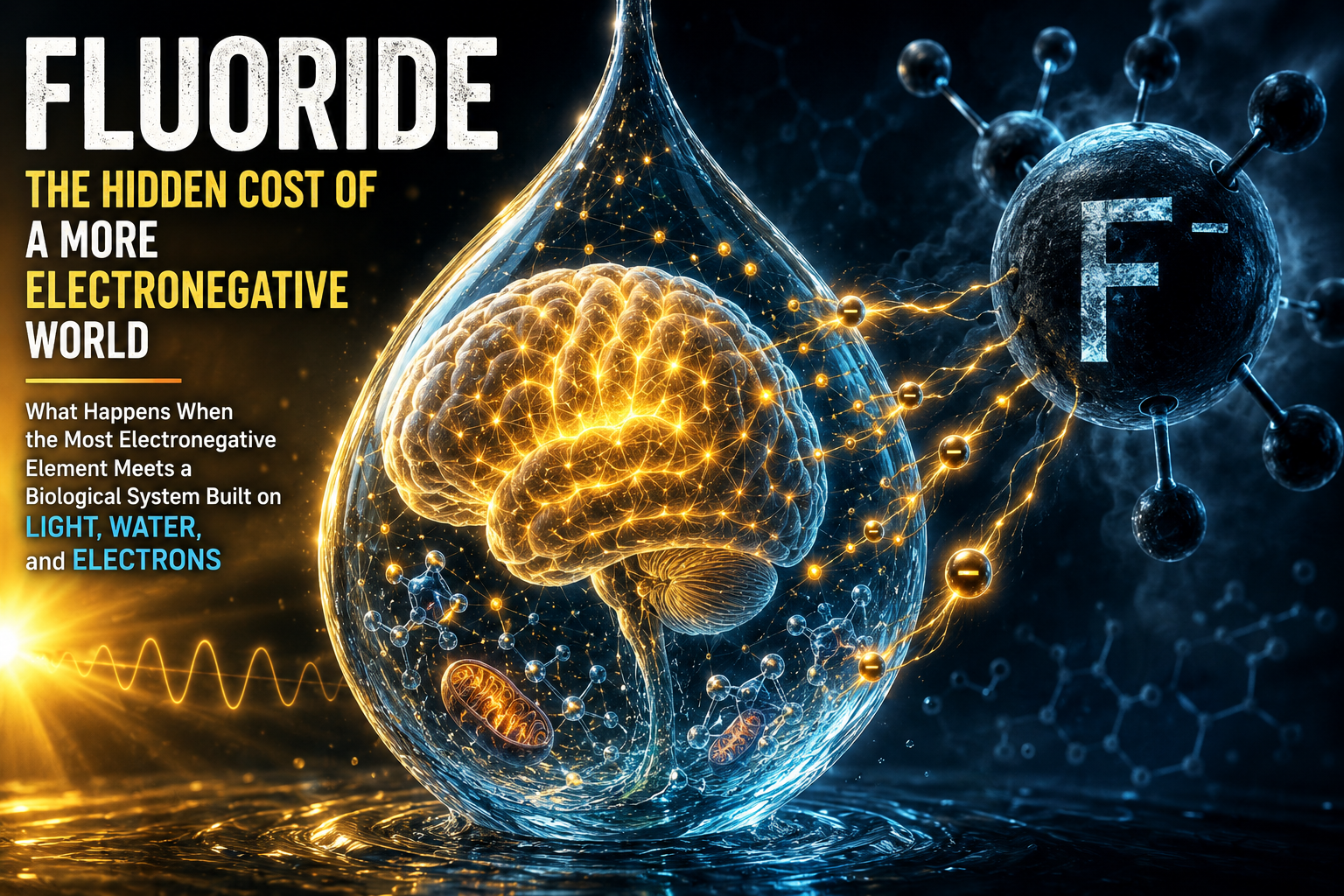
Avoid Fluorinated and Contaminated Water: Fluoride and industrial chemicals impair deuterium filtration mechanisms in the body. Add iodine loaded seafood to your diet to combat this in case some fluoride slips through into your system (i.e. showers, washing hands, etc).
By correcting these imbalances, apoptosis is reinstated, cancer metabolism is disrupted, and normal cellular function can be restored.

Key Scientific Papers & Resources
-
Deuterium Depleted Water as treatment for Cancer https://www.mdpi.com/2072-6643/16/9/1397
-
Deuterium and Mitochondria 2024 https://pmc.ncbi.nlm.nih.gov/articles/PMC11717795/#Abs1
-
Deuterium and Cancer 2025 https://www.sciencedirect.com/science/article/pii/S2666396125000019?via%3Dihub
-
Deuterium Depletion May Delay the Progression of Prostate Cancer
Journal of Cancer Therapy, 2011
https://www.scirp.org/journal/paperinformation?paperid=7799
This study demonstrates that deuterium-depleted water (DDW) can slow prostate cancer progression and enhance survival rates. -
Deuterium Depletion Inhibits Lung Cancer Cell Growth and Migration In Vitro and Results in Severalfold Increase of Median Survival Time of Non-Small Cell Lung Cancer Patients
Journal of Cancer Research & Therapy, 2021
https://nobleresearch.org/Content/PDF/1/2052-4994.2021-2/2052-4994.2021-2.pdf
This paper reports that DDW inhibits lung cancer cell growth and migration, leading to increased median survival times in patients. -
A Retrospective Evaluation of the Effects of Deuterium Depleted Water Consumption on 4 Patients with Brain Metastases from Lung Cancer
Integrative Cancer Therapies, 2008
https://www.ddcenters.com/wp-content/uploads/2017/05/Integrative-Cancer-Therapy_A-Retrospective-Evaluation-2-2008.pdf
This retrospective study evaluates the impact of DDW consumption on patients with brain metastases from lung cancer. -
Deuterium Depletion: A New Way in Curing Cancer and Preserving Health
Gábor Somlyai, 2022
https://www.scirp.org/reference/referencespapers?referenceid=3864610
This book summarizes decades of research on deuterium depletion and its therapeutic applications in cancer. -
Deuterium Depletion Delayed Hormone Therapy of Prostate Cancer
Journal of Clinical Review & Case Reports, 2021
https://www.researchgate.net/publication/355370171
This case report discusses how DDW consumption delayed the need for hormone therapy in a prostate cancer patient.nobleresearch.org+2researchgate.net+2deuteriumdepletion.com+2 -
Deutenomics: Proceedings of the National Academy of Sciences Article
László G. Boros, 2024
https://www.laszlogboros.com/post/deutenomika-proceedings-of-the-national-academy-of-sciences-cikk
This article introduces the field of deutenomics, focusing on the role of deuterium in biological systems and its implications for health. -
Dr. Gábor Somlyai: Lower Deuterium Levels Should Reduce the Risk of Cancer
HydroHealth DDW
https://hydrohealthddw.com/dr-somlyai-gabor-lower-deuterium-levels-should-reduce-the-risk-of-cancer/
An interview discussing the impact of deuterium levels on cancer risk and mitochondrial function.youtube.com -
Deuterium Depletion for Cancer & Diabetes with Dr. Gábor Somlyai
Regenerative Health Podcast, 2024
https://regenhealthpodcast.buzzsprout.com/2084049/episodes/14567837
A podcast episode exploring the therapeutic potential of deuterium depletion in cancer and diabetes.markets.financialcontent.com -
The MOST UNDER DISCUSSED Aspect Of Health: Deuterium | László G. Boros
GoIT Science
https://goit.science/the-most-under-discussed-aspect-of-health-deuterium-laszlo-g-boros/
A discussion on the significance of deuterium in health and disease. -
Deuterium Depletion Is the Key to Getting a Breakthrough in Cancer Therapy
Drug Discovery News
https://www.drugdiscoverynews.com/deuterium-depletion-is-the-key-to-getting-a-breakthrough-in-cancer-therapy-16039
An article highlighting the potential of deuterium depletion as a novel approach in cancer treatment. - Deuterium in Prostate Cancer: https://www.positivehealth.com/article/cancer/molecular-and-clinical-effects-of-deuterium-depleted-water-in-treatment-and-prevention-of-cancer?utm_source=chatgpt.com






Disclaimer
The information on this site is provided by BioSpectral Systems for educational and informational purposes only. It is not intended to diagnose, treat, cure, or prevent any disease and has not been evaluated by the U.S. Food and Drug Administration or any other regulatory authority. Always consult a qualified healthcare professional before making any changes to your health regimen. By using this site, you acknowledge that you do so at your own discretion and agree that BioSpectral Systems, its affiliates, and contributors are not liable for any outcome resulting from the use of the information presented.
Share:
How Light, Sleep, and Stress Shape Your Brain and Body: The Orexin Eye Prism
Blue Light and Sleep: How Does Blue Light Affect Your Children Sleep Habits?