

Fibromyalgia is a complex, multifactorial condition characterized by chronic widespread pain, fatigue, cognitive dysfunction, and sleep disturbances. Over the past three decades, its prevalence has risen dramatically, correlating with environmental and lifestyle changes, particularly the increased exposure to artificial visible and non-visible light from the use of technology screens, LED lighting and wireless device usage, AC power and indoor living. Globally, millions suffer from fibromyalgia, with estimates suggesting that it disproportionately affects women. The condition is not merely a musculoskeletal issue but reflects systemic dysfunction at the cellular and biophysical levels. We’ll explore the underlying mechanisms and contributors, emphasizing why standard interventions like pharmaceutical medication, low histamine or vegetarian/vegan diets, excessive detox protocols, certain exercise programs and supplementation or clinical treatments fail to address the root cause, highlighting the necessity of biophysics-based solutions.
Prevalence and Increasing Rates of Fibromyalgia
The global incidence of fibromyalgia has surged, aligning with a shift toward urbanization, technological dependence, and environmental disconnection. Studies reveal that the chronic stress of disrupted circadian rhythms and indoor lifestyles impairs mitochondrial function, which is central to fibromyalgia. Coupled with dietary shifts toward processed, low-electron-density foods, these changes have created an epidemic of conditions characterized by chronic fatigue, pain, and inflammation.
Cellular Dysfunction and Environmental Drivers
1. Mitochondrial Dysfunction
At its core, fibromyalgia is a mitochondrial disorder. Mitochondria, the energy and water powerplants of the cell, produce ATP through oxidative phosphorylation. In fibromyalgia, mitochondrial efficiency is compromised, often due to:
-
Impaired water production: Mitochondria fail to generate structured water necessary for cellular function, exacerbating oxidative stress and inflammation. What puts out an inflammatory fire, structured water.
-
Non-visible non-native EMF exposure: Non-native EMFs cause calcium signallning dysregulation, which depletes magnesium from cells and calcifies the cell cytoplasm leading to protein misfolding and dropping energy storage within the cell. They also falter the mitochondrial membrane electrical potential resulting in cells swelling and becoming more vulnerable to injury and disease. They also induce excessive oxidative stress which results in a constant state of mild inflammation opening up the doorway to chronic pain.
-
Diminished NADPH levels: The pentose phosphate pathway, essential for maintaining cellular redox balance and recycling glutathione, becomes inefficient, leading to inflammation and oxidative damage.
2. Light and Circadian Biology
Fibromyalgia sufferers experience disrupted circadian rhythms due to inadequate natural light exposure and excessive artificial unbalanced visible light (especially in the blue light spectrum from 435nm to 455nm). Key issues include:
-
Leptin resistance: Circadian misalignment impairs leptin signaling (body to brain energy accounting connection), which governs total body energy distribution and metabolism. When leptin is off, body composition is suboptimal and fatigue is a regular feeling, along with an inability to access deeper stages of sleep for periods of time each night.
-
Reduced melatonin production: Artificial unbalanced visible light from tech screens, street lights, headlights and LED indoor lighting suppresses melatonin, a powerful antioxidant and regulator of mitochondrial health leaving cells vulnerable to out of control inflammation, cytokine storms.
-
Solar callus deficit: Without regular exposure to red and infrared light, individuals fail to build the skin’s tolerance for UV exposure, exacerbating symptoms and being sensitive to midday sunlight.
3. Biophysics of the Gut-Brain-Skin Axis
Fibromyalgia is influenced by biophysical disruptions in gut, brain, and skin interfaces:
-
Gut: Dysbiosis alters gut permeability and neuroimmune signaling, reducing serotonin and melatonin synthesis, essential for mitochondrial function and sleep.
-
Brain: Chronic stress dysregulates the hypothalamic-pituitary-adrenal (HPA) axis, increasing cortisol and impairing neuroplasticity.
-
Skin: Altered calcium flux and reduced exclusion zone (EZ) water in tissues weaken collagen integrity, amplifying pain sensitivity.
Related Conditions and Symptoms
Fibromyalgia shares pathways with several conditions, including:
-
Chronic fatigue syndrome (CFS): Mitochondrial ATP production deficits and a lack of structured water coherent domains in the body’s water networks lead to fatigue.
-
Restless leg syndrome (RLS): Dopamine depletion and altered vagal tone disrupt muscle signaling.
-
Autoimmune disorders: Oxidative stress and poor redox potential trigger systemic inflammation.
-
Sleep apnea: Compromised alpha wave in the thalamus prevents the brain from winding down into theta and delta sleep stages. Also respiratory function reduces restorative sleep, exacerbating pain and fatigue.
Contributors to Fibromyalgia
1. Diet and Electron Deficiency
A vegetarian or vegan diet fails to address fibromyalgia’s root causes due to insufficient electron density. Animal fats and seafood provide critical long-chain fatty acids and NADPH, essential for mitochondrial function. In contrast, plant-based diets rely on carbohydrates, which:
-
Require seasonal context to be eaten. And if eaten out of season, generate higher reactive oxygen species (ROS) during metabolism.
-
Are a less efficient fuel compared to animal products as they contain larger amounts of deuterium and glucose compared to fatty acids and bioavailable proteins.
-
Fail to engage the pentose phosphate pathway effectively.
-
Contribute to chronic inflammation via omega-6 dominance.
2. Exercise Misconceptions
While exercise is often recommended, excessive physical activity can exacerbate mitochondrial dysfunction and oxidative stress. Especially if exercising indoors or at the wrong times of day. Without addressing circadian misalignment and redox potential, exercise further depletes ATP stores, worsening symptoms. Heavy exercise is a privilege, not a right.

3. Leptin and Sleep Dysregulation
Leptin resistance disrupts energy homeostasis, impairing ATP generation. Concurrently, poor sleep quality prevents autophagy and cellular repair, essential for maintaining mitochondrial efficiency. Light timing, meal timing and temperature variation timing is critical to have optimla leptin sensitivity and energy management within the human body.
4. Environmental and Lifestyle Factors
Fibromyalgia patients are particularly sensitive to environmental stressors:
-
EMFs: Disrupt cellular timing and increase oxidative stress.
-
Artificial lighting: Alters hormonal signaling and suppresses natural repair mechanisms.
-
Indoor living: Deprives individuals of natural infrared and UV light, critical for building a solar callus and optimizing circadian biology.
A Biophysics-Based Resolution
1. Mitochondrial Rehabilitation
Strategies include:
-
Reducing visible and non-visible artificial lighting in home, car and office.
-
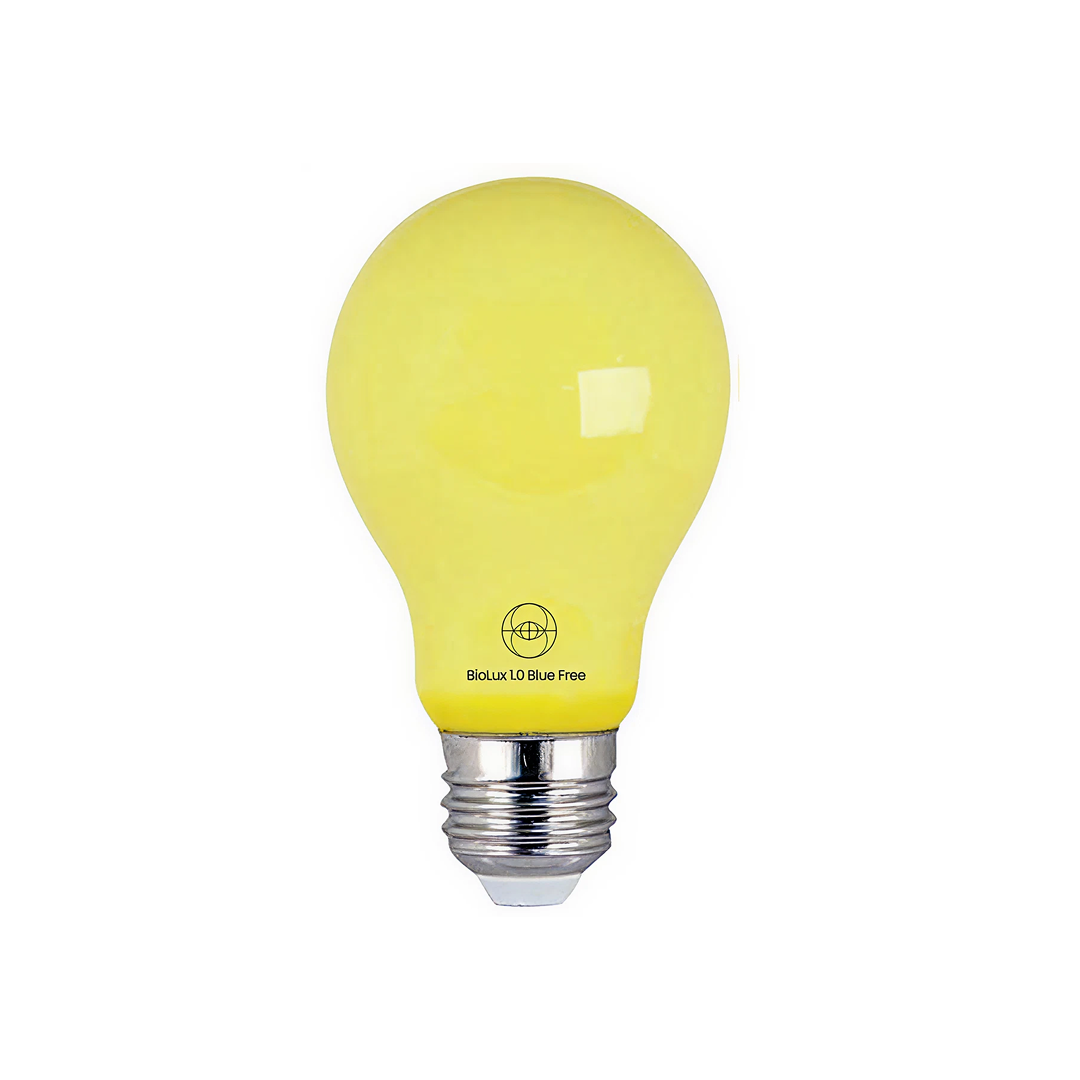
Blue Light Mitigation: Reduces melatonin suppression and oxidative damage.
-
Reducing EMF exposure and incorporating grounding practices mitigate oxidative stress and restore cellular coherence. Also remove wireless devices from life and hire a building biologist.
-
Red/Infrared Light Therapy: Preconditioning tissues with photobiomodulation enhances mitochondrial function and builds resilience to UV exposure.
-
Morning Sunlight: Restores circadian rhythms, boosts dopamine, and improves mitochondrial efficiency.
-
Diet and exercise strategies based around biophysics and circadian biology priinciples
-
High-electron-density foods, such as fatty fish and grass-fed meats, provide substrates for efficient ATP production.
-
Avoiding processed carbohydrates prevents unnecessary ROS generation and inflammation.
-
Rebuilding microbial diversity through fermented foods and prebiotics enhances serotonin and melatonin production, improving gut-brain communication.
-
Supplementation:
-
D-Ribose Supplementation: Supports ATP recycling and pentose phosphate pathway activity.
-
CoQ10 and Magnesium: Essential for mitochondrial electron transport and enzymatic reactions.

Conclusion
Fibromyalgia is not merely a condition of chronic pain but a systemic failure of mitochondrial, circadian, and biophysical health. Addressing these issues requires a paradigm shift from conventional treatments to biophysics-based interventions that restore the body’s natural energy systems. By integrating light, water, magnetism, and electron-dense nutrition, patients can reverse fibromyalgia’s debilitating effects and reclaim their health.






Disclaimer
The information on this site is provided by BioSpectral Systems for educational and informational purposes only. It is not intended to diagnose, treat, cure, or prevent any disease and has not been evaluated by the U.S. Food and Drug Administration or any other regulatory authority. Always consult a qualified healthcare professional before making any changes to your health regimen. By using this site, you acknowledge that you do so at your own discretion and agree that BioSpectral Systems, its affiliates, and contributors are not liable for any outcome resulting from the use of the information presented.
Share:
How Light, Sleep, and Stress Shape Your Brain and Body: The Orexin Eye Prism
Blue Light and Sleep: How Does Blue Light Affect Your Children Sleep Habits?