


Reassessing Mammograms: Are They Causing More Harm Than Good?
Mammography has long been considered an essential tool for early breast cancer detection. Yet, the 2020 documentary bOObs: The War on Women’s Breasts, directed by Megan S. Smith, calls this into question by presenting compelling evidence that challenges its safety and efficacy. Dr. Ben Johnson’s assertion that “Mammograms cause breast cancer, period,” may sound radical, but it is grounded in biophysical evidence that necessitates a closer look at how we screen, when we screen, and why we screen.
“I’ve always told my patients: avoid the mammography merry-go-round.”
-Dr. Toni Bark
Biophysics of Breast Cancer: A Rising Epidemic
Breast cancer was nearly unheard of in the early 20th century. By 1949, only 58 per 100,000 women were diagnosed. By 2012, that number skyrocketed to one in three women, representing a 568-fold increase. This dramatic rise reflects the impact of modern lifestyle changes, technological advances, and environmental factors. Epigenetic disruptions, in particular, have played a significant role in reshaping the landscape of breast health.
The Biophysical Toll of Radiation on Breast Health
Mammograms, while standard in early detection, use ionizing radiation that can lead to double-stranded DNA breaks within breast tissue. The body’s repair mechanisms are not infallible, leading to potential errors and genetic mutations. Repeated exposure amplifies these risks, contributing to an increased likelihood of cancer development. The physical compression involved in mammography adds to this concern by potentially disturbing tumor cells and facilitating metastasis.
The Swedish Mammogram Study, involving 135,000 women over eight years, revealed that screened groups had a higher incidence of invasive breast cancer than unscreened groups. This finding suggests that some detected cancers may spontaneously regress if left undisturbed, challenging the efficacy of mammograms. The full study can be accessed here.
The Limitations of Mainstream Detection and Alternatives
Mammograms typically detect tumors only after they have grown to over 1 cm, delaying intervention. Regular screenings come with risks of false positives and unnecessary treatments. According to a JAMA publication, one in four biopsy results can be incorrect, often realized only after drastic measures have been taken.
Thermography, on the other hand, is a non-ionizing, radiation-free method that maps heat and blood flow, detecting cancer at earlier stages. Unfortunately, thermography is not widely used due to the lack of billing codes, making it less profitable for medical institutions despite its effectiveness.
Rethinking Mainstream Medicine
bOObs critiques not just mammography but the larger, profit-driven healthcare system that prioritizes conventional, lucrative procedures over preventive and innovative care. The film questions whether mainstream screening methods align with a holistic understanding of health. Many established guidelines overlook the complex interplay of circadian rhythms, oxidative stress, and environmental factors that influence cancer risk.
This call for reflection is supported by ACS’s Dr. Otis Brawley, who admitted that many early-stage cancers detected through screening may not have been life-threatening if left undiagnosed.
A Call for Change and Advanced Therapies
The documentary advocates for a shift towards biophysically informed strategies for breast health. Understanding the impact of light exposure, electromagnetic fields, diet, and mitochondrial function empowers women to make more informed decisions. Alternative therapies like laser-assisted immunotherapy, which targets cancer cells using a red laser and photosensitizers without side effects, highlight the potential of innovative approaches. More on this therapy can be found here.
Red and infrared light therapies are also promising, supporting mitochondrial health, oxygenating tissues, and promoting apoptosis in cancer cells. These therapies align with the body's natural healing mechanisms, showcasing the importance of a comprehensive approach.
Leveraging Biophysics for Prevention and Treatment
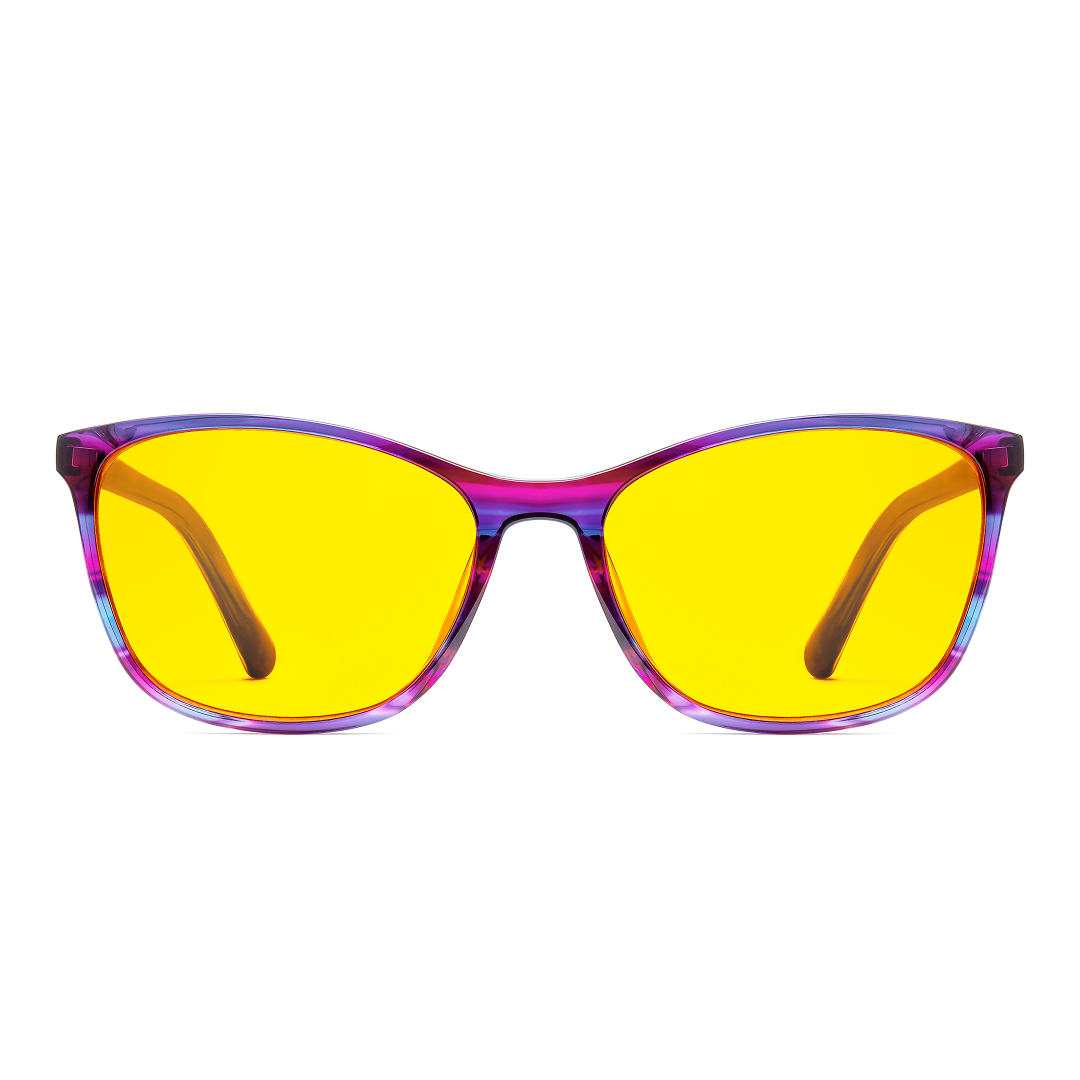
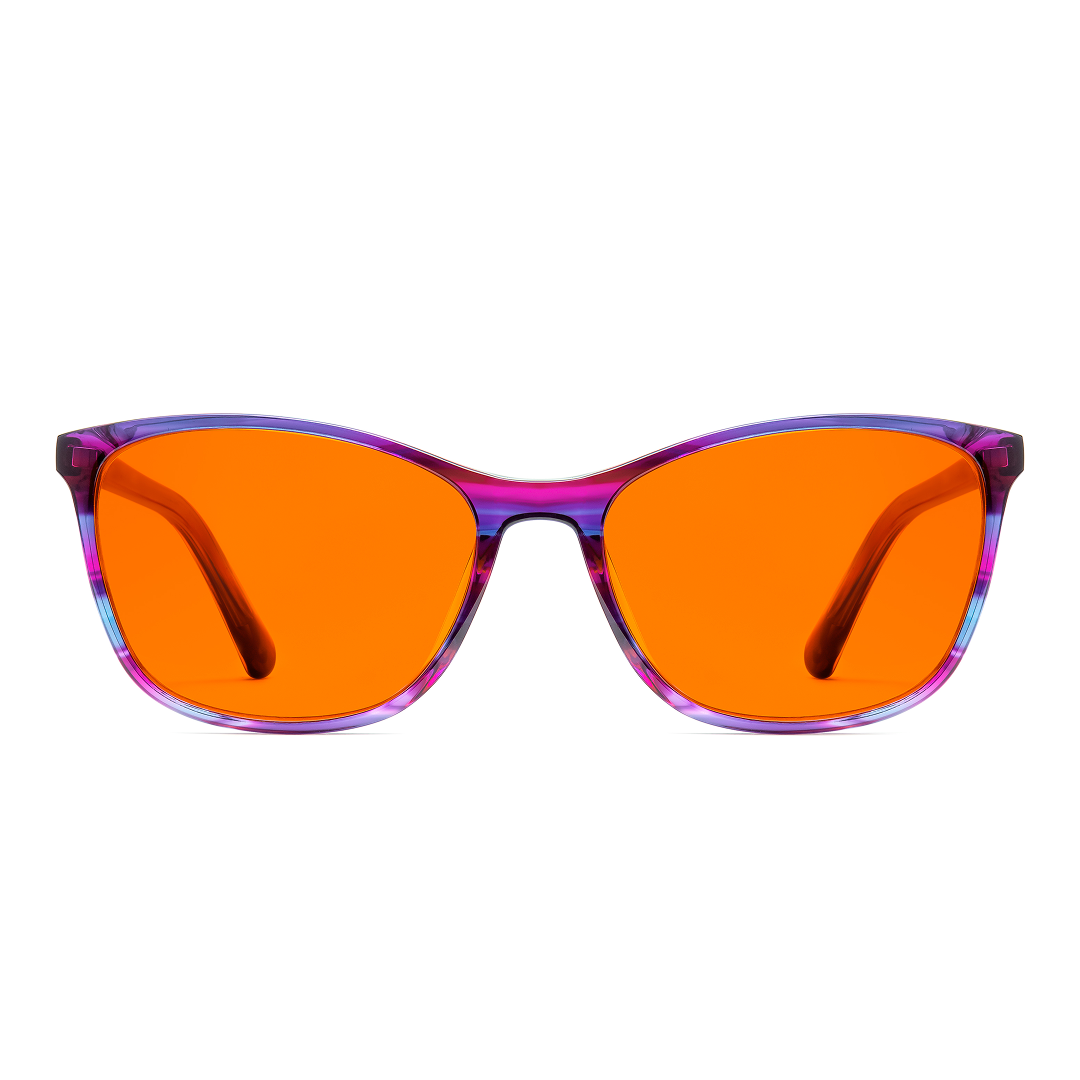
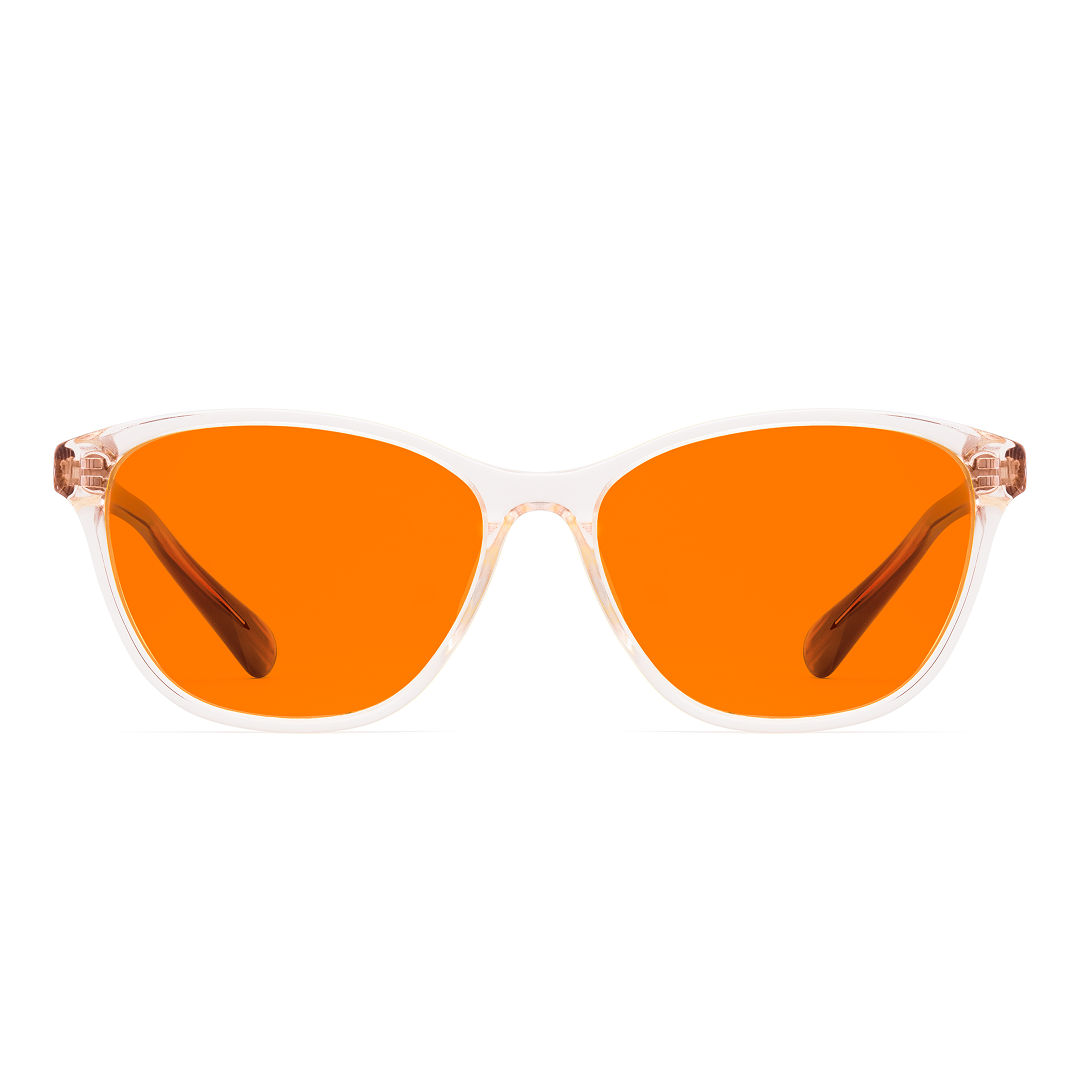
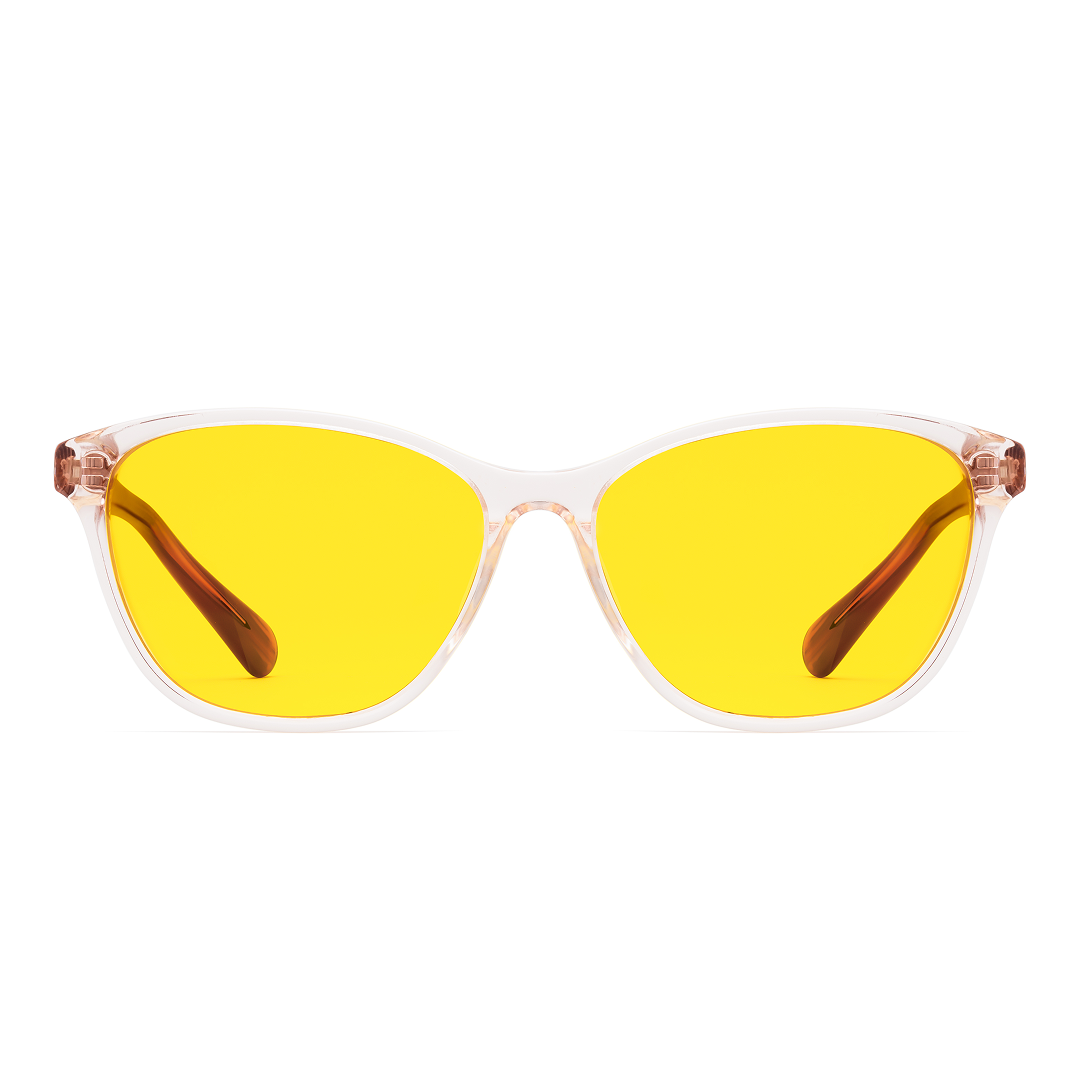
The human body possesses an intrinsic system capable of preventing and combating cancer through apoptosis and autophagy. Antioxidants like vitamin D, melatonin, and glutathione play pivotal roles in maintaining cellular health. Melatonin, in particular, is essential for modulating the cell cycle and can be stimulated through sunlight exposure, as well as red and infrared light exposure. These light exposures help counteract blue light toxicity from screens and devices without blue light-blocking glasses or direct exposure to LED or fluorescent lighting, especially after sunset.
Aligning lifestyle habits with natural light cycles, incorporating DHA-rich foods, and adopting anti-inflammatory diets can help strengthen cellular resilience and support the p53 tumor suppressor gene. Strategies like calorie restriction, ketogenic diets, and deuterium-depleted water further optimize mitochondrial efficiency.

Conclusion: Empowerment Through Education and Choice
The documentary bOObs challenges conventional reliance on mammography and calls for a biophysically conscious approach to breast health. While mammograms may still have value in certain cases, alternatives like thermography and lifestyle adaptations rooted in biophysics can minimize risks and enhance outcomes.
Understanding the impacts of radiation, hormonal balance, and oxidative stress enables more informed choices and empowers women to take control of their health. For further exploration of these concepts, consider reviewing the Swedish Mammogram Study and research on laser-assisted immunotherapy.
Watch the full documentary bOObs: The War on Women’s Breasts here. Let’s advance awareness and advocate for solutions that align with the body’s natural defenses to protect the well-being of current and future generations.
The Modern Day Largest Contributors
-
Artificial Light at Night (ALAN): Widespread exposure to artificial light whether from LEDs, prolonged screen time, or city lighting disrupts natural circadian rhythms, suppressing melatonin production. Melatonin is crucial for mitochondrial health and acts as an antioxidant that facilitates apoptosis, helping to eliminate potential cancer cells. Studies have demonstrated that night-shift work and excessive ALAN exposure are linked to increased breast cancer risk, underlining the need for strategies that align with natural circadian biology.
-
Non-Native Electromagnetic Fields (nnEMF): Our modern environment is saturated with non-ionizing radiation from Wi-Fi routers, cell phones, Bluetooth devices, 5G networks, and other electronics powered by AC current. These emit a low-level, persistent exposure that induces oxidative stress and produces reactive oxygen species (ROS). Over time, this cellular stress can cause genetic mutations and activate cancer pathways. The chronic presence of nnEMFs contributes significantly to the body’s cumulative biophysical burden.
-
Diet and Processed Foods: The post-war era saw the rapid rise of processed foods containing artificial ingredients and refined sugars, contributing to systemic inflammation. This inflammation can induce epigenetic changes that compromise cellular function and heighten cancer risk. Diets low in natural antioxidants and essential nutrients weaken the body's ability to combat oxidative damage, making it more susceptible to cancer.


Disclaimer
The information on this site is provided by BioSpectral Systems for educational and informational purposes only. It is not intended to diagnose, treat, cure, or prevent any disease and has not been evaluated by the U.S. Food and Drug Administration or any other regulatory authority. Always consult a qualified healthcare professional before making any changes to your health regimen. By using this site, you acknowledge that you do so at your own discretion and agree that BioSpectral Systems, its affiliates, and contributors are not liable for any outcome resulting from the use of the information presented.
Share:
How Light, Sleep, and Stress Shape Your Brain and Body: The Orexin Eye Prism
Blue Light and Sleep: How Does Blue Light Affect Your Children Sleep Habits?