

 Autoimmunity refers to a range of conditions where the immune system mistakenly attacks the body's own tissues, leading to inflammation and tissue damage. The rapid increase in these autoimmune disorders over the past 40 years prompts us to ask: What's causing this rise?
Mitochondrial Dysfunction in AI
Researchers like Dr. Douglas Wallace suggest that most autoimmune conditions are created because of mitochondrial bioenergetic dysfunction, free radical excesses, and poor circadian signalling resulting in excess inflammation and poor sleep and regeneration.
He goes on to say that low vitamin D is present in all those with AI and key nutrient deficiencies like selenium and B12 are also present in most cases. Add to these environmental factors such as artificial light exposure after sunset and persistent exposure to non-visible electromagnetic fields from wireless devices, and AC powered devices and indoor living disconnected from the outside full spectrum environment and skyrocketing AI rates especially in locations away from the tropics is the result. Immune dysregulation and inflammation, paving the way for conditions like inflammatory bowel diseases and heart disease, which are considered precancerous states.
Similar mechanisms may underlie the progression from autoimmunity to cancer, highlighting the interconnectedness of these diseases and the importance of understanding their shared pathways and environmental influences. Research indicates that nutrient status, particularly levels of vitamin D and selenium, play crucial roles in modulating immune function and inflammation, offering potential avenues for prevention and management of autoimmune conditions.
Additionally, insights from evolutionary perspectives suggest that shifts in diet and exposure to artificial light and electromagnetic fields may have contributed to the rising prevalence of autoimmunity and other chronic diseases in modern society.
Cites:
-
Light at Night Disrupts Biological Clocks, Calendars, and Immune Function.
-
Circadian Clock Genes as Promising Therapeutic Targets for Autoimmune Diseases.
-
Potential Effects of Shift Work on Skin Autoimmune Diseases.
We don’t have to go back very far to get to the time when rods and cones were believed to be the eye’s only photoreceptors. Not only do we now know of others, melanopsin included, but we are learning they have functions that go far beyond vision.
For instance, the chief job of melanopsin is not to help us see images, but to act as a light sensor that provides ‘reflexive responses‘ to both the body and the brain, many of which have to do with circadian rhythms (melanopsin is the reason it’s wise to sleep in a room with zero light, not even a digital clock). CNRS International (The Many Roles of Melanopsin) had this to say about this photo-optic protein. “It has been shown to regulate a wide range of non-visual functions, such as the synchronization of the circadian rhythms and the sleep-wake cycle with the light-dark cycle.
Two main mechanisms regulate sleep: the circadian mechanism, which determines the optimal time for sleep, and the homeostatic system, which keeps track of how long the body is awake and asleep, and triggers ‘sleep pressure’ when the body suffers from sleep deprivation.
Though light was known to influence the circadian mechanism via melanopsin, its effects on non-circadian processes were considered minor. Now, in a recent study, a team from CNRS reveals that light detection by melanopsin acts directly on non-circadian mechanisms and that circadian and non-circadian routes interact with one another.” The outer portion of the retina is where the photoreceptor melanopsin is loosely covalently bound to retinol.
Melanopsin/retinol controls the neural signalling along the central retinohypothalamic tract. This tract connects the retina to the suprachiasmatic nucleus (SCN) which controls the circadian mechanism. This tract continues on and connects the retina and SCN to the leptin receptor in the hypothalamus. The leptin system, in turn, controls all growth and metabolism of the organism and this system controls the circadian release of hormones from the pituitary gland using specific light frequency changes present in AM sunlight.
In December 2017 we have proof melanopsin/retinol are now in human skin, subcutaneous fat, and the arterioles of the skin. I will remind you that the subcutaneous fat mass links to the leptin receptor in the hypothalamus too using leptin and adiponectin as fat hormones. He who controls the frequency of sunlight via the eye and skin, calls the shots for the anterior pituitary hormones and their effect on human behaviour and illness because it changes the piezoelectric abilities of the mitochondria.
The transformation of light once it hits our tissues (light-electricity) creates DC electrical energy from our piezoelectric mitochondria. These mitochondria also create free radicals, water, CO2, and melatonin to align the Inner mitochondrial junctions (IMJ's) within the cristae to reset the internal clocks inside of cells that command our everyday rhythms-waking, eating, sleeping. Mitochondria run the show.
A big part of the problem is our modern way of life, spending lots of time indoors under artificially lit environments and using wireless technology extensively. These changing environmental signals greatly affect the structure of essential cellular components like mitochondrial cytochrome proteins, reducing their electron and proton tunnelling efficiency and the effectiveness of the photoreceptive chromophores. Importantly, the malfunction of melanopsin our blue light circadian photoreceptor governing our circadian rhythm internally, significantly weakens our immune system.
This disruption affects the efficiency of energy production, as we learn from Carnot's principle of thermodynamics.
So, in simple terms, our lifestyle and environment are playing a big role in causing more autoimmune diseases. This phenomenon underscores the necessity of transcending dietary considerations to confront the broader impact of environmental factors on human health. Addressing these intricacies is imperative for advancing our understanding and management of autoimmune diseases within the realm of medical science.
Chronic diseases linked to autoimmune responses and mitochondrial dysfunction, such as NAFLD, obesity, diabetes, and neurodegenerative disorders, may result from uncontrolled immune reactions and disrupted heat shock protein (HSP) metabolism.
Monitoring plasma HSP levels is crucial to prevent autoimmune reactions and maintain healthy aging. Abnormal core body temperature, regulated by the anti-aging gene Sirt 1, is implicated in disease onset, emphasizing the importance of body temperature regulation and immune system function. Disruptions in the light/dark cycle may contribute to HSP alterations and autoimmune disease progression. Defects in anti-aging genes like Sirt 1 may lead to increased HSP levels, autoimmune diseases, and irreversible cell death in various organ diseases worldwide.
Cites:
-
Autoimmune disease and mitochondrial dysfunction in chronic diseases
-
Relationship between redox status and cell fate in immunity and autoimmunity
The key challenge people with AI experience is an inability to maintain a strong net negative charge within their buddies. Light, dark, temperature and grounding consistency helps this. Cell voltage is stolen by environmental EMF exposure as well.
The skin is not simply a passive barrier but a highly evolved photoreceptor system that integrates visible, ultraviolet, and infrared light into immune and metabolic regulation. A key example of this is the metabolism of histidine, an aromatic amino acid. Due to its benzene ring structure, histidine strongly absorbs ultraviolet (UV) light. Within the epidermis, histidine is enzymatically converted into urocanic acid, a molecule that acts as a natural UV filter and immunomodulator. Urocanic acid exists in both cis and trans isomers, and its light-dependent interconversion directly influences immune signaling pathways, particularly those involved in inflammation and tolerance.
This connection between histidine and UV light exemplifies how amino acid chemistry underpins the skin’s photonic-immune interface.
In parallel, the structural protein filaggrin plays a central role. Beyond its well-known function in maintaining epidermal barrier integrity and hydration through natural moisturizing factors, filaggrin also acts as a photoreceptor for infrared (IR) light. By absorbing and transducing IR wavelengths, filaggrin facilitates the generation of heat and vibrational energy that couples into water structuring within the epidermis. This biophysical process links barrier proteins to mitochondrial and immune function, suggesting that filaggrin deficiency, common in atopic dermatitis and other autoimmune conditions, impairs not only barrier resilience but also light-mediated signaling.
Taken together, the interplay between histidine-derived urocanic acid (UV photoreception) and filaggrin (IR photoreception) reveals a coherent picture of the skin as a dynamic photonic organ. Disruptions in these pathways, whether through genetic mutations, environmental mismatches, or chronic artificial light exposure, compromise the delicate balance between immune tolerance and inflammation.
This perspective reframes autoimmune conditions not merely as genetic or biochemical disorders, but as consequences of impaired photonic-immune coupling within the skin.
Cites:
T-Regulatory Cells, Sunlight, and the Disruption of Immune Fidelity
Beyond the biochemical pathways of histidine, urocanic acid, and filaggrin, the skin is also home to a disproportionately high number of regulatory T cells (Tregs).
These cells act as the central governors of the immune system, controlling both innate and adaptive arms. Their role is to distinguish between tolerance and defense, ensuring that B cells only produce antibodies when appropriate.
However, Tregs rely on coherent photonic input from the environment to carry out this function effectively. Natural sunlight, particularly the combination of ultraviolet (UV) and infrared (IR) wavelengths, provides this coherent signal. UV light has long been recognized for its immunomodulatory effects, as seen in the efficacy of UVB phototherapy for psoriasis. Infrared, meanwhile, penetrates deeper tissues and supports mitochondrial activity, hydration, and repair. Together, UV and IR act as the most potent natural regulators of immune balance.
When non-native electromagnetic fields (nnEMF) such as Wi-Fi, Bluetooth, 4G, 5G, satellites, or radar saturate the environment, this signaling system is disrupted. The Tregs are no longer able to extract a clear, coherent photonic signal from sunlight; instead, they are overwhelmed by electromagnetic noise. This distortion means Tregs fail to send the correct inhibitory signals to B cells, which then begin producing inappropriate antibodies. In effect, nnEMF scrambles the body’s photonic language of immune regulation, allowing autoimmune processes to take hold.
This phenomenon explains why ultraviolet light does not function as a reliable immunosuppressant in an EMF-heavy environment. The signal is distorted at the surface of the skin, and the downstream cascade of immune regulation fails. The longer an individual is exposed to this noisy environment, the more likely they are to experience runaway immune activity, setting the stage for allergy, autoimmunity, and ultimately progression to malignancy or organ failure. All autoimmune diseases, therefore, can be considered premalignant conditions of disordered light signaling.
Blood, Biophotons, and Skin Disorders
The connection between sunlight and immune regulation also extends to blood chemistry. Under natural full-spectrum sunlight, histidine not only contributes to urocanic acid formation but also stabilizes the alpha and beta chains of hemoglobin, ensuring efficient oxygen transport. When EMF exposure is superimposed, this stabilizing function is disrupted. Instead of supporting normal physiology, histidine metabolism shifts toward histamine and altered urocanic acid dynamics.
When urocanic acid is deficient, the skin becomes itchy and begins to leak light in the form of weak biophoton emission. Insects can perceive this faint light release, which is why individuals under EMF stress often attract more bug bites.
This abnormal photonic leakage is also associated with the emergence of chronic skin conditions such as eczema, rosacea, and dermatitis—clinical evidence of disrupted light–immune coupling at the skin.
Taken together, the evidence suggests that autoimmunity begins in the skin. T regulatory cells, histidine–urocanic acid pathways, and filaggrin all depend on clear UV and IR signals from sunlight to maintain balance. When non-native EMF introduces noise into these systems, the fidelity of immune regulation collapses. The skin can no longer guide systemic immunity, blood chemistry is distorted, and chronic inflammatory and autoimmune processes emerge.
In this framework, autoimmunity is not only a disorder of genes or chemistry but fundamentally a disorder of light. The absence of coherent UV and IR signaling, combined with the presence of electromagnetic noise, leaves the immune system untethered—overactive, misdirected, and progressively destructive.
Cites:
-
Ultraviolet B Light Attenuates the Systemic Immune Response in Central Nervous System Autoimmunity.
-
Ultraviolet Radiation-Induced Tolerogenic Dendritic Cells in Skin: Insights and Mechanisms.
Multiple Sclerosis (MS) Example
Multiple Sclerosis (MS) is a neurodegenerative disease influenced by various factors. It is widely known and published in medical textbooks that MS rates increase the further from the equator a population lives and the lower the vitamin D level gets. Moving closer to the equator has been associated with reduced MS prevalence, suggesting a role for environmental factors like sunlight exposure. The incidence of MS has risen significantly over the past few decades, with twice as many cases reported in 2000 compared to 1980.
The global prevalence of MS has increased steadily, with females being twice as likely to be affected as males. Studies have shown a significant association between MS prevalence and latitude, with higher latitudes correlating with higher prevalence rates. Regional variations in MS incidence also exist, with Europe reporting the highest rates and Africa the lowest.
The role of light in the initiation of autoimmunity warrants careful consideration in contemporary discourse. While conventional approaches often prioritize pharmaceutical interventions for conditions like Multiple Sclerosis (MS), an autoimmune ailment, an examination of historical trends suggests a correlation between the surge in MS cases in the 20th and 21st centuries and the widespread adoption of electric power and artificial illumination, detaching individuals from natural light sources and receiving inadequate daylight exposure during the winters in latitudes far from the equator. Notably, MS incidence peaks farther from the equator, indicating a potential link between geographic latitude, exposure to environmental light variations, and immune dysregulation.
This underscores the importance of understanding how solar radiation interfaces with the human body, particularly its impact on T regulator cells and mitochondrial function, pivotal factors in autoimmune pathogenesis.
In North America, where MS prevalence is significant, observations in regions like Canada reveal intriguing patterns: a disproportionate number of cases relative to population size, especially evident in colder climates where indoor living and reliance on artificial lighting are prevalent during prolonged winters. This prompts reflection on the potential implications of light exposure and seasonal variations, as well as the role of vitamin D3 insufficiency—a known predictor of MS outcomes. Increasingly, clinicians recognize autoimmune disorders, including MS, as manifestations of mitochondrial dysfunction, a hypothesis supported by research into mitochondrial heteroplasmy rates led by Dr. Doug Wallace in Philadelphia. Amidst these considerations, empowering patients with knowledge about emerging paradigms in disease Etiology becomes paramount, offering avenues for informed discourse beyond conventional treatment paradigms.
Cites:
-
MS Mechanism of Disease
-
Duffy SS, Lees JG, Moalem-Taylor G. The contribution of immune and glial cell types in experimental autoimmune encephalomyelitis and multiple sclerosis. Mult Sclera Int. 2014;2014:1-17. doi:10.1155/2014/285245
-
Krieger SC, Cook K, De Nino S, Fletcher M. The topographical model of multiple sclerosis: a dynamic visualization of disease course. Neurol Neuroimmune Neuroinflammation. 2016;3(5): e279.
-
Mechanism of MS–Role of Glial Cells
-
Duffy SS, Lees JG, Moalem-Taylor G. The contribution of immune and glial cell types in experimental autoimmune encephalomyelitis and multiple sclerosis. Mult Sclera Int. 2014;2014:1-17. doi:10.1155/2014/285245
-
Høglund RA, Maghazachi AA. Multiple sclerosis and the role of immune cells. World J Exp Med. 2014;4(3):27-37.
-
Krieger SC, Cook K, De Nino S, Fletcher M. The topographical model of multiple sclerosis: a dynamic visualization of disease course. Neurol Neuroimmunol Neuroinflamm. 2016;3(5):e279.
-
Luo C, Jian C, Liao Y, et al. The role of microglia in multiple sclerosis. Neuropsychiatr Dis Treat. 2017;13:1661-1667.
-
Markiewicz I, Lukomska B. The role of astrocytes in the physiology and pathology of the central nervous system. Acta Neurobiol Exp (Wars). 2006;66(4):343-358.
-
Merson TD, Binder MD, Kilpatrick TJ. Role of cytokines as mediators and regulators of microglial activity in inflammatory demyelination of the CNS. Neuromolecular Med. 2010;12(2):99-132.
-
UV Light and MS
-
Visible and Infrared Light and MS
Psoriasis
Psoriasis is a chronic autoimmune condition affecting 2–4% of the population. It presents as red, well-demarcated skin patches with silvery scales, often symmetrical, and commonly found on the elbows, knees, scalp, and nails. Up to 30% of patients develop psoriatic arthritis. Conventional care relies on topical corticosteroids or calcipotriol, which reduce visible rash but do not address underlying immune dysfunction. At its core, psoriasis is an immune regulation disorder linked to dysfunctional T-regulatory cells (Tregs) and impaired photonic-immune signaling in the skin. The skin is more than a barrier: it is a photoreceptor organ integrating ultraviolet (UV) and infrared (IR) light into immune balance. Tregs require coherent UV and IR signals to suppress inappropriate antibody production. When surfaces lack electrons to properly capture and transduce light energy, momentum from photons penetrates abnormally into deeper tissues. This disrupts time perception at the cellular level, accelerates basal layer growth, and manifests as plaques.
Modern environments worsen this. Artificial blue light and radiofrequency EMFs scramble photonic signaling, leaving Tregs unable to regulate B cell responses effectively . As a result, keratinocytes proliferate excessively, and immune attacks on skin persist. This biophysical breakdown explains why psoriasis is considered a premalignant condition of the neuroectoderm, with increased risk of basal and squamous cell carcinomas if untreated.
Mitochondrial dysfunction and low vitamin D are nearly universal in psoriasis. Vitamin D deficiency alters cathelicidin expression, weakens barrier repair, and worsens inflammation. VDR gene polymorphisms further impair immune tolerance, meaning higher sunlight-driven vitamin D levels may be required for proper signaling. Natural degradation products of skin-synthesized vitamin D3 also inhibit basal layer hyperproliferation, explaining why heliotherapy and Dead Sea exposure are historically effective. Clinically, 311 nm narrowband UVB phototherapy is one of the most effective treatments. It induces apoptosis of pathogenic T cells and keratinocytes, reduces oxidative stress, and improves epidermal barrier function. Red and infrared light also support repair by stimulating mitochondrial function and structured water networks, boosting antimicrobial peptides like cathelicidin.
Environmental and lifestyle measures strongly influence outcomes. Stress reduction, sleep optimization, exercise, and anti-inflammatory diets rich in DHA, olive oil, flax, and vegetables lower systemic triggers. Vitamin D, zinc, iron, and B12 levels should be checked and optimized. Smoking, alcohol, and certain drugs (lithium, beta-blockers, ACE inhibitors) aggravate disease. Aloe vera, frankincense, turmeric, saffron, and traditional herbal medicines can help modulate inflammation. Ultimately, psoriasis reflects a failure of light and immune coherence. When natural UV and IR light are missing, and artificial EMF noise dominates, Tregs cannot maintain fidelity, and skin immunity unravels . Correcting this through light restoration, nutrient optimization, and lifestyle alignment does not just improve symptoms, it addresses the root biophysics driving the disease. [Study 1, Study 2, Study 3, Study 4, Study 5, Study 6, Study 7, Study 8, Study 9, Study 10, Study 11, Study 12, Study 13, Study 14]
Glaucoma
Let’s look at another autoimmune condition of the eye. Glaucoma, a widespread ocular disease affecting approximately 70 million individuals globally, remains shrouded in mystery despite its significant impact. Characterized by progressive damage to the retina and optic nerve, often culminating in blindness, its origins have eluded comprehensive understanding.
Recent research conducted by MIT and Massachusetts Eye and Ear has shed new light on glaucoma, suggesting it may indeed have autoimmune underpinnings. Through a study involving mice, investigators have demonstrated that the body's own T cells play a pivotal role in the progressive degeneration of retinal tissue associated with glaucoma. Intriguingly, these T cells exhibit a predisposition to target retinal neurons, possibly stemming from prior encounters with resident bacteria within the body. The absence of exposure to natural morning (AM) light and prolonged reliance on artificial illumination may contribute significantly to the development of glaucoma. This autoimmune condition of the eye manifests in tandem with diminished levels of ocular dopamine and melatonin, critical regulators of ocular morphogenesis. Over time, this aberrant physiological milieu sets the stage for a cascade of ocular disorders, including myopia, cataracts, retinal tears, and age-related macular degeneration (AMD).
Prolonged exposure to such conditions over several decades may even elevate the risk of neurodegenerative diseases like Alzheimer's and Parkinson's, underscoring the profound impact of environmental factors on ocular and neurological health.
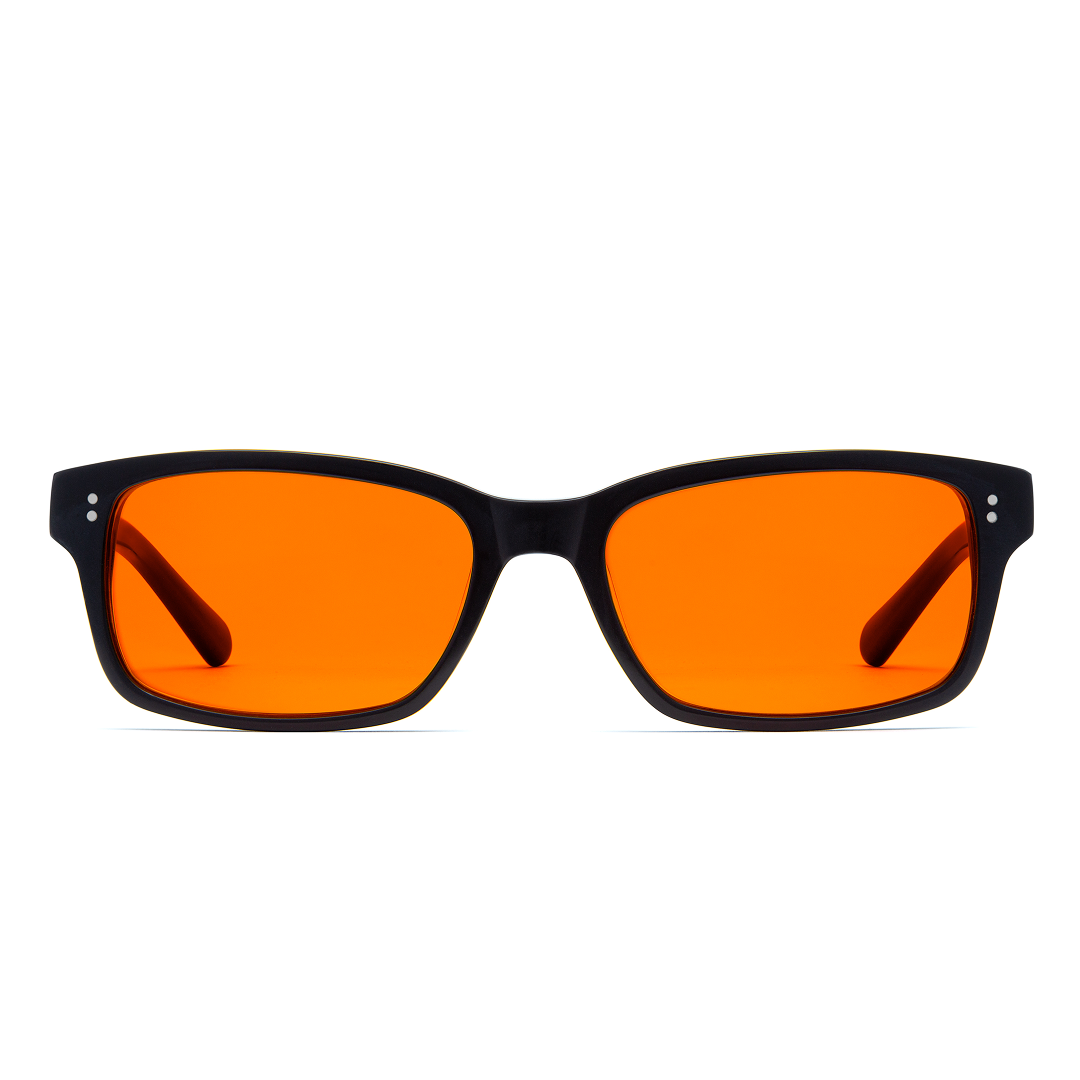
Paul David Hewson, famously known as Bono, the lead singer of U2 hailing from Dublin, Ireland, where sunlight exposure is limited, has been noted for wearing dark glasses. This choice is not merely a fashion statement but a strategic measure to alleviate symptoms associated with glaucoma, a condition exacerbated by prolonged exposure to bright artificial light, common during his performances. The detrimental effects of blue light emitted by artificial sources are well-documented, including its role in disrupting the production of essential neurochemicals such as melatonin, melanopsins, and dopamine.
Decreased ocular dopamine levels are linked to ocular pathologies like myopia, cataracts, and glaucoma, with potential implications for age-related macular degeneration (AMD) and neurodegeneration. Migraines often precede the onset of these symptoms, highlighting the importance of proactive measures. Incorporating blue light-blocking glasses into daily routines can serve as a protective measure against the adverse effects of excessive blue light exposure, potentially averting the progression of ocular and neurological disorders observed in individuals like Bono.
Cites:

Type 1 Diabetes
Autoimmune Type 1 diabetes affects 1 in 1000 people and is easier to recognize that type 2 diabetes (T2D). What is extraordinary about type 1 autoimmune diabetes is that it is a NEW disease in modern medicine. Most physicians do not even know this. Mass General has extraordinary records for the US for 75 years in the 19th century up until 1898. In their logs they only record 21 cases of type 1 diabetes in 500,000 cases they saw in 75 years. It was not a case of missed diagnosis either because the symptoms of Type 1 diabetes are easy to see clinically. In fact, not one autoimmune disease were in the top 20 diseases that afflicted humans in 1900. Today AI’s makeup 15% of global causes of human disease. After WW II formal record keeping improved. In the UK 1-2 children in every 5000 were afflicted in the US, Canada, and the UK. The war did nothing to alter the disease but soon after the war cases began to rise. By 1973 diabetes was six or seven times as common as it was in the thirties in those countries. What changed between 1930-1970’s? We began to use artificial light to see indoors and extend the use of light frequencies to modern communication. This is when RF and microwave use began its massive ascent in the West, specifically in the USA.
Type 1 and Type 2 Diabetes are built in circadian adaptations not diseases. Diabetes may have been an evolutionary adaption which the human species made as we moved out of equatorial environments to higher latitudes in the northern hemisphere and lower latitudes in the southern hemisphere to make sufficient blood glucose. Finland has the highest number of Type 1 diabetics where the sun is less powerful and magnetic flux from their environment is also weaker than surrounding areas (think volcanos, closeness to earth’s core, and ability to ground to the earth with bare feet).
To make this worse, living outdoors connected to nature is very difficult. In Finland for most of the year and modern humans stay warm with layered clothing and temperature control heating in their homes, exposing themselves to very little cold stimulus compared to our ancestors. This lack of sunlight, magnetism and cold exposure has communicated to biology to develop an adaption and in many cases that is Type 1 and Type 2 diabetes. With this perspective diabetics can now look to their situation not as a disease but an adaption and if they don’t like the adaption, they can choose to change their light, magnetism, and temperature environmental signals to change the adaption.
Recent research offers hope in preventing autoimmune diseases like type 1 diabetes by stopping healthy immune cells, known as T cells, from turning harmful. Scientists identified a protein complex in the thymus, a crucial organ for immune cell development, which acts as a late stage "quality control" mechanism.
This complex helps prevent T cells from attacking the pancreas and destroying insulin-producing beta cells. Our body regulates immune responses using light frequencies, especially red and infrared-A (IR-A) light, which boosts melatonin levels in thymus stem cells. However, inadequate exposure to red light, often linked to low UV exposure, results in low Vitamin D3 levels observed in autoimmune conditions.
Vitamin D plays multiple roles in immune regulation, including controlling blood pressure, suppressing inflammation, enhancing antibacterial defence, and mitigating inflammation associated with obesity. However, recommended Vitamin D levels may not fully address these benefits, highlighting the need for further consideration in disease prevention efforts, especially given the rise in neolithic diseases. Lack of solar IR-A light and UV light, more common at higher latitudes, correlates with increased autoimmune disease incidence.
During T cell development in the thymus, an education process occurs, instructing T cells to distinguish between self and non-self. A recent study identified another crucial step involving a protein complex called LUBAC, acting as a final checkpoint before T cells are released into the bloodstream. When LUBAC malfunctions due to improper photic activation, some harmful T cells may escape prematurely, leading to autoimmune activation.
Cites:
Dirty Electricity and Diabetes
Guillain-Barré Syndrome (GBS)
Guillain-Barré Syndrome is a rare, autoimmune disorder where the immune system attacks the peripheral nervous system, causing weakness, tingling, and, in severe cases, paralysis. From a biophysics perspective, the mitochondrial role in GBS is critical yet often overlooked.
Mitochondria, the powerhouses of the cell, are not only responsible for energy production but also play a pivotal role in immune regulation and cellular signaling. Disruptions to mitochondrial function, caused by environmental stressors like artificial electromagnetic fields (EMFs) and exposure to artificial light—can exacerbate the inflammatory response seen in GBS. EMFs interfere with calcium ion flow across cellular membranes, destabilizing mitochondrial energy production and increasing reactive oxygen species (ROS), which amplifies oxidative stress and immune dysregulation.
Artificial light exposure, especially at night, reduces melatonin levels, a powerful antioxidant essential for mitochondrial repair. Studies on circadian biology show that mitochondrial efficiency depends on synchronized light-dark cycles, which are often disrupted in modern environments. These factors collectively weaken mitochondrial capacity and immune precision, increasing the likelihood of aberrant immune attacks, such as those observed in GBS.
Addressing these environmental triggers by optimizing light exposure, grounding to offset EMF impacts, and enhancing mitochondrial function may provide new avenues for managing and potentially preventing conditions like GBS.
Hashimoto’s and Celiac Disease
When we're exposed to artificial electromagnetic fields (EMF) from gadgets like Wi-Fi routers and cell phones, it can affect our bodies in unexpected ways, particularly in relation to autoimmune diseases like celiac disease and Hashimoto's thyroiditis. These electromagnetic fields can disrupt calcium levels inside our cells, leading to faster aging and increasing the risk of various health issues, including autoimmune diseases. One study highlighted the impact of artificial light exposure on our bodies, particularly at night, which can reduce the secretion of melatonin.
This disruption affects not only our sleep but also our skin, our largest organ, and its control over peripheral clocks in our body. This connection between light exposure and skin health has significant implications for understanding autoimmune conditions like celiac disease.
Moreover, research on populations like the Hazda in equatorial regions showed that despite exposure to processed foods and antibiotics, their microbiome remained stable. This challenges the belief that diet is the primary driver of microbiome diversity and suggests that factors like sunlight exposure play a crucial role in shaping the microbiome, which can impact conditions like celiac disease. The skin's response to sunlight, controlled by proteins like melanopsin and neuropsin, influences not only our microbiome but also our immune system and overall health. Understanding these connections can revolutionize our approach to health and disease prevention.
These findings underscore the importance of considering environmental factors like light exposure in understanding autoimmune diseases and microbiome health, including conditions like celiac disease. By focusing on factors like sunlight exposure and its impact on our skin and microbiome, we can develop more effective strategies for promoting health and preventing disease.
Cites:
Autoimmune hepatitis
Autoimmune hepatitis is a chronic inflammatory liver disease marked by interface hepatitis, characteristic autoantibodies, and a strong female predominance. Its incidence and prevalence have risen several fold since the early 2000s across multiple regions, suggesting environmental and lifestyle contributors layered on genetic risk.
The liver’s clocks coordinate daily metabolism, bile acid cycling, redox balance, and immune tone. Circadian disruption and altered melatonin signaling are common in liver disease and are linked to oxidative stress and impaired repair pathways.
Reviews consistently implicate mitochondrial dysfunction and reactive oxygen and nitrogen species in hepatic inflammation and fibrosis, mechanisms that plausibly amplify self antigen exposure and break tolerance. Together, these trends support a model in which circadian misalignment, reduced morning light exposure, artificial light at night, and indoor living degrade melatonin rhythms and hepatic mitochondrial redox control, lowering the energy available for immune tolerance and barrier maintenance in the liver.
Citation:
Circadian rhythms and inflammatory diseases of the liver and gut
At the cellular level, hepatocyte and Kupffer cell mitochondria are major sources and targets of redox stress. When charge transfer through the electron transport system is inefficient, lipid peroxidation, protein carbonylation, and mitochondrial DNA damage increase. This shifts immune signaling toward danger responses and promotes presentation of modified self epitopes at the sinusoid, a setting that favors autoreactivity.
Melatonin, a circadian and mitochondrial antioxidant, dampens these processes by improving electron flow, limiting excess reactive species, and supporting mitophagy, which helps maintain a tolerant hepatic milieu. In a biophysical frame, restoring daylight exposure, darkness at night, and regular timing improves the coherence of liver clocks, supports mitochondrial energy production in hepatocytes, and reduces the redox noise that drives autoimmune signaling in the liver.
Citation:
Graves disease
Graves disease is the most common cause of hyperthyroidism and is driven by antibodies that stimulate the thyroid stimulating hormone receptor, often alongside antibodies to thyroid peroxidase and thyroglobulin. Female predominance, stress, smoking, and iodine extremes are established modifiers, and there is growing interest in how circadian disruption affects thyroid autoimmunity. Night shift work and irregular schedules are linked with altered thyroid stimulating hormone dynamics, malignant nodules, and broader endocrine dysregulation, pointing to clock misalignment as a contributor to loss of immune tolerance in the thyroid. Cite[1], Cite [2], Cite [3], Cite [4]
From a mitochondrial and photobiology perspective, thyroid follicular cells are metabolically intense, with high mitochondrial density to support hormone synthesis and iodination. Excess reactive oxygen species generated during hormone synthesis can serve as adjuvants, especially when antioxidant defenses and mitophagy are impaired by poor sleep, artificial light at night, and misaligned feeding and activity rhythms. Reduced morning light exposure and blunted melatonin rhythms weaken clock gene control of antigen presentation and T regulatory cell function, creating conditions where thyroid antigens are presented in a pro inflammatory context and TSH receptor autoantibodies expand.
Emerging targeted approaches that neutralize TSH receptor antibodies underscore the centrality of this pathway, but a biophysical lens adds the upstream context. Re-establishing robust light exposure in the morning, darkness at night, and consistent timing supports mitochondrial redox balance and immune tolerance programs that help stabilize the thyroid environment. Cite [1], Cite [2], Cite [3].
Rheumatoid Arthritis (RA)
Rheumatoid arthritis is a chronic systemic autoimmune disease primarily targeting the joints, leading to inflammation, pain, and progressive destruction of cartilage and bone. While it is often discussed in terms of genetic predisposition and immune dysregulation, emerging science suggests a deeper environmental and bioenergetic basis. RA prevalence is strongly influenced by latitude, seasonality, and vitamin D status, highlighting the role of sunlight in disease onset and severity. Disruption of circadian rhythm and reduced melatonin signaling are also implicated in loss of immune tolerance, as T regulatory cell function depends on coherent light and hormonal cues. This aligns with the observation that RA often coexists with other circadian- and metabolism-linked disorders, such as sleep disturbances and metabolic syndrome.
At the mitochondrial level, studies demonstrate that RA patients show impaired oxidative phosphorylation, excess reactive oxygen species, and diminished ATP output in immune cells and joint tissues. This bioenergetic crisis not only drives chronic inflammation but also impairs tissue repair. Non-native electromagnetic fields, poor light environments, and disrupted redox balance add layers of noise that further destabilize mitochondrial signaling. This suggests that RA is not simply an overactive immune system but a system responding to chronic energy deficit and distorted environmental inputs. Reframing RA in this light points toward strategies that restore circadian alignment, optimize mitochondrial function, and reintroduce coherent environmental signals, offering new avenues beyond symptom suppression for true disease modification.
Cites:
-
Mitochondrial Dysfunction and Oxidative Stress in Rheumatoid Arthritis
-
Detecting and Exploiting the Circadian Clock in Rheumatoid Arthritis.
-
Circadian Regulation of Macrophages and Osteoclasts in Rheumatoid Arthritis.
-
Mitochondria as Key Players in the Pathogenesis and Treatment of Rheumatoid Arthritis.
-
Melatonin Contributes to the Seasonality of Multiple Sclerosis Relapses.
Epilepsy
The brain functions through intricate electromagnetic processes, generating various brain waves and a potent magnetic field that can be measured using specialized equipment like a MEG machine.
Epilepsy, a condition characterized by abnormal electrical activity in the brain, can result from diverse causes and conditions. But could the environment play a role in triggering sudden deaths related to epilepsy? With the recent activation of 5G technology in urban centres like Hollywood, concerns about potential health implications have surfaced. While sudden unexpected death in epilepsy (SUDEP) is rare, occurring in approximately one in a thousand cases in adults and even less frequently in children, the advent of 5G technology introduces new environmental factors that may warrant attention.
Seizures of all severity are now occurring far more frequently than before. In 2019 alone, ex-professional wrestler Ashley Massaro and Disney actor Cameron Boyce both illustrate some of the famous examples of an altered electromagnetic environment inducing deadly epileptic seizures. Flickering light (stroboscopic effects of common AC powered lighting) or pulsing radiofrequency radiation can both induce these types of altered brainwaves states. Additionally, the condition FIRES (Febrile Infection-Related Epilepsy Syndrome) is a severe form of epilepsy that can occur in previously healthy children following a febrile illness. It is characterized by a sudden onset of refractory seizures and often leads to inflammation in the brain.
While the exact cause of FIRES is not fully understood, autoimmune mechanisms have been implicated. In autoimmune-related cases, the immune system mistakenly attacks the brain tissue, leading to inflammation and seizure activity.
The absence of DHA in mothers can lead to deficiencies in neurogenesis-related gene products, such as tenascin-R (TNR), which is linked to conditions like autism, epilepsy, and ALS. Infants deficient in DHA may experience poor sleep due to reduced adenosine receptor expression, while children with low DHA levels may have decreased dopamine levels and impaired learning abilities. Understanding the role of DHA as an antenna for natural electromagnetic fields on Earth highlights the interconnectedness of all living beings with the universe. The environment, or "the field," plays a crucial role in shaping cellular fate and influencing gene expression, emphasizing the importance of cellular timing and energy transformation in mitochondrial DNA.
Recognizing our connection to the invisible forces of nature underscores the significance of healing ourselves and nourishing others with the wisdom of nature, as our existence is intertwined with the universe's quest for self-awareness.
Cites:
Implications for epilepsy of melanopsin dysfunction in the retina
Treating all forms of epilepsy with dietary fats and a low deuterium diet
Pre-pregnancy deficiency in DHA and child outcomes
Lupus
For individuals with autoimmune conditions like Lupus, paying attention to diet, particularly seafood intake, is crucial, especially if they live in areas with poor solar redox potential. This means areas away from the equatorial zones (i.e. above the 30th latitude north or below the -30th latitude south). Docosahexaenoic Acid (DHA), a type of omega-3 fatty acid found in seafood, plays a key role in mitigating inflammation by enhancing the Bazan effect in both the eye and gut. The Bazan effect refers to a neuroprotective signalling pathway in the eye and gut which helps regulate inflammation and maintain cellular health. This nutrient is vital for programming immune cells in the body's defence system, but it's important to note that not all DHA sources are created equal—seafood-derived DHA is preferred over pill or algal forms due to its superior bioavailability.
Understanding the inflammatory reflex, which governs inflammation in the gut and brain, is essential for managing autoimmune conditions. The Bazan effect's long loop, which influences gut health, is particularly relevant for conditions like autism and autoimmunity. The vagus nerve, a major component of the inflammatory reflex, regulates metabolic homeostasis and immune function, with dysregulation contributing to chronic inflammation in conditions like obesity and type 2 diabetes mellitus. Recent research has implicated cholinergic mechanisms in the inflammatory reflex pathway in mitigating inflammation and metabolic complications associated with autism and obesity. Dysfunction in this pathway, often exacerbated by melanopsin dysfunction, can disrupt immune cell programming and exacerbate autoimmune conditions like Lupus.
In cases where Lupus is triggered by environmental factors like crystalline silica, DHA has been found to block disease activation by properly programming immune cells.
Studies have shown that DHA supplementation significantly reduced lung lesions triggered by silica exposure, highlighting the potential therapeutic benefits of this nutrient in autoimmune diseases. It's important to recognize that disruptions in cellular photonics, such as those caused by silica, can lead to disease, and DHA's nonlinear effects play a multifaceted role in addressing these challenges. As always, the food must be eaten during circadian timing (in distinct meals and during daylight hours) so food alone can never fix a light issue.
Cites:
-
Mitochondrial impairment and repair in the pathogenesis of systemic lupus erythematosus
-
Mitochondria in the Pathogenesis of Systemic Lupus Erythematosus.
Vitiligo
To properly understand autoimmune conditions, we need to look at how our body responds to light, especially blue light from screens like those on our tech devices. When our skin is exposed to this blue light, it sends a message to our immune cells, triggering them to become active and move around. This movement also leads to the production of excessive hydrogen peroxide and other harmful molecules known as free radicals.
Blue light, particularly in the range emitted by tech screens (435nm-465nm), falls right within the absorption spectrum of a protein called melanopsin found in our skin. Usually, our bodies have mechanisms to control the effects of these molecules, but without the presence of other types of light like red or UV, these mechanisms don't kick in properly. One important protein, catalase, acts as an off switch for this reaction, but it gets destroyed by the aldehyde free radical created by blue light damage called free retinol tissues exposed to this light leaving the process unchecked.

This unchecked reaction can lead to various issues, including the loss of melanin in the skin, a condition known as vitiligo. Vitiligo occurs because the skin doesn't produce enough catalase to stop the harmful effects of blue light, causing the bleaching of melanocytes and pigment loss.
In autoimmune conditions, the prolonged exposure to blue light may exacerbate the situation, as it disrupts the delicate balance of our skin's response to light. This suggests a link between blue light skin exposure and autoimmune conditions, highlighting the importance of considering light exposure as a factor in managing these conditions. Simply changing your diet might not be enough to combat these conditions, as the problem lies in how our bodies respond to light at a fundamental level.
Some people have found relief from autoimmune conditions by using baking soda, but it's important to note that this is not a medical recommendation. Instead, it's a clue that there may be a connection between our exposure to light and our immune system's response.
Spend time in natural bodies of salt water like the ocean. Supplement this with Epsom salts magnesium baths ideally under full spectrum light during the day or red and infred light in the evening. https://pubmed.ncbi.nlm.nih.gov/21129041/ and https://pubmed.ncbi.nlm.nih.gov/21240455/
Citation:
Melanin Synthesis from Sunlight Protection
Bicarbonate as an effective solution to AI?
Some natural alternatives show that drinking baking SODA is a somewhat effective solution in AI. But why? All autoimmune conditions are very different from one another, despite having an underlying out of control inflammatory issue at their core. Inflammation = Positive Charge = Excess Protons.
So how do we neutralize protons with bicarbonate? Ant acids or bicarbonate of soda such as in your footbath neutralise protons in the body by reversing the excessive proton build up reaction.
Let's break it down. Inside our cells, there's a process involving bicarbonate and carbonic anhydrase enzymes. These enzymes help move protons around, and they're like expert traffic controllers, making sure everything runs smoothly. Normally, they convert carbon dioxide and water into bicarbonate and protons, which is what healthy mitochondria do. But in autoimmune conditions, this process goes haywire. Baking soda steps in as a sort of helper, speeding up this process. These enzymes usually have a zinc ion in their active site, making them sensitive to certain types of electromagnetic fields. So, using baking soda can also help counteract the effects of technology on our cells. The result: when excess protons are limited, this makes proton tunnelling more accurate. Thus, the poor fidelity of any biochemical signal (i.e., hormone signal) indicative of autoimmune conditions is improved and proton tunnelling (i.e. enzyme reactions and energy generation) operates as it should once again.
By now we know it’s key to limit excess protons. Sodium bicarbonate is used to treat autoimmune conditions such as MS, Diabetes and Chron’s disease. But there are other bicarbonates which can be used. Chron’s disease is one of the classic examples of a loss in fidelity of proton tunnelling. Beyond the ongoing use of bicarbonates, robust proton control management strategies including ensuring adequate vitamin D stores, nutrient balance (selenium, B12, zinc, omega 3, etc) and reduced or mitigated exposure to artificial visible and non-visible light is essential to longer term success in this modern world.
Citation:
Sarah C. Ray et al. Oral NaHCO3Activates a Splenic Anti-Inflammatory Pathway: Evidence That Cholinergic Signals Are Transmitted via Mesothelial Cells, The Journal of Immunology (2018). DOI: 10.4049/jimmunol.1701605
Our genetics are mutating very slowly, but the way in which we live our lives (our living conditions) and the environment around us has dramatically changed in the past 40 years and our epigenome, mitochondrial biophysics and infinitely adaptive primarily gel crystal water structure which makes up our human living system is rapidly adapting to these narrowed spectrums of light and electricity and reduced power density dropping our body voltage and leaving us vulnerable to neolithic disease including all AI conditions.
Humans were able to sustain life on lower energy demands than Neanderthals due to our smaller brains, but when a human lives away from the equator, avoids the sun, experiences artificial light after sunset, experiences wireless technological stress and other nnEMF stress and avoids exposing themselves to the cold and absorbing energy from grounding, there is not much diet can do to help boost body voltage to levels where disease thresholds (rate of injury exceeds rate of repair) are avoided.
Appendix 1: Vitamin D deficiency
Imagine an orange tree covered by a tarp. Does it still bear fruit? Just like how an orange tree needs sunlight to thrive, our eyes rely on sunlight to communicate with the brain.
When the sun shines, the brain signals the skin that it's daytime, prompting the production of melanin to tan and protect the skin from burning. But if we wear sunglasses, it's like dimming the sunlight for our eyes. Without the full sunlight cue, our skin might not tan as effectively, leaving it more susceptible to sunburn. So, next time someone reaches for their sunglasses, remind them: wearing shades could mean inviting sunburns… Just keep “protecting” your skin and eyes from the sun with sunscreen and sunglasses that have been in the sky since the beginning of time, and you’ll probably become the lucky recipient of one or more of the following health outcomes.
Vitamin D deficiency has been linked to several health outcomes, including musculoskeletal (rickets, bone fractures, osteomalacia, osteopenia, osteoporosis, and muscle weakness) and non-skeletal complications.
Non-skeletal complications include cardiovascular diseases and risk factors such as congestive heart failure, impaired systolic and diastolic function, myocardial infarction, peripheral vascular disease, an abdominal aortic aneurysm in older men, nonvalvular AF, and hypertension. In addition, it was also associated with tuberculosis, rheumatoid arthritis, multiple sclerosis, inflammatory bowel diseases, cancers, schizophrenia, depression, cognitive deficits, common obesity, non-alcoholic fatty liver disease, cystic fibrosis, burn injuries, type 1 diabetes, type 2 diabetes, insulin resistance, and metabolic syndrome.
The Proopiomelanocortin (POMC) precursor polypeptide generates key bioactive products such as α-melanocyte-stimulating hormone (α-MSH), adrenocorticotropic hormone (ACTH), and β-endorphin, which influence various physiological systems.
These substances are closely tied to sunlight exposure, with α-MSH promoting melanin production and ACTH exerting anti-inflammatory effects on UV-exposed skin. The combination of UV-A and IR-A light in morning sunlight triggers a small opiate response, suggesting a natural addiction to sunlight. Chronic lack of sunlight exposure may lead to deficiencies in POMC release, potentially contributing to mood disorders and pain sensitivities.
Studies indicate that frequent sun exposure can induce a pattern of behaviour akin to substance-related disorders, showing humans have a natural built-in low-grade addiction to sunlight mediated by UV light exposure on the skin and eye resulting in β-endorphins release. Studies showed that people using opioids showed a Blunted β-endorphin release when exposed to sunlight and hence a disconnection to an innate human behaviour. This underscores the importance of regular exposure to morning sunlight for optimal health and mood regulation.
Cites:
https://www.ncbi.nlm.nih.gov/pmc/articles/PMC6013996/
https://www.ncbi.nlm.nih.gov/pmc/articles/PMC5541280/




Disclaimer
The information on this site is provided by BioSpectral Systems for educational and informational purposes only. It is not intended to diagnose, treat, cure, or prevent any disease and has not been evaluated by the U.S. Food and Drug Administration or any other regulatory authority. Always consult a qualified healthcare professional before making any changes to your health regimen. By using this site, you acknowledge that you do so at your own discretion and agree that BioSpectral Systems, its affiliates, and contributors are not liable for any outcome resulting from the use of the information presented.
Share:
Diabetes: New Perspectives Thrown Into Light
Most Blue Light Blockers Do Not Work: A new study