

 Contact lenses create hypoxia in the cornea
The cornea, which is the clear front part of the eye, is a living tissue that requires oxygen to function properly. When contact lenses are worn, they act as a barrier between the cornea and the surrounding air, reducing the amount of oxygen that can reach the cornea. This can lead to a condition called corneal hypoxia, which is characterized by a decrease in the oxygen supply to the cornea. Corneal hypoxia can have several adverse effects on the cornea and overall eye health, including:
-
Reduced metabolism: The cornea has a high metabolic rate and requires oxygen to produce energy and maintain its normal physiological functions. Reduced oxygen supply can lead to decreased corneal metabolism, which may result in corneal swelling, decreased corneal clarity, and impaired corneal wound healing.
-
Disruption of normal cell function: Corneal cells, including the epithelial and endothelial cells, require oxygen for normal functioning. Insufficient oxygen supply can disrupt the normal cellular processes, leading to cellular damage, altered cell metabolism, and increased risk of corneal infections.
-
Increased risk of complications: Corneal hypoxia can weaken the cornea and make it more susceptible to various complications, such as corneal ulcers, infections, and inflammation. These complications can be vision-threatening and may require prompt medical attention.
-
Discomfort and dryness: Reduced oxygen supply to the cornea can also result in dryness and discomfort in the eyes, as it disrupts the normal tear film stability and corneal hydration.
Eye health concerns with wearing contact lenses:
-
Eye dryness and discomfort: Contact lenses can cause dryness and discomfort in the eyes, especially if worn for extended periods of time or in dry environments. This can be due to reduced oxygen flow to the cornea, decreased tear film stability, or increased friction between the lens and the eye.
-
Corneal complications: Contact lenses can increase the risk of corneal complications, such as corneal abrasions, ulcers, and infections. These complications can occur due to mechanical irritation from the contact lens, reduced corneal oxygenation, or microbial contamination of the lenses.
-
Allergic reactions: Some individuals may develop allergic reactions to the materials in contact lenses or the cleaning solutions used, resulting in redness, itching, and swelling of the eyes.
-
Giant papillary conjunctivitis (GPC): GPC is a condition characterized by inflammation of the conjunctiva (the clear tissue covering the white part of the eye), leading to discomfort, redness, and reduced lens tolerance. GPC is often associated with contact lens wear and can be caused by mechanical irritation, allergic reactions, or protein deposits on the lenses.
-
Contact lens-related dry eye: Long-term contact lens wear may disrupt the normal tear film and exacerbate dry eye symptoms, including blurred vision, discomfort, and irritation.
-
Vision changes: In some cases, contact lenses may cause changes in vision, such as increased spherical aberration, which can affect visual quality, especially in low light conditions.
-
Eye elongation and visual sharpness: Contact lenses may also elongate the eye and may make vision less sharp after several years of use.

Contact lenses, Melanopsin and the choroid
The choroid of the eye is primarily a vascular structure supplying the outer retina where the non-visual photoreceptor, melanopsin resides. Melanopsin controls all growth and metabolism functions in the central retinal pathway that connects the retina to the SCN and then onto the leptin receptor. Melanopsin is our primary circadian rhythm regulating photoreceptor with an absorption spectral peak at 480nm. If this spectrum of light is filtered out from natural full spectrum sunlight by a barrier such as wearing contact lenses outside during the day melanopsin is interfered with and a cascade of signalling issues begins. This is where obesity starts affecting eye health.
The choroid, also known as the choroidal or choroid coat, is the vascular layer of the eye, containing connective tissue, and lying between the retina and the sclera. When this "coat" changes it affects mitochondrial free radical signalling. The human choroid is thickest at the far extreme rear of the eye (at 0.2 mm), while in the outlying areas it narrows to 0.1 mm. Choroidal thickness increases in childhood obesity. The thickness occurs prior to the weight gain. If the eye is blocked from UV/IR light for any reason, we should expect Choroid Thickening to happen followed by eye health adversaries like obesity and myopia, retinal tears and AMD as people age under these conditions. Findings revealed that adiposity causes a significant increase in coroidal thickness, and it may be related to ocular complications.
When we wear contact lenses we change the spectral density and energy density to the choroid of the eye. Melanopsin happens to be in the outside part of the retina that the choroid happens to bring blood flow too. This means that choroidal thickness is a sign of poor melanopsin regeneration and as such poor melatonin production in the eye, clobbering eye health.
Melatonin and Serotonin production signalling begins in the eye with UV light and the aromatic amino acid tryptophan. When UV light is filtered or blocked by anything on or in the eye the signal transduction to ultimately synthesize melatonin production is impeded.
It becomes even more important to avoid wearing contact lenses in low light irradiance environments or seasons such as Northern Europe during winter where the body is required to pay attention to weaker light signals to maintain signalling fidelity. Any barrio especially over the eye may be significantly worse the further one lives from the equator.
Epi-genetic issues also arise when you filter natural light from the eye and reduce oxygen supply to the cornea. Every gene in the body outside of the eye contains a molecular clock, which runs slightly slower than the master clock (SCN). Whenever sunglasses or contacts are worn this adversely alters the circadian timing mechanism.
Contact lenses and neuropsin photoreceptors
The cornea of the eye also contains the UV light photoreceptor neuropsin. Neuropsin selectively absorbs ultraviolet light for various functions including finetuning the internal biologic clock, the circadian rhythm, regulating nitric oxide release, and regulating key hormones in the endocrine system such as melatonin. When regular contact lenses or blue blocking contact lenses are worn these can filter out the UV drastically disrupting neuropsin’s myriad biophysics functions in the brain and rest of the body.
Contact lenses and the vagus nerve
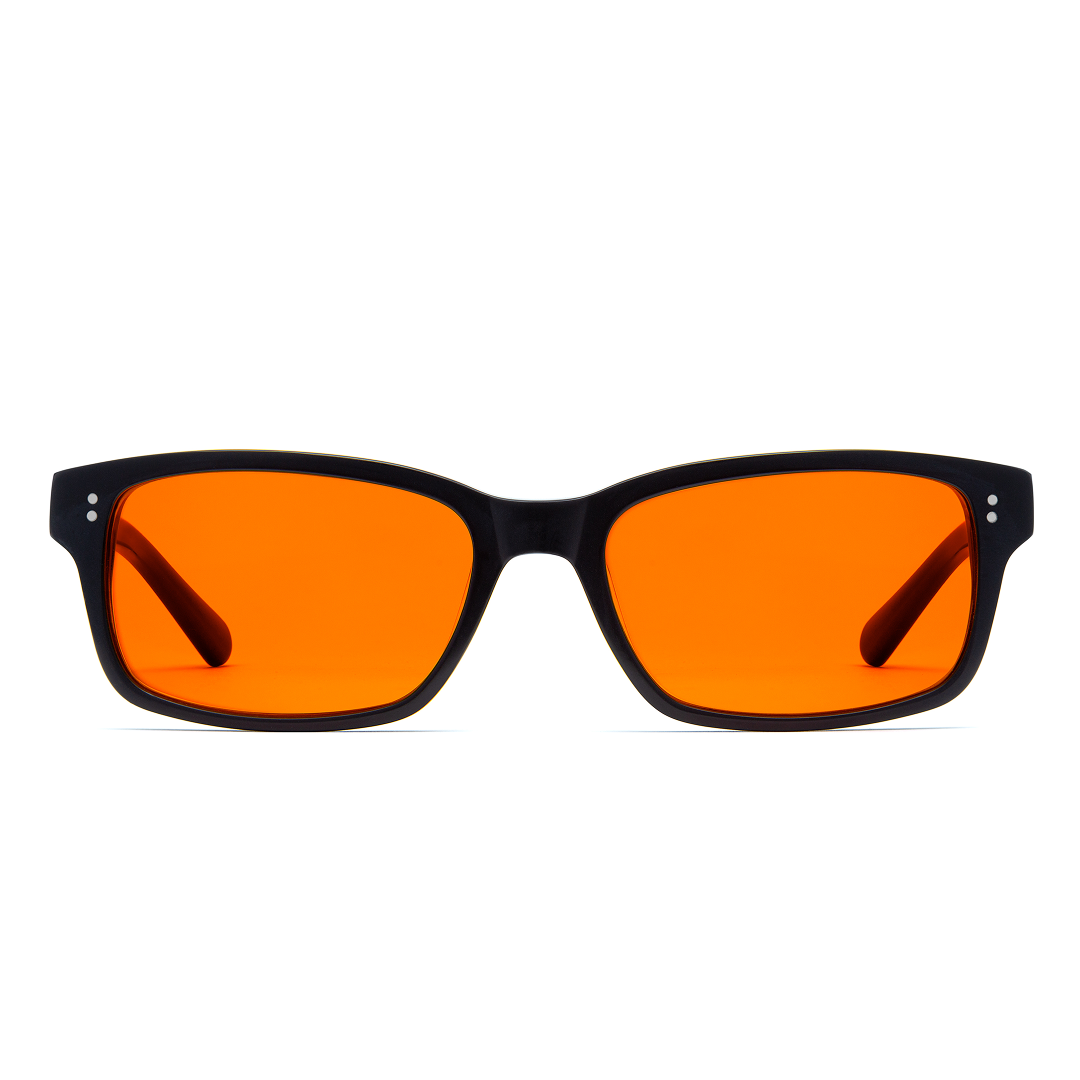
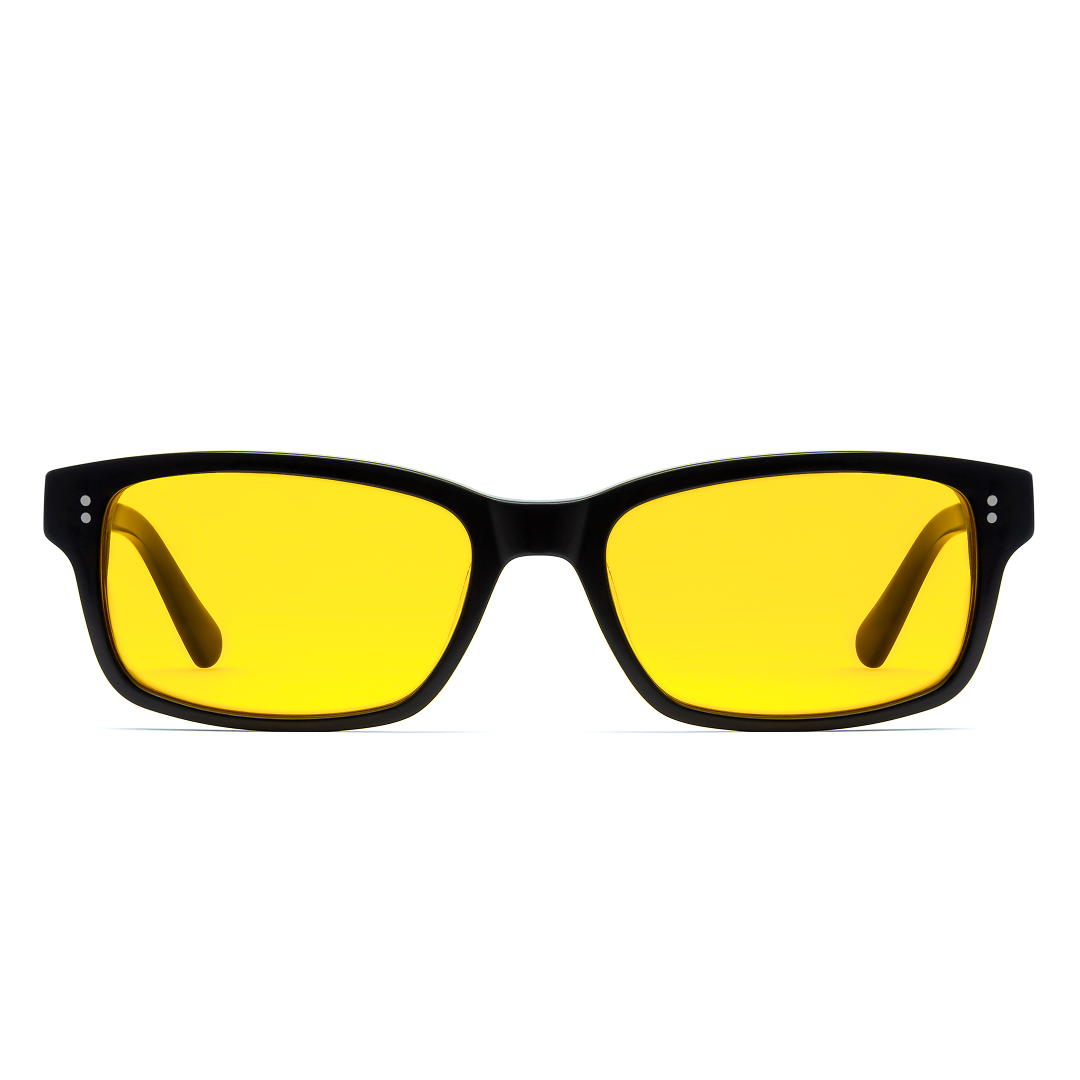
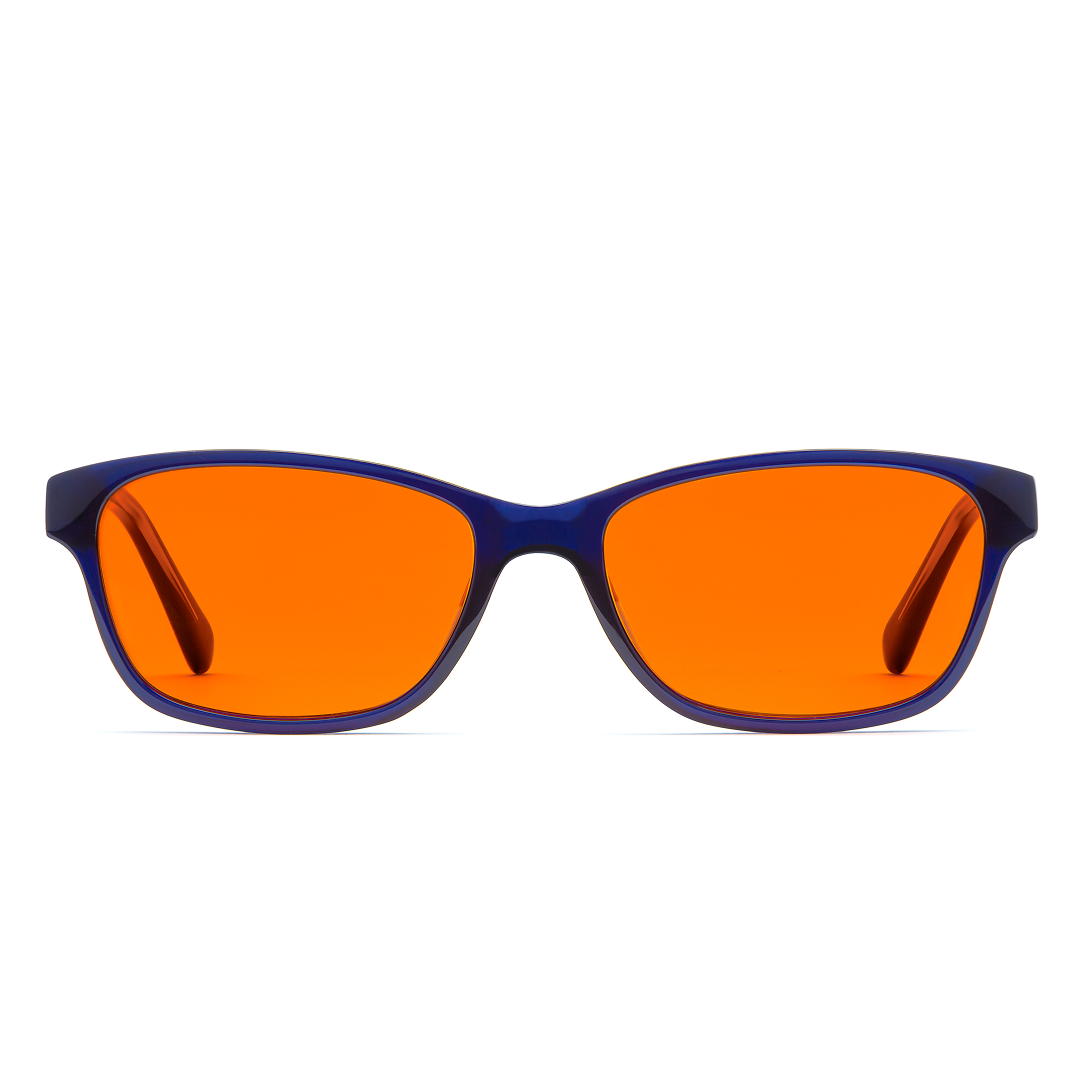
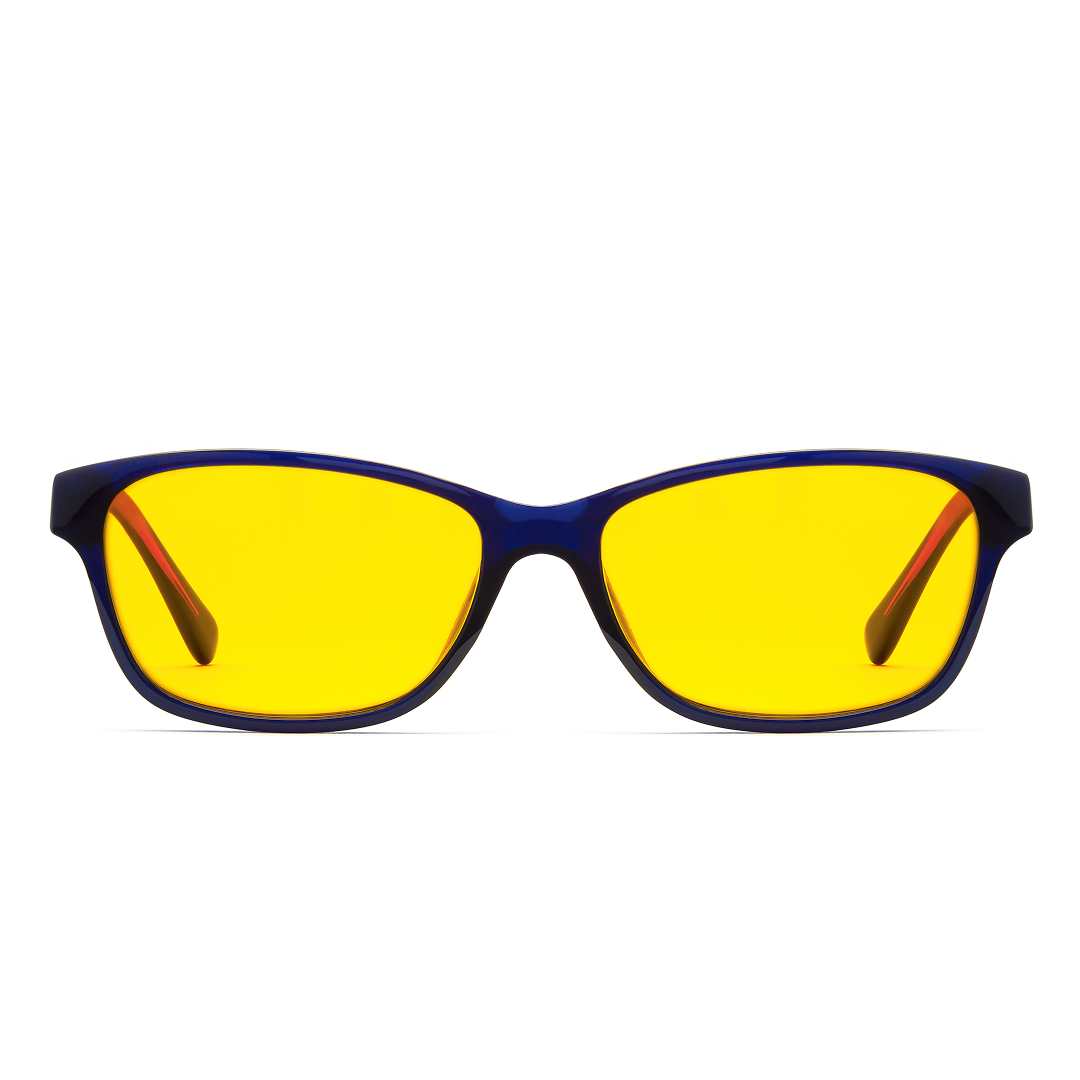
My suggestion is if you wear contacts to remove them and go back to glasses. When outdoors, take your glasses off. When indoors, under the influence of artificial light, make sure you are blocking blue frequencies 420- 465 nm with blue light blocking lenses. The benefits go beyond eye health.
The vagus nerve responds to UVA light. The vagus nerve can be stimulated via UVA light on the eyes because it surfaces around the eye muscles. Wearing sunglasses or contact lenses blocking UV light will reduce this vagus nerve stimulation and leave you more vulnerable to remaining in your fight or flight, stressed state, altering vagal tone and general eye health.

Citations:
-
Effects of Hypoxia and Hypercapnia on Contact Lens-Induced Corneal Acidosis. https://pubmed.ncbi.nlm.nih.gov/8725019
-
Rivera RK, Polse KA. Optometry and Vision Science: Official Publication of the American Academy of Optometry. 1996;73(3):178-83. doi:10.1097/00006324-199603000-00009.
-
Effects of Hypoxia on Corneal Epithelial Permeability. https://pubmed.ncbi.nlm.nih.gov/10030556
-
McNamara NA, Chan JS, Han SC, Polse KA, McKenney CD. American Journal of Ophthalmology. 1999;127(2):153-7. doi:10.1016/s0002-9394(98)00342-0.
-
Oxygen-Deficient Metabolism and Corneal Edema. https://pubmed.ncbi.nlm.nih.gov/21820076
-
Leung BK, Bonanno JA, Radke CJ. Progress in Retinal and Eye Research. 2011;30(6):471-92. doi:10.1016/j.preteyeres.2011.07.001.


Disclaimer
The information on this site is provided by BioSpectral Systems for educational and informational purposes only. It is not intended to diagnose, treat, cure, or prevent any disease and has not been evaluated by the U.S. Food and Drug Administration or any other regulatory authority. Always consult a qualified healthcare professional before making any changes to your health regimen. By using this site, you acknowledge that you do so at your own discretion and agree that BioSpectral Systems, its affiliates, and contributors are not liable for any outcome resulting from the use of the information presented.
Share:
What is Leptin? Only the Most Important Hormone to Human Health
Do Blue Light Glasses Work? Why Your Clear Blue Light Glasses May Be Doing Nothing