


CVS as an Allostatic, Gut–Brain and Neuroendocrine Disorder
Cyclical Vomiting Syndrome (CVS) has strong neurological, mitochondrial, and autonomic nervous system ties, which is why anti-migraine and seizure meds are often considered. But before going that route, optimizing mitochondrial function, circadian rhythm, and autonomic balance may prevent episodes or reduce severity.
Current consensus classifies CVS as a chronic disorder of gut–brain interaction, not just a local gut problem. Episodes are often triggered by classical allostatic stressors such as prolonged fasting, sleep deprivation, infections, intense physical or emotional stress and menses, mirroring migraine biology. Stress related activation of the sympathetic nervous system and hypothalamic–pituitary–adrenal axis alters signalling in the brainstem vomiting centres, gut vagal efferents and autonomic outflow to the stomach and intestine. This fits with data showing autonomic abnormalities and dysautonomia in many patients with CVS, including prominent sympathetic signs during attacks.
From a biophysics standpoint, this looks like an allostatic overload problem in a vulnerable neuro mitochondrial network. Medullary nuclei that coordinate the emetic reflex, limbic circuits that encode threat, and gut enteric neurons that drive motility are all highly energy dependent and tightly coupled to circadian and light driven timing cues. When mitochondrial capacity is marginal for genetic or environmental reasons and the system is pushed by repeated sympathetic surges, circadian misalignment and sleep debt, the threshold for a full vomiting episode drops. This is consistent with associations between CVS, migraine, mitochondrial DNA polymorphisms and maternal inheritance patterns, which all point back to shared mitochondrial vulnerability in brain and gut tissues.
-
Mitochondrial Dysfunction & Energy Deficit:
-
CVS has been linked to mitochondrial dysfunction, explaining its overlap with migraines and seizures. CoQ10, riboflavin (B2), and L-carnitine support mitochondrial ATP production and are recommended in CVS management.
-
Studies suggest mitochondrial-targeted therapy may help prevent episodes. (PubMed: 31241819 - https://pubmed.ncbi.nlm.nih.gov/31241819)
-
Autonomic Nervous System Dysregulation:
-
Many with CVS have dysautonomia, where sympathetic overdrive (stress response) disrupts gut-brain signaling.
-
Techniques like HRV biofeedback, cold thermogenesis, vagus nerve stimulation (humming/gargling), and controlled breathing can improve autonomic balance.
-
Circadian & Light Environment Optimization:
-
Disruptions in melatonin production (due to artificial light exposure at night) affect gut motility and vomiting reflexes.
-
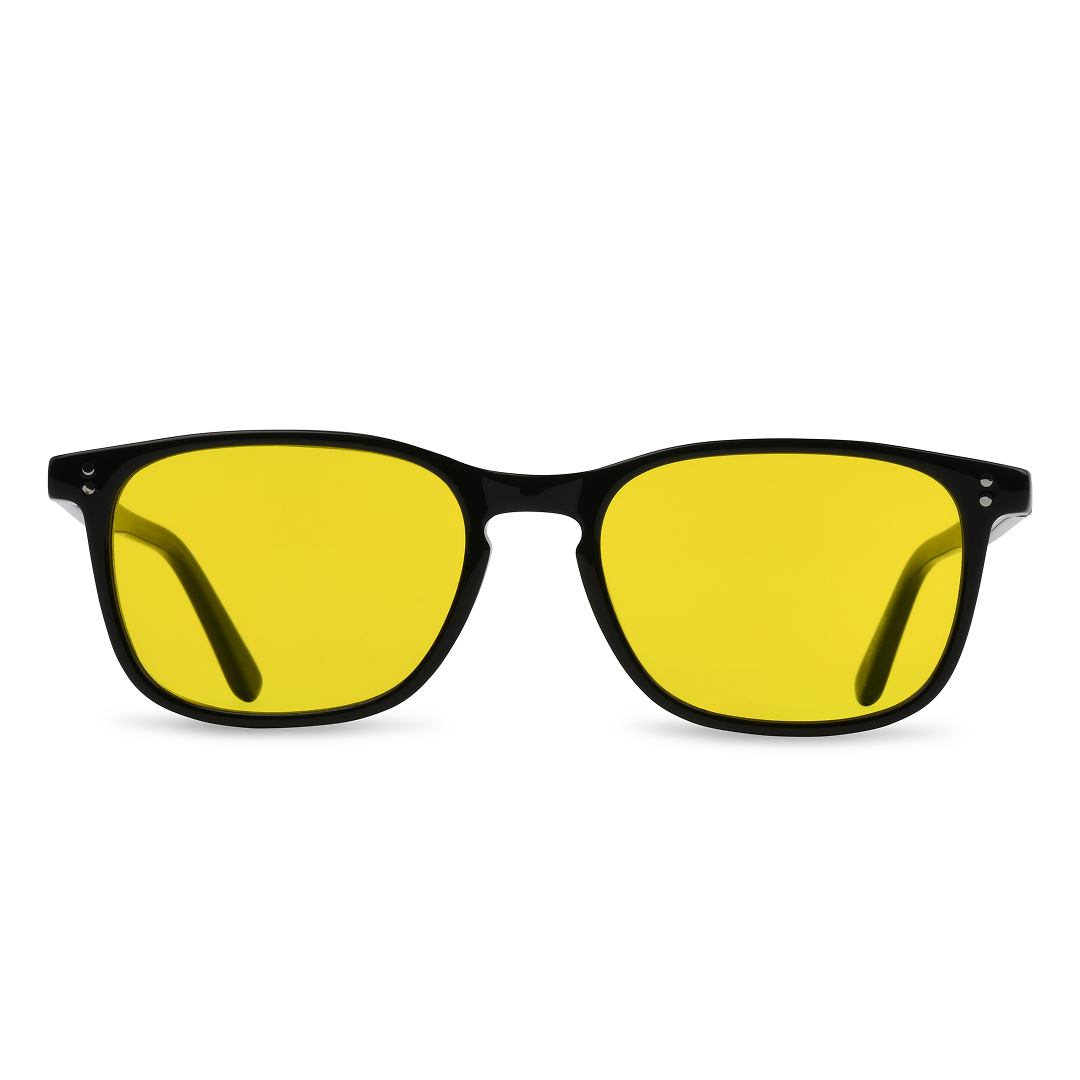
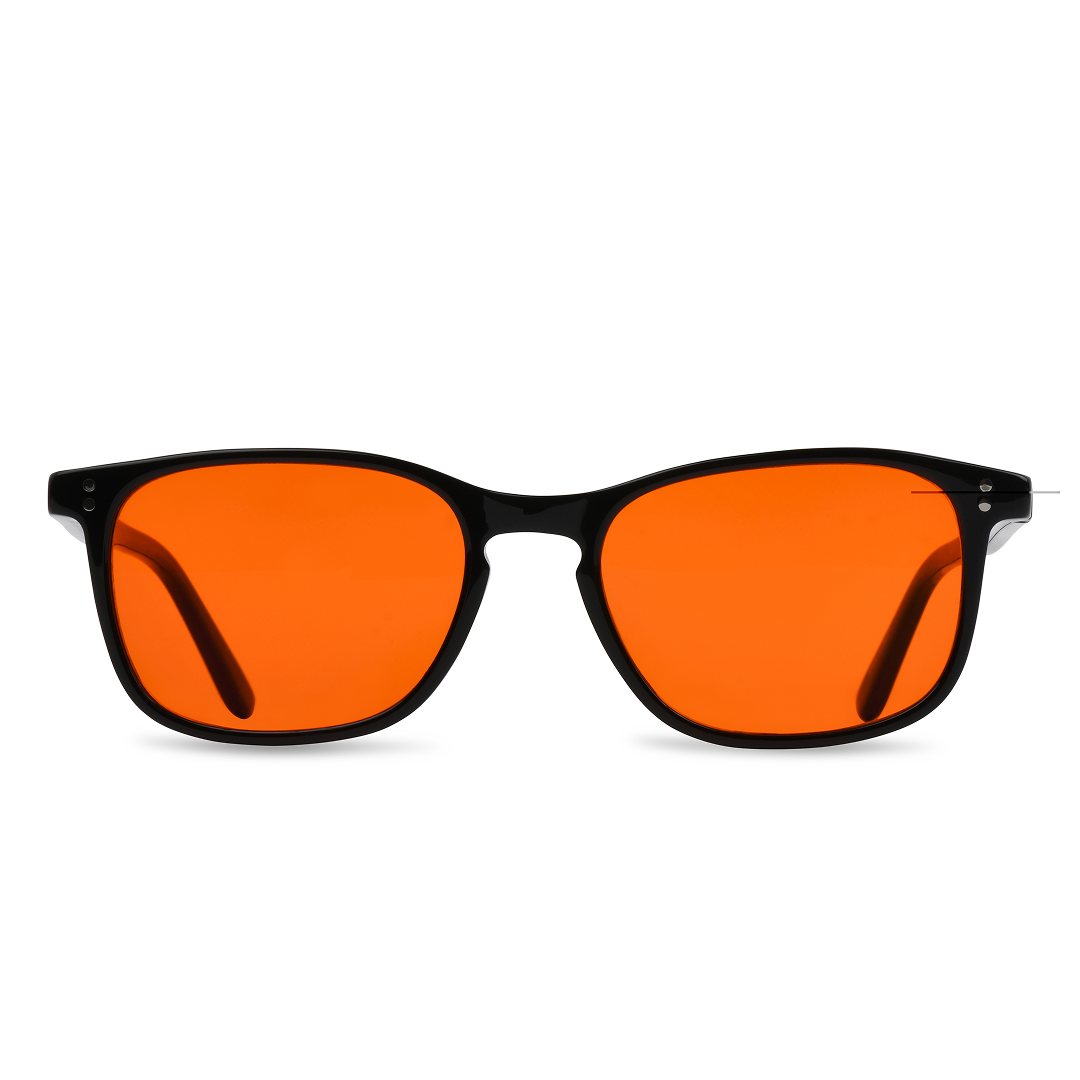
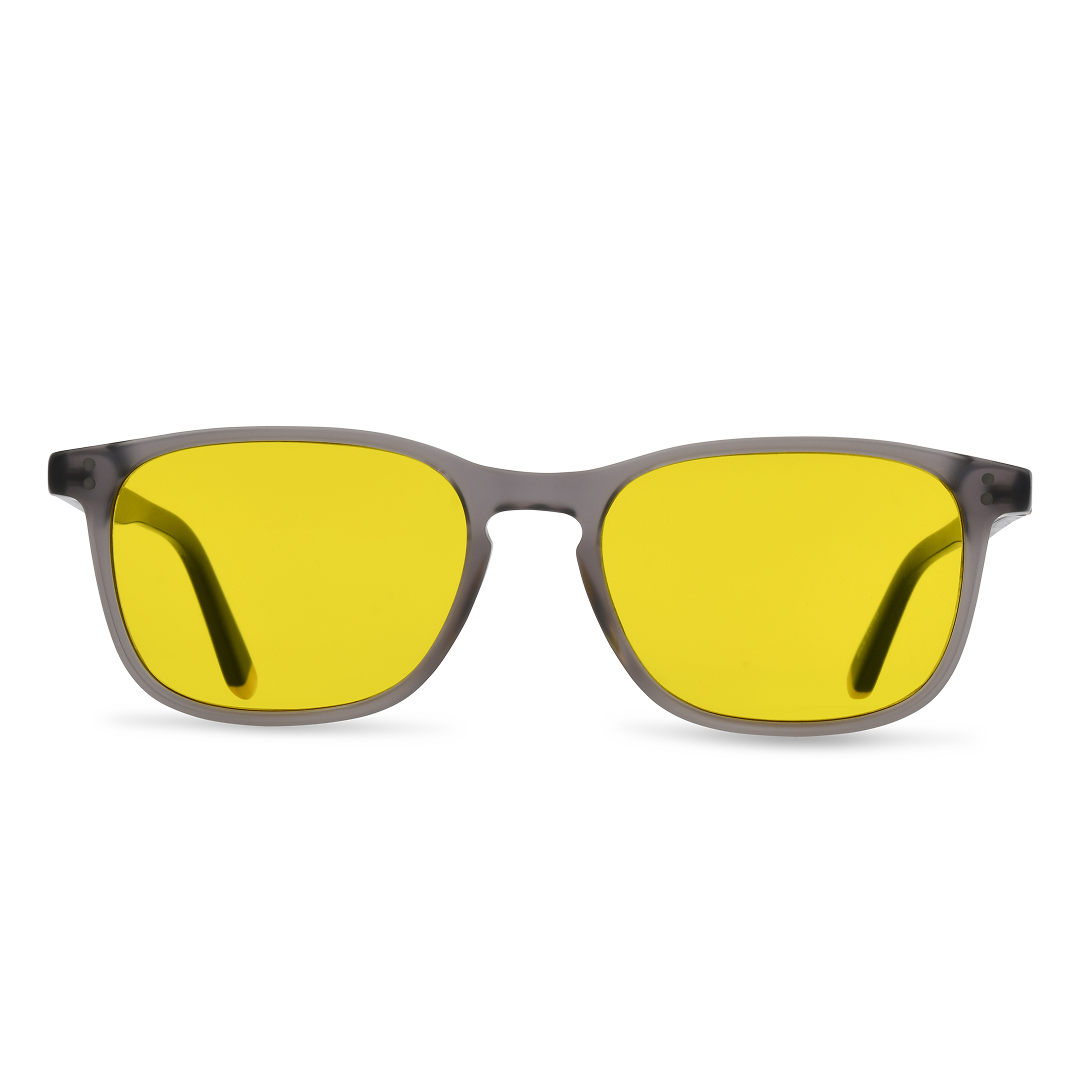
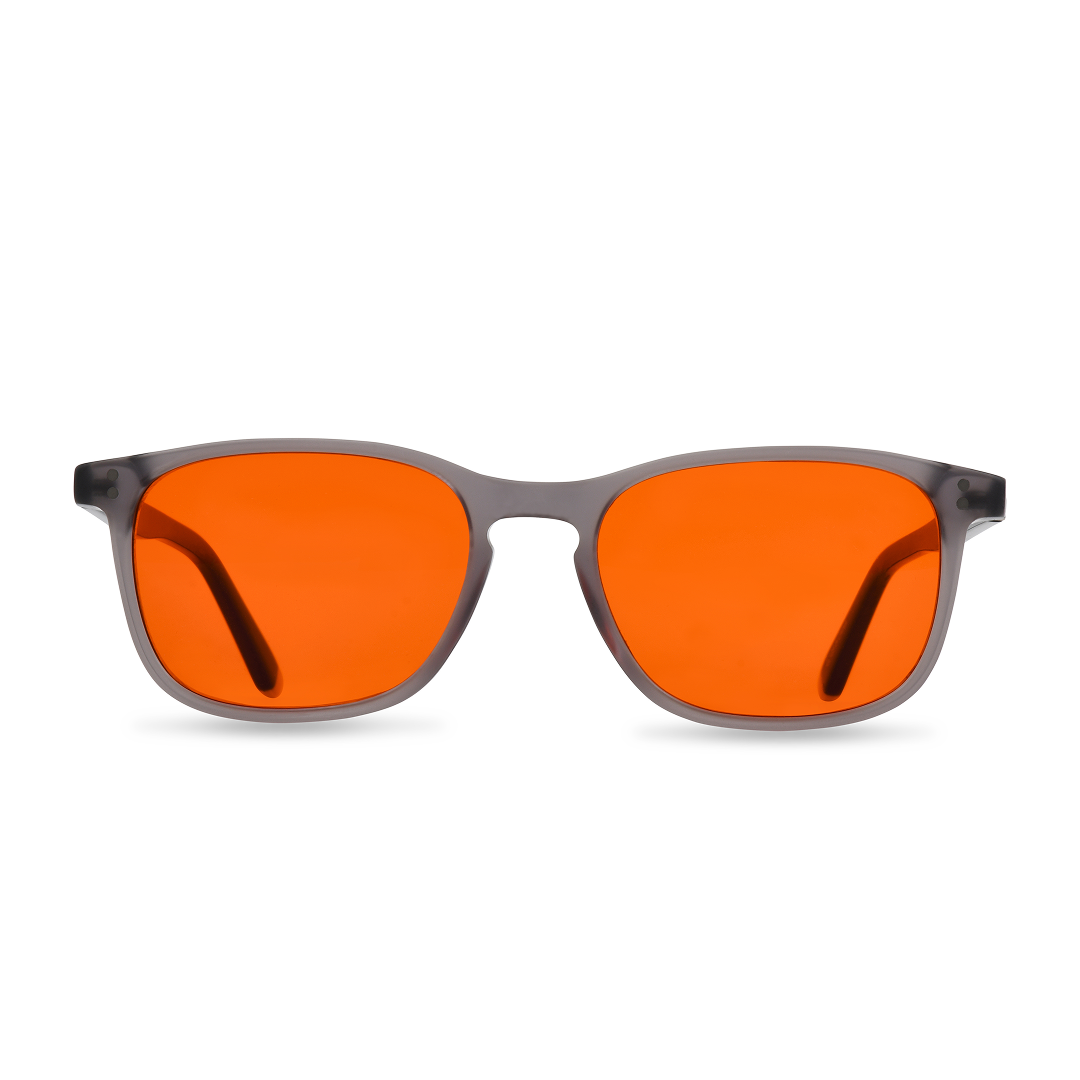
Sunlight exposure in the morning + avoiding blue light at night will improve circadian control over nausea pathways.
-
Acupuncture & Bioelectromagnetic Modulation:
-
Acupuncture (including electroacupuncture) has been shown to reduce CVS episodes, likely through neuromodulation and autonomic regulation. (PubMed: 39705478 - https://pubmed.ncbi.nlm.nih.gov/39705478)

-
Stress & Brain-Gut Axis Regulation:
-
Meditation, relaxation techniques, and biofeedback are recommended as CVS often coexists with anxiety, depression, and sleep disorders. Reducing HPA-axis hyperactivity can mitigate triggers. (PubMed: 31241819 - https://pubmed.ncbi.nlm.nih.gov/31241819)
TL;DR: CVS is more than just a gut issue, it’s a neurometabolic disorder with mitochondrial, circadian, and autonomic components. Supporting mitochondria, vagus nerve, and circadian health can be a game-changer. Happy to help further.
Foundational Biophysics Implications
CVS can be framed as a neurometabolic timing disorder in which a sensitised gut–brain network fails under predictable loads. The same triggers keep showing up stress, sleep loss, circadian disruption, fasting or chaotic fueling patterns, indoor artificial light at night, mitochondrial strain and autonomic overactivation. Supporting mitochondrial redox, restoring robust light driven circadian signalling, stabilising autonomic tone through vagal and breath work, and respecting regular feeding and recovery windows gives the system more voltage and more margin, so the same triggers are less likely to push the child over the threshold into a full episode. Pharmaceutical tools may still be needed, especially in severe cases, yet they work better and are needed less often when the biophysical terrain of light, sleep, energy and autonomic regulation is rebuilt underneath.
One of the most overlooked features of Cyclical Vomiting Syndrome is that vomiting is not just a stomach event, it is a whole body emergency program. By the time a child or adult is retching, the brainstem, vagus nerve, sympathetic nervous system, adrenal output, gut smooth muscle, diaphragm, blood chemistry, and fluid balance are already participating in a coordinated response. This is why CVS so often travels with pallor, sweating, exhaustion, abdominal pain, altered bowel function, migraine traits, and profound fatigue afterward. The body is not malfunctioning randomly, it is executing a compensatory survival pattern through a network that has become too easy to trigger. In biophysical terms, the threshold for orderly signalling has dropped. Once enough stress, sleep debt, fasting, infection, emotional strain, or light mismatch accumulates, the gut brain axis flips from coordinated regulation into an emergency purge state.
The acid reflux and upper gastrointestinal symptoms that often accompany this pattern are also part of a larger pH and autonomic story. Stomach acid is supposed to be highly acidic, while the esophagus, mouth, and small intestine require very different pH conditions. That entire gradient depends on ATP, membrane voltage, chloride transport, hydrogen ion handling, bicarbonate balance, and timely vagal signalling. When mitochondrial function is strained, the body does not lose only “energy” in some vague sense, it loses precision. Proton currents become less well controlled, gastric emptying slows, pyloric tone can become dysregulated, and the normal timing of digestive secretions becomes less coherent. The result may look like reflux, nausea, burping, food sitting in the stomach too long, or hypersensitivity to normal digestive events. In that sense, reflux is not just acid “coming up.” It is often evidence that the electromechanical choreography between stomach, diaphragm, vagus nerve, and enteric nervous system has lost synchrony.
Water chemistry matters here more than most people realise. The gut is a charged fluid environment, and digestion depends on the movement of protons, electrons, minerals, and water across membranes with extraordinary precision. Structured water around proteins and membranes helps maintain enzyme conformation, membrane potentials, and coherent proton transfer. When redox is poor, sleep is fragmented, and circadian signalling is weak, the body’s water handling becomes less coherent. That means worse mucus layer quality, poorer barrier function, less efficient ATPase activity, and more oxidative stress across the gastrointestinal lining. In a child with CVS, you can think of the stomach and upper gut as a tissue that is repeatedly falling out of electrical rhythm. The nausea is not just “in the head” and not just “in the stomach.” It is the sensation produced when the electrochemical dialogue between them becomes noisy and unstable.
There is also a deep brain gut biochemical connection involving serotonin, dopamine, melatonin, cortisol, histamine, and calcitonin gene related peptide, or CGRP, that helps explain why CVS resembles migraine biology so closely. The gut makes and handles large amounts of serotonin, but serotonin signalling is heavily shaped by circadian timing, vagal tone, inflammation, microbiome activity, and mitochondrial redox state. Dopamine and histamine likewise influence nausea thresholds and vomiting circuitry in the area postrema and related medullary centres. Melatonin, which many people think of only as a sleep hormone, also regulates gut motility, mucosal protection, mitochondrial antioxidant defense, and autonomic timing. When artificial light at night suppresses melatonin and morning light is weak or absent, the gut loses one of its key timing molecules. So the child with CVS is often living in a body where the clocks of the brain, gut, adrenals, and mitochondria are no longer in sync. The syndrome is the output of that mistiming.
Conclusion paragraph
The most useful way to view CVS is not as an isolated digestive disorder, but as a sign that the body is spending too much time compensating and not enough time restoring order. The good news is that this means the body is still trying to heal, regulate, and protect. Our job is to remove the barriers that keep that restoration from happening. Better light timing, more robust sleep architecture, regular feeding windows, fewer sympathetic surges, stronger mitochondrial support, more stable blood sugar, and a calmer autonomic terrain all give the system back the voltage, timing, and coherence it needs. When those fundamentals return, homeostasis does not need to be forced. The body begins to remember how to do what it has been trying to do all along.




Disclaimer
The information on this site is provided by BioSpectral Systems for educational and informational purposes only. It is not intended to diagnose, treat, cure, or prevent any disease and has not been evaluated by the U.S. Food and Drug Administration or any other regulatory authority. Always consult a qualified healthcare professional before making any changes to your health regimen. By using this site, you acknowledge that you do so at your own discretion and agree that BioSpectral Systems, its affiliates, and contributors are not liable for any outcome resulting from the use of the information presented.
Share:
How Light, Sleep, and Stress Shape Your Brain and Body: The Orexin Eye Prism
Blue Light and Sleep: How Does Blue Light Affect Your Children Sleep Habits?