


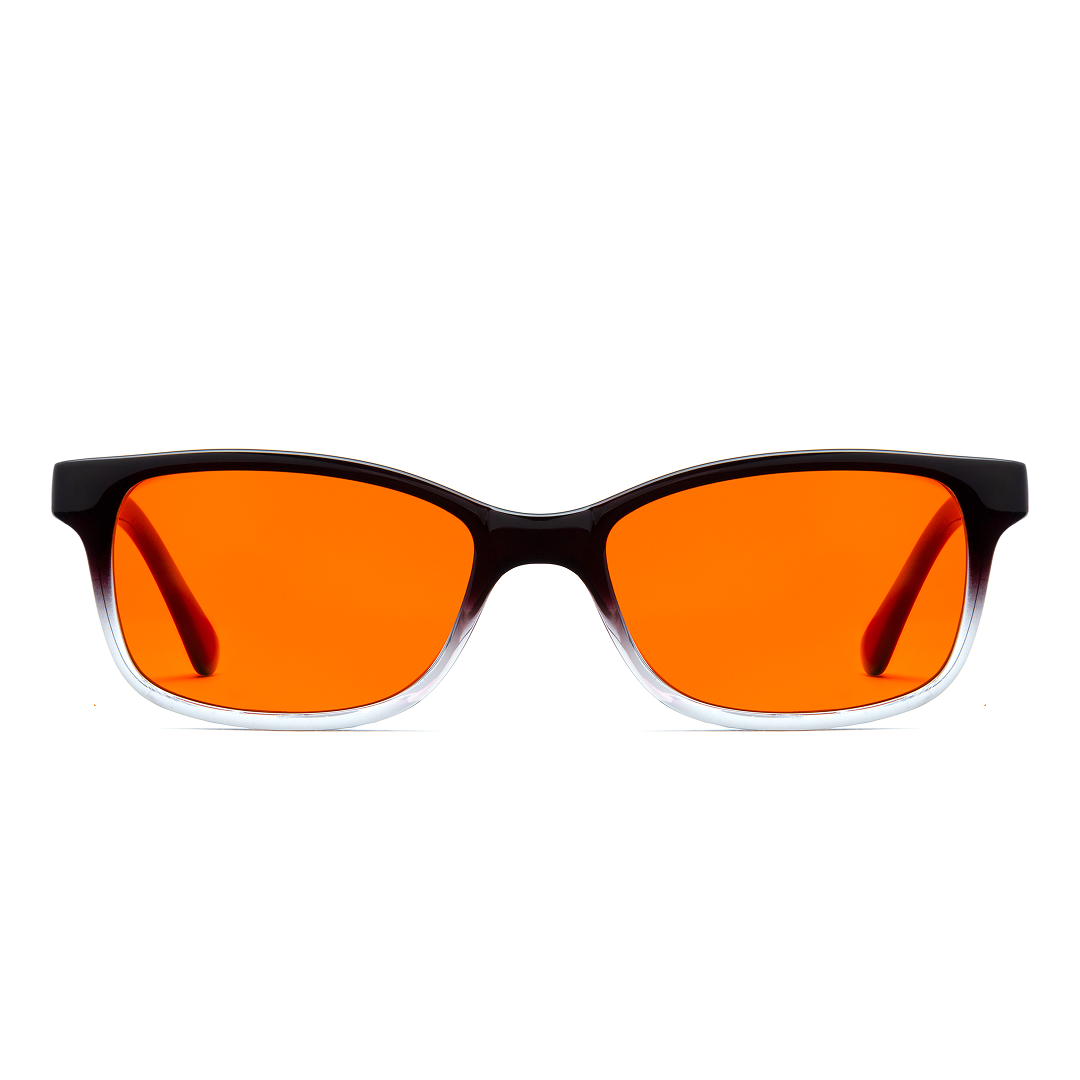
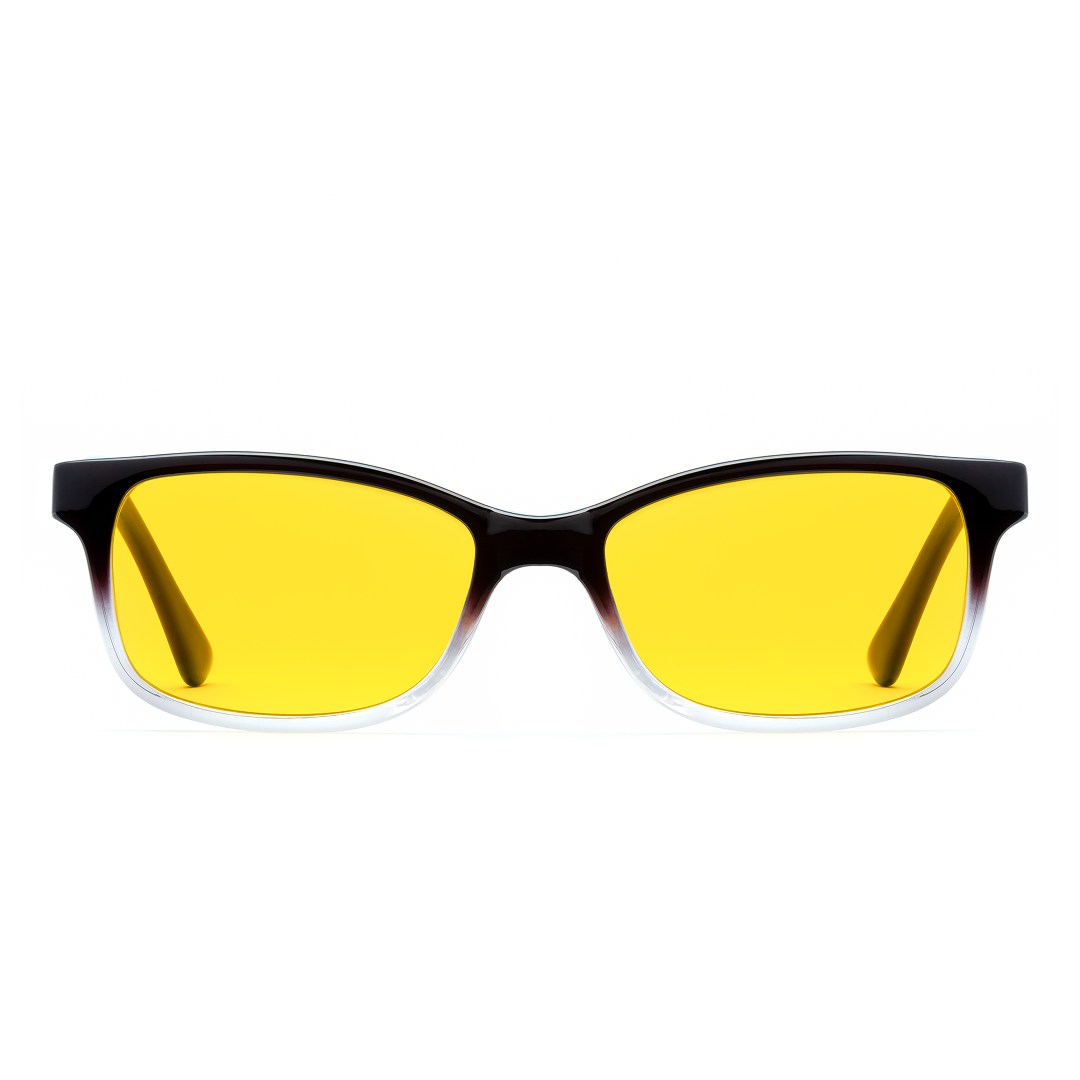
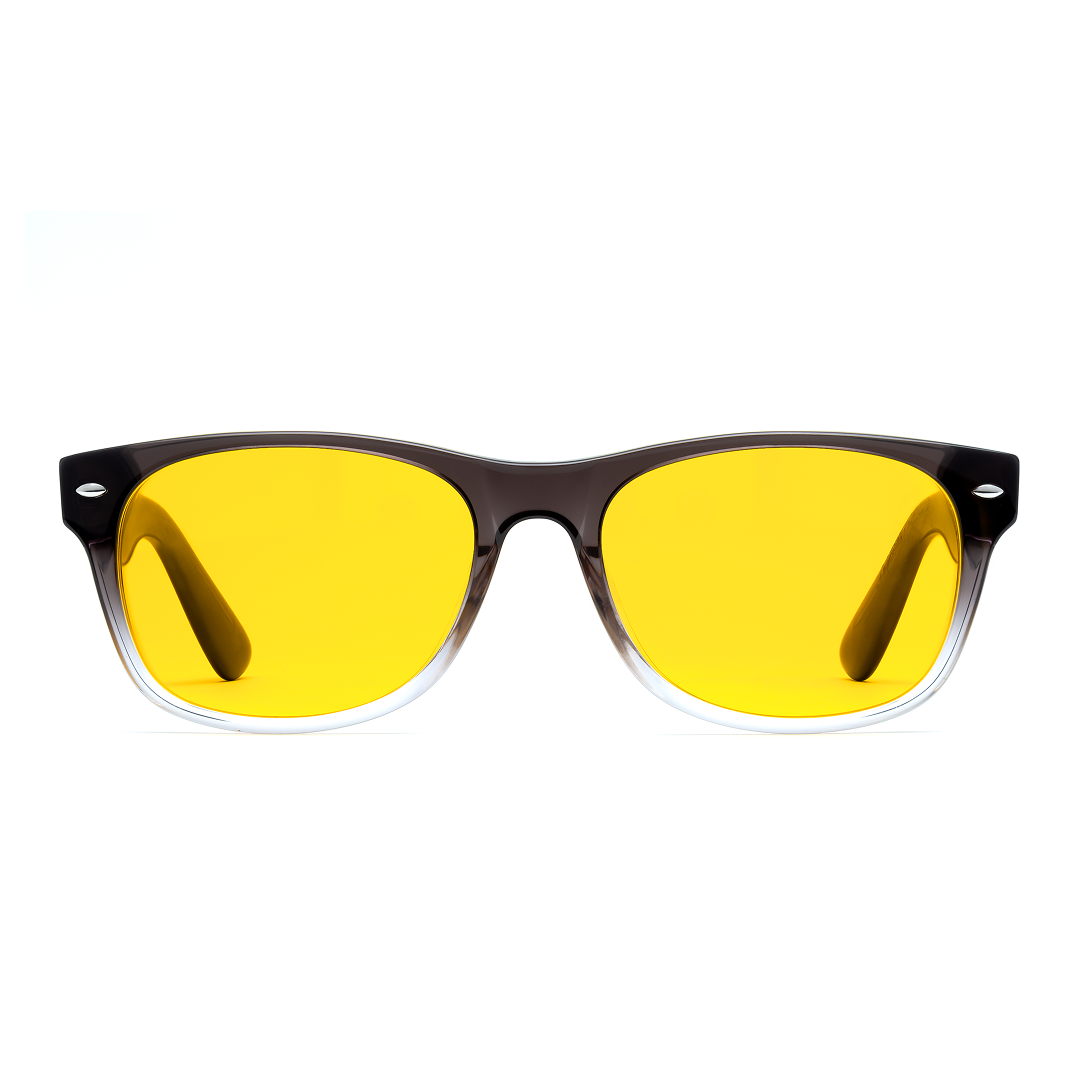
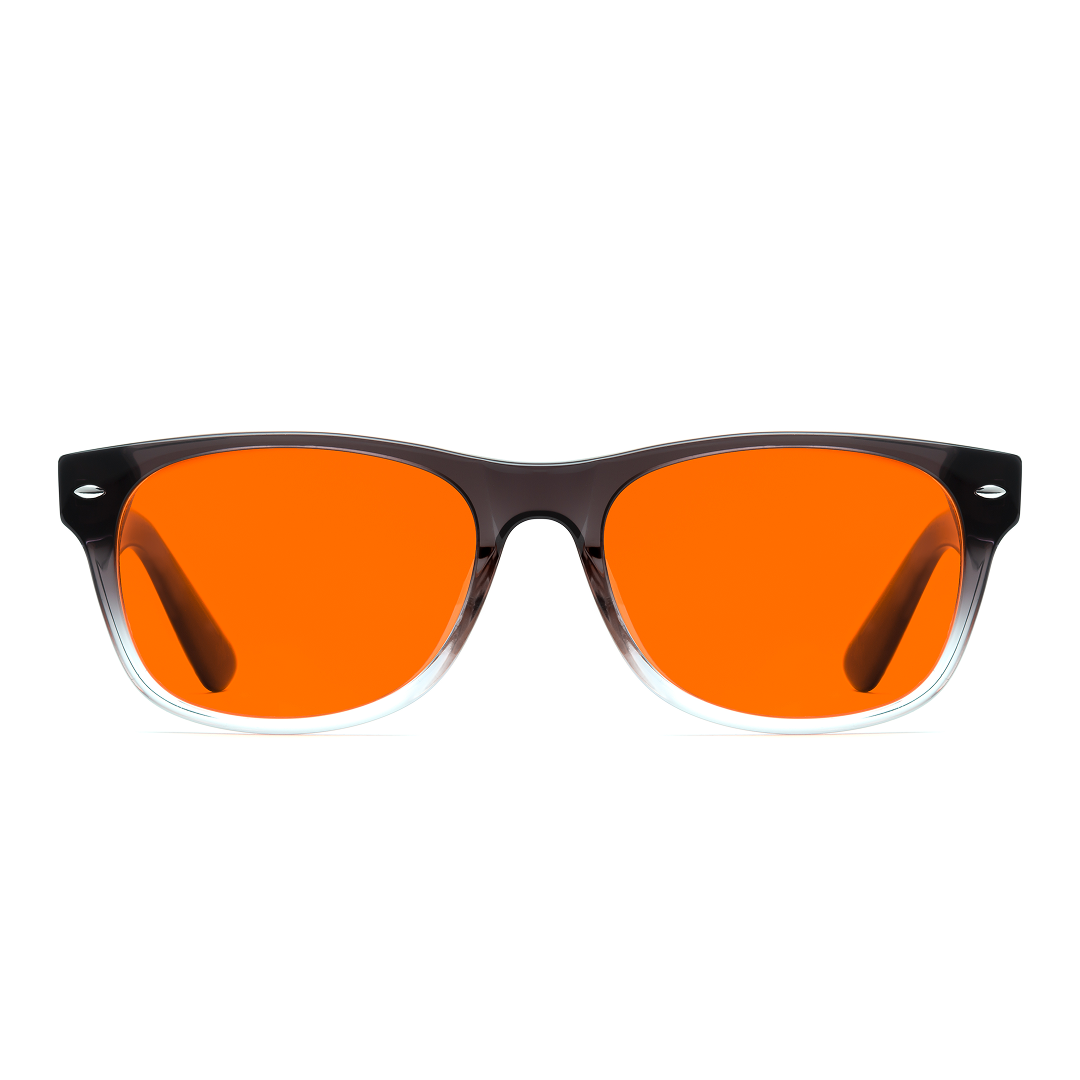
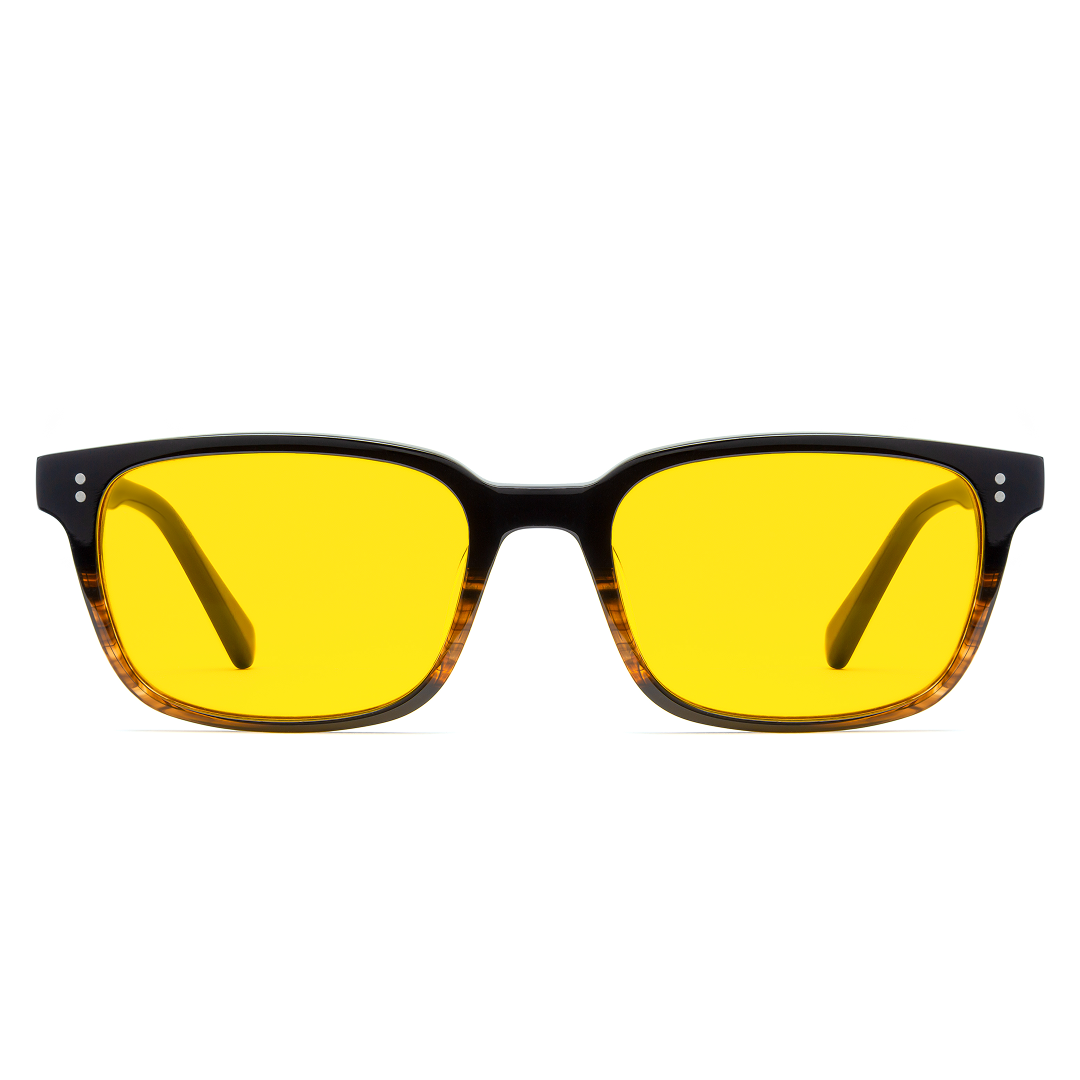
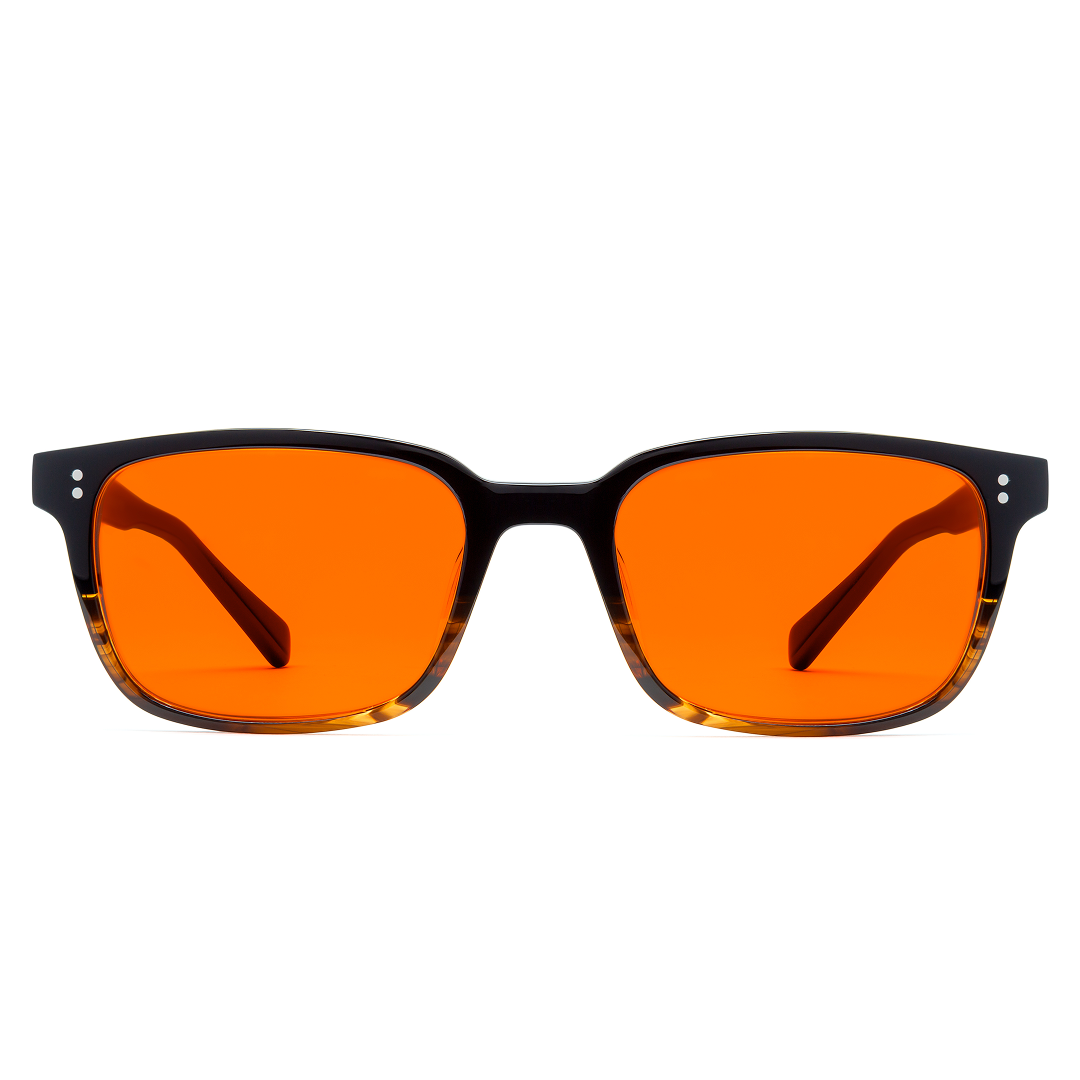
Light plays a profound role in regulating brain function, learning, memory, and emotional regulation. Conditions such as ADHD, dyslexia, autism, migraine disorders, anxiety, and sleep-related dysfunctions are often linked to disruptions in visual and non-visual light processing. Colored lenses, particularly orange or red, can profoundly impact how individuals with these conditions process light, improving both visual clarity and neurological function.
This piece explores how light interacts with visual and non-visual systems to influence behavior, brain function, and overall health.
Visual Processing and Colored Lenses
Individuals with visual processing challenges often experience difficulty in interpreting visual information, which can interfere with reading, focus, and memory. Here is how colored lenses help:
1. Enhancing Visual Clarity:
- Colored lenses, especially orange or red, filter out high-energy blue light (455 nm) emitted by artificial sources like screens and LED lighting.
- By reducing glare and overstimulation, these lenses stabilize the visual field, making text appear clearer and less distorted. This can be transformative for individuals with dyslexia, where visual instability often makes reading difficult.
2. Reducing Eye Strain:
- Prolonged exposure to artificial blue light can cause digital eye strain, characterized by discomfort, headaches, and difficulty focusing.
- Colored lenses alleviate strain by balancing the input to the retina's cone photoreceptors, preventing overstimulation of certain pathways.
3. Improving Visual Contrast:
- Dyslexia and other visual processing disorders often involve difficulties in distinguishing letters or objects against backgrounds. By enhancing contrast perception, colored lenses enable the brain to process visual details more effectively, supporting better reading, learning, and memory retention.
Non-Visual Impact of Light and Colored Lenses
The effects of light go beyond visual perception, deeply influencing the brain’s non-visual systems. These pathways regulate critical functions like circadian rhythms, stress response, and emotional regulation.
1. Phototransduction and the Non-Visual System:
- Light entering the eye stimulates not only rods and cones but also melanopsin containing retinal ganglion cells (ipRGCs), which send signals directly to the brain's suprachiasmatic nucleus (SCN). The SCN acts as the master clock for circadian rhythms.
- Blue light overstimulation disrupts the SCN, suppressing melatonin production in the pineal gland. This leads to poor sleep quality, impaired learning, and reduced memory consolidation.
2. Stress and Cortisol Regulation:
- Excessive blue light exposure activates the hypothalamic-pituitary-adrenal (HPA) axis, increasing cortisol levels. Elevated cortisol disrupts focus, emotional regulation, and long-term health.
- By filtering out blue light, colored lenses reduce overstimulation of the HPA axis, promoting relaxation and improving cognitive function.
3. Dopamine and Neural Plasticity:
- Dopamine, a neurotransmitter critical for focus and reward processing, is heavily influenced by light. Blue light overactivation can dysregulate dopaminergic pathways, exacerbating symptoms of ADHD and impairing learning.
- Colored lenses stabilize light input, helping to normalize dopamine signaling and support neural plasticity.
Behavioral and Functional Impacts
The combined visual and non-visual benefits of colored lenses translate to dramatic improvements in behavior and brain function for individuals with conditions like ADHD and dyslexia:
-
Better Focus and Attention: Filtering out disruptive blue light allows the brain to allocate resources more effectively, reducing hyperactivity and impulsivity in ADHD.
-
Improved Learning and Memory: Stabilized light input enhances the brain’s ability to encode and retrieve information, critical for educational success in dyslexia.
-
Enhanced Emotional Regulation: By reducing cortisol levels and improving circadian rhythms, colored lenses support a calmer, more balanced mental state.
Artificial Light as a Key Aggravation
Artificial light, particularly from screens, peaks at 455 nm and poses significant challenges to both visual and neurological systems:
-
Circadian Disruption: Suppression of melatonin leads to sleep disorders, reduced energy, and cognitive decline.
-
Oxidative Stress in the Retina: Excessive blue light causes cellular damage in the retina, further impairing visual processing.
-
Neurological Overload: Continuous exposure dysregulates SCN signaling, leading to poor stress management, memory issues, and emotional instability.

The Biophysics of Light in the Brain
The eye is not just a visual organ but a key interface for light-driven neurological regulation. Here’s how light impacts brain function:
-
Photoreceptors and Melanopsin: Light stimulates retinal cells, triggering electrical signals that influence both visual and non-visual brain regions.
-
SCN and Circadian Rhythms: The SCN receives light input to regulate sleep-wake cycles, hormone secretion, and cellular repair.
-
Hypothalamus-Pituitary Interaction: Light-driven signals modulate cortisol rhythms and stress responses, impacting focus and mood.
-
Hippocampus and Memory: Stable circadian rhythms supported by balanced light input enhance hippocampal function, critical for learning and memory consolidation.
Conclusion
Colored lenses, particularly orange, provide a powerful tool to mitigate the harmful effects of artificial blue light on visual and non-visual systems. By enhancing visual clarity, reducing stress responses, and supporting circadian regulation, these lenses dramatically improve the behavior and cognitive function of individuals with conditions like ADHD, dyslexia, and related disorders.
Integrating this biophysical understanding into therapeutic strategies holds transformative implications for health and well-being in today’s artificial light environment.





Disclaimer
The information on this site is provided by BioSpectral Systems for educational and informational purposes only. It is not intended to diagnose, treat, cure, or prevent any disease and has not been evaluated by the U.S. Food and Drug Administration or any other regulatory authority. Always consult a qualified healthcare professional before making any changes to your health regimen. By using this site, you acknowledge that you do so at your own discretion and agree that BioSpectral Systems, its affiliates, and contributors are not liable for any outcome resulting from the use of the information presented.
Share:
How Light, Sleep, and Stress Shape Your Brain and Body: The Orexin Eye Prism
Blue Light and Sleep: How Does Blue Light Affect Your Children Sleep Habits?