

 Abstract
Amyotrophic Lateral Sclerosis (ALS) remains a devastating neurodegenerative condition without a known cure. Conventional frameworks struggle to resolve its complexity due to their reliance on centralized, algorithmic approaches that fail to capture individualized environmental and mitochondrial dynamics. This document reframes ALS through a decentralized, biophysical lens, integrating mitochondrial redox signaling, light-mediated damage, myelin integrity, and evolutionary biology to uncover a coherent, testable mechanism for disease onset and progression.

1. Introduction
Amyotrophic Lateral Sclerosis is characterized by the progressive loss of upper and lower motor neurons, leading to muscle wasting, paralysis, and ultimately respiratory failure. Traditional biomedical approaches have failed to offer a unifying cause or effective treatment, as ALS presents a multifactorial etiology that appears deeply connected to mitochondrial function, myelin degeneration, sleep disruption, and environmental stressors, particularly non-native electromagnetic fields (nnEMFs) and artificial blue light exposure.
1 ALS, FTD, and Motor Neuron Disease (MND) Classification
ALS, FTD, and Motor Neuron Disease (MND) Classification
Motor neuron disease (MND) describes a group of neurological disorders marked by the progressive degeneration of motor neurons. ALS is the most common and aggressive MND subtype, involving both upper and lower motor neuron loss, which ultimately leads to muscle wasting, paralysis, and respiratory failure. Notably, ALS shares a clinical and pathological spectrum with frontotemporal dementia (FTD), a form of early-onset dementia involving the frontal and temporal lobes. Up to 50% of ALS patients display cognitive or behavioral signs of FTD, and 5–10% are formally diagnosed with it. While FTD pathology is linked more to the breakdown of the blood-brain barrier (BBB), ALS pathology often implicates the cervical spinal cord barrier (CSCB), suggesting region-specific vulnerabilities to shared upstream stressors.
Alpha Wave Decoupling and Circadian Collapse
A major overlooked contributor to motor neuron disease progression is the decoupling of the brain’s alpha rhythm (~8 Hz), which is regulated by the thalamus and synchronized with Earth’s Schumann resonance. Man-made non-native electromagnetic fields (nnEMFs), including those from mobile devices and wireless networks, generate pulsatile waveforms that disrupt this circadian entrainment. Disruption of this coupling impairs dopamine signaling, vital for precision in neural firing, and suppresses melatonin, reducing neuronal autophagy and repair. This double hit increases neuronal noise and damage, setting the stage for both ALS and its MND counterparts, including Parkinson’s and ADHD.
2. Biophysical Pathogenesis Overview
ALS progression is marked by:
-
Mitochondrial heteroplasmy and dysfunction
-
Myelin (cholesterol and glycerol-phospholipids) thinning and increased energy demand at nodes of Ranvier. These nodes are small gaps between segments of myelin sheath along axons, densely packed with ion channels and mitochondria. When myelin thins, the energy required to propagate action potentials through these nodes increases dramatically, accelerating neuronal stress and degeneration.
-
Increased oxidative stress and ROS accumulation
-
Circadian disruption and sleep dysfunction
-
Shannon information loss at the neuromuscular junction (NMJ)
Excessive exposure to artificial unbalanced blue light (~400–470 nm) and nnEMFs destabilizes mitochondrial energy production and communication, particularly in the highly specialized NMJ system, by introducing signal noise and impairing cellular redox balance.
3. Myelin, Sleep, and Mitochondrial Integrity
Disruptions in the protein hnRNP A1 are linked to impaired myelination and increased sleep requirements. ALS patients often exhibit both poor sleep and reduced white matter volume, indicating that myelin deficits contribute directly to energy inefficiency, increased signal loss, and cognitive fatigue. Reduced white matter means less structured photonic control, more random light loss, and lower energy efficiency in brain signaling.
Blue-shifted ultraweak photon emissions (UPEs), triggered by light and nnEMF stress, are known to increase in the absence of sufficient myelin. Myelin acts as a capacitor-like structure that maintains proton gradients and stabilizes electrical signaling along axons. As myelin thins, more light is released uncontrollably from the nodes of Ranvier, where mitochondrial density is highest, damaging surrounding motor neurons.
4. Neuromuscular Junction as a High-Information System
The NMJ is an energetically intensive, evolutionarily conserved interface between CNS and muscle tissue. It contains a dense population of mitochondria and depends on precise acetylcholine (ACh) release. According to Shannon information theory, its uniqueness makes it susceptible to noise. Blue light and nnEMFs act as external signal disruptors that scatter the NMJ's information content, damaging communication fidelity.
5. OPN3, Melanopsin, and Biophoton Cascades
Opsins such as OPN3 (encephalopsin) and melanopsin are light-sensitive proteins present not only in the retina but also in adipose tissue, the brain, and circumventricular organs (CVOs). Blue light activation of these proteins releases systemic biophotons (~450 nm) into cerebrospinal fluid (CSF), creating a directional energy signal that targets mitochondria in anterior horn cells (AHCs). This biophoton stream can collapse mitochondrial membrane potentials, disrupt ATP production, and initiate a cascade of neuronal damage.
Think of OPN3 and melanopsin like solar panels scattered throughout your body. When blue light hits them, they don’t just make energy, they start flashing little signals (biophotons) into the surrounding fluid. These flashes ride through your brain's plumbing (CSF) like fiber-optic signals and short-circuit your motor neuron mitochondria, especially the ones already overworked.
Beyond their role as light sensors, OPN3 and melanopsin form the front end of a deeply integrated mitochondrial control system. When blue light in the range between about 400 and 470 nanometres repeatedly strikes these opsins in the retina and skin after sunset, it keeps the suprachiasmatic nucleus and paraventricular nucleus locked in a perpetual daytime signal. This suppresses melatonin release from the pineal gland, flattens the diurnal cortisol curve, and reduces the nightly pulse of growth hormone and prolactin that support myelin repair, synaptic pruning, and glial detoxification. In an ALS susceptible nervous system, where mitochondrial reserve is already low, losing this nightly repair window accelerates redox collapse and myelin thinning, especially in long motor tracts that are the most energy hungry.
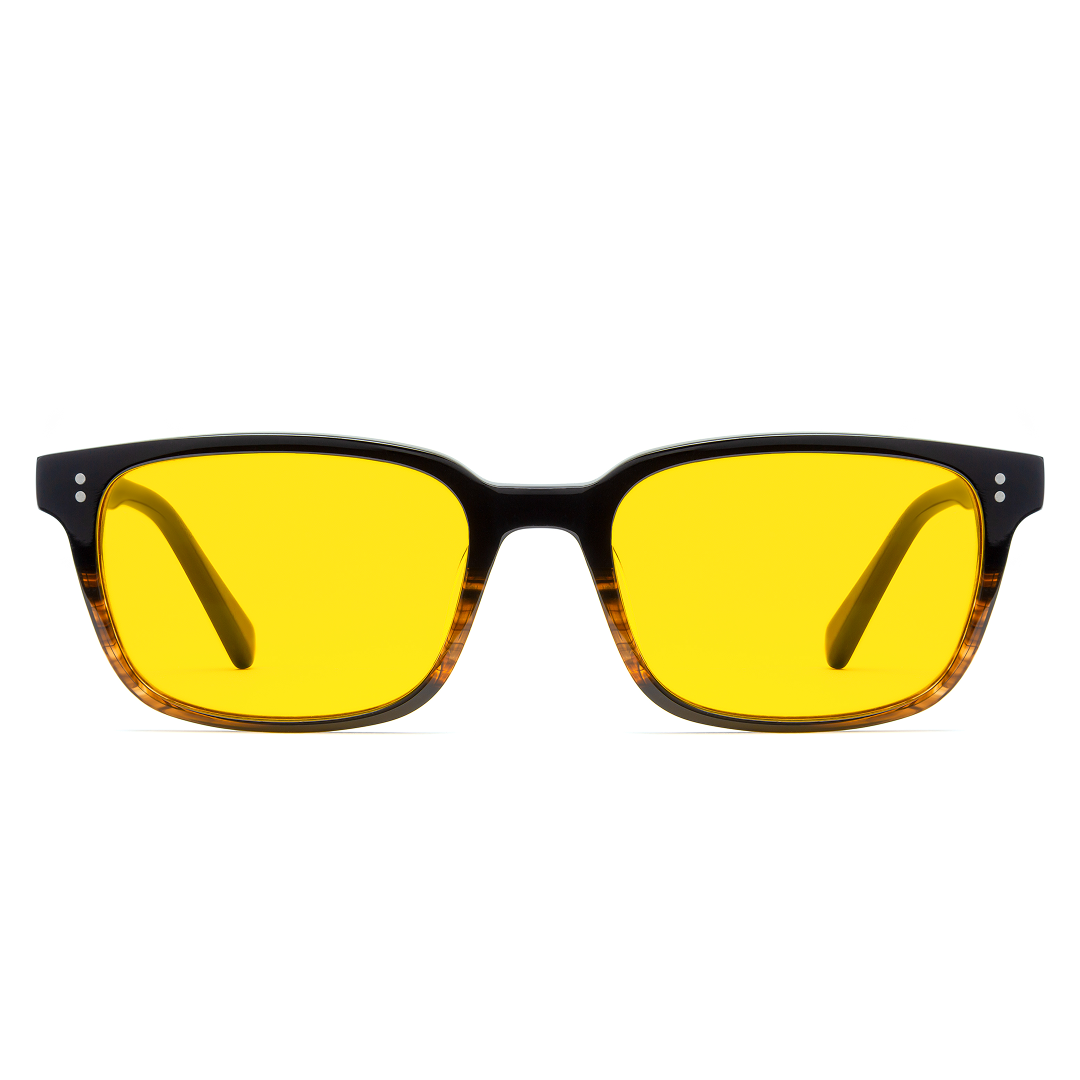
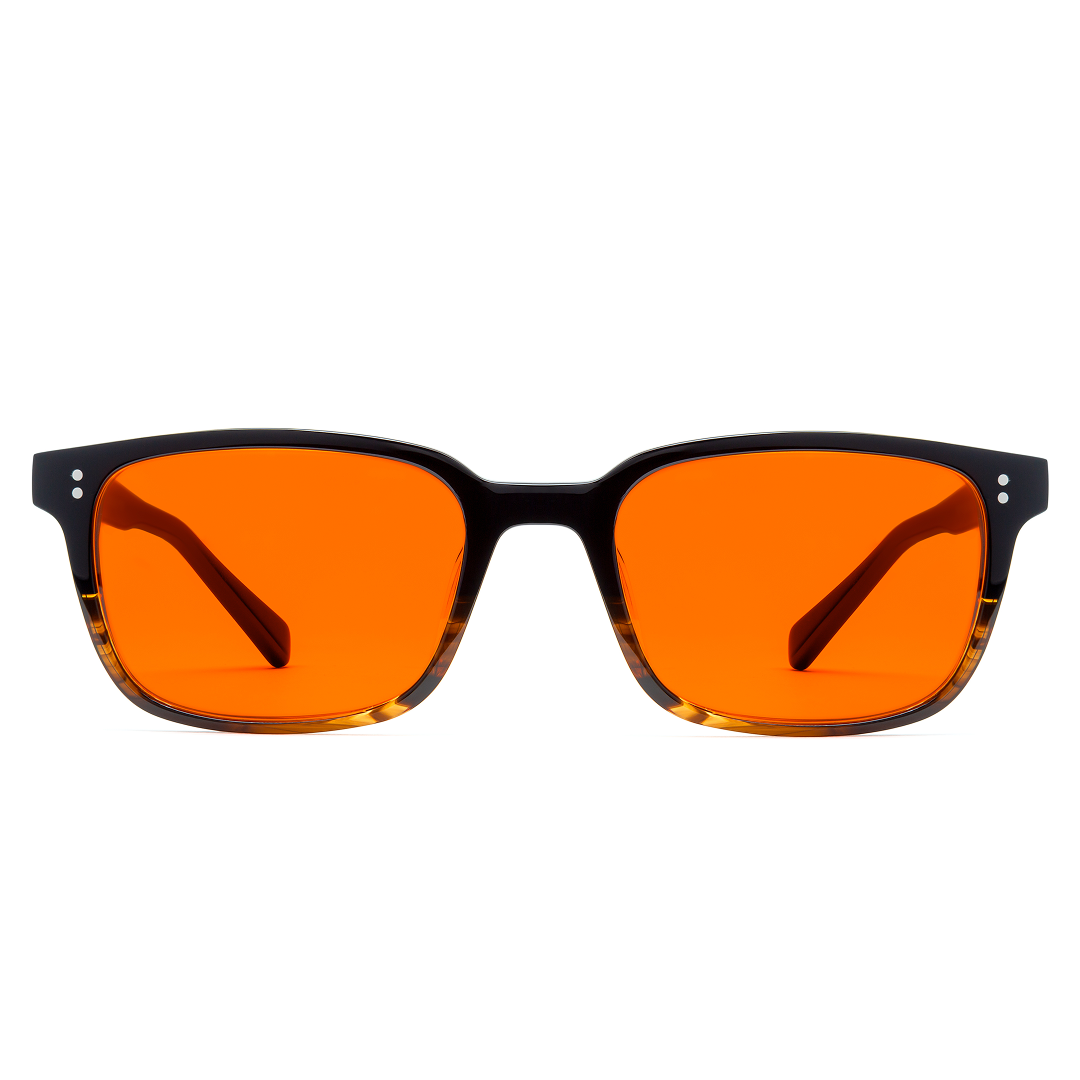
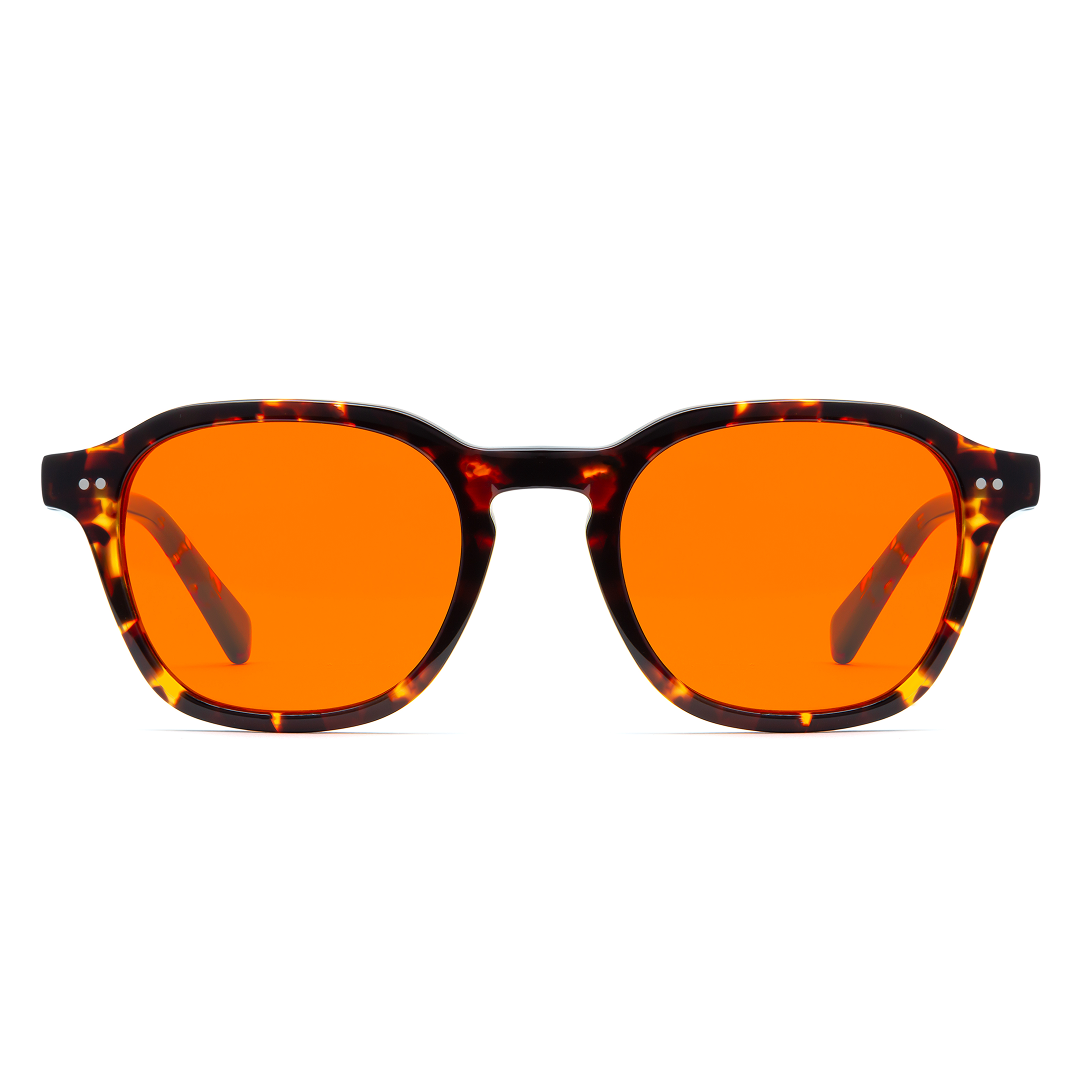
Blue light blocking eyewear is one of the few tools that can change this photic input at the speed of a decision. Properly engineered lenses that remove the high energy blue band while still transmitting red and infrared light alter the spectrum that reaches melanopsin and OPN3 without plunging the user into darkness. This reduces inappropriate opsin activation from screens and indoor lighting, lowers retinal and cortical oxidative stress, and allows nocturnal melatonin to rise closer to its natural profile. At the mitochondrial level, this means fewer photo excited heme centres spraying excess reactive oxygen species, more consistent maintenance of inner membrane potential, and improved probability that neurons can complete autophagy and mitophagy cycles during sleep instead of accumulating damaged respiratory proteins.
For ALS patients and high risk individuals, blue light blocking glasses are not a cosmetic accessory but a biophysical control surface for the nervous system. They cannot reverse established motor neuron loss on their own, yet they can help shift the light environment from a chronic emergency signal to one that is more compatible with the way human mitochondria evolved to read day and night. When combined with aggressive reduction of non native electromagnetic fields, deliberate morning sunlight exposure, and grounding practices, spectral filtering at the eye becomes part of a coherent strategy to stabilise redox balance, support myelin maintenance, and slow the informational noise that drives neuromuscular junction breakdown. In that sense, lenses are both a practical intervention and a daily reminder that ALS is fundamentally a disease of mismatched light, information, and energy.
6. Redox Collapse and the Role of Heme and SOD
Artificial blue light photo-excites heme proteins (e.g., cytochrome c, HO-1) in the mitochondrial respiratory chain, increasing ROS generation and degrading antioxidant defenses such as superoxide dismutases (SODs). This triggers the Fenton reaction, especially in the presence of free iron, compounding oxidative stress and driving mitochondrial membrane instability.
7. Evolutionary Framing: ALS as a Modern Mismatch
ALS mirrors early-Earth conditions during the Great Oxygenation Event (GOE), where rising oxygen, increased water vapor, and lightning amplified atmospheric conductance. Modern light pollution and EMFs recreate this microenvironment within neurons. The same forces that drove cellular symbiosis during evolution now reverse-engineer those protections, leading to neuronal degeneration.

8. Demyelination and the microbiome
The enteric nervous system (ENS), particularly in the colon and rectum, is innervated by neurons distal to the vagus nerve and is inherently less myelinated and contains fewer mitochondria than more proximal gut regions. This lower myelination makes it more susceptible to rapid degeneration in Amyotrophic Lateral Sclerosis, contributing to gastrointestinal dysregulation and dysbiosis. While vagus nerve stimulation may offer transient benefits, it does not address the core demyelination occurring in the ENS, which helps explain the persistent microbiome disruption seen in ALS patients.
Ironically, one of the first interventions often applied to ALS patients, placing them in electric wheelchairs with onboard computing systems, may worsen the problem by exposing them to chronic nnEMF, further compromising both the gut barrier and the blood-brain barrier. In contrast, the most biologically restorative intervention, though less convenient, is grounding and full-spectrum sunlight exposure, ideally at the ocean’s edge, where the natural electromagnetic environment and abundant infrared light support mitochondrial recovery, redox balance, and gut-brain axis restoration. While harder to implement, this nature-based approach addresses the root biophysical disruptions rather than compounding them.
9. Mechanism Summary
-
Initiation: Blue light exposure activates OPN3/melanopsin, releasing biophotons that travel through CSF.
-
Amplification: These photons target mtDNA in AHCs, damaging cytochrome c oxidase and collapsing inner mitochondrial membrane potential.
-
Cascade: Increased ion leakage (H⁺, Ca²⁺), elevated H₂S oxidation, and reduced NAD⁺ levels trigger pseudohypoxia, excitotoxicity, and neuronal death.
-
Progression: UPE emissions increase, sleep quality declines, myelin thins, and signal fidelity deteriorates, compounding the damage.
10. Clinical Implications & Interventions
-
Strict removal of artificial blue light and nnEMFs
-
Targeted DHA supplementation to restore mitochondrial magnetic sense
-
Morning sunlight exposure to support redox balance and myelin repair
-
Refrain from IV vitamin C in Warburg-shifted patients due to risk of Fenton reactions
-
EMF-mitigated environments and structured light therapy (sunlight, not LEDs)
11. Key Research Predictions
-
Blue light reverses cathode-to-anode flow in mitochondria, degrading ATP production
-
OPN3 activation leads to CSF-mediated mtDNA damage
-
NAD⁺ depletion and altered UPEs predict NMJ degradation
-
DHA restores magnetic field coherence in mitochondria
12. Conclusion
In ALS, demyelination begins insidiously along the upper spinal cord, gradually impairing the insulating structure that normally protects electrical signaling in motor neurons. As this insulation breaks down, the nodes of Ranvier, gaps between myelinated segments rich in mitochondria, begin to emit excessive blue-shifted biophotons. This localized light leakage mirrors the clinical picture: a slow, progressive paralysis that affects specific motor groups until the broader pattern becomes unmistakable. By the time ALS is diagnosed, often as a diagnosis of exclusion after other conditions are ruled out, the biophysical cascade is well underway. Traditional biochemical markers offer little guidance because ALS is not primarily a biochemical disease; it is fundamentally one of disrupted bioelectromagnetism and redox collapse.
One illustrative example is lithium. Despite published reports suggesting therapeutic benefits, lithium has no known native biochemical pathway in human physiology our biology does not require or natively produce it. Its electronic structure (atomic number 3) enables UV-range biophoton emission, which can exacerbate damage in demyelinated neurons. In ALS, where mitochondrial heteroplasmy and photonic chaos are already elevated, lithium may intensify oxidative stress, especially during manic phases. While it appears less harmful in depressive states, it remains a poor therapeutic choice. Importantly, all chronic stressors including those driving ALS are funneled through the autonomic nervous system and the paraventricular nucleus (PVN) of the brain, disrupting circadian, metabolic, and redox coherence.
Conditions like Multiple Sclerosis (MS), Autism Spectrum Disorder (ASD), and Bipolar Disorder (BD) also share demyelination as a core pathology, differing only by location, symptom expression, and mitochondrial heteroplasmy rate. Each represents a variant of the same underlying mechanism: a failure of electrical resistance, charge separation, and information fidelity in biologically conductive systems. For example, in bipolar disorder, the FM modulation deficits reside in the thalamus, revealing the specific neural circuit where the biophysical breakdown occurs.
 ALS is a disease of light, magnetism, and mitochondrial disarray. Its roots lie not in faulty genes but in an evolutionary mismatch between ancient bioenergetic systems and modern environmental conditions. A biophysical, light-conscious framework that prioritizes mitochondrial coherence, redox balance, and structured light exposure may offer the clearest roadmap yet to preventing and managing ALS.
References
-
https://onlinelibrary.wiley.com/doi/10.1111/jnc.16304
-
https://www.nature.com/articles/s41377-023-01304-1
-
Additional studies referenced are embedded within the ALS literature and peer-reviewed work on biophoton emissions, UPE, mitochondrial dysfunction, and opsin biology.
-
ALS and FTD clinical overlap https://pubmed.ncbi.nlm.nih.gov/20198477
(Cognitive impairment in ALS and the ALS–FTD spectrum) and https://www.ncbi.nlm.nih.gov/pmc/articles/PMC6886120
(Motor neuron disease and frontotemporal dementia: A review of shared mechanisms) -
Alpha wave / Schumann resonance disruption by nnEMFs https://medicalxpress.com/news/2017-03-frequency-electromagnetic-field-exposure-linked.html (Study linking 50 Hz ELF-EMF exposure to neurodegenerative risk) and https://www.sciencedirect.com/science/article/abs/pii/S0928425718300859
(Effects of electromagnetic fields on circadian rhythms and sleep) -
HAARP and ELF Schumann resonance interference experiment https://ieeexplore.ieee.org/document/4525560
(Artificial excitation of Schumann resonances using HAARP — ELF wave research) -
Dopamine’s role in time perception, attention, and neurodegeneration https://www.ncbi.nlm.nih.gov/pmc/articles/PMC5079151
(Dopaminergic modulation of attention and time perception) and https://www.frontiersin.org/articles/10.3389/fpsyt.2018.00162/full
(Neurobiology of ADHD and its relation to dopamine and circadian dysregulation







Disclaimer
The information on this site is provided by BioSpectral Systems for educational and informational purposes only. It is not intended to diagnose, treat, cure, or prevent any disease and has not been evaluated by the U.S. Food and Drug Administration or any other regulatory authority. Always consult a qualified healthcare professional before making any changes to your health regimen. By using this site, you acknowledge that you do so at your own discretion and agree that BioSpectral Systems, its affiliates, and contributors are not liable for any outcome resulting from the use of the information presented.
Share:
Esports Gaming Glasses: Full Blue Light Protection For You
An Ancestral Perspective: Why Health Was Better in the Past