

In 1900 breast cancer did not exist in medical records, 0 out of 100 women. By 1949 it remained virtually unheard of in medical literature, 58 out of 100,000. In 2012, 1 out of every 3 women will be diagnosed with breast cancer. There has since been a big shift causing an explosion of breast cancer occurrences putting it firmly under the spotlight. It has gone up 568 times in this period.
The first original copy of the genome has not changed. But epigenetics has changed:
-
Artificial light at night because of IGF1’s link to melatonin signals
-
Low IGF1 is associated with poor mitochondrial function in the heart.
-
Portnov BA, Stevens RG, Samociuk H, Wakefield D, Gregorio DI. Light at night and breast cancer incidence in Connecticut: An ecological study of age group effects. Sci Total Environ. 2016 Dec 1;572:1020-1024.
-
Stevens RG. Working against our endogenous circadian clock: Breast cancer and electric lighting in the modern world. Mutat Res. 2009 Nov-Dec;680(1-2):106-8.
-
Lin X, Chen W, Wei F, Ying M, Wei W, Xie X. Night-shift work increases morbidity of breast cancer and all-cause mortality: a meta-analysis of 16 prospective cohort studies. Sleep Med. 2015 Nov;16(11):1381-7.
-
The positive association between artificial light at night (ALAN) and Breast Cancer. https://doi.org/10.1289/EHP9381.
-
Estrogen Positive Breast Cancer and Artificial Light At Night (ALAN) link https://doi.org/10.1002/ijc.33016
-
Non native electromagnetic fields (nnEMF)
-
This includes AC electric fields, low frequency magnetic fields, microwaves, radio frequency radiation and x-ray radiation.
-
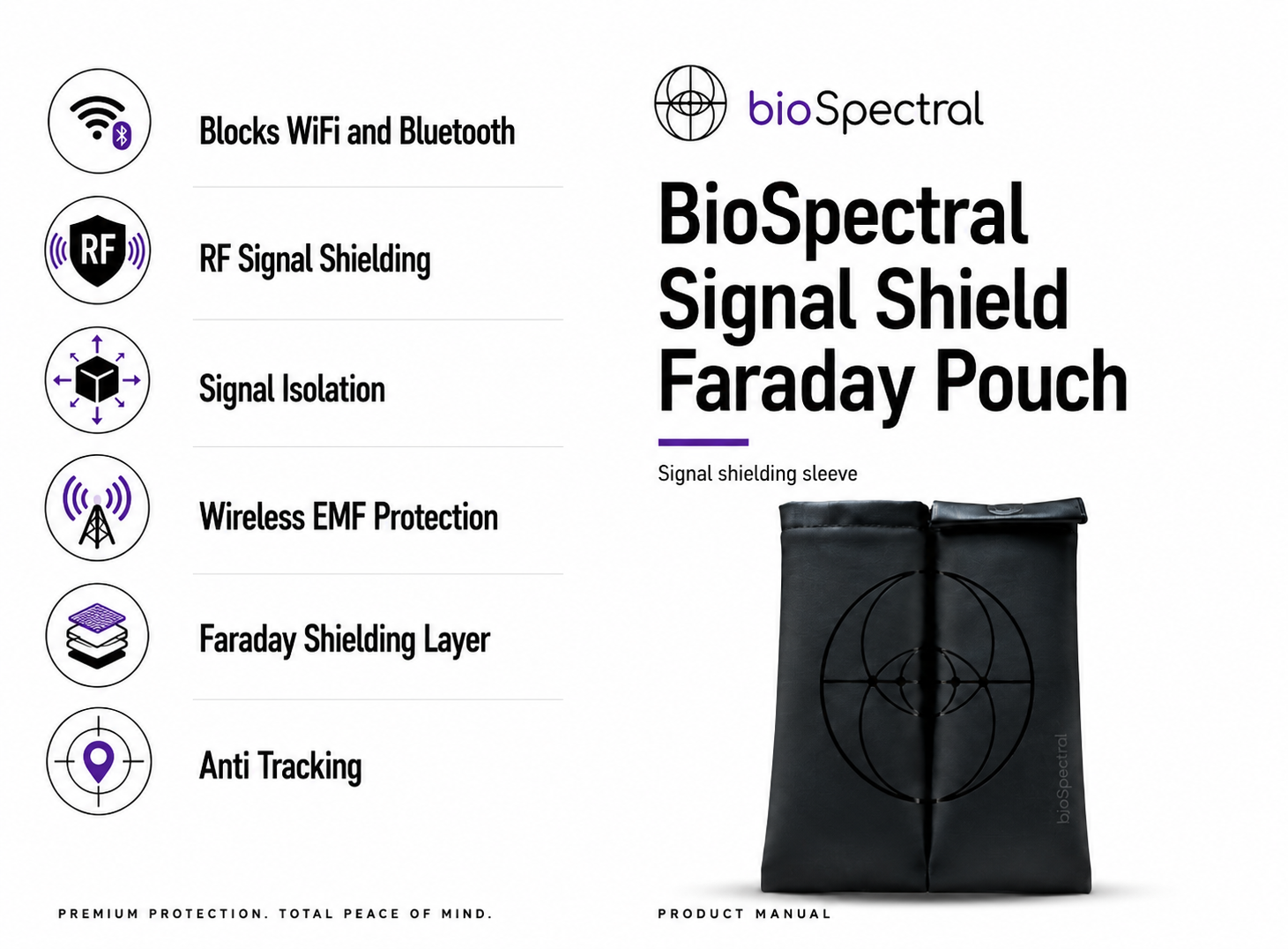
Most common sources: Local distribution lines, solar inverters, smart meters, WiFi routers, cell phones, nearby cell phone towers, electrical wiring in homes and refrigerators.
-
If your exposure of the above is at a power density where it is ionizing, it produces DNA damage.
-
If your exposure of the above is at a power density where it is non-ionising radiation it produces oxidative damage via the production of harmful free radicals like reactive oxygen species (ROS). These types of radiation go on to damage cells and can contribute to the development and reoperation of cancer cells.
-
Fake food (processed food)
-
The first supermarket in the US to adopt processed food took place in 1947; i.e. Betty Crocker. Artificial sweeteners and high fructose corn syrup were also introduced around the same time.

Breast Cancer and Artificial Light Exposure:
-
We know for certain that breast cancer is linked to a lack of sunlight during the day and excessive light exposure at night. The disease may be influenced by disrupted circadian rhythms caused by insufficient daytime sunlight and excessive nighttime light exposure.
-
A systematic review and meta-analysis by Palomar-Cros et al. found that higher levels of outdoor ALAN were associated with an increased risk of breast cancer, with a meta-estimate of 1.12 (95% CI 1.03-1.23).
-
Lai et al. conducted another systematic review and meta-analysis, which reported a consistent association between LAN exposure and higher breast cancer risk, with summary relative risks of 1.12 for outdoor LAN and 1.13 for indoor LAN. This study also noted a more pronounced association among women with estrogen receptor-positive tumors and premenopausal status.
-
The MCC-Spain study specifically evaluated the impact of blue light exposure and found an association between outdoor ALAN in the blue light spectrum and breast cancer, with an adjusted odds ratio of 1.47 for the highest versus lowest tertile of exposure. This study shows that artificial blue light disrupts circadian biology, directly affecting melatonin production and breast cancer risk.
-
Rybnikova and Portnov's population-level study in Israel supported the association between breast cancer incidence and short-wavelength (blue) ALAN, indicating that blue light absolutely contribute to circadian disruption and melatonin suppression, which are mechanisms for increased cancer risk
-
Artificial light at night link to Breast Cancer: The increased risk of breast cancer in humans, as occurs in the night-shift worker population, may be mediated by light exposure at night.
Citations:
-
Davis S, Mirrick DK, Stevens RG. 2001. Night-shift work, light at night, and the risk of breast cancer. J Natl Cancer Inst 93:1557–1562.
-
Hansen J. 2001. Increased breast cancer risk among women who work predominantly at night. Epidemiology 12:74–77.
-
Schernhammer ES, Laden F, Speizer FE, Willett WC, Hunter DJ, Kawachi I, Fuchs CS, Colditz GA. 2001. Rotating night shifts and risk of breast cancer in women participating in the Nurses’ Health Study. J Natl Cancer Inst 93:1563–1568.
Breast Cancer and Cell Phone Radiation
What You Need To Know
-
Cell phones emit microwave radiation; like your microwave oven, but at much lower power.
-
The World Health Organization International Agency for the Research on Cancer classified cell phone radiation as a Group 2B “possible” carcinogen in 2011 and today- over a decade later, numerous WHO experts recommend an upgraded classification.
-
Breast tissue absorbs wireless microwave radiation. Research shows a link between cell phone radiation and breast cancer
-
Case reports are published documenting how women are developing breast cancer while carrying their phones in their bras. Young women, even with no family history, are developing breast cancer.
-
Cell phone manuals tell you not to place your phone directly on your body.
-
Numerous doctors and breast cancer surgeons recommend keeping your phone out of your bra.
What You Can Do
-
Keep your phone away from your body, and especially out of your bra.
-
Turn your phone on Airplane Mode with Bluetooth OFF to shut off the radiation.
-
Use wired landlines for calls (not cordless).
-
Use wired computers for e-mail and Internet browsing.
-
Educate yourself on the published research (see below).
-
Download and share these infographics with your friends and family.
-
Spread the word on social media. Make your bra a #NoPhoneZone!
Reference:
-
https://youtu.be/dJE6pjB2y4w and https://youtu.be/AYIKH8i-740
-
Published Research on the link between Radio Frequency Radiation (RF) and Breast Cancer
-
Avoidable causes of Breast Cancer
-
Environmental Estrogens link to Breast Cancer
-
Toxic cosmetics link to Breast Cancer
Vitamin D
Improving your Vitamin D is a big deal for ensuring Breast Cancer doesn’t come back.
Aim for a Vitamin D of 60ng/ml or 150nmol/L or above. This will dramatically reduce the risk of breast cancer.

In the embryo the skin and the brain come from the same tissue (ectoderm). Therefore, in the child and adult there is a strong connection between these 2 tissues. The substance that communicates between the brain and skin is Sulfated Vitamin D3. Which can only be formed by UV lights action on RBC’s from the skin layer.
UV Light on the mammary glands, slows the biological clock down relative to the light entering the SCN (Suprachiasmatic Nucleus). This reduces the estrogens and increases relative testosterone. Robert Becker's life's work established that bone formation was quantum because it used the photoelectric effect by rectifying its current. Now we see bone helps form the brain indirectly. This is how Vitamin D3 is important in both tissues. This implies the brain, gonads, and breast tissue are also quantized. Full spectrum sunlight and Vitamin D is the keys to a robust immune system and optimal hormones.
-
Low Vitmain D
-
Role of Vitamin D in preventing cancer
-
A case-control study conducted in Sulaimaniyah, Iraq, found that women with breast cancer had significantly lower serum vitamin D levels compared to healthy controls, with an odds ratio indicating a substantial increase in breast cancer risk for vitamin D levels below 20 ng/mL. https://pubmed.ncbi.nlm.nih.gov/38279444
-
Similarly, a prospective study involving Black/African American and Hispanic/Latina women in the United States observed that higher circulating levels of 25-hydroxyvitamin D were associated with lower breast cancer incidence, particularly among Hispanic/Latina women. https://pubmed.ncbi.nlm.nih.gov/35466399
-
Vitamin D's role in modulating the immune system, particularly in enhancing CD8+ T cell infiltration in breast cancer tumors, further supports its potential protective effects against breast cancer
Types of Breast Cancer
Group 1 (luminal A).
-
Tumours that are ER+ and/or PR+ are slightly slower growing and have a slightly better prognosis than tumours that aren’t:
-
Hormone Sensitive Breast Cancer
-
This group includes tumours that are ER positive and PR positive, but negative for HER2. Luminal A breast cancers are likely to benefit from hormone therapy and may also benefit from chemotherapy.
-
Cancer cells that are HER2 negative may grow more slowly and are less likely to recur (come back) or spread to other parts of the body than cancer cells that have a large amount of HER2 on their surface.
-
Responsive to hormone therapy – Tumours that are ER/PR-positive are much more likely to respond to hormone therapy than tumors that are ER/PR-negative.
-
Traditional early-stage cancer:
-
Ineffective for premenopausal women because they get their estrogen from their ovaries and not aromatase from androgens.
-
Effective for postmenopausal women because they get most of their estrogen from aromatase.
-
-
Tamoxifen (selective estrogen receptor modulator – lowering estrogen in the breast and bone, but increasing it in the uterus – side effect)
-
Aromatase inhibitors (Ais) - anastrozole (Arimidex), letrozole (Femara), and exemestane (Aromasin).
-
Traditional late stage or metastatic cancer = Fulvesrant (Faslodex), megestrol acetate (Megace), and tormifene (Fareston).
-
Side effects – bone and join pain, hot flashes, dizziness and fatigue.
HER2-Positive Breast Cancer
-
Exhibit HER2 gene expression in the breast cancer cells.
-
Human epidermal growth factor receptor 2 (HER2) is overexpressed in around 20-30% of breast cancer tumours. It is associated with a more aggressive disease, higher recurrence rate, and increased mortality.
-
Trastuzumab is a HER2 receptor blocker that has become the standard of care for the treatment of HER2 positive breast cancer.
Triple-Negative Breast Cancer
-
Some breast cancers -- between 10% and 20% -- are known as “triple negative” because they don’t have estrogen and progesterone receptors and don’t overexpress the HER2 protein. Many breast cancers associated with the gene BRCA1 are triple negative. They are often treated with surgery, chemotherapy, and radiation.
-
Olaparib (Lynparza) and talazoparib (Talzenna) are targeted therapy medicines that can be used to treat women with a BRCA mutation who have metastatic HER2-negative breast cancer. These drugs block a protein called PARP.
-
Atezolizumab (Tecentriq) is an immunotherapy drug used in combination with the chemotherapy nab-paclitaxel (Abraxane) to block a protein called PD-L1 in certain breast cancers that are triple negative.
Therapeutically, chemotherapy remains the cornerstone of TNBC treatment, with recent advancements in immunotherapy and antibody-drug conjugates (ADCs) showing promise. The use of poly (ADP-ribose) polymerase inhibitors (PARPi) is particularly relevant for TNBC with BRCA mutations, although resistance remains a challenge. Other emerging therapies include inhibitors targeting the PI3K/AKT/mTOR pathway, androgen receptor inhibitors, and immune checkpoint inhibitors.[1]
Lifestyle interventions, particularly those involving exercise and nutrition, have been shown to modulate the tumorigenic potential of TNBC cells. A study demonstrated that a 12-week home-based lifestyle intervention could reduce spheroid formation in TNBC cell cultures, suggesting that lifestyle changes may play a role in controlling cancer progression.[2]
Mitochondrial dynamics and metabolism are increasingly recognized as critical factors in TNBC pathophysiology. Mitochondria are involved in tumor progression through altered metabolism, reactive oxygen species (ROS) production, and evasion of apoptosis. Mitochondrial dysfunction, influenced by microRNAs, has been implicated in TNBC, with specific miRNAs like miR-4284 playing roles in regulating oxidative stress and mitochondrial function.[3] Additionally, targeting mitochondrial dynamics, such as mitophagy and oxidative phosphorylation, may offer novel therapeutic strategies, as these processes are linked to drug resistance and tumorigenesis in TNBC.[4]
Natural extracts, such as those from Caesalpinia spinosa and Petiveria alliacea, have shown potential in altering mitochondrial metabolism and reducing TNBC cell migration, highlighting the therapeutic potential of targeting mitochondrial function.[5]
Overall, the integration of targeted therapies, lifestyle modifications, and mitochondrial research holds promise for improving outcomes in TNBC.
Cites:
-
Xu, L., Xu, P., Wang, J., et al. (2025). Advancements in clinical research and emerging therapies for triple-negative breast cancer treatment. European Journal of Pharmacology, 988, 177202. https://doi.org/10.1016/j.ejphar.2024.177202
-
Baldelli, G., Natalucci, V., Ferri Marini, C., et al. (2024). A home-based lifestyle intervention program reduces the tumorigenic potential of triple-negative breast cancer cells. Scientific Reports, 14(1), 2409. https://doi.org/10.1038/s41598-024-52065-9
-
Cheng, Y. T., Nakagawa-Goto, K., Lee, K. H., & Shyur, L. F. (2023). MicroRNA-mediated mitochondrial dysfunction is involved in the anti-triple-negative breast cancer cell activity of phytosesquiterpene lactones. Antioxidants & Redox Signaling, 38(1–3), 198–214. https://doi.org/10.1089/ars.2021.0251
-
Wang, Y., Harada-Shoji, N., Kitamura, N., et al. (2024). Mitochondrial dynamics as a novel treatment strategy for triple-negative breast cancer. Cancer Medicine, 13(2), e6987. https://doi.org/10.1002/cam4.6987
-
Carlosama, C., Arévalo, C., Jimenez, M. C., et al. (2024). Triple negative breast cancer migration is modified by mitochondrial metabolism alteration induced by natural extracts of C. spinosa and P. alliacea. Scientific Reports, 14(1), 20253. https://doi.org/10.1038/s41598-024-70550-z
So why avoid Chemotherapy?
1. Cancer Thrives in Low-Energy, High-Oxidative Environments — Mitochondria Hold the Key
-
Chemotherapy aims to kill fast-growing cells, but it doesn't address why TNBC cells thrive in the first place: often due to mitochondrial dysfunction, impaired energy metabolism, and disrupted redox balance.
-
Studies show that targeting mitochondrial dynamics (like mitophagy, oxidative phosphorylation, and microRNA regulation) can reduce TNBC growth and improve drug sensitivity.
-
Restoring mitochondrial health through light (photobiomodulation), structured water, circadian rhythm alignment, and specific nutrients (e.g. DHA, CoQ10, magnesium) may reverse the energetic environment that promotes tumorigenesis.
-
Also exposure to artificial light, especially after sunset in the blue and green wavelength range (usually looks white) and anthropogenic EMF will result in faster tumour growth. This is why it needs to be mitigated or eliminated completely to spur on a reversal.
2. Lifestyle Changes Can Alter Tumor Behavior — This Is Proven
-
A 12-week home-based lifestyle intervention reduced the ability of TNBC cells to form spheroids, a key marker of tumor aggressiveness and metastatic potential .
-
This suggests that the tumor's behavior is not fixed—it's highly responsive to the host’s environment, especially movement, light, diet, and circadian inputs.
-
These changes are non-toxic, accessible, and empower the patient—an intelligent complement (or even alternative) to toxic regimens that often deplete the body further.
“Chemotherapy is like dropping bombs, but what if you could change the soil so weeds don’t grow back?”
That soil is your cellular environment—and it’s modifiable through light exposure, redox support, clean metabolic inputs, and mitochondrial repair.
Preventative steps:
Cancer prevention means eliminating precancerous cells and protecting against invasion.
P53 Gene is a tumour suppressor gene. When we lose control of this gene cancer becomes present in our bodies. This loss of control can occur from inflammation, altered hormone panels. NF-κB is a protein complex that controls transcription of DNA, cytokine production and cell survival.
-
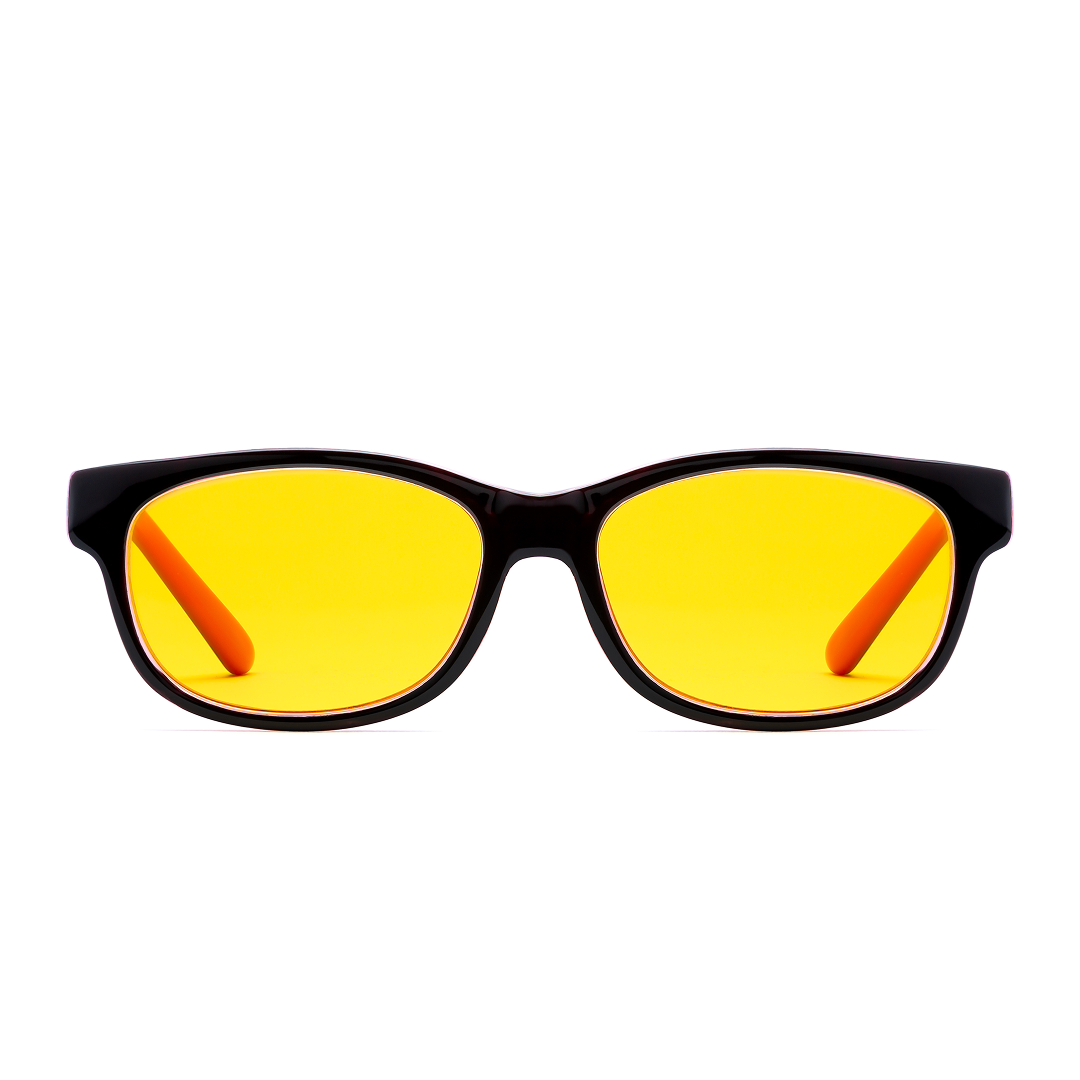
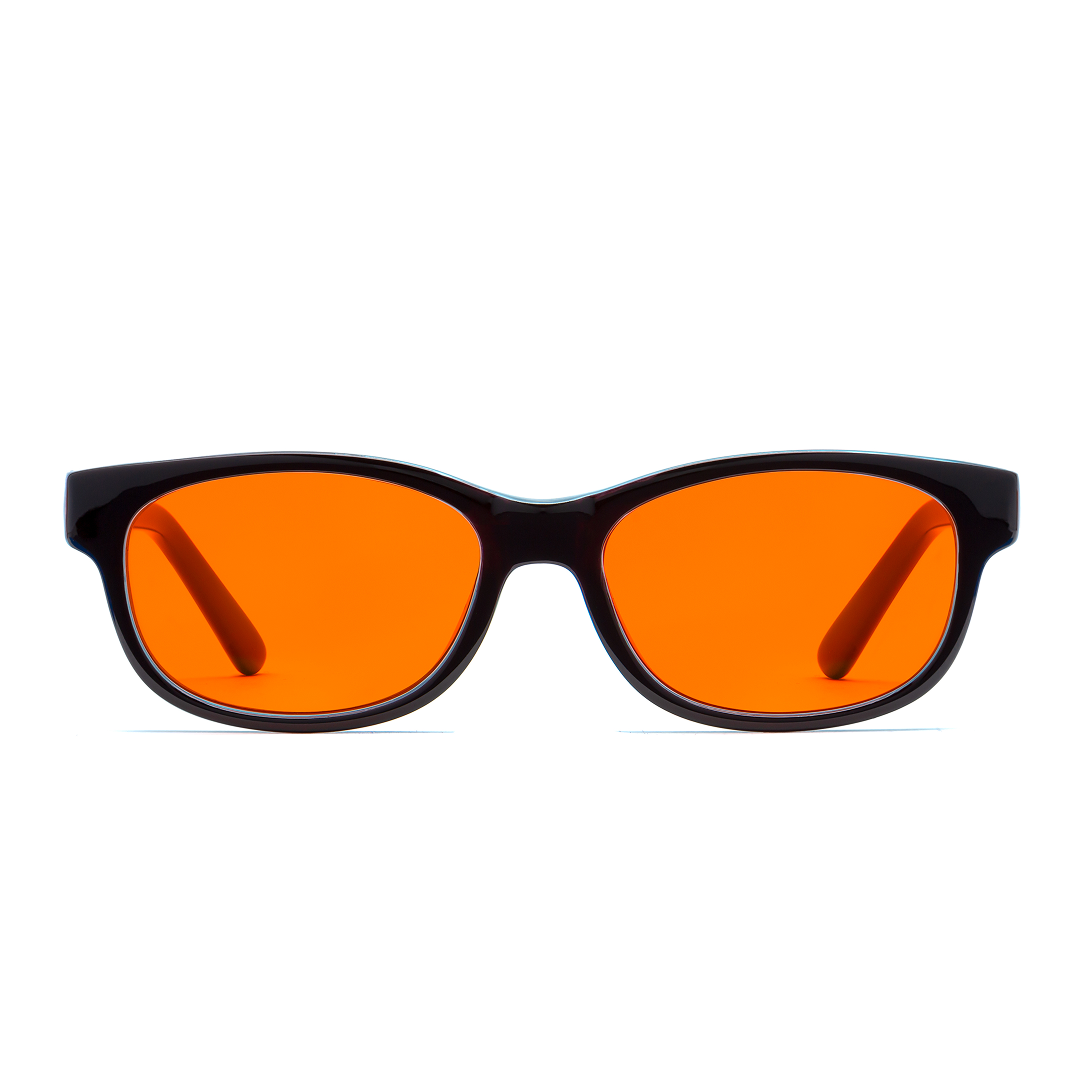
Blue Light Blocking Glasses (Full yellow or Orange are required) – to be worn anytime under artificial light to protect the brain/eyes, sleep and circadian clocks.
-
Iodine – Ensure healthy iodine intake. The human breast tissue is the only tissue in the human body that actively concentrates iodine to a tremendous degree.
-
Vitamin B6 – If dietary B6 levels are improved the likelihood of breast cancer is reduced by 30%; tested on the most extreme breast cancer diagnosis! PLP is the principle active form of Vitamin B6; along with other cofactors used in many different enzymatic reactions in the body.
-
High Vitamin D levels are VERY PROTECTIVE against breast cancer.
-
Altered Calcium and Magnesium levels are tied to altered cell signalling, because, Potassium/Sodium ATPase that makes energy in our body uses these as cofactors.
-
Selenium is used in every antioxidant system in our body, particularly the glutathione system. All Selenoprotein’s protect the genome and the P53 gene. Seafood is loaded with Selenium!
Note: All these listed above improve your bioenergetics and cellular signalling protecting the P53 gene.
Key foods to avoid:
-
Grains, Wheat, Polyunsaturated Fats
-
These promote inflammation and can make breast cancer occurance/reoccurrence worse.
Key supplements to avoid:
-
Bioidentical hormones
-
DHEA
-
Reference: https://jackkruse.com/hormone-cpc-1-dhea/
Breast Cancer Therapy:
-
Laser-assisted immunotherapy: a red laser which raises the temperature of breast cancer cells latent with indocyanine green photosensitisers lead to local tumour destruction. There are no side effects of this therapy.
Detection Signs for Breast Cancer
Mammograms – Radiation in itself causes cancer, so why would you use this to detect it. It is also uncomfortable and can often lead to metastasis in itself. Mammograms require the tumour to be over 1cm to be picked up.
Thermograms : All cancer increases angiogenesis (blood flow to the tumour), thermogram checks blood flow, and thus can detect cancer at a much earlier stage on a subcellular level (mm). However, you will not find this in a hospital because there are no codes for the test because they can’t make money from it and thus they don’t do the test.
Swedish Mammogram Study
-
TL;DR: mammograms cause cancers and patients who pay for treatment that don’t help make things worse.
-
It’s likely that if you leave the cancer alone and undetected, it will likely go away the same way a scab does. The body knows what to do if you just get out of its way.
-
Interpretation: “Because the cumulative incidence among controls did not reach that of the screened group, we believe that many invasive breast cancers detected by repeated mammography screening do not persist to be detected by screening at the end of 6 years, suggesting that the natural course of many of the screen-detected invasive breast cancers is to spontaneously regress.”
Nutrients that turn off Epi-genetic signals for breast cancer:
-
Aspirin – 20%-30%
-
Coffee – 40%
-
Conjugated Linoleic Acid (CLA) – 60%
-
Supplemental DHA – 73%-81%
-
DHA with iodine and selenium (eating fish) over 81%
-
Green Tea – 22%-48%
-
Lycopene (watermelons and tomatoes) – 40%-68%
-
Melatonin – 38%
-
Metformin – 23%-56%
-
Resveratrol – 61%
-
Vitamin D – 11%-44%
-
Vitamin D was found to be exceedingly important in breast cancer prevention in 2009 and the link further cemented recently when the JAMA linked artificial light to breast cancer risk as well. Estriol is the estrogen that is made in large quantities during pregnancy and has potential protective properties against the production of cancerous cell transformation. This is the evolutionary protection of fetal structure by estriol in a highly powered growth state.
Note: Nature is far ahead of supplements
Nutrients that prevent DNA damage (Protect P53) – IN ORDER
-
Coenzyme Q10 – Ubiquinol
-
Coffee
-
Curcumin
-
Green Tea – Epigallocatechin (EGCG)
-
Indole 3 Carbinol
-
Vegetables: Cabbage and Broccoli
-
Lycopene
-
Watermelon
-
NAC (N-Acetyl Cystine)
-
Precursor for glutathione. Protects cells from inflammation
-
Melatonin
-
Metformin
-
Pomegranate juice
-
Bioflavonoids related to resveratrol
-
Resveratrol
-
Selenium
-
Silymarin
-
Protects the liver and helps in phase 1 and 2 detox
-
Sulphurs
-
Veggies: Broccoli, Asparagus and Brussel Sprouts
-
Tocotrienols
-
Vitamin E foods
Other Protectors for regulatory genes controlling cancer:
-
These genes are affected by hypermethylation and histone D acidulation. When you try to control your regulatory genes, you are unlocking the undesirable epi-genetic expression of the regulatory genes (supressing the regulatory genes to diminish cancer). Thus, the below are helpful to tumour suppressor genes:
-
Found in coffee beans
-
-
DHA
-
Iodine
-
Lycopene
-
Resveratrol
-
Caffeic acid
-
Sulphurates
Nutrients that fight highly sensitive CRP (HSCRP)
-
Aspirin
-
Conjugated Linoleic Acid (CLA)
-
Raw dairy
-
Coffee
-
Curcumin
-
DHA and Iodine mixed together
-
Pomegranate Juice
-
Quercetin
-
Apples and is found anywhere resveratrol is found (brother and sister) act on the M-TOR pathway
-
Vitamin D
Nutrients that turn Cancer Cells back into regular functioning cells:
-
Conjugated Linoleic Acid (CLA)
-
N-Acetal Cystine (NAC)
-
Iodine
-
Vitamin D
Nutrients blocking cancerous cellular replication (once cancer is present):
-
Bio flavanone: Apigenin
-
Pomegranate juice, blackberries
-
Aspirin
-
Coffee
-
Indole 3 Carbinol
-
Metformin
-
Resveratrol
-
Selenium
-
Sulphurise
Nutrients that block cancer formation (apoptotic signals to cancer cells)
-
Apigenin
-
Coffee
-
CLA
-
Curcumin
-
Green Tea (really powerful)
-
Indole 3 Carbinol
-
Melatonin
-
NAC
-
Selenium
-
Iodine
-
Quercetin
-
Vitamin E
-
Resveratrol
-
Vitamin D
-
Fat soluble vitamins
-
Vitamin K2 (sensitises you to insulin)
Nutrients restorative of hormone receptors so that you can be treated (IMPORTANT FOR TRIPLE-NEGATIVE CANCERS)
-
Epi-genetic tools that can be used to restore you to a state where you can be treated
-
CLA
-
Coffee
-
Curcumin
-
Green Tea
-
Melatonin
-
Metformin
-
DHA with Iodine in its biologic package (seafood)
-
Sulphones
70% of all breast cancers are dependent on a continuous supply of estrogen to grow. Estrogen is known as a pro growth hormone. Some breast cancers don’t have estrogen receptors in them, they have instead, the Her2/NEU dependant receptor or progesterone receptor. Some can be 2 positive, 3 positive or all negative. However, you can restore these receptors via epi-genetics.
Blocking estrogen using nutrients (IF YOU HAVE AN ESTROGEN POSITIVE TUMOUR):
-
Chrysin
-
Grapeseed extract
-
Hops in beer
-
Metformin
-
Melatonin
-
Ideally generated from UVA Light exposure on breast tissue absorbed by the aromatic aminoacid called tryptophan to be converted to Melatonin in the local tissue).
-
Important to note: Never take Melatonin supplements, it will uncouple your bodys natural endogenous production of it. If you want to take a supplement to improve Melatonin, you can take L-Serine (which is an Amino Acid which gets turned into Melatonin in the body via natural processes). It has no known side-effects. Suggestion 1 to 2 grams before bed in a capsule or as a troche held in the cheek.
-
Pomegranate extract (bioflavonoids are insulin sensitive)
Furthermore, in these cases where Progesterone:Estradiol Ratio is too low (meaning oestradiol is too high and or Progesterone is too low), Aromatase is likely occurring. This is the process of Free Testosterone being converted into Estrogen and Oestradiol. When this is occurring, UVA sunlight is required to stop this pro-growth conversion. UVA Sunlight is found whenever the sun is at an angle above 16 degrees. Download the app “Dminder” to find out what the angle of the sun is and when UVA and UVB is available in your local environment.
Preventing tumour metastasis epi-genetically:
-
CoQ10 (Reduced version: Ubiquinol)
-
Coffee
-
CLA
-
Curcumin
-
Cruciferous Vegetables (Indole 3 Carbinol and Sulphurise are in these)
-
Green Tea
-
Melatonin
-
NAC
-
Modified citrus pectin
-
Aspirin (affects the Cyclooxygenase (COX) 2 enzymes and limits inflammation)
-
Tagamet/Cimetidine (histamine blocker – anti-inflammatory) sold over the counter, no prescription
Other important Breast Cancer solutions:
-
The Yarkovsky Effect – Avoid Pink clothing
-
Reference Book: Health and Light by John Ott
-
Avoid underwire bras and avoid wearing bras when possible
-
Get your breasts out in the sun, especially in the morning!
-
Red/IR Light therapy on Breasts during the day will improve mitochondrial health in breast cells and increase oxygen tensions in breast tissue. As you know, Cancer hates oxygen and increasing oxygen in the blood via Red/IR light can help transfer nutrients and light into the cells and detox waste products out.
-
Red/IR Light also stimulates autophagy and apoptosis. In cancer cells, Apoptosis is inhibited which means the cells never die. Red/IR Light therapy can help restore Apoptotic programming in the cells to cause programmed cell death of unhealthy cells.




Disclaimer
The information on this site is provided by BioSpectral Systems for educational and informational purposes only. It is not intended to diagnose, treat, cure, or prevent any disease and has not been evaluated by the U.S. Food and Drug Administration or any other regulatory authority. Always consult a qualified healthcare professional before making any changes to your health regimen. By using this site, you acknowledge that you do so at your own discretion and agree that BioSpectral Systems, its affiliates, and contributors are not liable for any outcome resulting from the use of the information presented.
Share:
The Biophysics of Testicular Cancer
A New Perspective on Kidney Disease