


Signs of Autism: A brain showing neurodevelopmental, neuropsychiatric, or neurodegenerative symptoms almost always shares one substrate problem: impaired mitochondrial energy. Electron flow is inefficient, cellular water is poorly structured, microcirculation is constrained, and membrane voltage runs low. Many children also carry embryologic vulnerabilities in sensory pathways, including suboptimal melanin architecture, layered on top of a modern toxic load. The autistic brain remains highly plastic and oriented to repair, but it needs the right environment to do it: natural light and darkness at appropriate times, low electromagnetic noise, deep sleep, nutrient and iodine sufficiency, and redox support.
Over the last four decades autism diagnoses have climbed sharply. That rise is not explained by genetics alone. The larger signal is environmental: circadian disruption and indoor living, blue light at night, wireless saturation, poor sleep, metabolic stress, and chemical burdens that all erode mitochondrial efficiency and myelination during critical windows. When we align the environment with biology, children often stabilize and progress, better sleep, calmer sensory processing, more reliable behavior, and growing independence.
Autism rates have exploded over the past 40 years. In the USA in 1975, 1 in 5,000 children were diagnosed with Autism. In 2005, 1 in 500 children. In 2014, 1 in 68 children. And 7 years later in 2023 it has doubled in prevalence to 1 in 36 children and astonishingly 1 in 25 boys in the USA. This epidemic from the modern medical perspective is out of control with no good solutions and more and more parents struggling to find clarity on any strategies to help their child. Fortunately, we have now uncovered a new perspective on understanding why the brain is doing what it’s doing in the case of Autism and have new strategies based upon ‘what medicine has missed’ with respect to regenerating the eye and brain.
Almost all humans from children and teens to adults in today’s digital world have sleep dysfunction or disorders. These often dramatically disrupted sleep patterns have been normalized in the past 15 years. Sleep has just now been recognized as a key pillar of health. And now more than ever people are coming to us for sleep solutions which has allowed us to transform the lives of tens of thousands of health-conscious individuals. Our expertise in sleep rest upon the biophysics of light and its impact on human living systems and we have found that visible and non-visible light drives sleep hormones like melatonin, cortisol, leptin, and growth hormone to only name a few. In this initiative we are going to not only show you how someone diagnosed with Autism can improve their symptoms, but also greatly improve sleep quality transparently reflecting in sleep score measurements. The result of this is the individual diagnosed with Autism may experience an improvement in behavior and may become more independent as time goes on. Deep healing occurs during sleep preventing conditions and disease from becoming worse or new ones ever happening in the first place. Of course, the improvements will show more rapidly the younger they are with a great deal of hope for good results with those under the age of 10. But as science is evolving, we are learning that the brain remains very neuroplastic well into the 20’s with the neural networks not fully myelinating until 25-27 years old, presenting potential for improvements to take place at later ages as well.
We will demonstrate and explain that the human being is a hydrated carbon electrical system that has used a hydrogen burning engine powered by full spectrum sunlight throughout all human history. We will show how the human living system stores this captured energy or charge within the various water networks and melanin inside the body. We will share details of how most diseases are caused by a lack of energy within the body and insufficient informational signalling from the immediate environment, rather than nuclear DNA mutations. We’ll share why this is such an important way of viewing the human body in order to truly comprehend how our environment communicates health or disease to our epigenome, and how the biophysics of light operates within our human living system.
Our brains, eyes, body composition, metabolism, physical structure, behavior and psyche have all changed over the past 40 years driven by a changing environment around us and changing beliefs within us. These alterations are clearly significant as we notice what most define as disease, conditions and syndromes explode in incidence across the planet. Centralized medicine has missed and failed to comprehend the significance of this occurring so rapidly simply from changing the spectrum of visible and non-visible light we now live under.
Because of the central role that light plays in regulating the endocrine and nervous systems via its pathway from the eye to the brain, children are at high risk of poor health outcomes when exposed to the same visible and non-visible fields adults are. Diseases impacting brain development, growth and metabolism are fast becoming the norm in children these days as they tether themselves to technology and indoor living early in their lives. Autism, ADHD (Attention overload disorder), Addiction, Behavioral challenges, Diabetes and even Cancer among children is rising faster in the past 40 years than ever before.

What is Autism?
Autism Spectrum Disorder (ASD) is a neurodevelopmental condition rooted in altered mitochondrial signaling. Specifically, impaired free radical signaling, also known as ultraweak biophoton signaling, disrupts protein folding in the developing fetal brain. This process affects multiple brain regions, including the brainstem, cerebellum, and amygdala, but most critically the neocortex, which governs higher functions such as social cognition, communication, and executive processes.
The thalamus, the brain’s sensory integration hub, plays a central role in this story. During embryonic development, it projects signals to the neocortex, guiding how regions organize and specialize. When mitochondrial signaling is impaired, these thalamocortical connections can miswire, altering the architecture of the developing brain.
The foundation of ASD begins at conception. Children with ASD often originate from germlines with higher mitochondrial heteroplasmy, meaning their sperm and egg already carry reduced resilience. Fetal neurological organization, which unfolds in the hypoxic environment of the womb, depends on both the inherited state of this germline and the environmental cues the mother receives during pregnancy. When germline vulnerability meets mitochondrial toxins, electromagnetic or light-based stress, chemicals, pharmaceuticals, or others, the fetus struggles to produce the free radical signals necessary for proper neural migration and morphogenesis. In this sense, autism can be seen as an embryologic problem of impaired neural and myelin development.
Myelination is a particularly energy-intensive process. Glial cells build myelin using fuel from a highly efficient mitochondrial TCA cycle. If the TCA cycle is weak, myelin production decreases. Children with ASD consistently show lower levels of myelin compared to neurotypical peers. Because myelin not only insulates neuronal signals but also conducts protons, deficits here impair both neural communication and mitochondrial ATP generation. Reduced proton conduction undermines the very mechanism mitochondria use to make energy, leading to variable degrees of brain disorganization.
The degree of mitochondrial impairment shapes the severity of autism. In milder cases, environmental and lifestyle interventions can yield significant improvements, particularly if started early before heteroplasmy worsens.
On a systems level, ASD can be described as disrupted sensory input to the thalamus, compounded by reductions in melanin resulting from embryonic miswiring. This contributes to altered visual, auditory, and tactile processing. The melanin in the brain called neuromelanin is critical in this context because it not only protects neurons from oxidative stress and toxic metal accumulation but also acts as a biophysical conductor, stabilizing mitochondrial signaling and neurotransmitter balance, its reduction in ASD further weakens synaptic resilience and energy homeostasis. At the cellular level, ASD is characterized by excitotoxicity: mitochondria show altered free radical signaling, calcium efflux, and abnormal calcium influx into cells. These biochemical disruptions cascade into widespread alterations in synaptic activity, neurotransmitter balance, and metabolism. The resulting spectrum of neural pathway dysfunction explains the wide diversity of behaviors and outcomes observed across autism.
Understanding ASD ultimately requires a biophysical perspective. Altered mitochondrial free radical signaling is the core mechanism that links embryonic miswiring, sensory disruption, and metabolic stress. The rise in autism over the past 30 years mirrors the increase in other modern or “neolithic” diseases, all of which share a common driver — a loss of mitochondrial efficiency in autophagy and apoptosis.
Mitochondrial metabolic defects have been repeatedly reported in ASD patients, and mtDNA mutations have been found in several ASD pedigrees (Study, study, study, study). These mtDNA mutations were created via the maternal mitochondrial inheritance emphasizing the importance of the mothers health prior to conception. Elevated Ca2+ levels have also been observed in ASD brains, and the excess Ca2+ could activate the neuronal aspartate/glutamate carrier of the mitochondrial NADH shuttle system (study) and the tricarboxylic acid cycle dehydrogenases (study, study). Both of these effects would drive excessive reducing equivalents into the ETC, stimulating mitochondrial ROS production, oxidative stress, mitochondrial damage, and synaptic loss. Mutations in the CACNA1C Ca2+ channel gene have been shown to cause the syndromic ASD Timothy syndrome (study), and mutations in the CACNA1F Ca2+ channel gene have been reported in ASD patients (study).
Copy number variants (CNVs) are also increased in number in autism patients (study, study), and CNVs that remove a copy of the PARK2 or ubiquitin protein ligase E3A (UBE3A) genes have been observed repeatedly (study, study). Since loss of PARK2 would impair mitochondrial quality control (study), and mutations in UBE3A are associated with hippocampal mitochondrial defects in Angelman syndrome, another syndromic ASD (study), these observations also implicate a broken mitochondrial bioenergetics system in ASDs. Since there are more than 1,000 nDNA mitochondrial genes, and partial mitochondrial defects can be sufficient to cause neurodegenerative disease, random CNVs that delete one copy of a nDNA mitochondrial gene could be sufficient to predispose to the neurological symptoms of ASD. Indeed, in one study, an ASD subject with one CNV had near-normal OXPHOS function, while another patient with 13 CNVs had a severe OXPHOS defect (study).
Autism spectrum disorder has been linked to mutations in multiple synaptic and neurodevelopmental genes including SHANK3, NRXN1, NLGN3/4, CNTNAP2, TSC1/2, PTEN, CHD8, MECP2, SCN2A, SYNGAP1, FMR1, and TANC2. These genes converge on pathways that regulate synapse formation, excitatory–inhibitory balance, chromatin remodeling, and neuronal signaling. Mutations can arise in the germ cell line and establish a genetic predisposition; however, penetrance is incomplete. Mitochondrial heteroplasmy, redox status, circadian regulation, and environmental inputs such as light, inflammation, and electromagnetic stress often determine whether these predispositions manifest as autism. In other words, a child may carry a risk variant but not develop autism if the bioenergetic and environmental context is favorable.
Light, Sunlight, Mitochondria & Autism: Emerging Evidence
Recent studies suggest that natural sunlight, especially its longer-wavelength (red/near-infrared) components, may play a protective / regulatory role in neurodevelopment, relevant to autism spectrum disorder (ASD). Key points:
-
A study published in Scientific Reports (Jeffery, Fosbury, Barrett, et al., 2025) found that wavelengths of sunlight in the 830–860 nm (near-infrared) range pass through the human thorax, even through clothing, and when subjects were exposed for 15 minutes, there were measurable improvements in mitochondrial function and visual performance 24 hours after exposure. Nature+1
-
The mechanism proposed involves enhanced mitochondrial membrane potential, higher ATP production, lowered reactive oxygen species (ROS), i.e. less oxidative stress. Nature
-
Given that mitochondrial dysfunction and oxidative stress are increasingly viewed as involved in autism, these findings raise the hypothesis that reduced exposure to full spectrum sunlight (or longer wavelengths) could contribute to higher risk (or severity) of ASD.
-
Other epidemiological observations support light/sunlight being relevant: autism prevalence tends to increase with latitude (less sunlight / UVB / possibly less red/infrared) and lower solar irradiance. Also, there are studies showing seasonality of birth / conception effects, aligning with differing sunlight exposure. (study, study, study).
Prenatal exposure to Acetaminophen (Paracetamol / Tylenol) & Risk of Autism / ADHD
There is mounting evidence associating prenatal exposure to acetaminophen / paracetamol with increased risk of neurodevelopmental disorders (including ASD and ADHD). Key findings:
-
A recent large systematic review using the Navigation Guide methodology analyzed 46 studies worldwide (over 100,000 mother-child pairs) and found that 27 of the 46 reported positive associations (i.e. higher risk), 9 had null results (no significant link), and 4 showed possibly protective effects. BioMed Central+2Harvard Public Health+2
-
The higher-quality studies in that review were more likely to find associations. The mechanisms explored include:
-
Oxidative stress: acetaminophen can increase reactive oxygen species or reduce antioxidant capacity.
-
Endocrine disruption: interference with hormonal signalling.
-
Epigenetic changes: modifications to DNA methylation or other epigenetic markers during brain development. BioMed Central+2Harvard Public Health+2
-
The study authors conclude that evidence is strong enough to recommend cautious use: lowest effective dose, shortest duration, medical guidance. Harvard Public Health+1
How These Two Pieces Might Relate
-
Light exposure (especially longer wavelengths / near-infrared) helps maintain or improve mitochondrial function, reduce oxidative stress, improve systemic energy metabolism.
-
Acetaminophen during pregnancy may increase oxidative stress or reduce antioxidant defences, disturb hormone or epigenetic regulation; in the context of poor light exposure (e.g., indoors, artificial light, low infrared/red light), the net protective capacity is lower.
-
Thus, when light exposure is suboptimal, acetaminophen’s risk (if any) might be amplified; conversely, improving light exposure could be a mitigator.
-
Tylenol in the United States and paracetamol elsewhere is widely used for fever and pain, yet growing evidence links prenatal exposure with higher risk of autism and ADHD. Mild fevers around 100 to 101 degrees support immune defenses such as interferon, so suppressing them with acetaminophen may blunt natural protection, whereas very high fevers still require treatment for safety.
References
-
Evaluation of the evidence on acetaminophen use and neurodevelopmental disorders using the Navigation Guide methodology. Environmental Health, 2025. DOI: 10.1186/s12940-025-01208-0 SpringerLink+1
-
Longer wavelengths in sunlight pass through the human body and have a systemic impact which improves vision. Jeffery G., Fosbury R., Barrett E., et al. Scientific Reports, 2025. DOI: 10.1038/s41598-025-09785-3 Nature
-
Prenatal Acetaminophen Linked to Higher Autism, ADHD Risk. Neuroscience News summary of the above systematic review. Neuroscience News
-
Acetaminophen Use During Pregnancy and Children’s Risk of Autism, ADHD, and Intellectual Disability. JAMA, 2024. Ahlqvist et al. JAMA Network
Autism, Light, Myelination, and the Biophysical Wiring of the Brain
1. The Embryological Root of Autism
Autism begins as an embryological problem. For a brain to work well, it must be well-myelinated. Myelin is not simply insulation for action potentials — it is proton-conductive, allowing efficient ATP production and enhancing neural signaling. Neurulation requires precise myelination, which in turn depends on mitochondrial health, oxygen control, and light signaling.
During development, the thalamus is the sensory hub. All the cells that will eventually form the neocortex migrate from this center outward. If oxygen is mismanaged in mitochondria within the thalamus during this critical window, migration is disrupted. These misplaced or non-myelinated neurons create faulty circuits that later manifest as sensory processing disorders, speech challenges, or severe non-verbal autism.
2. Mitochondria, ROS, and Biophotons
Mitochondria are central to this process. At complex IV (cytochrome c oxidase, a heme protein), oxygen acts as the terminal electron acceptor. When tightly coupled mitochondria function well, as in tropical haplotypes adapted to abundant sunlight, most electrons flow smoothly to oxygen with minimal reactive oxygen species (ROS). When uncoupling is required, more ROS are created.
ROS are not “good” or “bad”, they are part of nature’s signaling system, just like cholesterol is not inherently good or bad. ROS release ultraweak biophotons (UPEs), tiny bursts of light inside the body that act as signals for biochemistry and cell migration. In healthy systems, myelin and melanin recycle and absorb this light, maintaining coherence.
In autism, insufficient myelination means excess ROS and uncontrolled biophoton release. This disrupts neural signaling, impairs migration, and accelerates heteroplasmy in the brain. Instead of structured light signals guiding development, noise takes over.
3. Heme Proteins, Iron States, and Oxygen Control
The body’s wiring depends on heme proteins functioning in the correct oxidation state. Fe²⁺ heme carries oxygen effectively, while Fe³⁺ cannot. When heme proteins in stem cells or developing neurons are oxidized incorrectly, oxygen leaks from mitochondria, programmed cell death (apoptosis) may be triggered, or migration pathways break down.
Robert O. Becker showed that the body’s direct current (DC) electric system is central to regeneration. Sunlight charges this DC system, while deuterium-depleted water (DDW) acts like electrical tape, insulating the charge inside mitochondrial membranes. Red and infrared light restore heme proteins to Fe²⁺, improving oxygen handling. Blue light, however, oxidizes iron to Fe³⁺, impairing oxygen delivery.
When this balance fails in fetal development, neurons may fail to migrate correctly from the thalamus to the cortex, leading to structural miswiring, poor myelination, and autistic traits.
4. Light, Myelin, and Neural Wiring
Light shaped complex life. With oxygen as fuel, mitochondria could pull electrons through, generate ROS, and release biophotons for signaling. Myelin and melanin evolved as structures to capture, recycle, and direct this light for communication. Proteins, as Albert Szent-Györgyi showed, are semiconductors in water acting as hydrated superconductors.
Photobiomodulation studies confirm that red and infrared light can rescue oligodendrocytes and promote myelination. Myelin is not only an insulator but a photoreceptor, absorbing and recycling photons inside the brain. When myelin is deficient, as in autism, the system leaks light instead of reusing it.
Green light also stabilizes hemoglobin’s alpha and beta chains, helping red blood cells emit ultraweak UV light. Violet and UV regulate stem cell depots. Full-spectrum sunlight provides the orchestra of frequencies needed to hydrate melanin, charge the DC current, and guide neural migration with precision.
5. Environment and Brain Health
The dramatic rise in autism, from 1 in 100,000 to 1 in 27 in California, is not genetic drift but environmental collapse. New Jersey and California now show some of the world’s highest autism rates. RF-EMF, artificial visible light, blue-light–heavy LEDs, and modern indoor living deprive mothers and children of the full-spectrum light needed for coherent development.
EMFs trick the body into constant glucose and insulin secretion without food, stressing mitochondria further. Artificial light and EMF disrupt the “morse code” of biophotons that guide embryonic programs. Without coherent light, stem cells do not follow the correct developmental script.
This leads to sensory processing disorders, speech delays, and neurodevelopmental issues. Evolutionary context reminds us that communication first emerged from non-verbal signaling, body language, biophotons, telepathic coherence. Autism may represent a breakdown in the bridge from non-verbal to verbal communication systems that evolved in Homo sapiens.
6. Metabolism, Myelin, and Nutrition
Children with autism often crave carbohydrates and avoid fats and vegetables. This reflects broken mitochondrial wiring, reliance on glycolysis (Warburg metabolism), and impaired fat oxidation. The TCA cycle, which produces more ATP than any other pathway, is starved. Without this cycle, myelin cannot regenerate.
Thyroid health also plays a role. T3 is essential for neuronal migration. Hypothyroidism creates a demyelinated state and makes iron handling problematic. This links autism to other demyelination-associated diseases such as Parkinson’s and melanoma. Melanin, with its unusual unconjugated structure, normally manages ROS. When this fails, ROS overwhelm the system.
7. Drugs, Redox, and Biophysical Solutions
Conventional drugs like lithium, aspirin, acetaminophen, and metformin have no true biochemical pathway in the body. They exert biophysical effects, often harming mitochondrial redox. Lithium may remyelinate in some cases, but it worsens hypothyroidism, which already predisposes to demyelination. This makes it a dangerous long-term option in autism.
GLP-1 receptor drugs may enhance TCA dynamics and remyelination, but side effects limit their use. A better solution is to “rewire” mitochondria with light, hydration, and a natural environment. Red and infrared photobiomodulation restore heme proteins to Fe²⁺, reviving oxygen handling. Strong daily sunlight recharges the circadian and biophotonic systems. Deuterium-depleted water helps seal the mitochondrial charge.
Children severely affected may need hours in natural sunlight daily. Over time, this shifts them away from glycolysis, reactivates the TCA cycle, supports fat metabolism, and allows natural remyelination.
Autism is not simply a “brain disorder.” The defect is not in the brain itself but in the environment that disrupts mitochondrial wiring, oxygen control, and the body’s photonic communication system. Modern EMF exposure, indoor light, and loss of natural sunlight have derailed the embryological script for neurulation and myelination. The path forward is not primarily pharmacological but biophysical: restoring circadian biology, repairing heme proteins with light, grounding, hydration, and full-spectrum sun exposure. With these interventions, the brain regains its ability to manage oxygen, recycle biophotons, and remyelinate. Cognition improves, communication pathways stabilize, and resilience can return.
What is an Autistic brain doing and what is different about an Autistic brain?
There is an imbalance of functional connectivity across the brain in autism. These involve prefrontal, anterior cingulate, inferior parietal, and superior temporal cortices; these areas are associated with language, personality, task-switching, self-control, planning, working memory, social interactions and cognition, and many of the executive brain function [study, study]. In approximately 20% of children with autism, there are general increases in the size of the cerebral cortex (i.e. brain overgrowth or macrocephaly), in particular the frontal, parietal and temporal areas [study, study]. There are also signs of abnormal early development of the brain in the case of ASD [study]. This study below reminds us that the first years of life “…are normally characterized by a degree and variety of neuroanatomical change unmatched by any subsequent developmental or aging period in human life. From birth through to the fourth year of life, brain volume quadruples, cortical synapse counts double, dendritic arbors of many neurons quadruple in extent, volume of cortical pyramidal cells may double or quadruple depending on region and layer, the corpus callosum nearly triples in size, and cerebral axonal myelination increases radically.” These years are the times in which we get to put into practice the complex integration of the five senses, motor function and movement, language, and socialization along with many other aspects forming the bed of the active neural network and synaptic pruning of areas not needed.

Image Description: Schematic diagrams of the major abnormalities evident in autism (A; left side) as compared to normal, and after photobiomodulation treatment (B; right side). Interesting there are gut microbiome hallmarks in cases of Autism as well. Autism is characterised by an altered microbiome in the gastrointestinal system (red star-like shapes), decrease in size of cerebellum and cerebellar cell number, increase in brain-derived neurotrophic factor (BDNF) levels in brain (yellow shade) and blood plasma, gliosis and inflammation in brain (pink cells), macrocephaly (increase in size of cortex), decrease in activity of long-range connectivity in cortex (thin red arrows), synaptic imbalance in brain, imbalance of functional connectivity, dysfunction and oxidative stress in brain (red cells) and increase in local interconnectivity in cortex (thick red arrows). It’s hypothesised that many if not all these abnormalities will improve after photobiomodulation treatment to the head and to the abdomen (green cells and arrows). In particular, photobiomodulation will prompt; an increase in mitochondrial function, adenosine triphosphate (ATP) levels and gene expression, a reduction of oxidative stress, inflammation and gliosis, a restoration of cell homeostasis and growth factor levels, together with a restoration of a balanced functional activity across the brain. Potentially helping remyelinate, diversify the beneficial gut microbial species and help neocortical function.
The ASD brain experiences synaptic imbalance: The balance of excitatory and inhibitory synaptic transmission is disrupted in autism (left side of image above). A range of synaptic molecules and proteins become dysfunctional, such as those involved with cell adhesion [study]. There are decreased levels of glutamine and abnormal levels of glutamate evident in blood plasma [study], as well as many diverse glutamate receptors across the cortex[study]. There are reduced levels of glutamic acid decarboxylase, the rate-limiting enzyme in γ-aminobutyric acid (GABA) production, together with fewer GABA receptors [study]. A dysfunctional serotonergic system also contributes to the excitatory and inhibitory imbalance; there are increased levels of serotonin in blood plasma and various genes encoding the serotonin neurotransmission are defective [study].
Gliosis and inflammation: There are clear signs of gliosis and inflammation in autism (left side of image above). In both animal models and in people with autism, astrocytes and microglia-particularly in the hippocampus and the cerebellum-become reactive and release pro-inflammatory cytokines that exacerbate the inflammatory condition [study, study].
Growth factors: A fascinating feature of autism is that there are elevated levels of growth factors in the brain, for example brain-derived neurotrophic factor (BDNF) in both the cortex and hippocampus [study], and in blood sera [study]. BDNF is a key molecule in maintaining cell homeostasis and function and is associated with neuronal plasticity and growth. It has been suggested that elevated levels of BDNF generates synaptic dysfunction and is toxic to cells, leading to difficulties with executive function and behaviour [study, study]. Another view would be that the increase in BDNF in autism is a compensatory effect, in an attempt to repair the mitochondrial damage and cellular dysfunction, perhaps related to the increase in cell death during adolescence and middle age in autism (see above). In addition to the changes evident in the brain, autism has also been linked to alterations in the gastrointestinal microbiome [study].
Mitochondrial dysfunction and oxidative stress – In autism, there is considerable mitochondrial dysfunction and oxidative stress, particularly in the cortex, hippocampus and cerebellum. This results in increased levels of reactive oxygen species, an elevation of lipid peroxidation, abnormal calcium homeostasis and neurotransmitter imbalance, leading to dysfunctional neuronal activity and subsequent neuronal death [study]. An autistic brain has usually experienced a large amount of mitochondrial dysfunction [study, study, study, study, study, study] via oxidative stress, excitotoxicity, chronic inflammation, and exposure to altered visible and non-visible electromagnetic signals. This stressed, toxic, and low energetic state leaves the brain with instructions to execute a baseline coping strategy that is easily triggered by unhealthy stimulus in any form (processed food, medications/pharmaceuticals/drugs, EMF, artificial light, chemicals, etc). This coping strategy involves lowering the sensory inputs, soothing the nervous system and not wasting its low energy reserves.
Children, Wireless Fields, and the Physics of Vulnerability
A child’s brain is not a scaled-down adult brain. It is a highly hydrated, poorly insulated, rapidly wiring organ where heat and electromagnetic fields move in ways no adult brain experiences. Because of its thin skull, higher water content, and unmyelinated axons, the child’s brain absorbs and redistributes energy differently, making it especially vulnerable to external fields.
Anne Hofmeister’s thermophysical research highlights that heating in solids such as bone and brain tissue cannot be dismissed as harmless. Heat in biological solids does not flow away smoothly like water through a pipe; it moves along slow, specific pathways, and some areas trap it. Wireless signals compound this problem because they do not disperse energy evenly. Instead, they arrive in precise electromagnetic tones that resonate with water molecules, proteins, and charged cellular structures, concentrating energy in vulnerable sites.
In children, these signals penetrate more deeply into the skull and bone marrow, scattering through cerebrospinal fluid and building invisible hotspots at biological boundaries. Within this electromagnetic bath, stem cells in the marrow and unmyelinated axons in the brain are particularly exposed. Here, phonons and photons interact with every membrane, collagen fiber, and cytoskeletal filament, steering energy flows in complex and often unpredictable ways.
This absorbed energy is not evenly distributed. Instead, it concentrates in microdomains, altering calcium signaling, disturbing mitochondrial voltages, and subtly interfering with the timing mechanisms that orchestrate brain development. For a brain still setting its neural clocks, such disruptions can become permanent. Once those patterns are etched into the system, they cannot easily be undone.
The evidence is already emerging. Children raised in environments saturated with wireless radiation show rising rates of neurological, immune, and metabolic disorders. The physics itself is silent, but its legacy is inscribed into the health of the next generation.
References
-
Gandhi, O. P., Morgan, L. L., de Salles, A. A., Han, Y. Y., Herberman, R. B., & Davis, D. L. (2012). Exposure limits: The underestimation of absorbed cell phone radiation, especially in children. Electromagnetic Biology and Medicine, 31(1), 34–51. https://pubmed.ncbi.nlm.nih.gov/21999884/
-
Morgan, L. L., Kesari, S., & Davis, D. L. (2014). Why children absorb more microwave radiation than adults: The consequences. Journal of Microscopy and Ultrastructure, 2(4), 197–204. https://www.sciencedirect.com/science/article/pii/S2213879X14000583
-
Khurana, V. G., Hardell, L., Everaert, J., Bortkiewicz, A., Carlberg, M., & Ahonen, M. (2010). Epidemiological evidence for a health risk from mobile phone base stations. International Journal of Occupational and Environmental Health, 16(3), 263–267. https://pubmed.ncbi.nlm.nih.gov/20662418/
-
Hofmeister, A. M. (2019). Thermal transport in biomaterials and its relevance to radiation absorption. Physics of Life Reviews, 31, 65–98. https://www.mdpi.com/1996-1944/17/18/4469
-
Pall, M. L. (2016). Electromagnetic fields act via activation of voltage-gated calcium channels to produce beneficial or adverse effects. Journal of Cellular and Molecular Medicine, 20(6), 957–969. https://pubmed.ncbi.nlm.nih.gov/23802593/
-
Setia, M. S., Natesan, R., Samant, P., Mhapankar, S., Kumar, S., Singh, I. V., Nair, A., & Seth, B. (2025). Radiofrequency Electromagnetic Field Emissions and Neurodevelopmental Outcomes in Infants: A Prospective Cohort Study. Cureus, 17(7), e87671. https://pubmed.ncbi.nlm.nih.gov/40786381/
How have Autism rates increased so dramatically?
The first paper ever written on autism was in 1940 just after we began using radar and 50 years after we introduced the light bulb and 40 years after Tesla gave the world the AC power grid. It is our opinion that Autism has risen so rapidly predominantly because of the overexposure to artificial electromagnetic (visible and non-visible light) radiation changing the free radical signals a cell can make in the germinal matrix of a developing brain. In this way it mimics why an isolation float tank works so well in humans. The brain lowers sensory input to decrease power consumption in the defective colony of mitochondria within the brain to try to navigate the situation these mitochondria live within. An autistic brain has not fully developed its senses in order to collect information in the environment around the individual. Thus, they exist in the confines of their own world. Because their mind is never quiet, they cannot absorb the environmental signals well. “Reality is that which, when you stop believing in it, doesn’t go away.” Their noise in their head doesn’t go away, so it is their reality. Autistic kids brains are attempting to navigate the electromagnetic pollution their colony of mitochondria are sensing so they turn off the world to limit free radical damage [study, study, study]. With a plethora of pulsing biologically alien fields interacting with our cells water networks and colony of mitochondria, designed to pay exquisite attention to electromagnetic signals, adaptive responses like upregulated inflammatory reactions or oxidative stress occur 24/7. Modern medicine has missed this perspective because they do not understand energy production in mitochondria and how it uses electron, proton, and photons to make molecules like peptides, exosomes, and proteins from light. The incident EMF, meaning, the electromagnetic field that impinges upon or strikes the surface of the human body, is the key to understanding the mysteries around autism. It also explains why all autistic cases do best in equatorial environments If the cells major incident EMF input is restored to solar EMF (sunlight), the damaging free radical signal is lessened, and the normal free radical signals are restored. These free radicals have unpaired electrons and understanding the information and energy passed to these free radicals by the incident EMF is the key, in our opinion, to the puzzle of why Autism is now explosive. The real question worth asking is, what is the incident EMF that your child is living under? (Sunlight or artificial light, Wi-Fi, 5G, Bluetooth, Game Consoles, Technology screens/devices, indoor living, etc…) [study] [study]
Martha Herbert MD, PhD from Harvard stated that “Autism is a state of overload” related to toxins. These toxins are vast from chemical, biological, environmental, radiation/electromagnetic, medications and food and water toxins. Many of these have been increasing over the past 40 years but none more than artificial electromagnetic radiation, both visible and non-visible. When the nervous system goes into sympathetic fight or flight, detoxification is deprioritised.
Many have the false belief that Autism is genetic, life-long, and irreversible, this is of course incorrect. A reputable Stanford study showed that 37% of Autism cases are genetic meaning that the majority are the result of environmental factors. However, of this 37%, most were not hereditary genetic mutations but rather ‘De novo genetic mutations’, meaning they are newly created, spontaneous alteration in the DNA sequence that occurs for the first time in a germ cell (sperm or egg) or in the fertilized egg itself, and were not inherited from either parent. This opens up the potential for an even more dominant role in which the environment dictates ASD rather than pre-determined genetics. Peter Sullavin the founder and CEO of clear light ventures who reversed the autism in his two children along with many other Autism experts also have remarkable accounts of regeneration. This is not easy to understand or except for most parents with children on the spectrum, but it is a critical point to be aware of, in order to find potential solutions. We have worked with many parents in this position, and we know it is incredibly challenging to care for a child on the spectrum and the desire to do anything it takes to help their child is always strong. But very few clinicians out there truly understand the condition. Heavy metal toxins, air/water/food toxins, glyphosate, gluten, processed sugars, pharmaceutical and medication toxins and many more have been identified as contributors to overloading the body to a point where neurological function is altered leading to Autistic-like symptoms. But what medicine has missed is the gigantic missing piece revolving around indoor living, disconnection from natures and its natural cycles and all the subsequent dramatic electromagnetic changes our bodies experience in these circumstances.
The energy and information contained within photons of light are described by their orbital angular momentum (OAM) or spin number. These OAM spin numbers are infinite and dependant on the wavelength of light and its intensity and origin. This is how we know the energy and information programming delivered by different types of photons of light such as those from the sun, a cell phone, a Wi-Fi router, a light in the kitchen or headlights on cars are instructing and empowering life around them differently. Would it surprise you then that Autistic children do best in Equatorial environments? In this environment the cells major EMF input is usually solar EMF given the sun is powerful year-round and thus the individual living with ASD begins to regain control via high quality energy and environmental signalling buried within the OAM of photons within the natural strong solar environment. Proper signalling within the brain can then be restored along with a lessening of the damaging free radical signals from their mitochondria, and the normal free radical signals from healthy mitochondria can be restored. All free radicals have unpaired electrons. If there are non-native EMFs (nnEMFs) present in this environment, they are not as powerful because the sun is stronger and usually dominates if the individual lives under the power of it for the 12 hours it is up and lives the remaining 12 hours away from these nnEMFs whilst they sleep. Understanding the quantum spin state of those free radicals is the key to the puzzle of why autism is now explosive and why a 5G city makes the Autistic brain worse and will gradually do the same to a non-autistic brain. Sunlight’s full spectrum of natural light contains ultraviolet, all the colours of the rainbow (visible light) and infrared light. All these frequencies work to repair the brains circadian rhythm. Ensuring the individual with ASD has sunlight as their predominant electromagnetic field they live under is the #1 way to support their brain healing.
Dr. Martin Pall’s 2024 study demonstrates that nnEMFs and Chemical exposures are the two main drivers of the autism epidemic and explains the frequency and chemical types and mechanisms of action (study). In summary, intracellular calcium disruption occurs during the perinatal period. Excessive intracellular calcium disrupts six critical mechanisms of synaptogenesis in this time. Neuronal migration, dendritic outgrowth, synapse formation, synaptic maturation, synaptic pruning and MeCP2 function. MeCP2 is a protein involved in regulating gene expression by binding to methylated DNA and modulating chromatin structure. Key studies (Interphone Study, Hardell Group Studies, CERENAT Study, REFLEX Project, Bioinitiative Report. The key chemical contributors to harming the developing brain especially during the perinatal period resulting in ASD in the emerging baby include: mercury compounds, organic solvents (organophosphate, carbamate, organochlorine and pyrethroid pesticides), phthalates and bisphenol A. The mechanism by which is shown to be elevate intracellular calcium levels thereby contributing to the development of ASD. Additionally, this artificial nnEMF exposure disrupts the NO/ONOO- cycle which dysregulates the interaction between nitric oxide (NO) and superoxide (O2-) to form peroxynitrite (ONOO-). Excess superoxide radicals and peroxynitrite creation as seein under exposure of nnEMFs lead to oxidative, nitrosative stress and inflammation further exacerbating neurodevelopmental disorders. N-Methyl-D-Aspartate (NMDA) receptors (glutamate receptors in the brain related to synaptic plasticity) and voltage gated calcium chanel (VGCC) proteins can also be damaged by nnEMF exposure such as from a cell phone resulting in a more harmed brain. This is not just applicable for ASD but also for Alzheimer’s Disease (AD) (study).
In 2011, researchers at the JAMA Network found that just 50 minutes of cell phone radiofrequency exposure increased glucose metabolism in the brain region closest to the antenna. That matters because glucose metabolism is a marker of brain activity and energy demand. In other words, wireless radiation was measurably changing human brain physiology.
Fast forward to today and children are now surrounded by:
• WiFi
• Bluetooth
• 5G
• Tablets
• Smart schools
• Wearables
• Wireless headphones
• Screens inches from the brain for hours daily
At the same time, autism, ADHD, sleep disorders, sensory dysregulation, anxiety, and neurodevelopmental issues have exploded. Correlation alone is not causation.
But pretending the environment plays no role is no longer scientifically serious.
Modern neuroscience increasingly points toward mitochondria, inflammation, circadian disruption, calcium signaling dysfunction, oxidative stress, myelin degredation, body water dielectric constant drop, deuterium concentartions intracellularly and altered neural connectivity as major contributors to neurodevelopmental dysfunction.
The environment shapes biology.
This is why we continue exploring:
• Artificial light toxicity
• nnEMF exposure
• Circadian disruption
• Sleep fragmentation
• Mitochondrial dysfunction
• Water and cellular signaling
• Red and infrared light biology
Refercne: https://jamanetwork.com/journals/jama/fullarticle/645813?utm_source=chatgpt.com
Visible and Non-Visible Light and Autism
Recent research has shown the importance of visible and non-visible light on human health. This is not being considered currently as a major contributor to health and disease and we believe it is not just contributing to the epidemics of neolithic disease but is the primary factor contributing to the rapidly rising prevalence of illness.
Light and darkness at the appropriate time of day is essential to allow a brain to function optimally. When a person’s day is too dark and night is too bright, the entire endocrine, nervous and immune systems are thrown off resulting in altered gene expression, protein construction and dis-ease creation. The powerhouse organelles in most of our cells called the mitochondria, are at the centre of this as they detect the environmental signals and release signalling molecules otherwise called free radicals to govern the growth and metabolism of the entire living system. Mitochondria are essential for energy production in the form of ATP, and their dysfunction can lead to a wide range of neurodevelopmental disorders, including ASD. When mitochondrial bioenergetics drop, disease creation can result. Visible and non-visible light is the primary way energy is delivered to the body and we transduce this energy and information from our environment to our mitochondria within us. This light can take the form of sunlight, the earth’s magnetic and electric fields, eating food which is stored light or the light we receive from fires. These natural light energy sources charge us up and keep us well. Circadian timing, immune function, detoxification, reproductive function, delivery of nutrient and oxygen to tissues, creation/folding of proteins, growth and regeneration programs, metabolism, mineral balance and of course our neuroimmunology are also regulated by this natural light we are designed to see from sunrise to sunset. When we miss out on this light or experience altered artificial frequencies of light, this throws off all systems, especially our mitochondrial function.
The developing brain of a fetus, baby or small child contains a large number of mitochondria, and the axons have very little shielding in the form of myelin sheaths. This means the young brain is exquisitely sensitive to environmental signals by design. The brain needs to gather all environmental electromagnetic signals it can and transduce the energy and information in them to optimally create structure and animation which is optimally adapted to survive best in the immediate environmental conditions they will be living within. When these signals are from natural sources like the sun or fire light, earth’s magnetic field or touching the earths electric field directly with your feet, rapid growth and learning take place as they should. When we live inside most of the day these signals our brain receives come from artificial sources like the alien sun we call high hats/downlights/bulbs/LEDs/fluorescent artificial lights or alien electric/magnetic fields we call electrical devices/Wi-Fi routers/Bluetooth devices/technology screens/cell phones which together signal the brain into an adaptive survival strategy. Initially this can present as an overstimulated state, intended to motivate an exit from the harmful environment, but if unachieved, a subdued energy conservation state takes hold. In this energy deprived state sensory input is dulled, organs and tissues operate at a lower function and the immune system sensitivity increases. In this low energy survival state, weight gain is common, along with fatigue, brain fog, food/chemical/radiation sensitivities, low motivation, constipation and poor detox ability, metabolism issues and eventually brain and heart issues. But young babies and children do not usually experience all these train stops because of their intense sensitivity and based upon the health of their parents can, in the case of ASD have neuronal and mitochondrial dysfunction potentially leading to a rapid onset of ASD and its associated symptoms. This point is critical for pregnant mothers, parents with young children and children themselves – be aware that this exquisite sensitivity of the early developing brain in the womb or as a young child needs to be protected and exposed to natural energetic signals instead of artificial. Those with ASD have altered sensory processing [study].
Sensitivity to Light: Up to 50 percent of children with NF1 fall on the autism spectrum and are 13 times more likely to exhibit highly elevated ASD symptoms, including social and communicative disabilities, increased isolation and bullying, difficulties on social tasks, and sensitivities to sound or light. Those symptoms are all tied to difficulties with processing sensory information [study]. People with ASD have higher cortical excitability (at genetic, epigenetic, neural and behavioral levels) which makes them more sensitive to sensory excitement. On a cellular level this is explained by activation of voltage gated calcium ion channels (VGCCs) which can be activated by artificial blue light leading to rising intracellular calcium disrupting homeostasis. Blue Light is stimulatory for the brain, not just through its action on calcium but also through the melanopsin and orexin system. Children compared to adults and those with ASD compared to those without, are more sensitive to this light and must be careful with exposure to Artificial Light At Night (ALAN) [study].
A quick analogy: To have a clearer understanding of the Autistic brain imagine a hangover or concussion experience – Your more sensitive to light and sound, higher levels of brain inflammation brings electrical brain fog, overloaded liver/detox system and you don’t feel like being social. For alcoholics or boxers, they may be in a situation where their brain is experiencing more damage than the body can repair, and this injury rate becomes consistently higher than the repair rate. This is like a young child’s Autistic brain with chronic exposure to artificial electromagnetic radiation toxins 24/7.
The biologic effect of Autism – Mitochondria, Protein Folding, oxidative stress, inflammation, immune system, and voltage
There are 4 steps in protein folding. 2 are from the DNA and 2 are from the Redox state of the cell. That includes the electric potential the mitochondria, cytoplasm, structured exclusion zone (EZ) water and cell membranes to name a few. If something causes the voltage/electric potential in the mitochondria to be altered and/or lowered, this directly affects the energy available to fold a protein’s tertiary and quaternary structures. When this redox potential is lower, it dramatically alters the atomic 3-D arrangement in the structure, and the protein does not fold properly. When this happens, it cannot self-assemble correctly to perform its physiological design purpose.
Autism is a condition denoted by mitochondrial dysfunction, calcium signalling issues and altered protein bending and ultimately folding. When proteins are shaped/constructed during exposure to non-native electromagnetic fields (nnEMFs), this includes artificial visible and non-visible light sources, their 3D structure is adversely altered by this alien electrostatic charge. If this goes on for long enough or is a dramatically acute stimulus it can result in ASD. The built-in safeguard against this occurring in brain cells is the cellular renewal program known as autophagy; or in the case of defective mitochondria, mitophagy. Autophagy and mitophagy degrade and recycle poorly functioning cellular/mitochondrial components promoting cellular health. Misfolded proteins are marked by the regulatory protein, ubiquitin, and recycled. If autophagy is not functioning well, oxidative stress takes hold and leads to protein misfolding, as the redox imbalance can disrupt the proper folding of proteins, leading to the accumulation of these misfolded proteins. This indicates mitochondrial dysfunction as heavy hydrogen (deuterium) leaks into the mitochondria clogging it up, driving lower bioenergetics. In our modern world loaded with all different types of artificial visible and non-visible light, poor autophagy is also indicative of light mismanagement as evidenced by the vitamin A and vitamin d dysfunction tightly related to the dysregulated calcium signalling. When artificial blue and green light or wireless radiation like Wi-Fi, 5G and Bluetooth are used in isolation from the rest of the spectrum, these nnEMFs break the covalent bond between our circadian photoreceptor melanopsin and vitamin A and not only destroy the body’s ability to sense circadian timing, but also create an aldehyde free radical of vitamin A which carries out an oxidative stress cascade. When this vitamin A goes up in the blood, it has an antagonistic effect on vitamin D lowering vitamin D levels. We know that increasing vitamin D is associated with a significant reduction in all-cause mortality, so anything in our environment which reduces vitamin D must pose an increased vulnerability to the body and will likely increase inflammatory levels. In the case of ASD, this lower vitamin D results in a weaker immune system and a body compensation lowering energy capacity in the brain to manage the toxic load and misfolded protein situation in vital organs like the brain/nervous system, heart, and liver. A broken autophagy mechanism also indicates poor melatonin control and hence a dysfunctional cortisol rhythm. This implies abnormal sleep and poor regeneration. All collaterally damaging effects for an ASD brain. Mitochondrial dysfunction can also affect the regulation of intracellular calcium ion (Ca) homeostasis and reactive oxygen species (ROS) clearance, which are crucial for neuronal function and survival [study]. Dysregulation of these processes can further contribute to protein misfolding and excitotoxicity, exacerbating the neurodevelopmental abnormalities associated with ASD [study]. Misfolded proteins involved in synapse construction such as Neuroligins, FMRP and Shank3 have been associated with ASD [study, study].
Moreover, mitochondrial dysfunction can also contribute to accumulated excitotoxicity in the brain. Excitotoxicity refers to the pathological process by which neurons are damaged and killed due to the excessive stimulation by neurotransmitters such as glutamate. This process can be exacerbated by mitochondrial dysfunction, as the energy deficit can impair the ability of neurons to maintain proper ion gradients, leading to an overexcitation of neurons and subsequent excitotoxicity [study]. In summary, mitochondrial energy issues in ASD can contribute to protein misfolding and accumulated excitotoxicity in the brain through the induction of oxidative stress, disruption of protein folding, impairment of ion homeostasis, and dysregulation of ROS clearance.
In Autism and Alzheimer’s disease, when your voltage drops too low and energy is low, you can no longer use this voltage switch to induce the magnetic memory of the water system in your brain. Not only is the switch broken, but the magnetic dipole (water) is missing. In Parkinson’s disease, the mechanism is the same, but the trigger determines the phenotype of the disease. The same is true of MS.
Artificial Visible Light’s Impact on Autism
"Increased Sensory Drive in Autism Spectrum Disorders: Challenges for the Neural Basis of Autism," by Marco Atzori, Alessandra Iurilli, et al. (Frontiers in Neuroscience, 2016). This study found that individuals with autism spectrum disorders (ASD) have an increased sensitivity to blue light compared to neurotypical individuals, which may contribute to their difficulties with sensory processing.
"The Effects of Blue Light on Autistic Adults' Sensory Processing," by J.W. Lee, J. Park, and Y. Lee (Journal of Autism and Developmental Disorders, 2020). This study examined the effects of blue light exposure on sensory processing in adults with autism. The results suggested that exposure to blue light may worsen sensory processing difficulties in this population.
"Blue Light Exposure and Autism Spectrum Disorder: A Systematic Review of the Literature," by R. Tavassoli, S. Hoekstra, et al. (Frontiers in Psychiatry, 2020). This systematic review examined the existing literature on the relationship between blue light exposure and ASD. The authors found that while there is some evidence to suggest that blue light exposure may contribute to sensory processing difficulties in individuals with ASD, the evidence is not yet conclusive.
Research has suggested that blue light may have various effects on people with autism spectrum disorder (ASD), including:
-
Increased Sensitivity to Blue Light: Studies have found that individuals with ASD may be more sensitive to blue light than neurotypical individuals. This increased sensitivity may contribute to sensory processing difficulties and other symptoms of ASD [study, study]. Those with ASD have altered sensory processing [study].
-
Disrupted Sleep: Exposure to blue light at night may disrupt the sleep patterns of individuals with ASD, leading to difficulties with falling and staying asleep. This may worsen other symptoms of ASD, such as irritability and mood disturbances [study]. Those with ASD have disrupted sleep and circadian rhythms, providing a case for optimising day/night light environments in ASD [study].
-
Aggravation of Behavioral Symptoms: Exposure to blue light may worsen behavioral symptoms in individuals with ASD, such as hyperactivity, impulsivity, and irritability [study, study]. Indoor artificial lighting has a significant impact on behaviour and ADHD [study].
-
Reduced Melatonin Production: Blue light exposure can reduce the production of melatonin, a hormone that regulates sleep and circadian rhythms. Reduced melatonin production may exacerbate sleep difficulties and other symptoms of ASD [study, study].
-
Impaired Social Interaction: Some research suggests that blue light exposure may impair social interaction in individuals with ASD. For example, one study found that blue light exposure reduced eye contact in children with ASD [study].
It is known that artificial light, especially at night impacts the eye and brain and has contributed as explained above, to the growing epidemics of eye and brain conditions, diseases and syndromes so prevalent today [study, study, study, study]. The following Autism and Artificial Light Research Papers demonstrated significant proof of this as it relates to ASD and its set of symptoms specifically.
Screen time and interaction with technology screen duration are related to severity of ASD symptoms of children and toddlers. The cross-sectional study design precludes causal association [study]. Among boys, but not girls, longer screen time at 1 year of age was significantly associated with autism spectrum disorder diagnosis at 3 years of age [study]. A study from 2021 highlighted a significant association between the daily hours spent on devices and having an SCQ score above 15, which suggests a deficit in social skill development and having autism spectrum disorder-like symptoms [study]. Clinicians should also be aware of the existence of cases of recovery or dramatic improvement in ASD symptoms after parents accept to stop screen exposure for a few months, associated with daily moments of dyadic interaction, since this intervention has repeatedly been found to be effective with no known side-effects [study]. There is insufficient large participant studies noting sex differences on time spent using technological devices, however Screen time, which includes time spent on TV, computer, video games, mobile phones, and other digital devices, tends to be higher in male children and adolescents compared to females [study]. A longitudinal study of Australian adolescents found that total screen time significantly increased over four years, with a larger increase observed in boys compared to girls [study, study]. And as boys grow up their tendency to gravitate towards computer gaming is exponential compared with girls. This was shown in one such study stating that boys reported more than five times more time spent on computer and video games than girls did [study]. With the new perspective of artificial light and non-native electromagnetic fields (nnEMF) exposure from digital screens and their myriad effects on the eye and brain, especially as the neural networks are developing and neurotransmitter regulation is tightly regulated, you can understand how children and toddlers are impacted. With respect to the sex differences in ASD incidence, the combination of certain genetic predispositions and environmental influences may manifest differently in boys and girls . Theories of why ASD is seen in boys more than girls includes, biological and genetic factors, diagnostic biases, camouflaging and social masking by girls and not boys and threshold of diagnosis issues related to more severe symptoms seen in boys compared with girls. But it is more obvious to us that behavior around screen time, use of technology and neurobiological differences play a big role in explaining this as per the studies above. And below.
There is evidence suggesting neurobiological differences between boys and girls that may contribute to the higher prevalence of autism spectrum disorder (ASD) diagnosis in boys. Studies have shown that the neuroanatomy of autism differs between males and females, with minimal spatial overlap in both grey and white matter, suggesting that autism manifests differently by biological sex [study]. Furthermore, atypical brain areas in females with autism substantially overlapped with areas that were sexually dimorphic in neurotypical controls, suggesting neural 'masculinization' [study]. In terms of genetics, research has found that girls diagnosed with ASD exhibit more intellectual and behavioral problems compared to their male counterparts, suggesting that girls may require a higher mutational load to meet the diagnostic criteria [study]. Additionally, girls with ASD showed larger median size of rare copy number variants containing gene(s) expressed in early life in regions implicated by the typically developing female > female functional MRI contrast [study]. Behavioral studies have also indicated differences between boys and girls with ASD. Girls with ASD have been reported to have higher instances of bullying, less anger control, and poorer emotional self-control than boys [study]. Moreover, girls are less likely than boys to meet diagnostic criteria for ASD at equivalently high levels of autistic-like traits, suggesting possible sex bias in diagnosis or genuinely better adaptation/compensation in girls [study].
People with ASD have higher cortical excitability (at genetic, epigenetic, neural and behavioural levels) which makes them more sensitive to sensory excitement. Blue Light is stimulatory for the brain and thus it is our opinion that those with ASD are more sensitive to this light and must be careful with Artificial Light At Night (ALAN) [study].
"Increased Sensory Drive in Autism Spectrum Disorders: Challenges for the Neural Basis of Autism," by Marco Atzori, Alessandra Iurilli, et al. (Frontiers in Neuroscience, 2016). This study found that individuals with autism spectrum disorders (ASD) have an increased sensitivity to blue light compared to neurotypical individuals, which may contribute to their difficulties with sensory processing.
"The Effects of Blue Light on Autistic Adults' Sensory Processing," by J.W. Lee, J. Park, and Y. Lee (Journal of Autism and Developmental Disorders, 2020). This study examined the effects of blue light exposure on sensory processing in adults with autism. The results suggested that exposure to blue light may worsen sensory processing difficulties in this population.
"Blue Light Exposure and Autism Spectrum Disorder: A Systematic Review of the Literature," by R. Tavassoli, S. Hoekstra, et al. (Frontiers in Psychiatry, 2020). This systematic review examined the existing literature on the relationship between blue light exposure and ASD. The authors found that there is mounting evidence to suggest that blue light exposure may contribute to sensory processing difficulties in individuals with ASD.
Artificial Non-Visible Light and Autism
Wireless Signals and Infant Brain Development: A 2025 study has shown something we cannot ignore. Over one hundred newborns in India were followed through their first year of life. Researchers measured the wireless radiation levels inside their homes with professional meters and tools and compared them to infant development outcomes.
The results are striking. Babies growing up in households with higher exposure to everyday wireless signals like WiFi, Bluetooth, and cell towers showed clear delays in development. Fine motor skills were weaker. Problem solving was slower. Social development lagged. Babies in the highest exposure homes were nearly three times more likely to fall behind in these areas compared to those in lower exposure homes. THIS IS A HUGELY IMPORTANT FINDING! https://www.cureus.com/articles/381425-radiofrequency-electromagnetic-field-emissions-and-neurodevelopmental-outcomes-in-infants-a-prospective-cohort-study?utm_source=chatgpt.com#!/
This is the first study that directly measured real in home exposure instead of just asking about phone use. It shows that what is happening in the background of your home matters, especially for infants whose brains are still wiring. Their skulls are thinner, their brains more hydrated, their nervous system more sensitive. What adults can sometimes tolerate, a newborn cannot.
This is not about fear, it is about awareness. Small choices can help protect young brains. Seek assessment/remediation from a building biologist or at the very least Turn off WiFi and Bluetooth at night. Create low signal spaces in bedrooms or baby areas. Use wired internet where you can. These changes are simple and can make a difference.
The physics of wireless is silent. But its legacy is being written into the health of the next generation.
nnEMF exposure results in voltage gated channel issues in the cell membranes. This can lead to excessive calcium within the cell which can disrupt the synapses in the brain. Microwave Lower Freq EMFs are the main type of EMF that is driving an effect on ASD creation. Chemicals also have roles, but electromagnetism is the primary force which signals health or dis-ease in human biology [study].
Many studies have suggested that exposure to electromagnetic fields (EMF) and pulsed radiofrequency (RF) electromagnetic radiation from wireless technologies may have detrimental health impacts on young people, contributing to neurodevelopmental and neurobehavioral changes [study, study]. These changes have been reported to manifest as symptoms identical to those seen in autism and attention deficit hyperactivity disorders. Symptoms of RF overexposure and ASD are quite similar, sharing the following overlaps – calcium signalling efflux/influx issues, issues with synaptic formation and pruning during neural development, chronic inflammation, low melatonin, increased oxidation, decreased immune function, and increased seizures. Dr. Martin Pall PhD, professor of Biochemistry at Washington State University demonstrates that When RF hits cells it causes calcium to rush into the cell cytoplasm (influx), leading to an excitatory response. At the same time the mitochondria within the cell perceive the RF signal and release stored calcium into the cell cytoplasm (efflux). This can be tested by testing intracellular calcium levels. This over calcification of the cell cytoplasm disrupts cellular homeostasis, affecting ion gradients and cellular function. This disruption can lead to impaired cellular processes and, sometimes cell death. Further to this, research on radiofrequency (RF) electromagnetic radiation emitted from mobile phones has shown that acute exposure can lead to neuropsychiatric changes, including impaired neurogenesis and neuronal DNA damage [study].
All people with neurodevelopmental and neurodegenerative challenges are more sensitive to the electromagnetic force. This is why non-native electromagnetic fields (nnEMF) such as 4G, 5G, Wi-Fi, Bluetooth, the AC power grid, solar inverters, smart meters, and artificial magnetic fields like those from power transmission lines, are such a disaster for Autistic children. We know this for many reasons, one being that neurodevelopmental and neurodegenerative conditions are associated with low levels of cholesterol in the brain. Cholesterol makes up a significant portion of cell membranes in the brain performing critical roles in synaptic formation, signal transduction, neuro-electrical stabilization, and cell signalling. When cholesterol is in a polar state, it generates voltage when combined with sulfated proteins, emphasizing its significance in maintaining electron charge in brain membranes. Cholesterol is also an essential component of myelin and a lack of cholesterol in an immature brain leaves it exquisitely sensitive to electromagnetic signals. All neurodevelopmental and neurodegenerative diseases are also associated with low levels of ATP production in the mitochondria. This means ASD brains lack energy due to poor mitochondrial function. ATP is an oxidiser (electron withdrawing chemical) and has a critical role in modifying proteins by phosphorylating their side groups, altering their conformation and activity, and serving as a key regulatory mechanism in cellular processes which control proper protein bending. This key withdrawing event by ATP removes electrons and ensures proper protein folding. Poor mitochondrial function, low ATP production, overactive bioenergetics, increased inflammatory levels, increased toxic load and increased protein misfolding are all notoriously present in the case of ASD [study, study]. Altered circadian, ultradian and infradian rhythms, photoreceptor destruction via the vitamin A and vitamin D issues, along with a weakened immune system leave the ASD brain in a perpetual state of coping instead of thriving. Neural protection is virtually absent, signalling is thrown into chaos, cell membrane voltage drops, and neurologic function and behavior can fall off a cliff. All these biologic effects can occur from a severe depletion in natural sunlight exposure I the parents and/or child/baby combined with consistent or intense nnEMF exposure in the sperm or egg of the parents, in the womb or early in the child’s life.
Some of the common behaviours observed with Autistic children are stimming where they need stimulus to work static energy through the system because they are overloaded and highly inflamed at that particular point in time. These behaviors tend to be triggered or exacerbated when the individual with ASD is exposed to nnEMF radiation such as from Wi-Fi routers. Another relatively common symptom is running away from home. This is somewhat of an adaptive response to a toxic environment and an innate response in their brain is to leave the toxic artificial electromagnetic environment. The more frequently these episodes occur the less the child will be performing detoxification and cellular renewal because of their sympathetic nervous system activation [study].
Manmade blue light and all nnEMF cause intracellular dehydration, and therefore they directly alter the bio-photon release in eukaryotic cells to cause mitochondrial diseases that change the vibrations of things inside a cell. This leads to a Warburg redox shift in many diseases. When in a Float Tank Beta-oxidation is selected for and turning off the stimulus to burn glucose as Nora Volkow and Allen Frey showed us.
Photon spin numbers are (OAM) used to make matter from light. Autistic children do best in Equatorial environments. In this environment the cells major EMF input is usually solar EMF thus control of OAM of photons within them is restored along with the damaging free radical signals are lessened and the normal free radical signals are restored. All free radicals have unpaired electrons. Understanding the quantum spin state of those free radicals is the key to the puzzle of why autism is now explosive and why a 5G city will do the same to a non-autistic brain. Sunlight’s full spectrum of natural light contains ultraviolet, all the colours of the rainbow (visible light) and infrared light. All these frequencies work to repair the brains circadian rhythm. Ensuring the individual with ASD has sunlight as their predominant electromagnetic field they live under is the #1 way to support their brain healing.
Creating a sleep sanctuary for a pregnant mother and young child where their bedroom is free from artificial white lights and other nnEMFs is essential for proper neurodevelopment. One of the earliest attempts at demonstrating the importance of having an electromagnetically clean bedroom was the account Peter Sullivan and Martha Harbert shared in an interview with Dr. Joe Mercola in May 2023 about a study they conducted on radio frequency (RF) radiation and alternating current (AC) electric fields in the bedrooms of pregnant mothers. Of the mothers whose children received an ASD diagnosis, their RF and AC electric field exposure were ~8 times higher than the bedrooms of the mothers whose babies did not receive any condition or disease diagnosis [reference].
Mothers of Autistic Children
Women who have children with ASD are usually very low in iodine before and during pregnancy [study, study, study]. They also have lower than average melanin production. Severe iodine deficiency during pregnancy can lead to impaired brain development in the child, with effects on cognitive and motor function, hearing, and speech [study, study]. Even mild-to-moderate iodine deficiency during pregnancy may be associated with subtle impairments in cognition and school performance [study, study]. Studies have shown that children of women with low iodine levels during pregnancy had lower cognitive scores and slower processing speed [study, study]. Furthermore, maternal iodine deficiency has been associated with an increased likelihood of children having lower scores for verbal IQ, reading accuracy, and reading comprehension [study]. Maintaining adequate iodine levels during pregnancy is crucial for optimal neurological development and prevention of cognitive deficits in children. The World Health Organization recommends a minimum daily iodine intake of 250 µg for pregnant women to prevent iodine deficiency disorders, but the amount required to ensure optimal neurulation forming a big brain baby is more than this level. Iodine is critical for a developing brain and nervous system and without iodine from seafood, the Sn2 omega 3 docosahexaenoic acid (DHA) won’t function optimally in human tissue to carry out one of its primary functions of transducing light into an electrical signal properly. In the brain, iodine is found in the choroid plexus, the area on the ventricles of the brain where cerebrospinal fluid (CSF) is produced. For example, children with autism have been found to have a poor ability to concentrate iodine in their CSF. The interaction of iodine and DHA to move electrons well is fundamentally how circadian signalling begins in the suprachiasmatic nucleus of the human brain. This is where circadian signalling begins. It is critical to understand how the brain deciphers environmental signals. The interaction between iodine DHA and water is critical in setting the proper signalling in how mitochondria can handle electrons at a very fundamental level.
The Home as a Neurodevelopmental Environment
Autism support should not only focus on what is happening inside the child. It must also ask what the child’s nervous system is being asked to adapt to every hour of the day. A child’s brain is not developing in isolation. It is developing inside a light environment, an electromagnetic environment, a sleep environment, a food environment, a microbial environment, and an emotional environment. Each of these inputs either lowers biological noise or adds to the total load.
This is why the bedroom may be one of the most important clinical spaces in autism. During sleep, the brain repairs, detoxifies, prunes synapses, regulates immune signaling, restores mitochondrial function, and consolidates learning. If the bedroom is bright at night, electrically noisy, WiFi saturated, filled with Bluetooth devices, or exposed to high electric fields, the child may never receive the deep parasympathetic signal required for regeneration. For sensitive children, this may be the difference between a nervous system that can reorganize and one that remains stuck in defense.
Peter Sullivan’s work is important here because it brings the conversation back to the real world of parents. Many families cannot control every exposure, but they can start with simple changes: turn off wireless systems at night, remove devices from bedrooms, wire the internet where possible, reduce artificial light after sunset, increase outdoor morning light, and create a calmer sensory field around the child. These are not fringe ideas. They are basic environmental hygiene for a nervous system that is already overloaded.
Francisco Gonzalez Lima’s work also helps explain why red and near infrared light may be so relevant. The target is not simply “light therapy.” The target is mitochondrial respiration, especially cytochrome c oxidase, oxygen utilization, and prefrontal brain metabolism. The prefrontal cortex is central to emotional control, attention, social interpretation, inhibition, and flexible behavior. When this region is under energized, children may struggle with regulation, communication, and sensory filtering. Supporting brain energy may therefore support the child’s capacity to interact with the world.
Importantly, researchers such as Martha Herbert, Cindy Sage, Martin Pall, Francisco Gonzalez Lima, and others have helped shift the conversation away from viewing autism as purely genetic and fixed. Instead, autism increasingly appears connected to dynamic interactions between mitochondrial function, environmental signaling, immune regulation, sensory stress, circadian biology, and brain energy metabolism. While many questions remain unanswered, the overlap between modern environmental exposures and the biological pathways disrupted in autism is now too significant to ignore.
Martha Herbert and Cindy Sage’s paper “Autism and EMF explores the plausibility of a Pathophysiological Link” by systematically comparing the biological findings in autism with the known biological effects of electromagnetic fields. Their conclusion was not that EMFs “cause autism” outright, but that there is substantial mechanistic overlap and taken together with Martin Pall's work, Magda Havas, Nora Volkow, Andrew Marino and many othes work, there is need for serious concern and an obvious precuationairy approach..
The future of autism support may require a wider lens. Not more labels. Not only more therapy. Not only more supplements. But a full environmental model that asks: Is the child’s brain receiving the signals it evolved to use? Is the mother supported before and during pregnancy? Is the bedroom biologically quiet? Is the child seeing natural morning light? Is the night truly dark? Is wireless exposure reduced during sleep? Is mitochondrial energy being protected?
Autism may be best understood as a nervous system in a state of biological overload, shaped by genetic susceptibility, mitochondrial vulnerability, immune activation, sensory stress, and modern environmental mismatch. The path forward is not fear. It is restoration. Lower the noise. Restore the light. Protect sleep. Rebuild mitochondrial energy. Support the mother. Calm the home. Then the child’s brain has a better chance to do what it was designed to do: grow, connect, adapt, and heal.
Together, let's prevent Brain Disease and support healthy Brain Function!
with care, BoSpectral Systems
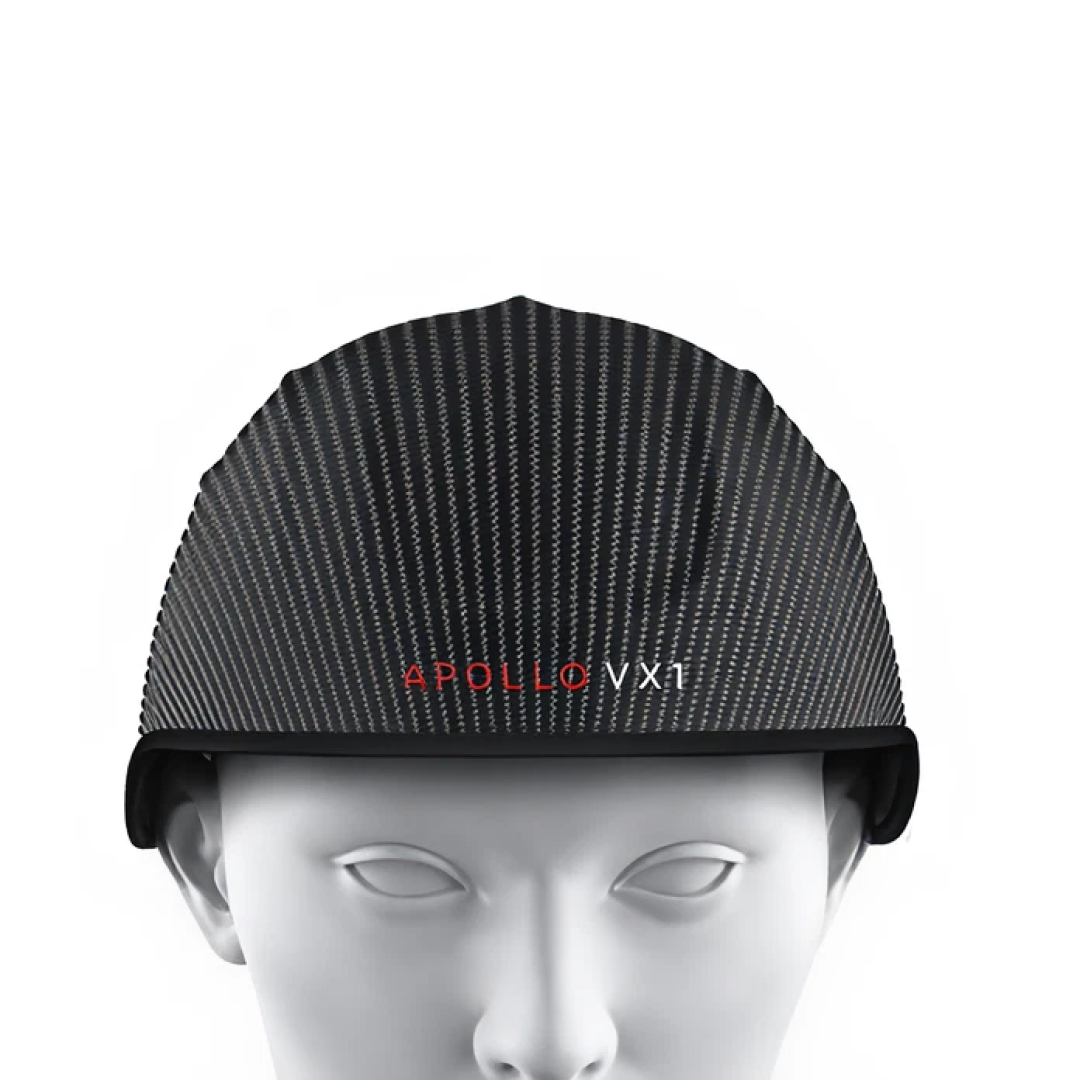


Disclaimer
The information on this site is provided by BioSpectral Systems for educational and informational purposes only. It is not intended to diagnose, treat, cure, or prevent any disease and has not been evaluated by the U.S. Food and Drug Administration or any other regulatory authority. Always consult a qualified healthcare professional before making any changes to your health regimen. By using this site, you acknowledge that you do so at your own discretion and agree that BioSpectral Systems, its affiliates, and contributors are not liable for any outcome resulting from the use of the information presented.
Share:
Mouth - Brain Connection. A Pediatric Development Approach
Guest post: Sandcast Blog by Travis Mewhirter